Big Tech Embraces US Exceptionalism in Trump's Second Term


2 Sources
[1]
With Trump's second term, Big Tech embraces US exceptionalism
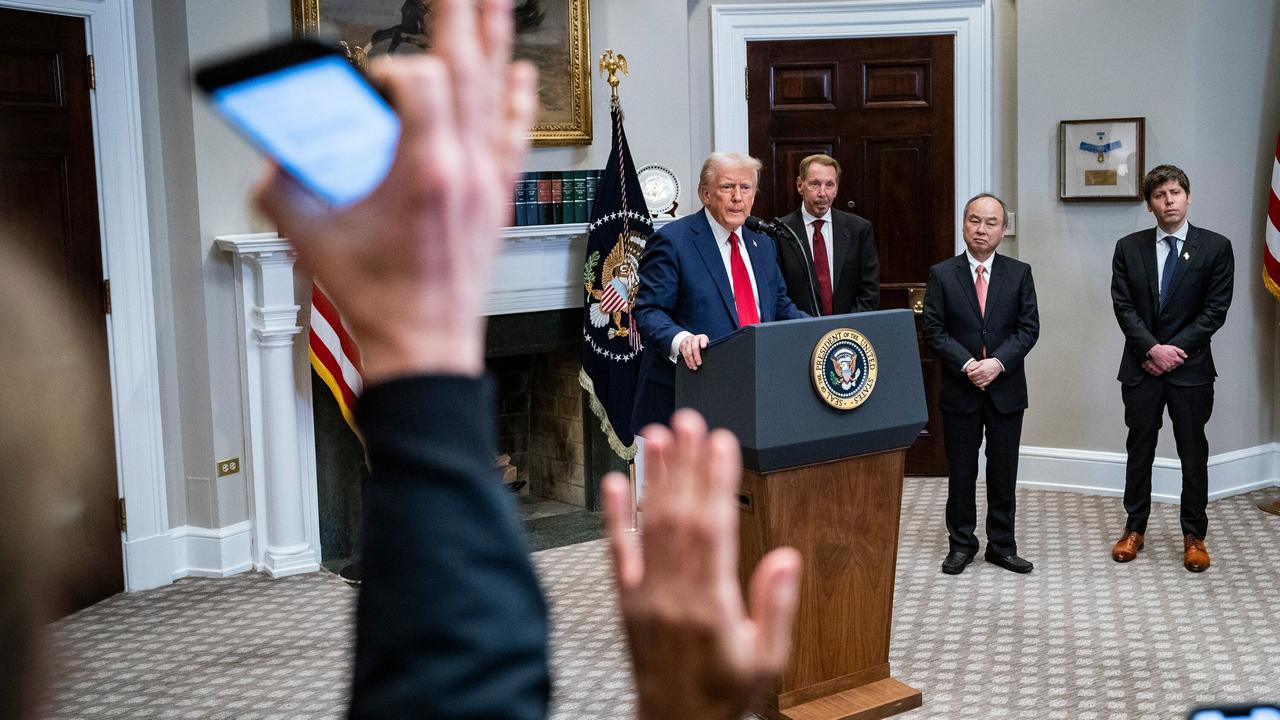
Washington (AFP) - Big tech companies are increasingly waving the US flag in Washington where President Donald Trump is back in charge, pushing his America First agenda. Leading this performance of nationalism are Meta, OpenAI and, more predictably, Palantir, the AI defense company founded by
[2]
With Donald Trump's second term, Big Tech embraces US exceptionalism
In the defense industry, US companies have historically balanced pro-American positioning with patriotic discretion to attract international business. But Trump and Vice President JD Vance routinely denigrate close allies, all while promoting a nationalist agenda that many US companies feel little
Share
Copy Link
Major tech companies are aligning with Trump's America First agenda, raising concerns about international business relationships and the global AI landscape.

Big Tech's Shift Towards American Exceptionalism
In President Donald Trump's second term, major tech companies are increasingly aligning themselves with his "America First" agenda, embracing a narrative of US exceptionalism. This shift is particularly evident in the AI sector, where companies like Meta, OpenAI, and Palantir are leading the charge
1
2
.Key Players in the Nationalist Narrative
Meta, under CEO Mark Zuckerberg, has made a notable rightward shift. The company has appointed a prominent Republican lobbyist to lead public policy, frequently criticizing European regulations and aligning with conservative viewpoints. Meta has also emphasized the importance of its AI models in ensuring "American AI dominance"
1
2
.OpenAI, the creator of ChatGPT, has surprisingly embraced American exceptionalism. CEO Sam Altman publicly stated, "I think America is just an incredible and special thing, and it will not only be the place where the AI revolution happens, but all the revolutions after"
1
2
. The company has adjusted its policies to allow defense contracts and is collaborating with the Pentagon on AI projects.Palantir, founded by conservative tech billionaire Peter Thiel, has been the most vocal proponent of this nationalist approach. CEO Alex Karp asserted that tech "is more of a metier or an art form than a science. And all the artists are in America"
1
2
.Implications for International Business
This nationalist stance raises concerns about alienating international partners, who represent a significant portion of big tech's business. Professor Sarah Kreps of Cornell University's Tech Policy Institute notes that companies must balance US allegiance with respect for national sovereignty abroad
1
2
.The shift is particularly problematic in Europe, where concerns about sovereignty, data localization, and technological dependence are growing. Microsoft, taking a more measured approach, serves as an example of a company trying to navigate this complex terrain
1
2
.Risks and Challenges
The risks extend beyond lost sales opportunities. US tech giants depend on agreements allowing transatlantic data flows, which have been repeatedly challenged in EU courts. Professor Susan Ariel Aaronson of George Washington University warns that these arrangements are precarious, stating, "American AI will not be successful if it is not trusted"
1
2
.Related Stories

The Role of the Trump Administration
President Trump and Vice President JD Vance's rhetoric, which often denigrates close allies while promoting a nationalist agenda, is pressuring companies to adopt patriotic positions that Silicon Valley traditionally avoided
1
2
. This approach contrasts with the historical balance of pro-American positioning and patriotic discretion in the defense industry.The Global AI Landscape
While the US pushes for dominance, other players are not idle. Saudi Arabia and other oil-rich Arab states are investing billions in US AI projects and building their own ventures with White House backing
1
. This complex global landscape highlights the challenges of maintaining US leadership in AI while navigating international relationships and competition.References
Summarized by

Navi
Related Stories
Trump Administration Shifts AI Policy, Tech Giants Push for Deregulation
22 Mar 2025•Policy and Regulation
OpenAI Lobbies Trump Administration for Light AI Regulation and Focus on China Competition
14 Mar 2025•Policy and Regulation

Trump and Big Tech forge alliance: AI chip exports freed, state restrictions killed
28 Dec 2025•Policy and Regulation
Recent Highlights



Recent Highlights
Today's Top Stories







Don’t drown in AI news. We cut through the noise - filtering, ranking and summarizing the most important AI news, breakthroughs and research daily. Follow topics that matter to you and stay ahead.


