VinFast partners with Autobrains to develop low-cost self-driving tech using camera-based approach


2 Sources
2 Sources
[1]
Vietnam's VinFast partners with AI firm on 'robo-car' system
Vietnamese electric car maker VinFast said Tuesday it would partner with Israeli AI firm Autobrains to upgrade its autonomous driving technology and launch a lower-cost "robo-car" system. Last month, Japan's Nissan said it would integrate AI-powered systems made by autonomous driving firm Wayve into vehicles. bur-tym/sjc/dan Vietnamese electric car maker VinFast said Tuesday it would partner with Israeli AI firm Autobrains to upgrade its autonomous driving technology and launch a lower-cost "robo-car" system. The two companies are developing a "new autonomous vehicle architecture capable of transforming virtually any car into a self-driving 'robo-car'", VinFast said in a statement. The system will rely mainly on cameras, rather than more expensive technologies such as LiDAR sensors and radar arrays. VinFast and Autobrains will also work to gradually integrate more advanced autonomous capabilities into VinFast's whole product line, it said, including its VF 8 and VF 9 sport utility models. Autobrains did not immediately reply to AFP's request for comment. VinFast is part of the Vingroup conglomerate owned by Vietnam's richest man Pham Nhat Vuong and is the country's first homegrown EV maker. It listed on the Nasdaq in 2023 as part of a global expansion bid to compete with EV giants such as Tesla and is trying to crack markets in Asia, the Middle East, Europe, the United States and Canada. VinFast's e-scooters, e-cars and e-buses are ubiquitous in the country of 100 million people. While truly driverless cars remain some way off, progress in the sector has been rapid, with major US players Tesla and Waymo testing robotaxi services, as are their Chinese rivals. Last month, Japan's Nissan said it would integrate AI-powered systems made by autonomous driving firm Wayve into vehicles.
[2]
VinFast teams up with Autobrains to develop low-cost self-driving tech
Jan 26 (Reuters) - VinFast has partnered with AI firm Autobrains to develop advanced autonomous driving technology, including a low-cost "Robo-car" system, the companies said on Monday, potentially boosting the Vietnamese EV maker's self-driving tech push. The deal could help the EV maker adopt a cheaper, camera-based autonomy system as it looks to cut costs and accelerate deployment after years of expensive and delayed self-driving bets. For the driver assistance system, the companies said they will concentrate on enhancing the technology for the upcoming VinFast electric vehicles, building on the automaker's existing Level 2 capabilities. Pilot testing of the upgraded assistance technology is already underway on VinFast's VF 8 and VF 9 models, with the aim of gradually rolling out more advanced features across its lineup. The partnership will also explore a new "Robo-Car" self-driving architecture, designed to enable higher levels of autonomy without costly LiDAR sensors, radar arrays or high-definition maps. Similar to Tesla's approach, the system relies on seven standard cameras and a compact, high-performance computing chip, a setup the companies say could deliver autonomous capabilities at a fraction of the cost of traditional approaches. Testing of the Robo-Car system is underway in controlled zones in Hanoi, with plans to expand trials to larger cities and overseas markets, the companies said. (Reporting by Akash Sriram in Bengaluru and Christina Amann; Editing by Vijay Kishore)
Share
Share
Copy Link
Vietnamese EV maker VinFast has partnered with Israeli AI firm Autobrains to upgrade its autonomous driving technology and launch a lower-cost robo-car system. The collaboration focuses on camera-based autonomy instead of expensive LiDAR sensors, with pilot testing already underway on VF 8 and VF 9 models in Hanoi.
VinFast and Autobrains Join Forces on Autonomous Driving
Vietnamese EV maker VinFast announced a partnership with Israeli AI firm Autobrains to develop advanced autonomous capabilities and launch a lower-cost robo-car system
1
. The collaboration marks a strategic shift for the Vietnamese EV maker as it seeks to accelerate its self-driving technology push while cutting costs after years of expensive and delayed autonomous driving investments2
. The two companies are working to create "a new autonomous vehicle architecture capable of transforming virtually any car into a self-driving 'robo-car'", according to VinFast's statement1
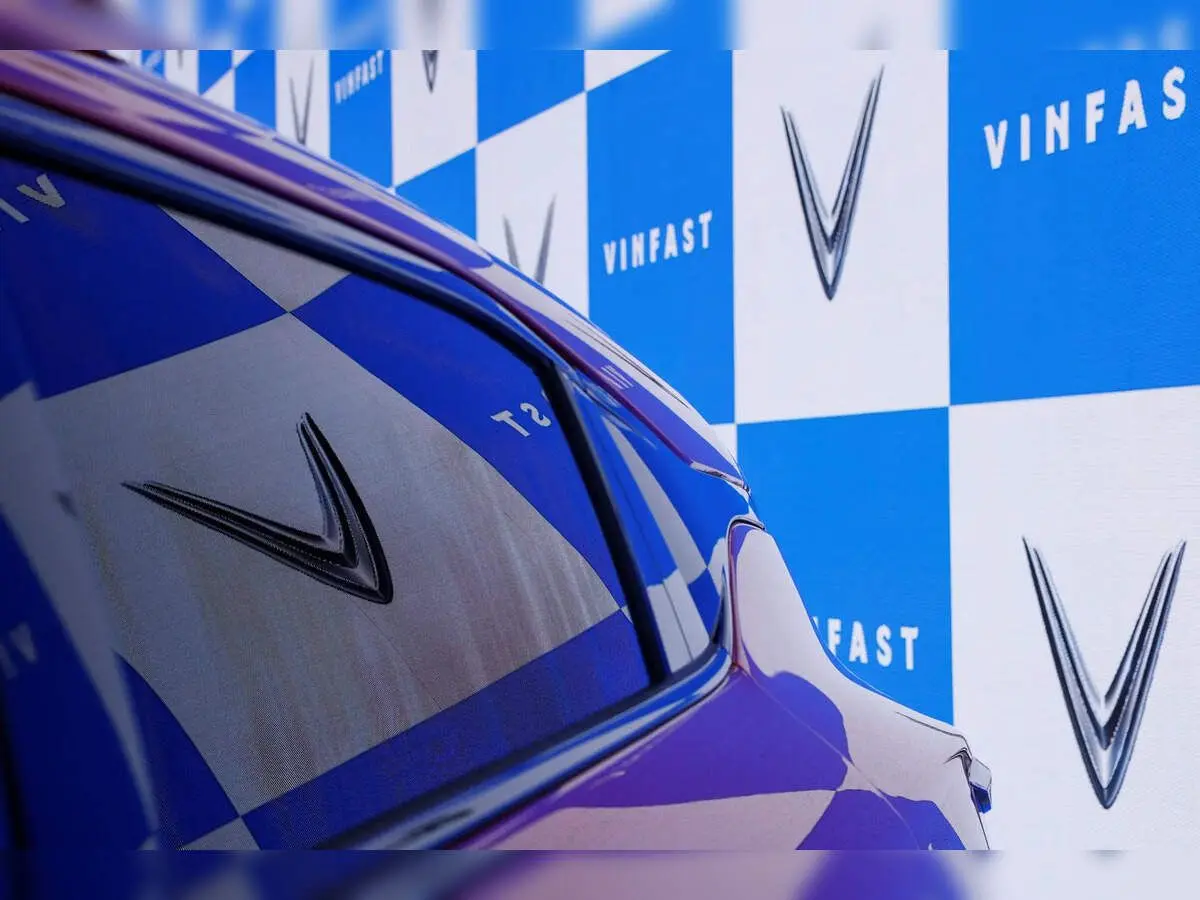
.
Source: ET
Camera-Based Approach Challenges Traditional Methods
The partnership will explore low-cost self-driving tech that relies primarily on cameras rather than expensive technologies such as LiDAR sensors, radar arrays, or high-definition maps
1
. Similar to Tesla's approach, the system uses seven standard cameras and a compact, high-performance computing chip, a setup the companies say could deliver autonomous capabilities at a fraction of the cost of traditional approaches2
. This camera-based approach could help VinFast adopt a cheaper autonomy system as it competes with EV giants and looks to expand its presence across global markets. The deal positions VinFast to potentially democratize self-driving technology by making it more accessible and affordable for mass-market vehicles.Pilot Testing Already Underway on VF Models
For the driver assistance system, VinFast and Autobrains will concentrate on enhancing the technology for upcoming VinFast electric vehicles, building on the automaker's existing Level 2 capabilities
2
. Pilot testing of the upgraded assistance technology is already underway on VinFast's VF 8 and VF 9 sport utility models, with the aim of gradually rolling out more advanced features across its lineup1
2
. Testing of the robo-car system is currently underway in controlled zones in Hanoi, with plans to expand trials to larger cities and overseas markets2
.Related Stories

VinFast's Global Expansion Ambitions
VinFast is part of the Vingroup conglomerate owned by Vietnam's richest man Pham Nhat Vuong and is the country's first homegrown EV maker
1
. The company listed on the Nasdaq in 2023 as part of a global expansion bid to compete with EV giants such as Tesla and is trying to crack markets in Asia, the Middle East, Europe, the United States and Canada1
. VinFast's e-scooters, e-cars and e-buses are ubiquitous in the country of 100 million people1
. While truly driverless cars remain some way off, progress in the sector has been rapid, with major US players Tesla and Waymo testing robotaxi services, as are their Chinese rivals1
. This partnership with Autobrains represents a critical step in VinFast's strategy to differentiate itself through affordable AI-powered autonomous driving solutions as competition intensifies in the global EV market.References
Summarized by

Navi
[2]
Related Stories
Recent Highlights
1
Tennessee Teens Sue Elon Musk's xAI Over Grok AI-Generated Child Abuse Images
Policy and Regulation

2
Supermicro Co-Founder Indicted in $2.5 Billion Nvidia AI Chip Smuggling Scheme to China
Policy and Regulation

3
Val Kilmer to appear posthumously in As Deep as the Grave through AI-generated performance
Entertainment and Society

Recent Highlights
Today's Top Stories









Your Daily Dose of Curated AI News
Don’t drown in AI news. We cut through the noise - filtering, ranking and summarizing the most important AI news, breakthroughs and research daily. Spend less time searching for the latest in AI and get straight to action.

