YouTube Music users furious as AI slop floods recommendations, threatening paid subscriptions


6 Sources
6 Sources
[1]
YouTube Music is getting flooded with AI slop, and paid users are fuming
The persistent invasion of fake artists could drive frustrated listeners to cancel subscriptions. YouTube Music is facing a problem that challenges the main reason people pay for music streaming. Instead of offering carefully chosen recommendations, the service is apparently showing more AI-generated tracks that listeners never wanted, and even long-time subscribers are getting frustrated. The complaints have been piling up on Reddit, where a YouTube Music user said their recommendations are being flooded with AI slop (via PiunikaWeb). These tracks usually come from unknown artists with huge catalogs and generic titles. The user said much of their recommended playlists are now filled with this content. What makes the situation more frustrating is how persistent these tracks are. Tapping "Not interested" or thumbs-down doesn't seem to solve the problem. At best, it removes a single song, but similar AI-generated tracks quickly take its place. In some cases, users say the same synthetic artists continue to appear across different mixes and autoplay sessions. For people who pay for a premium service, this feels like the company isn't delivering what was promised. Like other streaming services, YouTube Music uses algorithms to suggest new songs and keep people listening. Now that generative AI makes it easy to create music quickly, the platform is filled with tracks that meet upload rules but don't have the depth or personality of music made by people. What's frustrating is that this problem could be avoided. Users often say that other music services are more open about AI-generated content. Some say Spotify has had similar issues, while others think Apple Music is much better. Deezer has even started tagging or managing AI-generated tracks. In contrast, YouTube Music doesn't give listeners an easy way to filter out or avoid AI-generated music. Right now, the only solution is to carefully manage your own playlists. Some users are so frustrated that they're considering switching to other services or creating offline music libraries to regain control.
[2]
Is AI slop invading your YouTube Music recommendations? You're not alone
Karandeep Singh Oberoi is a Durham College Journalism and Mass Media graduate who joined the Android Police team in April 2024, after serving as a full-time News Writer at Canadian publication MobileSyrup. Prior to joining Android Police, Oberoi worked on feature stories, reviews, evergreen articles, and focused on 'how-to' resources. Additionally, he informed readers about the latest deals and discounts with quick hit pieces and buyer's guides for all occasions. Oberoi lives in Toronto, Canada. When not working on a new story, he likes to hit the gym, play soccer (although he keeps calling it football for some reason🤔) and try out new restaurants in the Greater Toronto Area. For some YouTube Music users, the dead internet theory is slowly starting to become reality. This is primarily because the AI rot is spreading, and it is now making its way to users' music recommendations. Spotify was already battling with AI slop making its way to recommendations, and it looks like YouTube Music is now in the same boat. Related YouTube Music: Everything you need to know about Google's streaming music service How does YTMusic compare to the competition and is it worth the switch? Posts By Ben Khalesi I'm not talking about AI-powered recommendations or features like AI DJ or AI Playlist. Those are arguably decent features. Instead, I'm talking about actual AI-generated music content making its way to the music streaming platforms' recommendations. The issue was first highlighted by user vlastawa on Reddit, and subsequently corroborated by several users that commented on the post (via PiunikaWeb). Manually created playlists might be the only safe alternative for now According to the user, out of ten recommendations on their YouTube Music New feed, six were identified as AI-generated tracks. "The other day every other song in my auto-generated playlist was AI slop. Clicking "I'm not interested" nor thumbing them down really makes no difference as it only applies to this one specific song, not the "artist" (who replace quality with quantity, which makes it pop up even more)," wrote the user. Others added that "new releases is often 60-75% AI, a lot of the time with 5-12 new 'songs' from one creator on the list at once," and that "the blues genre is littered with AI slop." Users also suggest that the action of ensuring that a track is AI-generated or not might be responsible for pushing more AI slop. For example, pulling up the user/artist you suspect might be uploading AI-generated music might just signal YouTube Music's algorithm into thinking that you're 'engaging' with the artist, which triggers even more AI-generated recommendations in your feed. Subscribe to the Newsletter for Smart Takes on AI Music Want clearer guidance on spotting and avoiding AI-generated tracks? Subscribe to our newsletter for focused coverage, analysis, and practical ways to manage AI-driven recommendations across music streaming platforms and playlists. Subscribe By subscribing, you agree to receive newsletter and marketing emails, and accept Valnet's Terms of Use and Privacy Policy. You can unsubscribe anytime. Not every YouTube Music user seems to be affected. However, this is clearly not an isolated incident either, as highlighted by numerous users. For now, returning to local libraries and manually curated playlists seems to be the only reliable defense against AI slop invading your music feed. Are you encountering AI-generated tracks in your YouTube Music recommended feed? Let us know in the comments below.
[3]
Spotify Smart Shuffle played a song I'd never heard before. It was AI generated.
On a frosty, bitterly cold morning, I needed a little background music to motivate myself. On Spotify, I pressed play on The Gap Band's "Early In The Morning," a funk bop from 1982 currently having a resurgence on TikTok. After Charlie Wilson's dulcet tones got me in the mood to do a bit of work, Spotify's Smart Shuffle feature carried on the old school funk and soulful R&B vibes. The audio streaming platform played the likes of "She's a Bad Mama Jama," by Carl Carlton, "Candy" by Cameo, "All Night Long," by Mary Jane Girls. But then a song I didn't recognise began playing. "I'm Letting Go Of The Bullshit" by Nick Hustles. It blended in well with the other '70s and early '80s era songs that Spotify had shuffled through, inspired by The Gap Band. But the lyrics were strikingly modern. "This year I'm in my flow / F*ck anything that don't help me grow / Fake friends shiesty h**s." The song has a not-insignificant 1,823,488 listens on Spotify at the time of writing. Curious, I took a look at the artist's profile on Spotify to discover Nick Hustles has almost 600K monthly listeners and an array of popular songs with striking titles such as "Minding My Goddamn Business," "I Do Whatever The F*ck I Want," and "Stop B*tching". I noted there was no author bio in the "About" section of Hustles' profile, so I turned to Google. That's where I discovered that this catchy little tune I'd been listening to was actually AI-generated. I'll admit: it hadn't even occurred to me that this '70s-sounding funk singer could be anything other than human. Given that 97 percent of people can't tell if a song is made by AI or humans, per a recent Deezer and Ipsos study, I don't feel quite so bad about my lack of discernment. But these are questions we will need to begin asking ourselves as we navigate the AI music era. Nick Hustles is an alias for Nick Arter, 35, a human producer who uses AI music tools Suno and Udio. Not only is Hustles not a 1970s era musician, but he also wasn't even born in the '70s. Arter did not immediately respond to Mashable's request for comment. Then it occurred to me: Spotify actually recommended this artist to me. I hadn't found the track on TikTok or Instagram. It had been suggested in my Smart Shuffle queue -- a 2023-launched feature which adds personalised recommendations to match the vibe of the first song you played. So, is Spotify now recommending AI artists to listeners who've previously shown zero interest in anything other than human-created music? Well, it certainly seems that way. Spotify's mission statement is "to unlock the potential of human creativity". Is it really possible for that mission to sit alongside its role in not merely platforming, but recommending AI music? A Spotify spokesperson told Mashable that "Spotify doesn't give AI-generated music any special treatment." "While we don't penalise artists for using AI responsibly, we are aggressive about taking down content farms, impersonators, or anyone trying to game the system," they added. Recommendation algorithms respond dynamically to online trends, often linked to viral social media activity, media coverage, or public conversations. That means if an AI-generated song is going viral on TikTok, or gains press attention, that could result in the song ending up in your Spotify Shuffle queue. Spotify's track record with AI music isn't great. In July 2025, the streamer allegedly published AI-generated songs on the pages of deceased musicians, including Blaze Foley, who was killed in 1989. In summer 2025, viral band The Velvet Sundown released two albums and gained 1 million plays on Spotify before admitting that its music, images and band backstory were all created using AI. How should we feel about AI-generated songs finding their way into our listener library? Some people aren't necessarily opposed to giving AI music a try, but their open-mindedness begins to shift once they feel deceived. Research by Deezer and Ipsos found that 80 percent of people want AI music clearly labeled on streamers. Transparency matters: a strong majority (72 percent) say they would want to be told if a streaming platform was recommending music created entirely by AI. Almost half would rather filter AI music out completely, and four in 10 say they'd skip it if it popped up anyway. In Sept. 2025, following user feedback, Spotify introduced an AI labelling system via metadata disclosures, working with the Digital Data Exchange (DDEX). This means AI credits will appear in music metadata on the platform, but that doesn't mean you'll see a visible "AI-generated" badge when you're looking at a track on Spotify. Per the company's announcement: "It's not about punishing artists who use AI responsibly or down-ranking tracks for disclosing information about how they were made." This is a step in the right direction, but is it enough? Currently (as of Jan. 2026), there is no universal, front-and-centre badge on Spotify track pages to declare it "AI" or "not AI". Those AI disclosures are instead baked into the credits and metadata. I'd like to know immediately when a song I'm listening to isn't being performed by a human. Labelling songs and artist pages as AI-generated seems like the bare minimum to avoid misleading listeners. I also think there should be an option in Spotify's Settings to exclude AI-generated music from Smart Shuffle. For those who feel strongly about AI-generated music, we should be given the option to opt out, so we don't threaten economic incentives for human-produced work. It's important to note the distinction between entirely AI-generated work and work that's been produced by human artists with the assistance of AI tools. For generations, tech has played an integral role in the creation of music, such as multitrack recording, digital mixing consoles, Auto-Tune, audio editing software, to name a few. AI tools, when used responsibly to enhance human talent, are undoubtedly the next phase in technology's relationship with music. Spotify's mission statement also states that it provides "a million creative artists the opportunity to live off their art and billions of fans the opportunity to enjoy and be inspired by it." But when the market is flooded with AI slop, we make it harder for musicians to earn a living. Research suggests that music sector workers could lose nearly a quarter of their income to AI by 2028. In the UK, MPs are calling on the government to regulate the use of AI in the music industry and to bring in protections to ensure the public is not duped into unknowingly listening to AI-generated music. Part of the joy of music comes in marvelling that a human made it. Good music is born out of creativity, innovation, skill, talent, effort, vulnerability, emotion, and perseverance. 80 percent of people want to see legislation to prevent musicians' work being used to train AI without their consent, according to research conducted by UK Music. From the same study, 77 percent believe that AI music, which doesn't credit the original creator, is tantamount to theft, and 83 percent believe that a musical artist's creative "personality" should be legally protected against AI copies. AI-generated art in general relies on material that already exists. It reduces art to a formula, which it replicates. The result is a homogenous, generic song, a regurgitated version of music that already exists. What you lose is the thrill of discovering a new sound, hearing an artist do something that's not been done before. AI just can't replicate that, and it never will.
[4]
YouTube Music users are furious about AI slop songs - and as a recording musician, I'm angry too
YouTube Music subscribers are sending Google a clear message: stop the slop! As spotted by Plunikaweb, the same AI slop that's been a problem on Spotify now appears to be affecting YouTube Music too, with people on the YouTubeMusic subreddit venting their frustration. The conversation was started by user vlastawa, who wrote that on opening YouTube Music "six out of ten News recommendations were AI slop. The other day every other song in my auto-generated playlist was AI slop. Clicking 'I'm not interested' or thumbing them down makes no difference as it only applies to this specific song, not the 'artist'... dear Google, that's not what I'm paying for." As one commenter noted, it can be quite easy to spot the slop: "If there are 545 albums released within one year [by a single artist] that's a good sign". So what's going on, and why are people - including me, a recording musician - annoyed? The problem is really simple: AI slop is spam, whether it's AI music, AI social media posts or the 300 AI-generated fake-bookclub scams that hit my inbox every week. And for customers of services such as Spotify and YouTube Music, it's spam they don't want in their music feeds. And it's worse than just spam. When I see AI slop on a streaming site, I know that said slop has almost certainly been based on stealing from artists: the data the AI uses to create soundalikes has in part been based on illegally harvested music. In some cases it's also impersonating the work of actual artists with fake songs appearing on their official pages. And most artists are not Metallica-scale megastars who needn't worry about the odd rip-off: AI will happily copy struggling or up and coming new artists too. AI slop in streaming is a real worry for many musicians I know. The more AI slop gets recommended and streamed, the less music by real musicians gets streamed and the harder it becomes for them to get noticed (or paid) - so artists who are already struggling to make money stand to make even less than they're already getting. This isn't a knee-jerk, anti-tech thing. There's a huge difference between musicians in the 1970s being snobby about synthesizers or damning drum machines and people being upset about AI slop filling their feeds. AI can do brilliant things in music, from creating realistic drums to helping you make your song sound bigger, and musicians have been experimenting with generative music for decades now with often great results. But slop is just slop. It's music made to game the algorithm, not connect with an audience. It's not art to be listened to but content to be snuck into your feed when you're not paying attention. The issue isn't grumpy old musical purists yelling at kids to get off their musical lawn: it's an objection to streaming platforms allowing (or even possibly encouraging) actual music to be replaced with Muzak, with pale imitations of real artists being pushed into discovery and For You feeds. It's not as if there's a shortage of new music either - and every tossed-off bit of AI slop pushed into your recommendations means one less opportunity for that music to be heard, for you to hear someone who might be your next favourite artist, and for that artist to be able to make a living from what they do. The best music has heart and soul and fire in its belly, and the worst is just a half-baked copy of what someone else has already done. AI tools can and will help artists make more of the former, but AI slop just regurgitates ever more of the latter.
[5]

YouTube Music Is Flooding Recommendations With AI Songs, Users Say
Similar issues were reported on Spotify and Amazon Music too YouTube Music users are facing an annoying issue. Several users have taken to social media platforms to complain about the rise of artificial intelligence (AI)-generated songs appearing on their feed. These songs are surfaced by the platform via algorithm, and it appears that the Explore page, in particular, is affected by the mushrooming AI music. Users have also claimed that no amount of disliking or tapping "not interested" has helped keep the synthetic music away from their feed. Additionally, identifying artists that are uploading AI-generated songs is also difficult at surface level. YouTube Music Has an AI Song Problem First reported by PiunikaWeb, several posts have appeared on Reddit's r/YouTubeMusic subreddit complaining about AI-generated songs disrupting their ability to discover new artists and songs via the platform's recommended feed and playlists. The lack of disclaimers about a song being AI-generated has also frustrated users. One Reddit user u/GrammmyNorma said, "Nearly every other song in the autoplay queue is an AI generated slop song with a handful of plays. I have no idea how to fix this other than going back to Spotify. I have tried wiping my watch/search history, restarting my subscription, clearing app cache. I have probably sent 10+ feedback reports/community help posts about these issues." The user also noted that disliking or marking songs "not interested" does not help either. Many users have commented on these posts sharing similar experiences with YouTube Music. Some have also highlighted that the rise of AI-generated music is visible on Spotify and Amazon Music as well. So far, no such complaints have been spotted about Apple Music. AI-generated songs have become an accessible commodity due to platforms such as Suno and Udio. These platforms have tools that let users generate songs across genres and moods with simple text prompts. Many listeners have described these songs as generic, without depth, and AI slop. One particular problem is that there is no way to tell if a song is AI generated or not before listening to it as no platform provides a label or disclaimer for them. Redditor u/vlastawa mentioned some signs users should look out for to determine if a song was generated using AI or not. He claimed that artists that have a high volume of songs released every other day, AI-generated cover images, no actual image of the band, low number of listeners, and running an online search shows no history of the artist, are clear sign of AI music. Notably, the rise of AI-generated songs on streaming platforms comes at a time when a large number of musicians and record labels are fighting lawsuits against AI companies for allegedly using their work to train models. On the other hand, in November 2025, Warner Music Group reportedly settled its lawsuit against Udio, and announced to launch a joint platform for song creation in 2026.
[6]

Users Say YouTube Music Pushes AI Songs Despite Feedback
Users on YouTube Music are increasingly complaining that the platform repeatedly recommends AI-generated music even when they actively try to avoid it. Across multiple Reddit threads, users ask how to stop the algorithm from pushing synthetic music and instead return to recommendations from real artists. However, commenters say the problem does not remain confined to YouTube Music. Users report that Spotify and Amazon Music also surface similar AI-generated tracks, though these platforms offer varying degrees of user control. Moreover, some users compare services based on how effectively they allow listeners to block repeat recommendations from the same accounts, while others argue that the issue reflects a broader industry challenge as AI-generated content scales rapidly. In Reddit posts and comment threads, users say they encounter multiple suspected AI-generated tracks every time they refresh their recommendations. Notably, many point to generic-sounding accounts that release music in bulk, making these tracks difficult to avoid. "Opened YouTube Music today and six out of ten new recommendations were AI slop," one user wrote, adding that disliking tracks or marking them as "not interested" fails to stop similar content from returning. Others shared similar experiences, saying the same accounts continue to surface despite repeated downvotes. Furthermore, users describe the issue as emotionally frustrating rather than purely technical. One user said they deeply engaged with what sounded like a human jazz vocal performance, only to later discover that the track was AI-generated. "The quality is so good that I want to listen again, but I feel scammed," the user wrote. Users say they have tried several methods to limit AI-generated music in their feeds, including: However, despite these efforts, users say AI-generated music eventually reappears in their recommendations. As a result, some commenters say they have abandoned algorithmic discovery altogether and now rely on curated playlists, word-of-mouth recommendations, or local music libraries. Patterns across Reddit threads suggest that feedback tools on YouTube and YouTube Music operate primarily at the level of individual songs or videos, rather than at the level of artists or upload behaviour. As a result, downvoting a track does little to prevent high-volume uploads from the same accounts from continuing to surface in recommendations. Interaction with AI-generated music also appears to reinforce its visibility. Users describe cases where clicking on or investigating suspected AI tracks leads the recommendation system to surface more similar content. In some instances, downvoting AI-generated music affects broader genre signals, reducing exposure to legitimate human artists instead of filtering out synthetic content. Together, these patterns point to a feedback system that acknowledges individual preferences but lacks the ability to meaningfully alter recommendation outcomes at scale. These complaints emerge as AI-generated music rapidly expands across streaming platforms. In November 2025, Deezer disclosed that creators upload around 50,000 fully AI-generated tracks to its platform every day, accounting for roughly 34% of daily song deliveries. At the same time, Deezer said such tracks make up only about 0.5% of total streams. Notably, the company linked large-scale AI music uploads to fraudulent activity. Furthermore, Deezer labels 100% AI-generated music for listeners and de-prioritises such tracks in recommendations. A Deezer-Ipsos survey across eight countries found that 97% of users could not reliably identify AI-generated music, while 80% said platforms should clearly label such content. Meanwhile, Spotify said it removed more than 75 million spam tracks in the 12 months leading up to September 2025 and introduced stronger impersonation rules, music spam filters, and AI disclosures tied to industry-standard credits. YouTube does not ban AI-generated music outright and does not explicitly restrict how such content appears in recommendations. Instead, YouTube requires creators to disclose when videos contain realistic, altered, or synthetic AI-generated content that viewers could mistake for real. This disclosure rule applies broadly to AI-generated or AI-modified content, including audio. However, YouTube frames this requirement around transparency rather than recommendation ranking. Additionally, YouTube updated its monetisation rules under the YouTube Partner Program to restrict mass-produced, repetitive, or low-effort content, which can include some AI-generated material. The platform may deem such content ineligible for monetisation. Nevertheless, these rules do not impose a blanket ban on AI-generated music. Notably, YouTube has not published any policy explaining how it identifies, labels, or de-prioritises AI-generated music within its recommendation systems. Nor does the platform offer users a clear way to filter out or block AI-generated music at an artist or account level. YouTube has not clarified how it balances content volume with listening quality as AI-generated uploads scale. Similarly, the company has not indicated whether it plans to give users stronger controls over what appears in their feeds. For now, several users say they see only one reliable solution: stop relying on algorithmic recommendations altogether.
Share
Share
Copy Link
YouTube Music subscribers are voicing frustration as AI-generated music floods their recommendation feeds and playlists. Despite paying for premium service, users report that AI slop—generic tracks from unknown artists—dominates their discovery experience. The inability to filter content effectively has some considering canceling subscriptions or switching to competing platforms.
YouTube Music Faces Growing Backlash Over AI-Generated Music
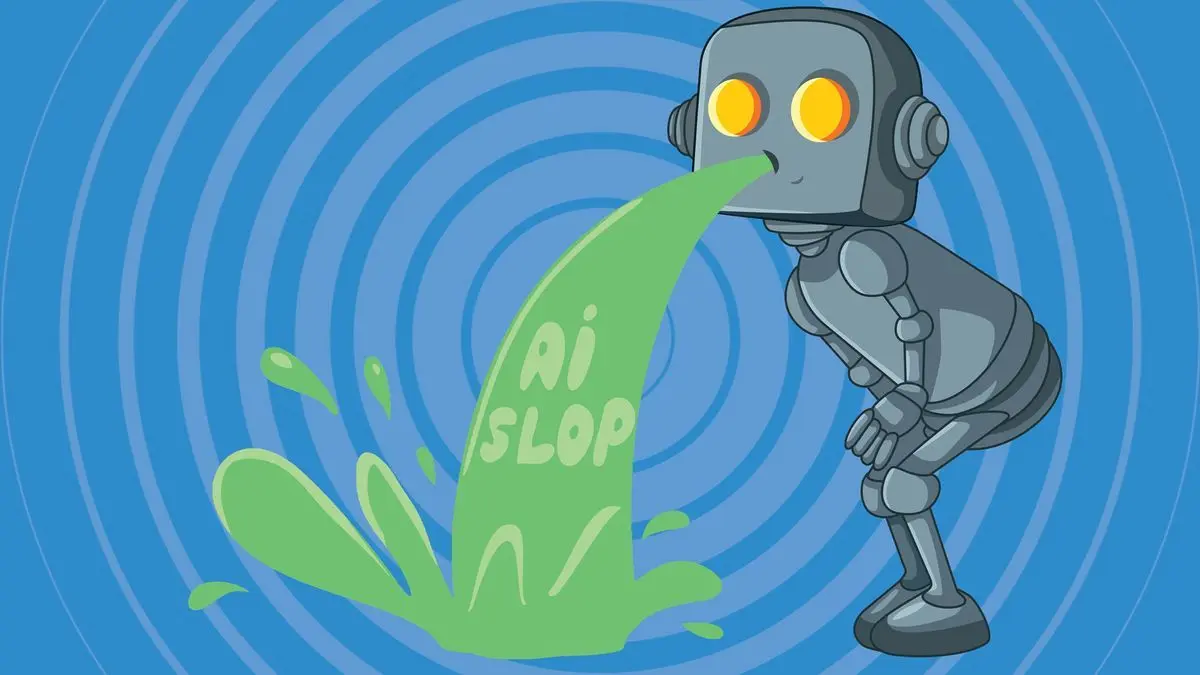
YouTube Music is confronting a crisis that strikes at the core of what subscribers pay for. Users across Reddit's r/YouTubeMusic subreddit are reporting that AI-generated music has infiltrated their recommendation feeds, transforming what should be a personalized listening experience into an endless stream of synthetic content
1
. One user described opening the platform to find six out of ten News recommendations were AI slop, with every other song in auto-generated playlists following suit2
.
Source: TechRadar
The frustration among users centers on a fundamental breach of expectations. Music streaming platforms promise curated discovery and quality recommendations, yet AI-generated tracks from obscure artists with massive catalogs and generic titles now dominate these feeds
1
. For paid subscribers, this feels like a failure to deliver promised value. As one user noted, "new releases is often 60-75% AI, a lot of the time with 5-12 new 'songs' from one creator on the list at once".The Inability to Filter Content Deepens User Frustration
What makes this situation particularly maddening is the inability to filter content effectively. Users report that marking songs as "not interested" or giving thumbs-down ratings does nothing to stem the tide of AI songs in recommendations
1
. These actions only remove individual tracks while similar AI-generated tracks quickly fill the void. The same synthetic artists continue appearing across different mixes and autoplay sessions, creating an inescapable loop1
.
Source: Gadgets 360
Paradoxically, attempting to identify whether an artist produces AI content may actually worsen the problem. Checking an artist's profile to investigate potential AI origins signals engagement to YouTube Music's algorithms, potentially triggering even more AI-generated recommendations in user feeds
2
. This creates a catch-22 where vigilance backfires.How AI-Generated Music Tools Enable Mass Production
The explosion of AI-generated tracks stems from platforms like Suno and Udio, which allow anyone to create songs across genres with simple text prompts
3
5
. These generative music tools have made it trivially easy to produce content that meets upload requirements but lacks the depth and human creativity of traditional music. Users have identified telltale signs: artists releasing 545 albums within one year, AI-generated cover images, no actual band photos, and zero online history4
5
.Nick Hustles, an alias for 35-year-old producer Nick Arter, exemplifies this phenomenon. His AI-generated funk tracks, created using Suno and Udio, have accumulated nearly 600K monthly listeners on Spotify
3
. One song, "I'm Letting Go Of The Bullshit," has garnered over 1.8 million plays. Research by Deezer and Ipsos found that 97 percent of people cannot distinguish AI-generated songs from human-created music, explaining why these tracks blend seamlessly into playlists3
.Why This Problem Extends Beyond YouTube Music
YouTube Music isn't alone in grappling with flooding user recommendations. Spotify users have reported similar issues with AI-generated tracks infiltrating their Smart Shuffle feature and discovery feeds
2
3
. Amazon Music faces comparable complaints5
. Notably, Apple Music has largely escaped such criticism, with users suggesting it maintains better quality control1
.The distinction lies in transparency and control. Deezer has begun tagging or managing AI-generated content, giving users agency over their listening experience
1
. Spotify introduced an AI labeling system via metadata in September 2025, working with the Digital Data Exchange (DDEX), though these credits don't appear as visible badges on track pages3
. YouTube Music, by contrast, offers no mechanism to identify or avoid synthetic music, leaving subscribers defenseless against algorithmic recommendations they never requested.
Source: MediaNama
Related Stories

How AI Slop Threatens to Undermine Real Artists
For working musicians, AI slop represents more than annoyance—it's an existential threat. Recording musicians note that AI-generated tracks are often trained on illegally harvested music, essentially stealing from artists to create soundalikes
4
. In some cases, fake songs appear on official artist pages, impersonating actual musicians. The more AI slop gets recommended and streamed, the less human creativity gets discovered or compensated. For struggling or emerging artists already earning minimal streaming revenue, this shift could prove devastating4
.This tension plays out against ongoing legal battles. Musicians and record labels have filed lawsuits against AI companies for allegedly using copyrighted work to train models without permission
5
. Yet in November 2025, Warner Music Group reportedly settled its lawsuit against Udio and announced plans to launch a joint platform for song creation in 20265
, signaling that major labels may be hedging their bets.What Users Want and What Comes Next
Research reveals clear user preferences. According to Deezer and Ipsos, 80 percent of people want AI music clearly labeled on streaming services, while 72 percent say they should be told if a platform recommends entirely AI-created music
3
. Nearly half would prefer to filter AI music out completely, and 40 percent would skip it if encountered. A Spotify spokesperson stated the platform "doesn't give AI-generated music any special treatment" and is "aggressive about taking down content farms, impersonators, or anyone trying to game the system"3
. Yet algorithms respond dynamically to online trends, meaning viral AI songs on social media inevitably surface in recommendations.For now, frustrated YouTube Music subscribers are reverting to manually curated playlists and local music libraries to regain control
1
2
. Some are contemplating canceling subscriptions or switching to competing streaming services that offer better filtering options1
. The question facing YouTube Music and other platforms is whether they'll implement transparent AI labeling systems and effective filtering tools before losing subscribers to services that prioritize human artistry over algorithmic content generation. Watch for potential policy changes as user complaints intensify and the ethical implications of platforming unlabeled synthetic music become impossible to ignore.References
Summarized by

Navi
[1]
[2]
[4]
Related Stories
King Gizzard & the Lizard Wizard quits Spotify, only to be replaced by AI music clones
08 Dec 2025•Entertainment and Society
AI-Generated Music Sparks Controversy: Fake Albums and Artist Impersonation on Streaming Platforms
26 Aug 2025•Technology
Spotify Unveils New AI Policies to Combat Spam and Protect Artists
25 Sept 2025•Technology

Recent Highlights
1
Google releases Gemma 4 with Apache 2.0 license, enabling unrestricted local AI on devices
Technology
2
AI Models Lie and Deceive to Protect Other AI Models From Deletion, Study Reveals
Science and Research

3
OpenAI closes $122 billion funding round amid fierce AI competition and profitability questions
Startups

Recent Highlights
Today's Top Stories







Your Daily Dose of Curated AI News
Don’t drown in AI news. We cut through the noise - filtering, ranking and summarizing the most important AI news, breakthroughs and research daily. Spend less time searching for the latest in AI and get straight to action.

