AI-Generated Music Sparks Controversy: Fake Albums and Artist Impersonation on Streaming Platforms


2 Sources
[1]
AI music is fine until it starts pretending to be real people
There's a difference between AI as a musical tool and using it to commit fraud AI-generated music is becoming more widespread but not necessarily popular. And that's just the publicly acknowledged AI music. Now, artists are dealing with seeing their name and voice attached to music they never
[2]
After the Velvet Sundown snafu, Spotify lands in another AI tangle
AI seems to be an increasing challenge for music streaming platforms to handle. A couple of months ago, many music fans were fooled by a band on Spotify called The Velvet Sundown that claimed to be real but instead turned out to be generated by AI, including everything from the music to the photos
Share
Copy Link
AI-generated music is causing concern in the music industry as fake albums and impersonations of real artists appear on streaming platforms, raising questions about authenticity and copyright.
AI-Generated Music Impersonates Real Artists
The music industry is facing a new challenge as AI-generated music impersonating real artists has begun appearing on major streaming platforms. This trend has raised concerns about authenticity, copyright, and the future of music creation and consumption.
Emily Portman's AI Impersonation Incident
British folk singer-songwriter Emily Portman recently discovered an AI-generated album titled "Orca" on her official pages on Spotify, Apple Music, and other streaming platforms
1
2
. The album, which she had not created, contained 10 tracks that sounded similar to her style and even included a voice resembling hers. Portman was credited as the writer, performer, and copyright holder of this fake album.Shortly after, another AI-generated album appeared on her streaming pages, described by Portman as "20 tracks of instrumental drivel ... just AI slop"
2
. It took Spotify three weeks to remove the fake content after being notified.The Velvet Sundown Controversy
This incident follows the recent controversy surrounding "The Velvet Sundown," an AI-generated band that fooled many music fans on Spotify
2
. The band's creators later admitted to using AI to generate everything from the music to the photos of the non-existent group members.Implications for the Music Industry
The rise of AI-generated music impersonating real artists has several implications:
-
Artist Identity Theft: Real musicians are seeing their names and voices attached to music they never performed or approved
1
. -
Copyright and Royalties: Scammers can potentially earn royalties from fake releases, especially when targeting lesser-known artists
1
. -
Fan Deception: Many fans are being tricked into believing they are listening to authentic new releases from their favorite artists
1
2
. -
Platform Verification Challenges: With streaming platforms facing 99,000 uploads daily, it's becoming increasingly difficult to verify the authenticity of each release
1
.
Related Stories

The Role of AI in Music Creation

Source: Digital Trends
While AI has legitimate uses in music production, such as helping average people create songs or assisting artists with instrumentation and chord progressions, the current trend of impersonation goes beyond these beneficial applications
1
.Industry Response and Future Concerns
The incident highlights the need for streaming services to implement stricter verification processes to protect artists' branding and maintain fan trust
2
. As AI technology continues to improve, the music industry must address these challenges to preserve the integrity of artistic creation and ownership.
Source: TechRadar
Some argue that this might become the "new normal," but critics warn that valuing convenience and novelty over authenticity could lead to more AI-generated content at the expense of genuine artistic expression
1
.1
2
References
Summarized by

Navi
[2]
Related Stories
Spotify Removes AI-Generated Songs Falsely Attributed to Deceased Artists, Sparking Industry Concerns
17 Jul 2025•Technology

King Gizzard & the Lizard Wizard quits Spotify, only to be replaced by AI music clones
08 Dec 2025•Entertainment and Society
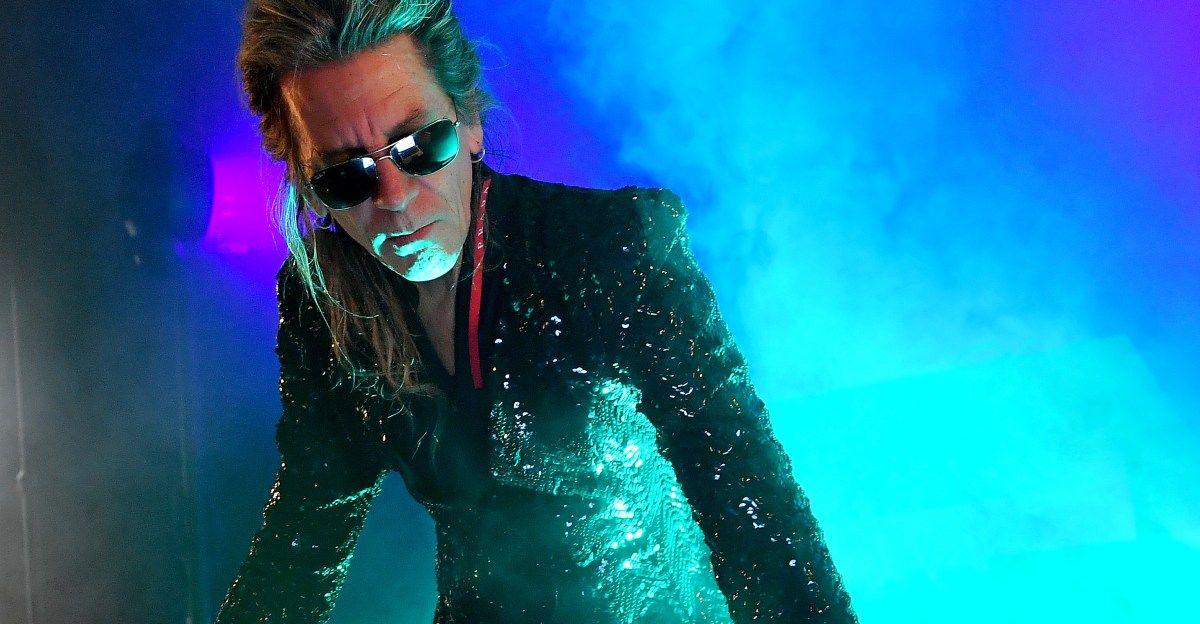
AI-Generated Band "Velvet Sundown" Sparks Debate on Music Industry's Future
08 Jul 2025•Technology

Recent Highlights



Recent Highlights
Today's Top Stories









Don’t drown in AI news. We cut through the noise - filtering, ranking and summarizing the most important AI news, breakthroughs and research daily. Follow topics that matter to you and stay ahead.


