Uber accelerates robotaxi expansion with Zoox and Nvidia partnerships across 28 cities


7 Sources
7 Sources
[1]
Zoox plans to put its robotaxis on the Uber app in Vegas this year | TechCrunch
Amazon-owned Zoox plans to make its robotaxis available to hail on the Uber app in Las Vegas later this year, the two companies announced Wednesday. Before that happens, though, Zoox still needs approval from the federal government to commercially deploy its robotaxis, which don't have a steering wheel or pedals. That requires exemptions from the Federal Motor Vehicle Safety Standards (FMVSS). On Wednesday, the National Highway Traffic Safety Administration (NHTSA) began taking public comment on Zoox's application for those exemptions. (Zoox currently has an exemption that allows the custom-built robotaxis to operate as a demonstration, and not commercially.) If and when Zoox gets approval, the company plans to launch its own commercial robotaxi service first, and before making the vehicles available on Uber in Las Vegas, it told TechCrunch. Zoox currently offers free rides in Las Vegas and in San Francisco. It's also mapping and building up a presence in eight other U.S. cities, including Dallas and Phoenix, which were announced earlier this week. Zoox and Uber described this as a "multi-year strategic partnership," that includes plans to launch in Los Angeles in 2027. This is Zoox's first third-party partnership with a platform like Uber. But it's certainly not Uber's first partnership with an autonomous vehicle company. Uber has partnerships with more than 25 different autonomous vehicle companies around the world. Its most notable deal is with Waymo, which makes its robotaxis available on the Uber platform in Austin and Atlanta. Uber has also partnered with China's Baidu and announced it would start testing those self-driving cars in London this year. The ride-hail giant has AV partnerships with Volkswagen, May Mobility, and Pony AI, too. Uber has also been building out new offerings for these robotaxi partners. In January, TechCrunch revealed the company started up an "AV Labs" division dedicated to collecting real-world driving data to reinforce its partners' autonomous systems. Last month, Uber announced it had created a division called Uber Autonomous Solutions that can provide operational, software, and support services. Zoox is seeking exemptions from eight of the FMVSS, including the standards that require a vehicle to have windshield defrosting systems and windshield wipers. NHTSA will take public comments for 30 days, but it's not clear when the federal safety agency will make a ruling. At an autonomous vehicle safety hearing held on Tuesday, NHTSA chief Jonathan Morrison sounded eager to move forward with a more explicit regulatory scheme for self-driving cars. "We think it's past time to get past the hand-waving and hype, and are finally doing the necessary, hard policy work to provide appropriate and robust oversight over this sector while removing unnecessary and unintended barriers to innovation that currently exists," he said. "This will not be easy, but I firmly believe that it is within our grasp, and we at NHTSA are moving with a great sense of urgency to get it done."
[2]
Uber, Nvidia plan robotaxi rollout in 28 cities starting next year
March 16 (Reuters) - Uber Technologies (UBER.N), opens new tab and Nvidia (NVDA.O), opens new tab said on Monday they will deploy a fleet of robotaxis powered by Nvidia's autonomous driving software on the ride-hailing network, starting in Los Angeles and San Francisco in 2027 and expanding to 28 cities globally by 2028. Robotaxis are rapidly expanding into more cities as companies race to commercialize autonomous ride-hailing, but Alphabet's (GOOGL.O), opens new tab Waymo remains the early leader while Tesla's vast manufacturing scale and financial resources could reshape the competitive landscape. Competition in the sector has intensified as companies scale driverless fleets. Alphabet's Waymo currently operates the most advanced commercial robotaxi service, running fully driverless rides in cities including Phoenix, San Francisco and Los Angeles, and steadily expanding its fleet. Tesla (TSLA.O), opens new tab, meanwhile, is betting on a camera-based approach to autonomy and has said it plans to launch its own robotaxi service while leveraging its large vehicle manufacturing capacity. Uber and Nvidia said the vehicles will run on the DRIVE Hyperion autonomous vehicle platform along with Alpamayo, a reasoning-based AI model designed to handle complex road scenarios. The rollout will begin with data-collection vehicles to train the system on city-specific driving conditions before moving to operator-supervised launches and eventually fully driverless Level 4 operations. The companies plan to expand the service across North America, Europe, Australia and Asia as part of a broader push to bring autonomous ride-hailing to the market. Uber CEO Dara Khosrowshahi said the partnership is intended to support a "multi-player" autonomous vehicle ecosystem on the company's platform as more developers and automakers bring robotaxi services to market. The Nvidia collaboration adds to Uber's strategy of assembling partnerships across the autonomous vehicle industry rather than building its own technology. The ride-hailing company previously struck a deal with electric vehicle maker Lucid Group (LCID.O), opens new tab and autonomous driving startup Nuro to deploy robotaxis built on Lucid vehicles and powered by Nuro's self-driving software on the Uber network. Reporting by Akash Sriram in Bengaluru; Editing by Alan Barona Our Standards: The Thomson Reuters Trust Principles., opens new tab * Suggested Topics: * Artificial Intelligence * ADAS, AV & Safety * Software-Defined Vehicle * Sustainable & EV Supply Chain
[3]
Zoox and Uber tie up to deploy robotaxis on ride-hailing network
March 11 (Reuters) - Uber Technologies (UBER.N), opens new tab signed a multi-year partnership to deploy Zoox's purpose-built robotaxis to its platform, the companies said on Wednesday, marking the latter's first venture with a third-party ride-hailing service. Despite lagging behind industry leader Alphabet's (GOOGL.O), opens new tab Waymo in robotaxi deployment, Zoox has been gradually expanding operations, launching limited services in Las Vegas and a pilot rider program in San Francisco late last year. Zoox said on Monday it will expand testing to Dallas and Phoenix, along with launching a command hub for fleet operations in Arizona. The deal also adds to a flurry of partnerships between ride-hailing platforms and autonomous vehicle developers as the sector races toward commercialization. With its partnership with 25 autonomous vehicle technology developers, Uber already offers rides in cities like Phoenix, Austin, Atlanta and Dubai, and plans to expand to 15 cities globally by the end of 2026. The company aims to be the largest facilitator of such trips in the world by 2029. The partnership announced on Wednesday is set to launch in Las Vegas this summer, with a planned rollout in Los Angeles by mid-2027. The robotaxis will remain accessible through Zoox's app as well as the Uber platform for all eligible trips. Founded in 2014 and acquired by Amazon for $1.3 billion in 2020, Zoox has set itself apart with its boxy design that lacks a steering wheel or pedals, tailored for passengers rather than adapted from traditional car platforms. The company has logged more than one million autonomous miles and served over 300,000 riders. Reporting by Akash Sriram in Bengaluru; Editing by Vijay Kishore Our Standards: The Thomson Reuters Trust Principles., opens new tab * Suggested Topics: * Artificial Intelligence * ADAS, AV & Safety * Software-Defined Vehicle * Sustainable & EV Supply Chain
[4]
Uber, Nvidia plan robotaxi rollout in 28 cities starting next year - The Economic Times
Robotaxis are rapidly expanding into more cities as companies race to commercialize autonomous ride-hailing, but Alphabet's Waymo remains the early leader while Tesla's vast manufacturing scale and financial resources could reshape the competitive landscape.Uber Technologies and Nvidia said on Monday they will deploy a fleet of robotaxis powered by Nvidia's autonomous driving software on the ride-hailing network, starting in Los Angeles and San Francisco in 2027 and expanding to 28 cities globally by 2028. Robotaxis are rapidly expanding into more cities as companies race to commercialize autonomous ride-hailing, but Alphabet's Waymo remains the early leader while Tesla's vast manufacturing scale and financial resources could reshape the competitive landscape. Competition in the sector has intensified as companies scale driverless fleets. Alphabet's Waymo currently operates the most advanced commercial robotaxi service, running fully driverless rides in cities including Phoenix, San Francisco and Los Angeles, and steadily expanding its fleet. Tesla, meanwhile, is betting on a camera-based approach to autonomy and has said it plans to launch its own robotaxi service while leveraging its large vehicle manufacturing capacity. Uber and Nvidia said the vehicles will run on the DRIVE Hyperion autonomous vehicle platform along with Alpamayo, a reasoning-based AI model designed to handle complex road scenarios. The rollout will begin with data-collection vehicles to train the system on city-specific driving conditions before moving to operator-supervised launches and eventually fully driverless Level 4 operations. The companies plan to expand the service across North America, Europe, Australia and Asia as part of a broader push to bring autonomous ride-hailing to the market. Uber CEO Dara Khosrowshahi said the partnership is intended to support a "multi-player" autonomous vehicle ecosystem on the company's platform as more developers and automakers bring robotaxi services to market. The Nvidia collaboration adds to Uber's strategy of assembling partnerships across the autonomous vehicle industry rather than building its own technology. The ride-hailing company previously struck a deal with electric vehicle maker Lucid Group and autonomous driving startup Nuro to deploy robotaxis built on Lucid vehicles and powered by Nuro's self-driving software on the Uber network.
[5]
Uber Stock Up With Expanded Nvidia Autonomous Vehicle Partnership - Uber Technologies (NYSE:UBER)
Uber Stock Darts Higher On Expanded Autonomous Vehicle Partnership With Nvidia Uber Technologies shares are powering higher. What's driving UBER stock higher? Uber, Nvidia Expand Autonomous Vehicle Collaboration Uber and Nvidia announced late Monday plans to launch a global fleet of entirely Nvidia software-driven autonomous vehicles in the first half of 2027. The fleet launch will start in Los Angeles and San Francisco with plans to expand to 28 cities around the world by 2028. "Autonomous technology holds enormous promise to make transportation safer, more reliable and more accessible," said Dara Khosrowshahi, CEO of Uber. "By expanding our partnership with Nvidia and combining advanced AI with Uber's global network and operating experience, we are laying the foundation for an increasingly multi-player AV world, ensuring broad commercialization and helping to bring robotaxi service to more riders over time." The fleet will be powered by the Nvidia DRIVE platform and Nvidia Alpamayo, a reasoning-based AI model for autonomous vehicles designed to handle complex scenarios. The companies will deploy the fleets in phases, including a data-collection phase and an operator-led launch before ultimately progressing to fully driverless Level 4 deployments. "The 'ChatGPT moment' for physical AI has arrived -- robotic systems can now reason about the complexities of the physical world," said Jensen Huang, founder and CEO of Nvidia. UBER Stock Picks Up Steam After Hours UBER Price Action: Uber shares were up 3.12% in after-hours on Monday, trading at $76.99 at the time of publication, according to Benzinga Pro. Image: Shutterstock.com Market News and Data brought to you by Benzinga APIs To add Benzinga News as your preferred source on Google, click here.
[6]

Uber shares rise as company partners with Nvidia on robotaxi rollout By Investing.com
Investing.com -- Uber Technologies shares climbed 2% in premarket trading Tuesday after the company announced a partnership with Nvidia to deploy a fleet of robotaxis powered by the AI giant's autonomous driving software, with launches planned in Los Angeles and San Francisco in 2027. The companies said the service will expand to 28 cities globally by 2028, marking a major step in Uber's push into autonomous ride-hailing. The vehicles will run on Nvidia's DRIVE Hyperion platform alongside Alpamayo, a reasoning-based AI model designed to navigate complex driving environments. The rollout will begin with data-collection vehicles to train the system on city-specific conditions, followed by operator-supervised deployments and eventually fully driverless Level 4 operations. Uber said the partnership is part of a broader strategy to build a "multi-player" autonomous ecosystem on its platform, allowing multiple developers and automakers to offer robotaxi services rather than relying on in-house technology. The tie-up adds to growing competition in the sector as companies accelerate efforts to commercialize driverless ride-hailing. Alphabet's Waymo remains the most advanced operator, already offering fully driverless rides in cities including Phoenix, San Francisco and Los Angeles. Meanwhile, Tesla pursues a camera-based approach to autonomy and aiming to launch its own robotaxi service while leveraging its large-scale manufacturing capabilities. Uber has recently also partnered with Lucid Group and autonomous driving startup Nuro to deploy robotaxis on its platform, using Lucid vehicles powered by Nuro's self-driving technology. Lucid said it plans to begin commercializing a robotaxi based on its Gravity SUV this year as part of the collaboration. Developing autonomous systems remains costly, but companies see robotaxis as a potential high-margin revenue opportunity if successfully scaled.
[7]
Uber stock gains after announcing Zoox robotaxi partnership By Investing.com
Investing.com -- Uber Technologies Inc. (NYSE:UBER) rose 3.75% Wednesday morning following the announcement of a strategic partnership with Amazon's Zoox to deploy robotaxis on the Uber platform in Las Vegas and Los Angeles. The partnership will launch in Las Vegas this summer, with Los Angeles deployment planned for mid-2027. Zoox robotaxis will be available through the Uber app, allowing riders to be matched with the autonomous vehicles on eligible trips. Zoox will continue operating its own app alongside the Uber integration in both cities. Zoox robotaxis are purpose-built vehicles designed specifically for ride-hailing, rather than retrofitted passenger cars. This marks the first time Zoox has partnered with a third-party platform. The company is an independent subsidiary of Amazon.com, Inc. "The Zoox robotaxi is unlike any other vehicle on the planet - it was purpose-built from the ground up to deliver an extraordinary experience," said Dara Khosrowshahi, CEO of Uber. "Zoox's commitment to safety and their advanced autonomous driving technology make them an ideal partner." Aicha Evans, CEO of Zoox, said the partnership represents "an opportunity to continue advancing the use of autonomous mobility in daily life." The collaboration positions Uber to expand its autonomous vehicle offerings as the ride-hailing industry continues developing self-driving technology. Zoox operates in Foster City, California, and focuses on autonomous ride-hailing services. This article was generated with the support of AI and reviewed by an editor. For more information see our T&C.
Share
Share
Copy Link
Uber announced two major autonomous vehicle partnerships in March 2026, teaming with Amazon-owned Zoox and chipmaker Nvidia to deploy robotaxis across its ride-hailing platform. The Zoox deal launches in Las Vegas this summer, while Nvidia's fleet targets 28 cities globally by 2028, starting with Los Angeles and San Francisco in 2027.
Uber Secures Dual Robotaxi Partnerships to Accelerate Autonomous Vehicle Deployment
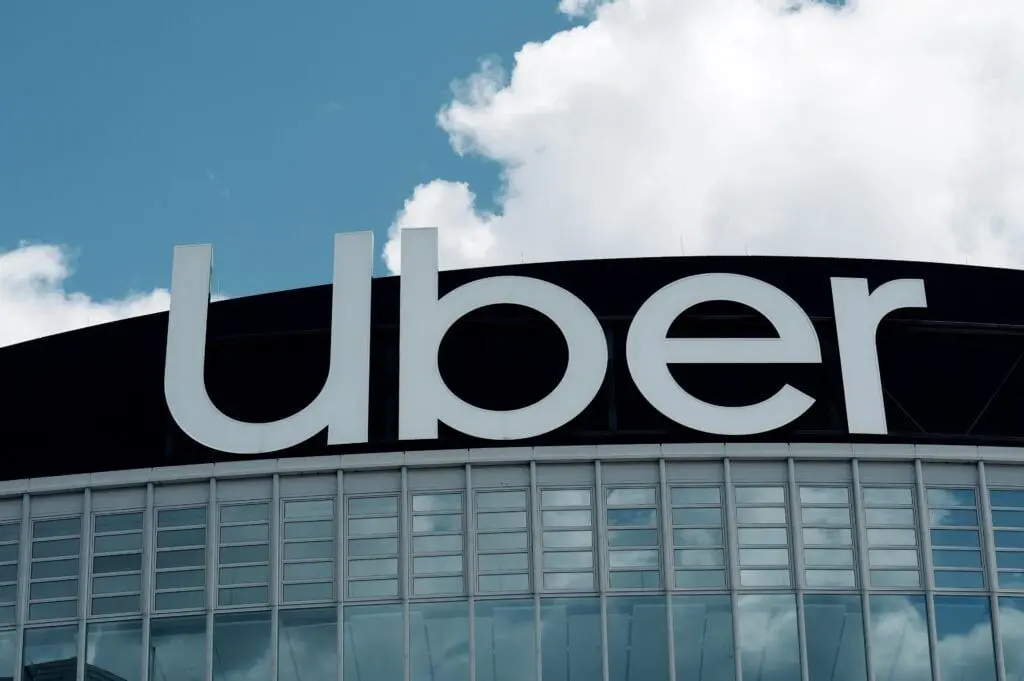
Uber has announced two significant autonomous vehicle partnerships within days of each other, signaling an aggressive push to dominate the robotaxi service market. On March 11, the ride-hailing platform revealed a multi-year strategic partnership with Amazon-owned Zoox to deploy the company's purpose-built robotaxis on the Uber app
1
3
. Five days later, on March 16, Uber and Nvidia announced plans for a fleet of robotaxis powered entirely by Nvidia's autonomous driving software, targeting a robotaxi rollout in 28 cities globally by 20282
4
.
Source: Benzinga
These deals mark a pivotal moment for Uber as it positions itself not as a technology developer but as the largest facilitator of autonomous rides worldwide. The company already partners with more than 25 autonomous vehicle companies and aims to be the world's leading platform for such trips by 2029
3
.Zoox Brings Custom-Built Self-Driving Robotaxis to Las Vegas
The Zoox partnership represents the first time the Amazon subsidiary has worked with a third-party ride-hailing platform
1
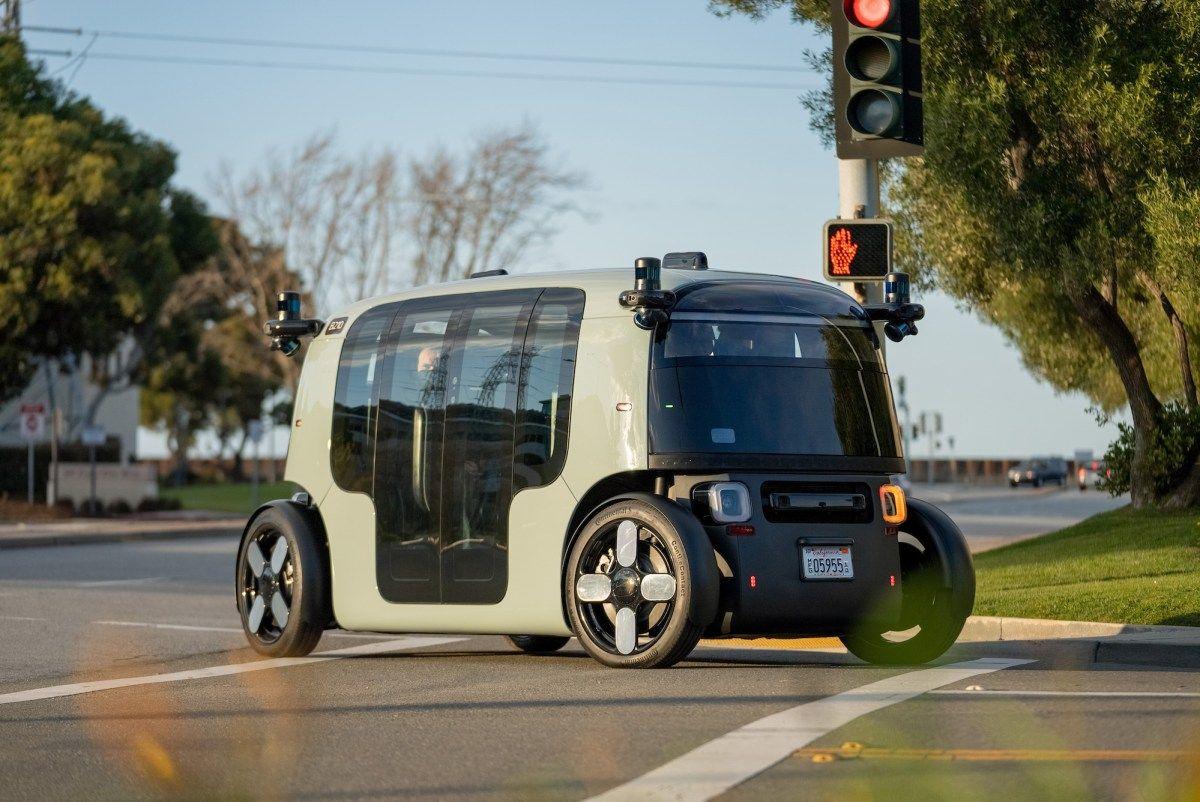
. Founded in 2014 and acquired by Amazon for $1.3 billion in 2020, Zoox has distinguished itself with a boxy, purpose-built vehicle design that lacks a steering wheel or pedals3
. The company has logged more than one million autonomous miles and served over 300,000 riders3
.
Source: TechCrunch
The partnership is set to launch in Las Vegas this summer, with Los Angeles following by mid-2027
3
. However, commercialization hinges on federal approval. Zoox still needs exemptions from eight Federal Motor Vehicle Safety Standards, including requirements for windshield defrosting systems and windshield wipers1
. The National Highway Traffic Safety Administration began accepting public comment on Zoox's exemption application on March 11, with a 30-day comment period1
.Once approved, Zoox plans to launch its own commercial robotaxi service first before making vehicles available on Uber
1
. The robotaxis will remain accessible through both Zoox's app and the Uber platform for all eligible trips3
.Nvidia Partnership Targets Global Expansion with AI-Powered Fleet
The Uber-Nvidia collaboration represents a more ambitious autonomous vehicle partnership, with plans to deploy robotaxis across North America, Europe, Australia, and Asia
2
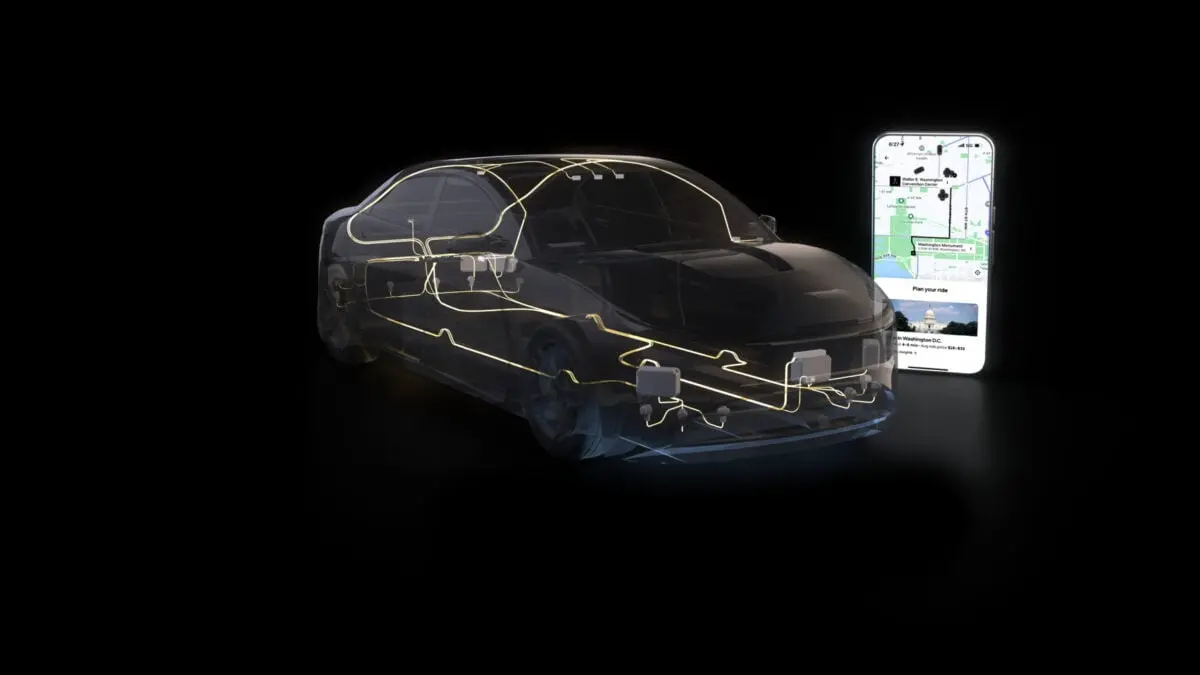
. The fleet will run on Nvidia's DRIVE Hyperion autonomous vehicle platform combined with Alpamayo, a reasoning-based AI model designed to handle complex road scenarios2
4
.The rollout will begin in Los Angeles and San Francisco in 2027, expanding to 28 cities by 2028
2
. Nvidia CEO Jensen Huang framed the partnership as a breakthrough moment: "The 'ChatGPT moment' for physical AI has arrived -- robotic systems can now reason about the complexities of the physical world"5
.Deployment will occur in phases, starting with data-collection vehicles to train the system on city-specific driving conditions, followed by operator-supervised launches, and eventually progressing to fully driverless Level 4 operations
2
4
.Related Stories


Uber Builds Multi-Player Ecosystem as Competition Intensifies
Dara Khosrowshahi, Uber's CEO, emphasized that the partnerships support a "multi-player" autonomous vehicle ecosystem on the company's platform as more developers and automakers bring robotaxi services to market
2
4
. "Autonomous technology holds enormous promise to make transportation safer, more reliable and more accessible," Khosrowshahi said5
.Uber's strategy centers on assembling partnerships across the autonomous vehicle industry rather than developing its own technology
2
. The company already offers autonomous rides in cities like Phoenix, Austin, Atlanta, and Dubai through its partnership with Waymo, and plans to expand to 15 cities globally by the end of 20263
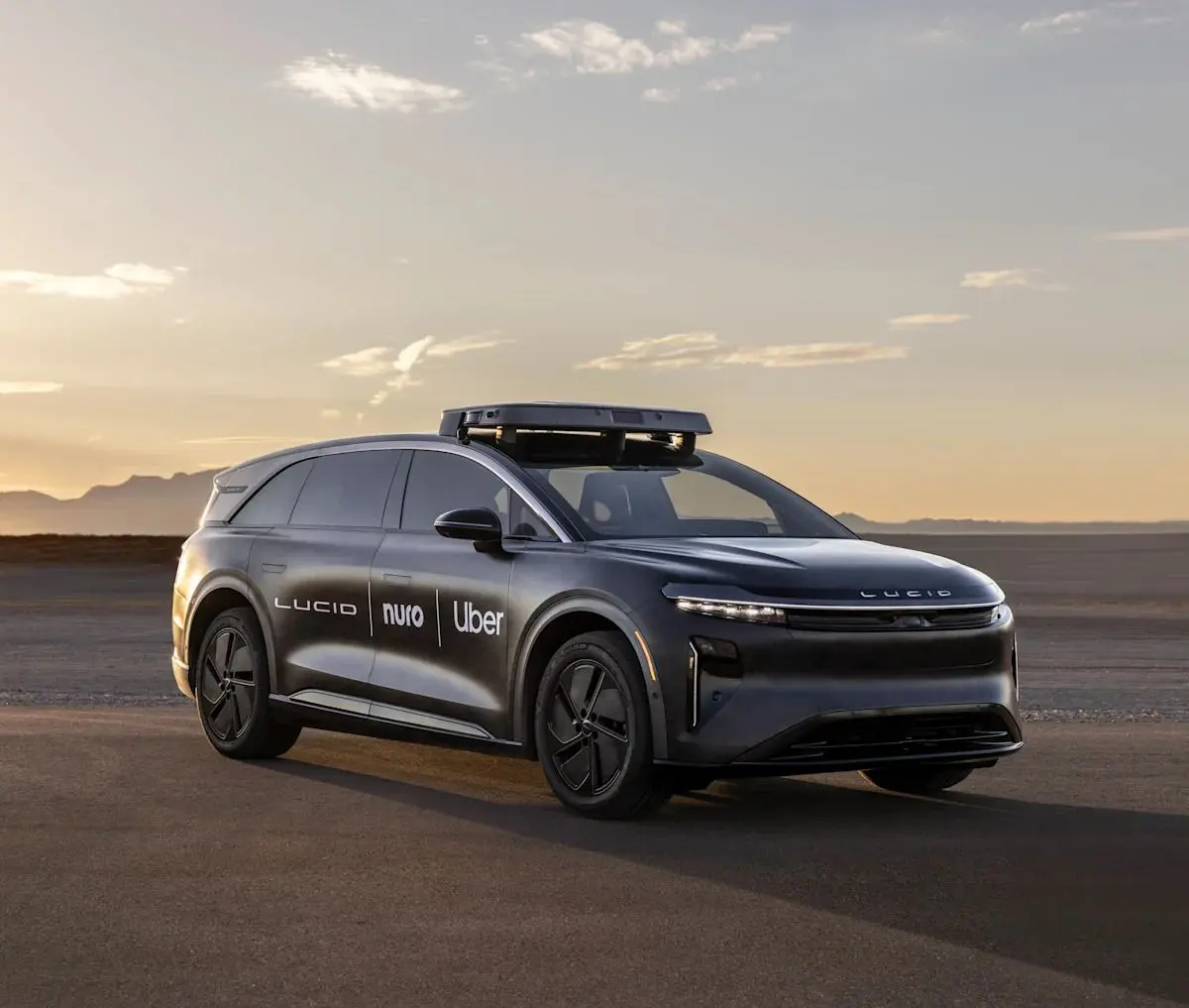
. Uber has also partnered with China's Baidu, Volkswagen, May Mobility, Pony AI, and struck a deal with Lucid Group and Nuro to deploy robotaxis built on Lucid vehicles powered by Nuro's self-driving software1
2
.To support these partnerships, Uber has built new infrastructure. In January, the company launched an "AV Labs" division dedicated to collecting real-world driving data to reinforce partners' autonomous systems
1
. In February, Uber announced a division called Uber Autonomous Solutions that provides operational, software, and support services1
.Regulatory Landscape Shifts as Market Leaders Emerge
While Uber expands its autonomous vehicle partnerships, Alphabet's Waymo remains the early leader in commercialization, operating the most advanced commercial robotaxi service with fully driverless rides in Phoenix, San Francisco, and Los Angeles
2
4
. Tesla's vast manufacturing scale and financial resources could reshape the competitive landscape as it pursues a camera-based approach to autonomy and plans to launch its own robotaxi service2
4
.At an autonomous vehicle safety hearing on March 10, NHTSA chief Jonathan Morrison signaled eagerness to advance regulatory frameworks for self-driving cars. "We think it's past time to get past the hand-waving and hype, and are finally doing the necessary, hard policy work to provide appropriate and robust oversight over this sector while removing unnecessary and unintended barriers to innovation," Morrison said
1
. This regulatory momentum could accelerate the deployment timeline for autonomous vehicles across the industry, benefiting Uber's platform strategy and its growing roster of robotaxi partners.References
Summarized by

Navi
Related Stories
Recent Highlights
1
Google releases Gemma 4 with Apache 2.0 license, enabling unrestricted local AI on devices
Technology

2
AI Models Lie and Deceive to Protect Other AI Models From Deletion, Study Reveals
Science and Research

3
OpenAI closes $122 billion funding round amid fierce AI competition and profitability questions
Startups

Recent Highlights
Today's Top Stories







Your Daily Dose of Curated AI News
Don’t drown in AI news. We cut through the noise - filtering, ranking and summarizing the most important AI news, breakthroughs and research daily. Spend less time searching for the latest in AI and get straight to action.

