Alibaba unveils XuanTie C950 AI chip engineered for agentic AI and multi-step task processing


2 Sources
2 Sources
[1]
Alibaba reveals new AI chip designed for 'agents'
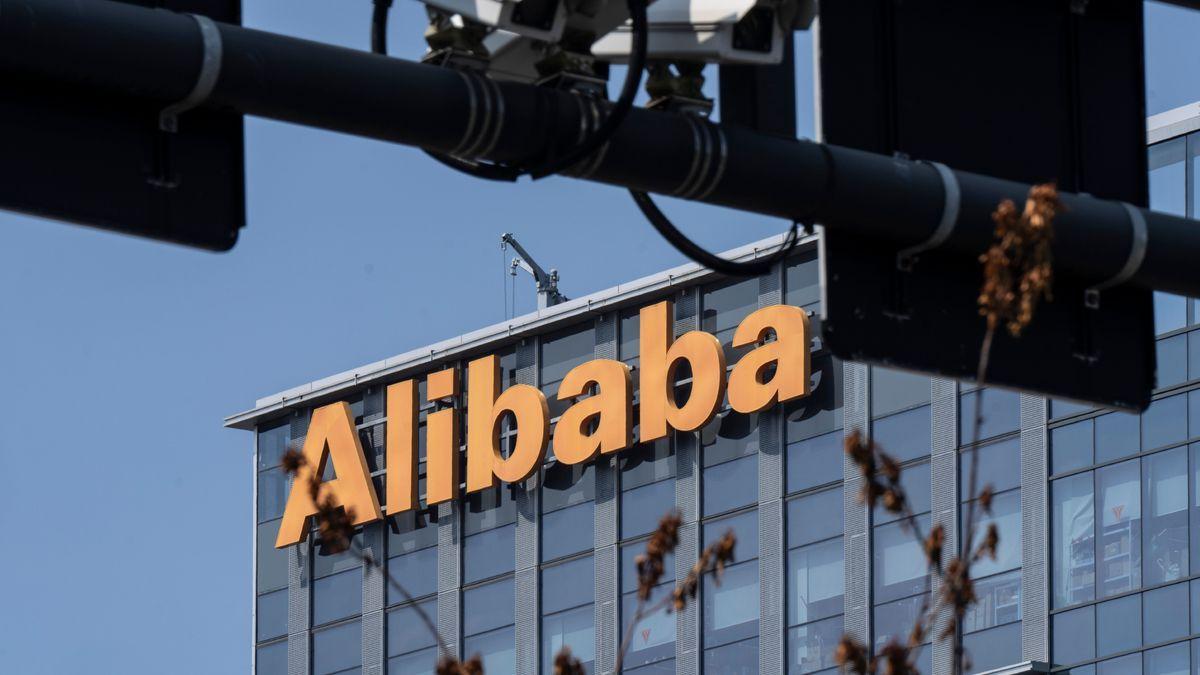
Alibaba on Tuesday announced a new chip designed for agentic capabilities as the Chinese tech giant steps up its semiconductor efforts to fuel its AI push. The XuanTie C950 is a type of chip called a central processing unit (CPU), which Alibaba said will be able to handle the processing of multi-step tasks carried out by AI agents. The term agent refers to an AI system that can carry out a task on behalf of users. The CPU will be installed in data centers and is designed for inferencing, the stage that allows for the actual running of AI models. When it comes to semiconductors and AI, much of the focus so far has been on graphics processing units, or GPUs, a category dominated by tech giant Nvidia. GPUs are critical for training huge AI models because they are able to run multiple calculations at once. Meanwhile, CPUs run general-purpose tasks sequentially, which is key in a world where agents are being designed to carry out specific actions. Alibaba's DAMO Academy, which developed the chip design, said the XuanTie CPUs "can be customized for specific inference patterns, supporting customers in tailoring the chips for their own use." The Chinese tech giant added that when compared to some mainstream products, its CPU achieves over 30% "improvement in performance thanks to its flexibility in customization for specific use cases." The XuanTie C950 is based on RISC-V architecture, which is a rival to the CPU blueprint created by British firm Arm. Companies pay Arm royalties to use its CPU design, whereas RISC-V is effectively a blueprint that can be used for free.
[2]
Alibaba develops next-gen chip for agentic AI, Chinese media says - The Economic Times
The 3.2 GHz server chip, built using open-source RISC-V chip architecture, was billed as "the highest performing RISC-V CPU in the world" at a conference hosted by DAMO Academy, Alibaba's research arm, according to the reports.Alibaba on Tuesday revealed its next-generation XuanTie C950 5-nanometer processor at an internal conference on Tuesday, local media reported, as the Chinese tech giant gears up for the shift towards agentic AI. The 3.2 GHz server chip, built using open-source RISC-V chip architecture, was billed as "the highest performing RISC-V CPU in the world" at a conference hosted by DAMO Academy, Alibaba's research arm, according to the reports. The chip performs more than three times faster than its predecessor, the XuanTie C920, the reports said. The company did not reveal which fab manufactured the chip. Alibaba did not immediately respond to an emailed request for comment. Alibaba is accelerating in-house chip development through its T-Head semiconductor arm, primarily focusing on the Zhenwu 810E chip series for AI training and inference, while the XuanTie series is focused on high-performance cloud systems and agentic AI. The move comes after Alibaba last week launched Wukong, its enterprise platform optimised for AI agent workflows, as companies and institutions throughout China adopt OpenClaw. Its international equivalent, Accio Work, was launched on Monday. The agentic AI platform says it can autonomously run complex business operations for small and medium-sized enterprises. The firm reorganised some of its AI-focused teams under the newly created Alibaba Token Hub earlier this month, which focuses on building AI work platforms for enterprises. The business strategy shift comes as Alibaba finds new ways to ensure profitability as Chinese AI models' token prices have dropped dramatically amid fierce domestic competition.
Share
Share
Copy Link
Alibaba introduced the XuanTie C950, a 5-nanometer CPU designed specifically for agentic AI capabilities. Built on open-source RISC-V architecture, the server chip delivers over 30% performance improvement and runs at 3.2 GHz. The move signals Alibaba's strategic shift toward AI agent workflows as it accelerates in-house chip development through its T-Head semiconductor arm.

Alibaba Introduces XuanTie C950 CPU for Agentic AI Capabilities
Alibaba has unveiled the XuanTie C950, a next-generation AI chip specifically engineered to handle the computational demands of agentic AI systems. The announcement came at a conference hosted by DAMO Academy, Alibaba's research arm, marking a significant step in the Chinese tech giant's in-house chip development strategy
1
. The central processing unit is designed to process multi-step tasks carried out by AI agents, autonomous systems capable of executing complex operations on behalf of users without constant human intervention.The 5-nanometer server chip operates at 3.2 GHz and was described as "the highest performing RISC-V CPU in the world" during its reveal
2
. Built on open-source RISC-V architecture, the XuanTie C950 represents a strategic departure from traditional CPU designs dominated by British firm Arm. While companies typically pay royalties to use Arm's CPU blueprint, RISC-V architecture offers a free alternative that provides greater customization flexibility for specific use cases.Performance Gains and Technical Specifications
Alibaba claims the XuanTie C950 delivers over 30% performance improvement compared to mainstream products, thanks to its ability to be customized for specific inference patterns
1
. The chip performs more than three times faster than its predecessor, the XuanTie C920, according to local media reports2
. The CPU will be installed in data centers and is designed specifically for AI inference, the stage that enables the actual running of AI models after training is complete.While much of the semiconductor industry's focus has centered on graphics processing units from companies like Nvidia, Alibaba's approach highlights the distinct role CPUs play in AI operations. GPUs excel at running multiple calculations simultaneously, making them critical for training large AI models. CPUs, however, run general-purpose tasks sequentially, which proves essential for AI agents designed to carry out specific, ordered actions. DAMO Academy emphasized that XuanTie CPUs "can be customized for specific inference patterns, supporting customers in tailoring the chips for their own use"
1
.Strategic Shift Toward AI Agent Workflows
The chip launch aligns with Alibaba's broader organizational pivot toward agentic AI platforms. Last week, the company launched Wukong, an enterprise platform optimized for AI agent workflows targeting Chinese companies and institutions. Its international equivalent, Accio Work, followed on Monday
2
. The agentic AI platform claims it can autonomously run complex business operations for small and medium-sized enterprises, reducing the need for constant human oversight.Alibaba accelerated its semiconductor efforts through T-Head, its chip development arm, which focuses on two primary product lines. The Zhenwu 810E chip series handles AI training and inference for general applications, while the XuanTie series targets high-performance cloud systems and agentic AI specifically
2
. Earlier this month, the company reorganized some AI-focused teams under the newly created Alibaba Token Hub, which concentrates on building AI work platforms for enterprises.Related Stories

Market Context and Future Implications
This business strategy shift comes as Alibaba seeks new profitability pathways amid intensifying domestic competition that has driven Chinese AI models' token prices down dramatically
2
. By developing specialized semiconductors for agentic AI, Alibaba positions itself to capture value across the technology stack rather than competing solely on model pricing. The company did not reveal which fabrication facility manufactured the chip, leaving questions about production partnerships and supply chain arrangements2
.The adoption of RISC-V architecture carries strategic significance beyond cost savings. As geopolitical tensions affect semiconductor supply chains, open-source chip designs offer Chinese tech companies greater autonomy and reduced dependency on Western technology licensing. Industry observers will be watching whether Alibaba's customization-focused approach to AI inference chips gains traction among enterprises deploying AI agents for workflow automation, customer service, and business process management.
References
Summarized by

Navi
Related Stories
Alibaba Develops AI Inference Chip Amid China's Push for Semiconductor Independence
28 Aug 2025•Technology

China's AI Chip Industry Gains Momentum with Alibaba's Major Deal
17 Sept 2025•Technology

Alibaba plans IPO for chip unit T-Head to bankroll $53B AI infrastructure push
22 Jan 2026•Business and Economy
Recent Highlights
1
Tennessee Teens Sue Elon Musk's xAI Over Grok AI-Generated Child Abuse Images
Policy and Regulation

2
Supermicro Co-Founder Indicted in $2.5 Billion Nvidia AI Chip Smuggling Scheme to China
Policy and Regulation
3
Val Kilmer to appear posthumously in As Deep as the Grave through AI-generated performance
Entertainment and Society

Recent Highlights
Today's Top Stories







Your Daily Dose of Curated AI News
Don’t drown in AI news. We cut through the noise - filtering, ranking and summarizing the most important AI news, breakthroughs and research daily. Spend less time searching for the latest in AI and get straight to action.

