Amazon secures first US-mined copper in decade as AI data centers strain global supply


3 Sources
3 Sources
[1]
Amazon buys first American-mined copper in a decade -- Arizona mine to fuel AWS AI data centers in seismic two-year deal
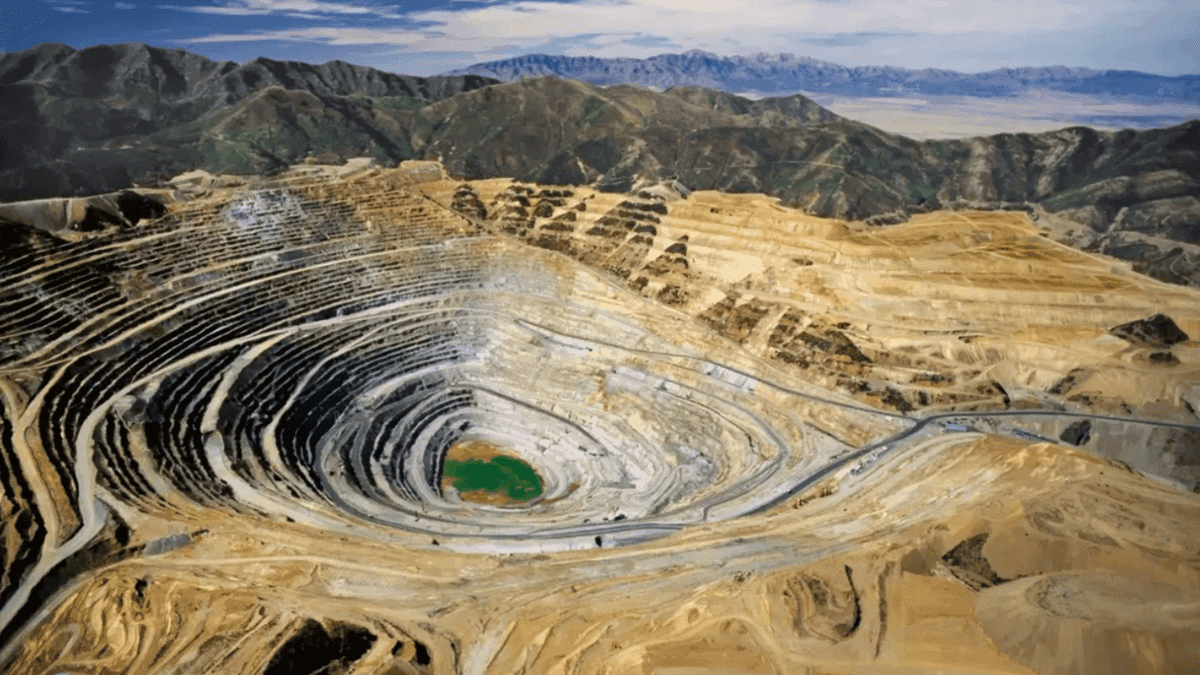
Nearly half of the copper will be mined using Rio Tinto's low-carbon Nuton process Amazon has struck a deal to buy up the first new U.S.-mined copper in more than a decade to fuel its AI data centers in the country, WSJ reports. The agreement, inked with Rio Tinto, will provide some of the copper using the mining company's innovative new Nuton Technology, which drastically reduces the mine-to-market chain. It follows multiple reports in 2025 that copper markets are feeling the pinch due to aggressive AI expansion, with industry watchers warning that only 70% of 2035 demand could be met. As WSJ notes, the copper will be sourced from Gunnison Copper's Johnson Camp mine in Arizona, a mine which has been restarted as a testbed for Rio Tinto's new method for opening up low-grade deposits. This Nuton Technology was deployed at an industrial scale at the Johnson Camp copper mine last month, according to Rio Tinto. "The process produces 99.99% pure copper cathode at the mine gate and removes the need for traditional concentrators, smelters and refineries, significantly shortening the mine-to-market supply chain," the company explains. The extraction method purportedly uses substantially less water and produces lower carbon emissions compared to conventional methods. According to WSJ, the new deal "will satisfy only a sliver of Amazon's needs." That's because each of Amazon's mammoth data centers require tens of thousands of tons of copper. The Arizona Nuton output is expected to be 14,000 metric tons in four years, according to the report, not even enough for one such facility. Rio Tinto notes that a further 16,000 tonnes will come from a conventional run-of-mine leaching pad. This will push the deal's output to nearly 30,000 tonnes, but ensures that less than half will be delivered using the more environmentally friendly method. "Amazon's Climate Pledge goal to reach net zero carbon by 2040 requires us to innovate across every part of our operations, including how we source the materials that power our infrastructure," its Chief Sustainability Officer, Kara Hurst, said. "This collaboration with Nuton Technology represents exactly the kind of breakthrough we need -- a fundamentally different approach to copper production that helps reduce carbon emissions and water use. As we continue to invest in next-generation carbon-free energy technology and expand our data centre operations, securing access to lower-carbon materials produced close to home strengthens both our supply chain resilience and our ability to decarbonize at scale."
[2]
Amazon's US copper deal looks big until you see how much AI actually needs
Only part of the deal relies on Rio Tinto's lower-carbon method As global copper demand continues to rise, Amazon Web Services has agreed to source newly mined copper from Rio Tinto's operations in Arizona, marking the first domestic copper supply in more than a decade. The material will come primarily from the Johnson Camp mine, which has restarted as a proving ground for Rio Tinto's Nuton bioleaching process. The agreement links copper output directly to US data center construction, where demand has risen sharply due to expanding compute infrastructure. Each hyperscale facility requires very large copper volumes, which raises questions about how much impact a single mine can realistically have. Nuton relies on naturally occurring microorganisms to extract copper from primary sulfide ores, avoiding several stages common in conventional processing. The method produces a copper cathode at the mine site, which reduces reliance on concentrators, smelters, and refineries. AWS infrastructure supports simulations of heap leach behavior and feeds analytics into operational decisions. These systems resemble those used to manage AI tools in large software environments, although their effectiveness depends on the quality and stability of geological input data rather than model sophistication alone. Rio Tinto claims Nuton uses less water and generates lower carbon emissions than standard concentrator routes, while enabling recovery from ore previously classed as waste. The process reportedly delivers 99.99% pure copper cathode, which simplifies downstream logistics. However, published projections indicate that only part of the total copper delivered under the deal will come from this method. Additional tonnage will be supplied through conventional run-of-mine leaching, which reduces the overall environmental benefit claimed for the collaboration. Over the next four years, Rio Tinto will produce around 14,000 metric tonnes of Nuton copper, with delivery nearing 30,000 tonnes once it includes conventional leaching. A single large data center can consume tens of thousands of tonnes on its own, which shows that the agreement covers only a small fraction of AWS demand. Beyond physical supply, the deal gives AWS an early foothold in upstream materials tied to AI-driven infrastructure growth. Copper remains essential for building the electrical systems that power data centers, which makes availability a practical constraint on large-scale AI deployments, including LLMs. "Amazon's Climate Pledge goal to reach net zero carbon by 2040 requires us to innovate across every part of our operations, including how we source the materials that power our infrastructure," said Amazon's Chief Sustainability Officer, Kara Hurst. "This collaboration with Nuton Technology represents exactly the kind of breakthrough we need -- a fundamentally different approach to copper production that helps reduce carbon emissions and water use. As we continue to invest in next-generation carbon-free energy technology and expand our data center operations, securing access to lower-carbon materials produced close to home strengthens both our supply chain resilience and our ability to decarbonize at scale."
[3]
Rio Tinto to supply copper to Amazon for AI data centers
Jan 15 (Reuters) - Rio Tinto said on Thursday it would supply copper that it leaches from an Arizona mine to Amazon.com for use in the tech giant's artificial intelligence data centers. The move underscores the rampant push by the AI industry for access to supplies of copper and other critical minerals that are used to build wiring, cables, circuit boards and other electronic parts. AI sector growth is expected to boost global copper demand 50% by 2040, although analysts have warned supplies could fall far short, sparking a rush to ensure access. Under the two-year agreement, companies that build parts for Amazon Web Services will use copper produced by Rio's Nuton leaching program from a mine owned by Gunnison Copper. The companies did not disclose financial terms or production volumes. Rio did not immediately respond to a Reuters request for comment. The Nuton technology uses bacteria that naturally produces heat when applied to certain types of rock, helping to extract copper. Rio has been studying leaching for more than 30 years. It named the leaching program "Nuton" after the 17th-century British scientist Isaac Newton, who first developed the theory of gravity. Freeport-McMoRan, the largest U.S. copper producer, has been using leach technology for years. It leached roughly 300 million pounds of copper last year and expects to leach 800 million pounds annually by 2030. Copper prices have climbed above $13,000 a metric ton on the London Metal Exchange -- a 40% increase in the past year -- as expectations of surging demand from AI-powered data centres collide with tight global supplies. Valued for its high electrical conductivity, copper is essential for power grids, electric vehicles and infrastructure critical to the energy transition. (Reporting by Yagnoseni Das in Bengaluru and Ernest Scheyder in Houston; Editing by Alan Barona)
Share
Share
Copy Link
Amazon has struck a two-year deal with Rio Tinto to source copper from Arizona's Johnson Camp mine, marking the first new domestic copper supply in over a decade. The agreement uses innovative low-carbon Nuton Technology to extract 14,000 metric tons, though this covers just a fraction of AWS needs as each hyperscale facility requires tens of thousands of tons. With copper demand expected to surge 50% by 2040 due to AI expansion, the deal highlights growing supply chain pressures.
Amazon Secures Rio Tinto Copper Deal for Expanding Infrastructure
Amazon has finalized an agreement with Rio Tinto to purchase US-mined copper from the Arizona Johnson Camp mine, representing the first new domestic copper supply in more than a decade
1
. The two-year deal addresses mounting copper demand driven by aggressive AI expansion, as companies that build parts for Amazon Web Services will use the material for AI data centers3
. The agreement comes as industry watchers warn that only 70% of 2035 demand could be met, with copper prices climbing above $13,000 per metric ton on the London Metal Exchange—a 40% increase in the past year3
.
Source: Market Screener
Low-Carbon Nuton Technology Reshapes Extraction Process
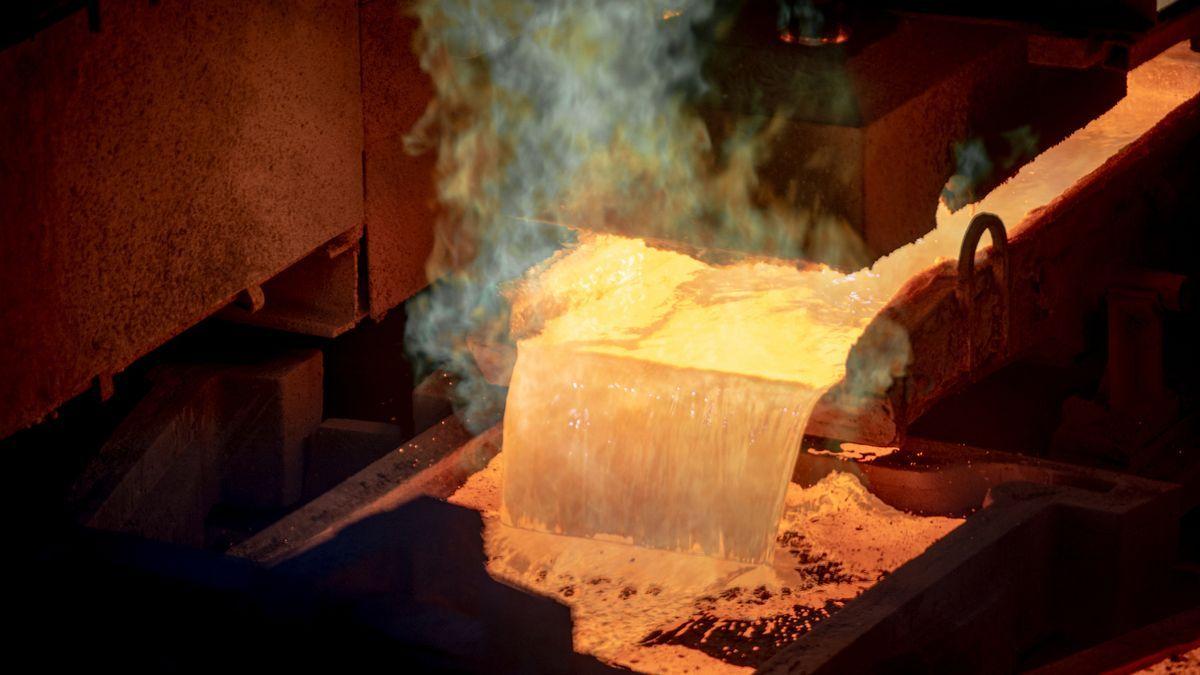
Nearly half of the copper will be extracted using Rio Tinto's low-carbon Nuton Technology, which relies on bioleaching through naturally occurring microorganisms applied to primary sulfide ores
2
. The process produces 99.99% pure copper cathode directly at the mine site, eliminating the need for traditional concentrators, smelters, and refineries1
. Rio Tinto deployed Nuton at industrial scale at the Johnson Camp mine last month, using bacteria that naturally produces heat when applied to certain rock types to extract copper3
. The extraction method uses substantially less water and generates lower carbon emissions compared to conventional methods, while enabling recovery from ore previously classified as waste2
.
Source: TechRadar
Supply Falls Short of Data Center Construction Needs
Despite the breakthrough, the deal will satisfy only a sliver of Amazon's requirements for data center construction
1
. Over four years, the Arizona Nuton output is expected to reach 14,000 metric tons, with an additional 16,000 tonnes from conventional run-of-mine leaching, bringing total delivery to nearly 30,000 tonnes1
. Each hyperscale facility requires tens of thousands of tons of copper for wiring, cables, circuit boards, and electrical systems that power compute infrastructure1
3
. This means the agreement covers only a small fraction of AWS demand, with less than half delivered using the more environmentally friendly Nuton method2
.
Source: Tom's Hardware
Related Stories


Supply Chain Resilience and Amazon's Climate Pledge Drive Strategy
Kara Hurst, Amazon's Chief Sustainability Officer, emphasized that "Amazon's Climate Pledge goal to reach net zero carbon by 2040 requires us to innovate across every part of our operations, including how we source the materials that power our infrastructure"
1
. She described the collaboration as "exactly the kind of breakthrough we need—a fundamentally different approach to copper production that helps reduce carbon emissions and water use"2
. Securing access to lower-carbon materials produced close to home strengthens both supply chain resilience and the ability to decarbonize at scale, particularly as the company invests in next-generation carbon-free energy technology1
.Upstream Materials Access Critical for AI Infrastructure Growth
Beyond physical supply, the deal gives AWS an early foothold in upstream materials tied to AI-driven infrastructure growth
2
. Valued for its high electrical conductivity, copper remains essential for power grids, electric vehicles, and infrastructure critical to the energy transition3
. AI sector growth is expected to boost global copper demand 50% by 2040, though analysts have warned that supply shortages could fall far short, sparking a rush to ensure access3
. Copper availability represents a practical constraint on large-scale AI deployments, including LLMs, making the material a strategic priority as tech companies race to build out compute capacity2
. The move underscores sustainability concerns while highlighting the gap between current mining capacity and the voracious appetite of modern AI infrastructure.References
Summarized by

Navi
[1]
[3]
Related Stories
Recent Highlights
1
Google Maps unveils Ask Maps with Gemini AI and 3D Immersive Navigation in biggest update
Technology

2
Three Tennessee teens sue xAI over Grok AI creating child sexual abuse material from real photos
Policy and Regulation

3
Meta plans to cut 20% of workforce as AI spending reaches $600 billion, mirroring broader tech trend
Business and Economy
Recent Highlights
Today's Top Stories



Your Daily Dose of Curated AI News
Don’t drown in AI news. We cut through the noise - filtering, ranking and summarizing the most important AI news, breakthroughs and research daily. Spend less time searching for the latest in AI and get straight to action.

