Copper shortage threatens AI data centers as demand collides with declining mine output


2 Sources
[1]
AI data-centre buildout pushes copper toward shortages, analysts warn -- only 70% of 2035 demand could be met, 2025 deficit thought to be 304,000 tonnes
Record demand from hyperscale campuses and grid expansion is colliding with slower mine output. Copper producers and market analysts are starting to outline a supply gap that arrives just as hyperscale AI campuses ramp toward record power draws. The International Energy Agency's latest critical
[2]
The hunt for copper to wire the AI boom
The metal lift clangs and rattles during its 10-minute journey down to "68 Level", over 2km beneath the scrubland near the Arizona town of Superior. Its passengers step out into what feels like warm rain, thanks to water in the area between 68 level and the surface. They wear hard hats,
Share
Copy Link
A looming copper shortage threatens to bottleneck AI infrastructure expansion as hyperscale data centers compete for limited supplies. Wood Mackenzie forecasts a 304,000-tonne deficit in 2025, with the International Energy Agency warning existing mines will meet only 70% of 2035 demand. Decreasing ore grades and permitting battles compound the supply crisis.
Copper Shortage Emerges as Critical Bottleneck for AI Infrastructure
The race to build hyperscale AI data centers is colliding with a deepening copper shortage that threatens to constrain the entire sector's growth trajectory. Wood Mackenzie projects a significant copper deficit of 304,000 tonnes of refined copper in 2025, with the gap expected to widen in 2026
1
. The International Energy Agency's latest critical minerals outlook paints an even starker picture, indicating that existing and planned mining operations will meet only about 70% of projected 2035 copper demand1
.This global copper shortage arrives precisely when AI infrastructure requires unprecedented volumes of the industrial metal. Large AI campuses now routinely operate at 50 to 150 megawatts, with industry estimates placing copper requirements at roughly 27 to 33 tonnes per megawatt of installed capacity
1
2
. A single 100-megawatt site can absorb several thousand tonnes before accounting for upstream grid expansion requirements. BHP case studies cite more than 2,000 tonnes for an 80-megawatt deployment1
, while the mining group estimates copper use in data centers worldwide will grow sixfold by 20502
.Surging Copper Demand Meets Aging Mine Infrastructure
The supply gap stems from multiple converging pressures beyond AI data centers. The green energy transition requires massive electrical infrastructure buildout, while global defense spending grew 9.4% to $2.7 trillion in 2024 according to Société Générale analysts
2
. Mining entrepreneur Robert Friedland notes that military requirements for copper are never publicly disclosed, suggesting hidden demand layers2
.Charles Cooper, head of copper research at Wood Mackenzie, told the Financial Times that hyperscalers building data centers are "outbidding grid suppliers on things like transformer units," creating intense pressure across the supply chain
1
2
. He emphasizes that "mining is the rate-determining step for the energy transition"2
.Decreasing Ore Grades Compound Production Challenges
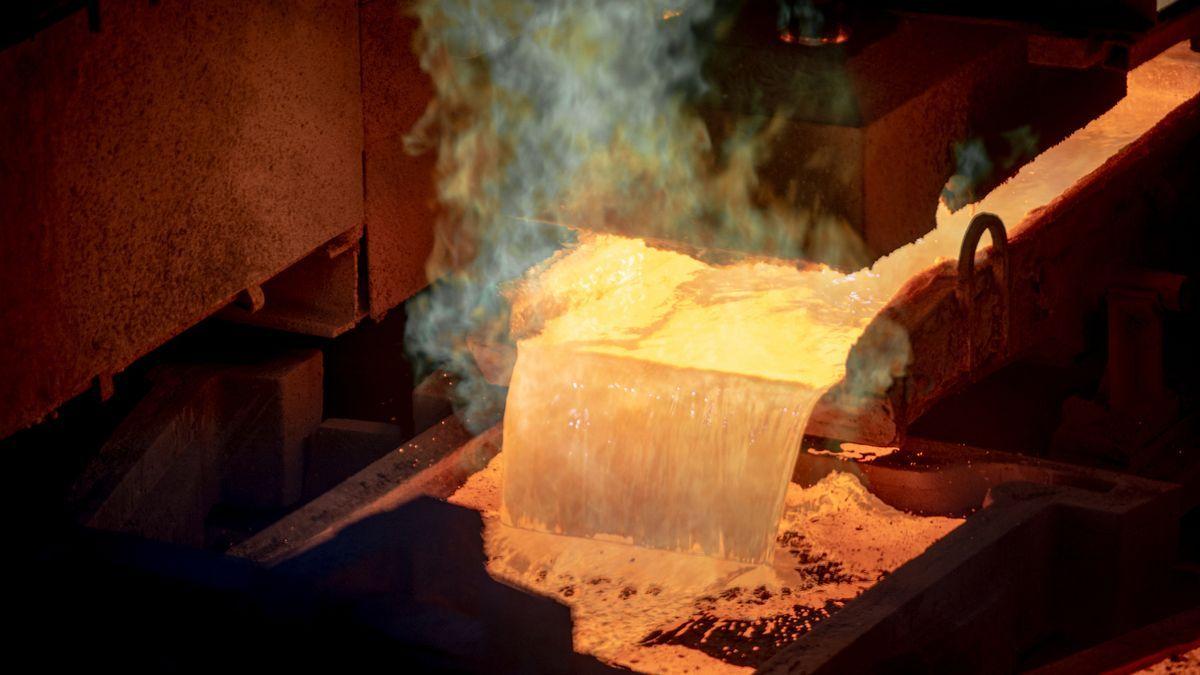
Existing mines face structural decline as decreasing ore grades have fallen approximately 40% since 1991
1
. Legacy operations are reporting lower output, forcing operators to either extend decades-old sites or navigate lengthy permitting issues to access newer deposits. Cooper observes that recent years have seen only a "trickle of new mines being built"2
.
Source: Tom's Hardware
Copper prices have responded to these constraints, climbing above $11,000 per tonne compared to around $8,500 two years ago
1
2
. JPMorgan analysts expect copper prices to remain elevated through 2026 as mine disruptions in South America and Southeast Asia coincide with rising industrial demand1
. Vineet Mehra, chief executive of IRH Global Trading, calls copper the "new gold" and predicts current price levels are "here to stay"2
.Related Stories

Resolution Copper Project Highlights Permitting Battles
New mining projects face formidable obstacles, illustrated by the Resolution Copper venture in Arizona involving BHP and Rio Tinto. The partners have spent more than $2 billion developing the site, which sits over 2 kilometers underground beneath Arizona's copper triangle
2
. The deposit contains an estimated 1.8 billion tonnes of copper and could meet up to a quarter of annual US copper demand over four decades2
.Yet production remains at least a decade away due to environmental issues and disputes with Native American communities. The deposit sits beneath land that some Apache tribal groups consider sacred. Terry Rambler, chair of the San Carlos Tribal Council, states the project would "forever change the landscape," emphasizing "this fight is not just for today, it's for 100 years from now"
2
. Although the U.S. Supreme Court cleared a procedural barrier in May, a federal appeals court froze the land-exchange process in August1
.Similar challenges plague major projects across Chile, Peru, and Indonesia, where accidents, drought restrictions, and community opposition have disrupted near-term supply
1
.Supply Chain Disruptions Force Industry Adaptation
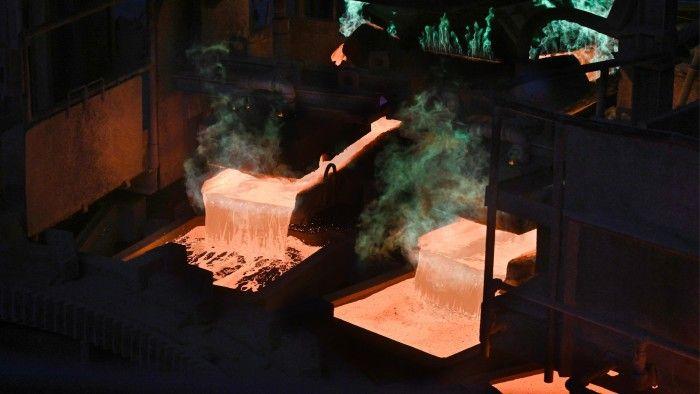
The market is leaning heavily on recycling, stockpiles, and incremental gains from existing operations. Urban-mining firms and large miners are reassessing waste piles that were not economically viable a decade ago, while smelters contend with ore shortages
1
. Policymakers in the U.S. and Europe have placed copper on updated critical minerals lists, with the Trump administration adding it to vital economic resources last month1
2
.
Source: FT
However, new smelting capacity remains scarce because facilities are expensive and slow to approve
1
. Tariffs are reshaping flows into the United States, with refined metal shipped ahead of new duties leaving domestic inventories swollen while tightening availability elsewhere1
. The technology sector's relative price insensitivity compared to traditional industrial consumers means hyperscale AI data centers will likely continue securing supplies even as costs rise, potentially accelerating the deficit for other sectors dependent on this critical industrial metal.References
Summarized by

Navi
[1]
Related Stories
BHP Group Warns of Copper Supply Shortage Amid AI and EV Demand Surge
16 Sept 2024

Copper prices hit record highs as AI boom collides with supply shortage and geopolitical tensions
14 May 2026•Business and Economy

Amazon secures first US-mined copper in decade as AI data centers strain global supply
16 Jan 2026•Business and Economy

Recent Highlights
1
Microsoft and Nvidia Launch Surface Laptop Ultra: A $2,599 AI-Ready PC With RTX Spark Chip
Technology

2
Meta Muse AI Agent Surges to 6.6M Downloads Despite Privacy and Security Controversies
Technology

3
Scientists Build AI Model That Reconstructs Images From Brain Scans in Record Time
Science and Research

Recent Highlights
Today's Top Stories









Don’t drown in AI news. We cut through the noise - filtering, ranking and summarizing the most important AI news, breakthroughs and research daily. Follow topics that matter to you and stay ahead.


