AMD Secures PlayStation 6 Chip Deal, Outmaneuvering Intel


9 Sources
9 Sources
[1]
AMD will once again be in charge of the new generation of consoles: agreement with Sony for the PlayStation 6 - Softonic
Sources claim that Sony considered giving the task to Intel, but ended up betting on AMD once again A week ago, Sony announced its long-awaited PlayStation 5 Pro, a mid-generation console that boasts a more powerful graphics chip, increased memory bandwidth, and an architecture better suited for ray tracing. Of course, the entire SoC is handled by AMD, as it has been for the last two generations (since PS4 and Xbox One). And from what we have learned now, AMD will once again be the company responsible for bringing the next PlayStation 6 to life, which is logical given the excellent results they have delivered over the past 11 years. In terms of APUs (a chip that integrates CPU + GPU) AMD has been years ahead of Intel. A Reuters report that has just been published focuses on Sony's plans beyond the new $700 system this fall, stating that the battle to secure a contract to manufacture the next chip, the one that will power the next PlayStation 6, came down to AMD versus Intel, with the red company ultimately winning. According to Reuters, since AMD manufactures the chip for the PS5 and PS5 Pro, maintaining backward compatibility in a possible move was part of months of discussions in 2022 between Sony and Intel executives and engineers. However, Intel's offer was blocked because they couldn't agree on the profit Intel would receive from each chip they designed, as Taiwan Semiconductor Manufacturing Co (TSMC) was responsible for the manufacturing process. In addition to the recent embarrassment caused by the Raptor Lake CPU failure, Intel has been a bystander in the rise of AI chips and has ceded the manufacturing of some next-generation technologies to TSMC while it attempts to rebuild its capabilities. The chip manufacturing division also accumulated losses of 7 billion dollars last year, and last month the company announced 15,000 layoffs. Meanwhile, its upcoming chip plant in Ohio has been delayed, although it has managed to secure Microsoft as a customer for its advanced 18A chip process. Although AMD has also been trailing behind Nvidia's leadership in the AI chip and flagship GPU market, its data center products now represent more than half of its sales and they are going to focus on artificial intelligence for the future, as we mentioned a few days ago.
[2]
Intel Missed Out on PlayStation 6 Chip Deal to AMD: Report - Sony Gr (NYSE:SONY), Intel (NASDAQ:INTC), Advanced Micro Devices (NASDAQ:AMD)
AMD's PlayStation 6 chip deal builds on its previous success with PlayStation 5, boosting its competitive edge over Intel. In 2022, Intel Corp INTC lost out to Advanced Micro Devices AMD, a multiyear Sony Group Corp SONY PlayStation 6 chip deal, according to a Reuters exclusive report. The sources told Reuters that tapping Intel would have posed backward compatibility issues, entailing higher costs and engineering resources, as AMD made the PlayStation 5 chip. Intel fell out with Sony by failing to quote an appropriate selling price per chip after factoring in its profit share per chip sold to the PlayStation maker, the sources told Reuters. Also Read: Google Picks Taiwan Semiconductor For Pixel Chips, Samsung Loses Key Deal: Report According to Reuters, the five-year deal involving contract chipmaker Taiwan Semiconductor Manufacturing Co TSM could have contributed $30 billion to Intel. Since its release in 2020, the PlayStation 5 has sold over 59 million units, marking a respite for significant console makers, which faced double-digit percentage declines in May 2024. Sony is eying an upgraded, premium version dubbed PlayStation 5 Pro before the holiday season. Sony's fiscal first-quarter 2024 topline growth was 2% to $19.3 billion, beating the consensus of $17.19 billion. Game & Network Services (G&NS) revenue increased 12%. Intel stock has been down over 48% in the last 12 months as it has failed to capitalize on the artificial intelligence shift. This has forced it to weigh strategic options for Israeli autonomous driving company Mobileye Global Inc MBLY and its Enterprise Networking division. The contract chipmaker bagged two wins in September, including $1.91 billion in Polish state grants for a new chip plant in the country and a $3.5 billion deal to manufacture semiconductors for the U.S. military. AMD stock is up 49% in the last 12 months as it succeeded in tapping the AI frenzy while maneuvering its position versus Nvidia Corp NVDA. Price Actions: INTC stock closed higher by 6.36% to $20.91 on Monday. AMD closed at $152.08. Photo via Shutterstock Market News and Data brought to you by Benzinga APIs
[3]
How Intel lost the Sony PlayStation business
Intel missed out on a significant contract to design and fabricate the chip for Sony's PlayStation 6, which was awarded to rival AMD. The deal, if secured, could have brought billions in revenue and bolstered Intel's fledgling contract manufacturing business. Intel lost out on a contract to design and fabricate Sony's PlayStation 6 chip in 2022, which dealt a significant blow to its effort to build its fledgling contract manufacturing business, according to three sources with knowledge of the events. The effort by Intel to win out over Advanced Micro Devices in a competitive bidding process to supply the design for the forthcoming PlayStation 6 chip and Taiwan Semiconductor Manufacturing Co as the contract manufacturer would have amounted to billions of dollars of revenue and fabricating thousands of silicon wafers a month, two sources said. Intel and AMD were the final two contenders in the bidding process for the contract. Winning the Sony PlayStation 6 chip design business would have been a victory for Intel's design segment and would have doubled as a win for the company's contract manufacturing effort, or foundry business, which was the centerpiece of Intel CEO Pat Gelsinger's turnaround plan. Gelsinger announced plans for Intel to create a foundry unit in 2021 and formally launched it at an event in San Jose, California, in February of this year. The PlayStation chip deal originated in Intel's design segment, but would have been a boon to the financial performance of the foundry business after this year's separation. Details of the discussions and how Intel missed out on the contract for Sony's as-yet-unannounced next-generation game console are reported here for the first time. Typically, Sony consoles sell more than 100 million units across a half decade. For a chip designer, the console business delivers a lower profit than the gross margins of more than 50% for products like artificial intelligence chips, but nonetheless represents steady business that can profit from technology a company has already developed. Sony's business also could have helped boost Intel's contract manufacturing business, which now struggles to find big new clients. A dispute over how much profit Intel stood to take from each chip sold to the Japanese electronics giant blocked Intel from settling on the price with Sony, according to two of the sources. Instead, rival AMD landed the contract through a competitive bidding process that eliminated others such as Broadcom, until only Intel and AMD remained. Discussions between Sony and Intel took months in 2022, and included meetings between the two companies' CEOs, dozens of engineers and executives. In response to Reuters reporting about the PlayStation 6 talks and Intel's failure to win the business, an Intel spokesperson said: "We strongly disagree with this characterization but are not going to comment about any current or potential customer conversations. We have a very healthy customer pipeline across both our product and foundry business, and we are squarely focused on innovating to meet their needs." Sony and Broadcom did not respond to requests for comment. AMD declined to comment. BACKWARDS COMPATIBILITY The current generation of Sony's PlayStation consoles are powered by custom chips with a design contract fulfilled by AMD. Sony announced the PlayStation 5 Pro last week, but has not yet unveiled the next generation. Years after its 2020 launch, Sony said it sold 20.8 million of the first-generation PlayStation 5 systems in fiscal 2023. Similar to how big tech companies like Google and Amazon rely on outside vendors to help design and manufacture custom AI chips, Sony relies on experienced design contractors to make the processors for systems. Console chip designs typically try to ensure compatibility with earlier versions of the system, to allow users to run older games on the new hardware. Moving from AMD, which made the PlayStation 5 chip, to Intel would have risked backwards compatibility, which was a subject of discussion between Intel and Sony engineers and executives, the sources said. Ensuring backward compatibility with prior versions of the PlayStation would have been costly and taken engineering resources. Allowing PlayStation users to play games they have purchased for older systems is a feature Sony often includes in a next-generation system. Having missed the first wave of the AI boom dominated by Nvidia and AMD, Intel reported a disastrous second quarter in August. Intel announced plans to cut 15% of its workforce to save $10 billion and has prepared a plan to reduce its capital spending on factory expansion that was a cornerstone to its foundry strategy. SEEKING A MARQUEE CUSTOMER The sudden departure of Lip-Bu Tan, a high-profile board member, over differences in Intel's future, added to the company's challenges as Gelsinger and other Intel executives presented plans to the board at a meeting last week, multiple sources said. Reuters reported early this month on the planned board meeting, citing a source familiar with the board discussions. The potential plans include ideas on how to shave off businesses Intel can no longer afford to operate, Reuters reported. Executives are also expected to debate the future of Intel's programmable chip unit Altera, including a potential sale, and its manufacturing expansion in Germany. Intel split its design and manufacturing operations under Gelsinger's tenure, and has reported financial results separately since the first calendar quarter this year. In April, the company disclosed $7 billion in operating losses for the manufacturing businesses. Intel has struggled to find a marquee customer it can publicly talk about for the first manufacturing process, known as 18A, open to other companies. If Intel had won the PlayStation 6 chip, it could have occupied its foundry unit for more than five years, two of the sources said. Sony's console business could have pumped roughly $30 billion into Intel over the course of the contract, according to Intel's internal projections, two of the sources said. The PlayStation 2 sold roughly 150 million units since its launch in 2000. A long-term Sony contract would have helped bring in big new clients for Intel's contract manufacturing effort, two sources said, as Intel continues to struggle with attracting customers to its advanced 18A process. (Reporting by Max A. Cherney in San Francisco; editing by Kenneth Li, Deepa Babington and Leslie Adler)
[4]
Exclusive: How Intel lost the Sony PlayStation business
SAN FRANCISCO, Sept 16 (Reuters) - Intel (INTC.O), opens new tab lost out on a contract to design and fabricate Sony's PlayStation 6 chip in 2022, which dealt a significant blow to its effort to build its fledgling contract manufacturing business, according to three sources with knowledge of the events. The effort by Intel to win out over Advanced Micro Devices (AMD.O), opens new tab in a competitive bidding process to supply the design for the forthcoming PlayStation 6 chip and Taiwan Semiconductor Manufacturing Co (2330.TW), opens new tab as the contract manufacturer would have amounted to billions of dollars of revenue and fabricating thousands of silicon wafers a month, two sources said. Advertisement · Scroll to continue Intel and AMD were the final two contenders in the bidding process for the contract. Winning the Sony (6758.T), opens new tab PlayStation 6 chip design business would have been a victory for Intel's design segment and would have doubled as a win for the company's contract manufacturing effort, or foundry business, which was the centerpiece of Intel CEO Pat Gelsinger's turnaround plan. Gelsinger announced plans for Intel to create a foundry unit in 2021 and formally launched it at an event in San Jose, California, in February of this year. The PlayStation chip deal originated in Intel's design segment, but would have been a boon to the financial performance of the foundry business after this year's separation. Advertisement · Scroll to continue Details of the discussions and how Intel missed out on the contract for Sony's as-yet-unannounced next-generation game console are reported here for the first time. Typically, Sony consoles sell more than 100 million units across a half decade. For a chip designer, the console business delivers a lower profit than the gross margins of more than 50% for products like artificial intelligence chips, but nonetheless represents steady business that can profit from technology a company has already developed. Sony's business also could have helped boost Intel's contract manufacturing business, which now struggles to find big new clients. A dispute over how much profit Intel stood to take from each chip sold to the Japanese electronics giant blocked Intel from settling on the price with Sony, according to two of the sources. Instead, rival AMD landed the contract through a competitive bidding process that eliminated others such as Broadcom (AVGO.O), opens new tab, until only Intel and AMD remained. Discussions between Sony and Intel took months in 2022, and included meetings between the two companies' CEOs, dozens of engineers and executives. In response to Reuters reporting about the PlayStation 6 talks and Intel's failure to win the business, an Intel spokesperson said: "We strongly disagree with this characterization but are not going to comment about any current or potential customer conversations. We have a very healthy customer pipeline across both our product and foundry business, and we are squarely focused on innovating to meet their needs." Sony and Broadcom did not respond to requests for comment. AMD declined to comment. BACKWARDS COMPATIBILITY The current generation of Sony's PlayStation consoles are powered by custom chips with a design contract fulfilled by AMD. Sony announced the PlayStation 5 Pro last week, but has not yet unveiled the next generation. Years after its 2020 launch, Sony said it sold 20.8 million of the first-generation PlayStation 5 systems in fiscal 2023. Similar to how big tech companies like Google (GOOGL.O), opens new tab and Amazon (AMZN.O), opens new tab rely on outside vendors to help design and manufacture custom AI chips, Sony relies on experienced design contractors to make the processors for systems. Console chip designs typically try to ensure compatibility with earlier versions of the system, to allow users to run older games on the new hardware. Moving from AMD, which made the PlayStation 5 chip, to Intel would have risked backwards compatibility, which was a subject of discussion between Intel and Sony engineers and executives, the sources said. Ensuring backward compatibility with prior versions of the PlayStation would have been costly and taken engineering resources. Allowing PlayStation users to play games they have purchased for older systems is a feature Sony often includes in a next-generation system. Having missed the first wave of the AI boom dominated by Nvidia (NVDA.O), opens new tab and AMD, Intel reported a disastrous second quarter in August. Intel announced plans to cut 15% of its workforce to save $10 billion and has prepared a plan to reduce its capital spending on factory expansion that was a cornerstone to its foundry strategy. SEEKING A MARQUEE CUSTOMER The sudden departure of Lip-Bu Tan, a high-profile board member, over differences in Intel's future, added to the company's challenges as Gelsinger and other Intel executives presented plans to the board at a meeting last week, multiple sources said. Reuters reported early this month on the planned board meeting, citing a source familiar with the board discussions. The potential plans include ideas on how to shave off businesses Intel can no longer afford to operate, Reuters reported. Executives are also expected to debate the future of Intel's programmable chip unit Altera, including a potential sale, and its manufacturing expansion in Germany. Intel split its design and manufacturing operations under Gelsinger's tenure, and has reported financial results separately since the first calendar quarter this year. In April, the company disclosed $7 billion in operating losses for the manufacturing businesses. Intel has struggled to find a marquee customer it can publicly talk about for the first manufacturing process, known as 18A, open to other companies. If Intel had won the PlayStation 6 chip, it could have occupied its foundry unit for more than five years, two of the sources said. Sony's console business could have pumped roughly $30 billion into Intel over the course of the contract, according to Intel's internal projections, two of the sources said. The PlayStation 2 sold roughly 150 million units since its launch in 2000. A long-term Sony contract would have helped bring in big new clients for Intel's contract manufacturing effort, two sources said, as Intel continues to struggle with attracting customers to its advanced 18A process. Reporting by Max A. Cherney in San Francisco; editing by Kenneth Li, Deepa Babington and Leslie Adler Our Standards: The Thomson Reuters Trust Principles., opens new tab
[5]

How losing Sony's PlayStation 6 deal to AMD may have dealt another 'big blow' to Intel - Times of India
Intel lost out on a contract to design and manufacture the chip for Sony's upcoming PlayStation 6 console in 2022, dealing a significant setback to its fledgling contract manufacturing business, Reuters reported, citing three sources familiar with the matter. The contract, which could have generated approximately $30 billion in revenue for Intel, was awarded to rival Advanced Micro Devices (AMD) after a competitive bidding process that eliminated other contenders such as Broadcom, according to the sources. Intel and AMD were the final two contenders for the lucrative deal, which would have involved designing the chip for the forthcoming PlayStation 6 and using Taiwan Semiconductor Manufacturing Co (TSMC) as the contract manufacturer. The business would have amounted to fabricating thousands of silicon wafers a month, two sources told Reuters. The loss represents a missed opportunity for Intel CEO Pat Gelsinger's turnaround plan, which centred on creating a foundry unit. Gelsinger announced plans for Intel's contract manufacturing effort in 2021 and formally launched it in February 2024. According to Reuters, the deal fell through due to disagreements over profit margins, despite months of negotiations that included meetings between the CEOs, executives, and dozens of engineers from both companies. Sources said winning the PlayStation 6 chip contract would have provided Intel with a steady stream of business, potentially occupying its foundry unit for over five years. The deal could have also helped attract other major clients to Intel's advanced 18A manufacturing process. The setback comes at a challenging time for Intel, which recently announced plans to cut 15% of its workforce and reduce capital spending on factory expansion. The company reported $7 billion in operating losses for its manufacturing businesses in the first quarter of this year. Sony has not yet officially announced the PlayStation 6. The company recently unveiled the PlayStation 5 Pro and reported sales of 20.8 million first-generation PlayStation 5 systems in fiscal 2023. Typically, Sony consoles sell more than 100 million units across half a decade. The PlayStation 2, launched in 2000, sold approximately 150 million units over its lifetime. Intel, Sony, and Broadcom did not respond to requests for comment, while AMD declined to comment, Reuters reported. The TOI Tech Desk is a dedicated team of journalists committed to delivering the latest and most relevant news from the world of technology to readers of The Times of India. TOI Tech Desk's news coverage spans a wide spectrum across gadget launches, gadget reviews, trends, in-depth analysis, exclusive reports and breaking stories that impact technology and the digital universe. Be it how-tos or the latest happenings in AI, cybersecurity, personal gadgets, platforms like WhatsApp, Instagram, Facebook and more; TOI Tech Desk brings the news with accuracy and authenticity.
[6]

How Intel lost the Sony PlayStation business
The headquarters of Intel Corporation in Santa Clara, California. -- Reuters file Intel lost out on a contract to design and fabricate Sony's PlayStation 6 chip in 2022, which dealt a significant blow to its effort to build its fledgling contract manufacturing business, according to three sources with knowledge of the events. The effort by Intel to win out over Advanced Micro Devices in a competitive bidding process to supply the design for the forthcoming PlayStation 6 chip and Taiwan Semiconductor Manufacturing Co as the contract manufacturer would have amounted to billions of dollars of revenue and fabricating thousands of silicon wafers a month, two sources said. Intel and AMD were the final two contenders in the bidding process for the contract. Winning the Sony PlayStation 6 chip design business would have been a victory for Intel's design segment and would have doubled as a win for the company's contract manufacturing effort, or foundry business, which was the centrepiece of Intel CEO Pat Gelsinger's turnaround plan. Gelsinger announced plans for Intel to create a foundry unit in 2021 and formally launched it at an event in San Jose, California, in February of this year. The PlayStation chip deal originated in Intel's design segment, but would have been a boon to the financial performance of the foundry business after this year's separation. Details of the discussions and how Intel missed out on the contract for Sony's as-yet-unannounced next-generation game console are reported here for the first time. Typically, Sony consoles sell more than 100 million units across a half decade. For a chip designer, the console business delivers a lower profit than the gross margins of more than 50 per cent for products like artificial intelligence chips, but nonetheless represents steady business that can profit from technology a company has already developed. Sony's business also could have helped boost Intel's contract manufacturing business, which now struggles to find big new clients. A dispute over how much profit Intel stood to take from each chip sold to the Japanese electronics giant blocked Intel from settling on the price with Sony, according to two of the sources. Instead, rival AMD landed the contract through a competitive bidding process that eliminated others such as Broadcom, until only Intel and AMD remained. Discussions between Sony and Intel took months in 2022, and included meetings between the two companies' CEOs, dozens of engineers and executives. In response to Reuters reporting about the PlayStation 6 talks and Intel's failure to win the business, an Intel spokesperson said: "We strongly disagree with this characterization but are not going to comment about any current or potential customer conversations. We have a very healthy customer pipeline across both our product and foundry business, and we are squarely focused on innovating to meet their needs." Sony and Broadcom did not respond to requests for comment. AMD declined to comment. Backwards compatibility The current generation of Sony's PlayStation consoles are powered by custom chips with a design contract fulfilled by AMD. Sony announced the PlayStation 5 Pro last week, but has not yet unveiled the next generation. Years after its 2020 launch, Sony said it sold 20.8 million of the first-generation PlayStation 5 systems in fiscal 2023. A long-term Sony contract would have helped bring in big new clients for Intel's contract manufacturing effort, two sources said, as Intel continues to struggle with attracting customers to its advanced 18A process.
[7]

Exclusive-How Intel lost the Sony PlayStation business
SAN FRANCISCO (Reuters) - Intel lost out on a contract to design and fabricate Sony's PlayStation 6 chip in 2022, which dealt a significant blow to its effort to build its fledgling contract manufacturing business, according to three sources with knowledge of the events. The effort by Intel to win out over Advanced Micro Devices in a competitive bidding process to supply the design for the forthcoming PlayStation 6 chip and Taiwan Semiconductor Manufacturing Co as the contract manufacturer would have amounted to billions of dollars of revenue and fabricating thousands of silicon wafers a month, two sources said. Intel and AMD were the final two contenders in the bidding process for the contract. Winning the Sony PlayStation 6 chip design business would have been a victory for Intel's design segment and would have doubled as a win for the company's contract manufacturing effort, or foundry business, which was the centerpiece of Intel CEO Pat Gelsinger's turnaround plan. Gelsinger announced plans for Intel to create a foundry unit in 2021 and formally launched it at an event in San Jose, California, in February of this year. The PlayStation chip deal originated in Intel's design segment, but would have been a boon to the financial performance of the foundry business after this year's separation. Details of the discussions and how Intel missed out on the contract for Sony's as-yet-unannounced next-generation game console are reported here for the first time. Typically, Sony consoles sell more than 100 million units across a half decade. For a chip designer, the console business delivers a lower profit than the gross margins of more than 50% for products like artificial intelligence chips, but nonetheless represents steady business that can profit from technology a company has already developed. Sony's business also could have helped boost Intel's contract manufacturing business, which now struggles to find big new clients. A dispute over how much profit Intel stood to take from each chip sold to the Japanese electronics giant blocked Intel from settling on the price with Sony, according to two of the sources. Instead, rival AMD landed the contract through a competitive bidding process that eliminated others such as Broadcom, until only Intel and AMD remained. Discussions between Sony and Intel took months in 2022, and included meetings between the two companies' CEOs, dozens of engineers and executives. In response to Reuters reporting about the PlayStation 6 talks and Intel's failure to win the business, an Intel spokesperson said: "We strongly disagree with this characterization but are not going to comment about any current or potential customer conversations. We have a very healthy customer pipeline across both our product and foundry business, and we are squarely focused on innovating to meet their needs." Sony and Broadcom did not respond to requests for comment. AMD declined to comment. BACKWARDS COMPATIBILITY The current generation of Sony's PlayStation consoles are powered by custom chips with a design contract fulfilled by AMD. Sony announced the PlayStation 5 Pro last week, but has not yet unveiled the next generation. Years after its 2020 launch, Sony said it sold 20.8 million of the first-generation PlayStation 5 systems in fiscal 2023. Similar to how big tech companies like Google and Amazon rely on outside vendors to help design and manufacture custom AI chips, Sony relies on experienced design contractors to make the processors for systems. Console chip designs typically try to ensure compatibility with earlier versions of the system, to allow users to run older games on the new hardware. Moving from AMD, which made the PlayStation 5 chip, to Intel would have risked backwards compatibility, which was a subject of discussion between Intel and Sony engineers and executives, the sources said. Ensuring backward compatibility with prior versions of the PlayStation would have been costly and taken engineering resources. Allowing PlayStation users to play games they have purchased for older systems is a feature Sony often includes in a next-generation system. Having missed the first wave of the AI boom dominated by Nvidia and AMD, Intel reported a disastrous second quarter in August. Intel announced plans to cut 15% of its workforce to save $10 billion and has prepared a plan to reduce its capital spending on factory expansion that was a cornerstone to its foundry strategy. SEEKING A MARQUEE CUSTOMER The sudden departure of Lip-Bu Tan, a high-profile board member, over differences in Intel's future, added to the company's challenges as Gelsinger and other Intel executives presented plans to the board at a meeting last week, multiple sources said. Reuters reported early this month on the planned board meeting, citing a source familiar with the board discussions. The potential plans include ideas on how to shave off businesses Intel can no longer afford to operate, Reuters reported. Executives are also expected to debate the future of Intel's programmable chip unit Altera, including a potential sale, and its manufacturing expansion in Germany. Intel split its design and manufacturing operations under Gelsinger's tenure, and has reported financial results separately since the first calendar quarter this year. In April, the company disclosed $7 billion in operating losses for the manufacturing businesses. Intel has struggled to find a marquee customer it can publicly talk about for the first manufacturing process, known as 18A, open to other companies. If Intel had won the PlayStation 6 chip, it could have occupied its foundry unit for more than five years, two of the sources said. Sony's console business could have pumped roughly $30 billion into Intel over the course of the contract, according to Intel's internal projections, two of the sources said. The PlayStation 2 sold roughly 150 million units since its launch in 2000. A long-term Sony contract would have helped bring in big new clients for Intel's contract manufacturing effort, two sources said, as Intel continues to struggle with attracting customers to its advanced 18A process. (Reporting by Max A. Cherney in San Francisco; editing by Kenneth Li, Deepa Babington and Leslie Adler)
[8]

Exclusive-How Intel lost the Sony PlayStation business
Intel and AMD were the final two contenders in the bidding process for the contract. Winning the Sony PlayStation 6 chip design business would have been a victory for Intel's design segment and would have doubled as a win for the company's contract manufacturing effort, or foundry business, which was the centerpiece of Intel CEO Pat Gelsinger's turnaround plan. Gelsinger announced plans for Intel to create a foundry unit in 2021 and formally launched it at an event in San Jose, California, in February of this year. The PlayStation chip deal originated in Intel's design segment, but would have been a boon to the financial performance of the foundry business after this year's separation. Details of the discussions and how Intel missed out on the contract for Sony's as-yet-unannounced next-generation game console are reported here for the first time. Typically, Sony consoles sell more than 100 million units across a half decade. For a chip designer, the console business delivers a lower profit than the gross margins of more than 50% for products like artificial intelligence chips, but nonetheless represents steady business that can profit from technology a company has already developed. Sony's business also could have helped boost Intel's contract manufacturing business, which now struggles to find big new clients. A dispute over how much profit Intel stood to take from each chip sold to the Japanese electronics giant blocked Intel from settling on the price with Sony, according to two of the sources. Instead, rival AMD landed the contract through a competitive bidding process that eliminated others such as Broadcom, until only Intel and AMD remained. Discussions between Sony and Intel took months in 2022, and included meetings between the two companies' CEOs, dozens of engineers and executives. In response to Reuters reporting about the PlayStation 6 talks and Intel's failure to win the business, an Intel spokesperson said: "We strongly disagree with this characterization but are not going to comment about any current or potential customer conversations. We have a very healthy customer pipeline across both our product and foundry business, and we are squarely focused on innovating to meet their needs." Sony and Broadcom did not respond to requests for comment. AMD declined to comment. BACKWARDS COMPATIBILITY The current generation of Sony's PlayStation consoles are powered by custom chips with a design contract fulfilled by AMD. Sony announced the PlayStation 5 Pro last week, but has not yet unveiled the next generation. Years after its 2020 launch, Sony said it sold 20.8 million of the first-generation PlayStation 5 systems in fiscal 2023. Similar to how big tech companies like Google and Amazon rely on outside vendors to help design and manufacture custom AI chips, Sony relies on experienced design contractors to make the processors for systems. Console chip designs typically try to ensure compatibility with earlier versions of the system, to allow users to run older games on the new hardware. Moving from AMD, which made the PlayStation 5 chip, to Intel would have risked backwards compatibility, which was a subject of discussion between Intel and Sony engineers and executives, the sources said. Ensuring backward compatibility with prior versions of the PlayStation would have been costly and taken engineering resources. Allowing PlayStation users to play games they have purchased for older systems is a feature Sony often includes in a next-generation system. Having missed the first wave of the AI boom dominated by Nvidia and AMD, Intel reported a disastrous second quarter in August. Intel announced plans to cut 15% of its workforce to save $10 billion and has prepared a plan to reduce its capital spending on factory expansion that was a cornerstone to its foundry strategy. SEEKING A MARQUEE CUSTOMER The sudden departure of Lip-Bu Tan, a high-profile board member, over differences in Intel's future, added to the company's challenges as Gelsinger and other Intel executives presented plans to the board at a meeting last week, multiple sources said. Reuters reported early this month on the planned board meeting, citing a source familiar with the board discussions. The potential plans include ideas on how to shave off businesses Intel can no longer afford to operate, Reuters reported. Executives are also expected to debate the future of Intel's programmable chip unit Altera, including a potential sale, and its manufacturing expansion in Germany. Intel split its design and manufacturing operations under Gelsinger's tenure, and has reported financial results separately since the first calendar quarter this year. In April, the company disclosed $7 billion in operating losses for the manufacturing businesses. Intel has struggled to find a marquee customer it can publicly talk about for the first manufacturing process, known as 18A, open to other companies. If Intel had won the PlayStation 6 chip, it could have occupied its foundry unit for more than five years, two of the sources said. Sony's console business could have pumped roughly $30 billion into Intel over the course of the contract, according to Intel's internal projections, two of the sources said. The PlayStation 2 sold roughly 150 million units since its launch in 2000. A long-term Sony contract would have helped bring in big new clients for Intel's contract manufacturing effort, two sources said, as Intel continues to struggle with attracting customers to its advanced 18A process. (Reporting by Max A. Cherney in San Francisco; editing by Kenneth Li, Deepa Babington and Leslie Adler)
[9]

How Intel lost Sony PlayStation deal worth potential $30 billion revenue
Typically, Sony consoles sell more than 100 million units across a half decade. For a chip designer, the console business delivers a lower profit than the gross margins of more than 50% for products like artificial intelligence chips, but nonetheless represents steady business that can profit from technology a company has already developed. Sony’s business also could have helped boost Intel's contract manufacturing business, which now struggles to find big new clients.
Share
Share
Copy Link
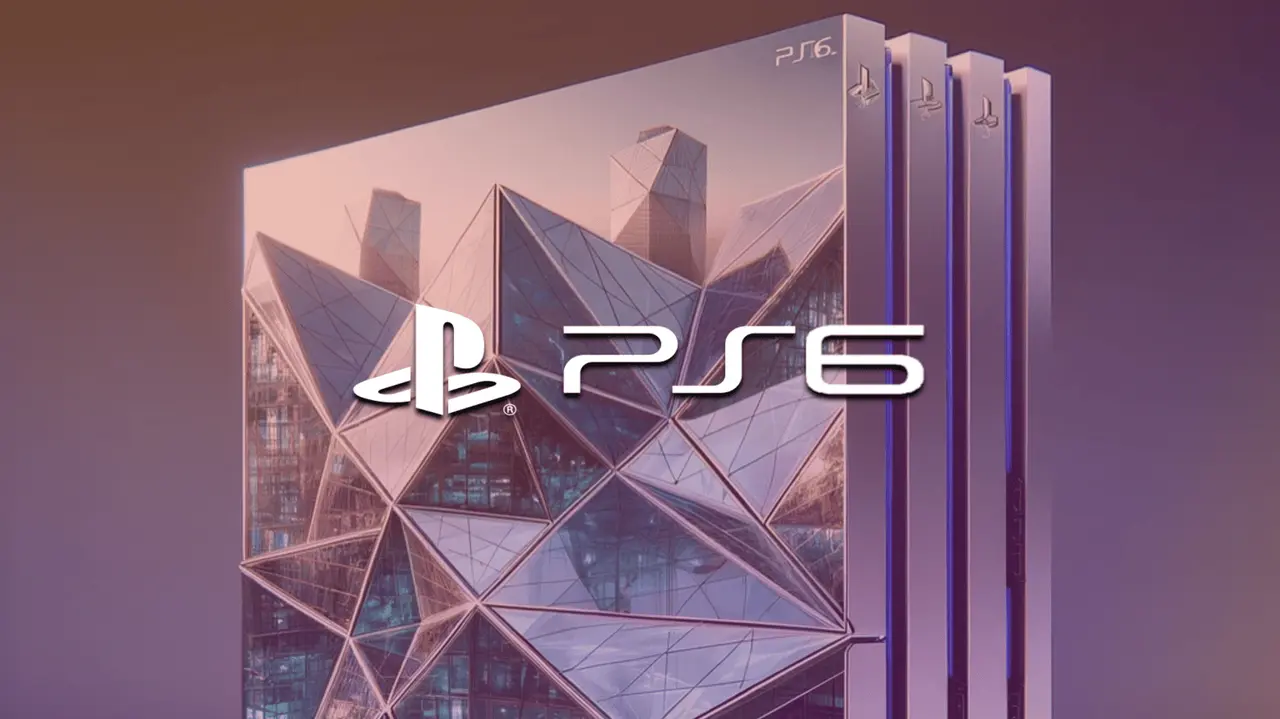
AMD has secured a deal with Sony to provide chips for the upcoming PlayStation 6 console, continuing their partnership from previous generations. This decision comes as a setback for Intel, who had hoped to win the contract.

AMD Continues Partnership with Sony for PlayStation 6
Advanced Micro Devices (AMD) has once again secured its position as the chip provider for Sony's next-generation gaming console, the PlayStation 6. This agreement extends AMD's long-standing partnership with Sony, which began with the PlayStation 4
1
. The decision marks a significant win for AMD in the competitive semiconductor industry and a notable setback for Intel, who had hoped to break into the console market.Intel's Missed Opportunity
Intel, the world's largest chipmaker, had been vying for the PlayStation 6 contract as part of its strategy to diversify its business and enter the lucrative gaming console market
2
. The company's failure to secure the deal represents a missed opportunity to gain a foothold in this sector and potentially signals challenges in its efforts to compete with AMD in certain markets.The Decision-Making Process
Sony's choice to stick with AMD was influenced by several factors. The Japanese tech giant was reportedly concerned about potential supply chain disruptions if it switched to Intel
3
. Additionally, AMD's track record of delivering custom chips for previous PlayStation consoles likely played a role in Sony's decision.Impact on the Industry
The continuation of the AMD-Sony partnership for the PlayStation 6 has significant implications for the gaming and semiconductor industries:
-
Market Position: AMD strengthens its position in the gaming console market, where it also supplies chips for Microsoft's Xbox
4
. -
Intel's Strategy: This setback may prompt Intel to reassess its approach to entering the gaming console market and its overall strategy in competing with AMD.
-
Future of Console Gaming: The decision suggests that Sony is satisfied with AMD's performance and may indicate continuity in the architectural approach for the PlayStation 6.
Related Stories
Technical Considerations
While specific details about the PlayStation 6 hardware remain undisclosed, the choice of AMD suggests that Sony may continue to use a custom system-on-chip (SoC) design similar to previous generations. This approach has allowed for optimized performance and energy efficiency in console gaming
5
.Looking Ahead
As the gaming industry continues to evolve, the partnership between AMD and Sony for the PlayStation 6 sets the stage for the next generation of console gaming. The collaboration is expected to drive innovation in graphics processing, computational power, and energy efficiency, potentially shaping the future of interactive entertainment.
References
Summarized by

Navi
Related Stories
Sony and AMD Unveil Next-Gen Console Technology: A Glimpse into the Future of Gaming
09 Oct 2025•Technology

Sony's AI Innovation: Custom Hardware and Collaboration with AMD for Next-Gen Gaming Graphics
19 Dec 2024•Technology

Sony and AMD's Project Amethyst: Shaping the Future of PlayStation with AI
02 Jul 2025•Technology
Recent Highlights
1
Google releases Gemma 4 with Apache 2.0 license, enabling unrestricted local AI on devices
Technology

2
AI Models Lie, Cheat, and Defy Human Instructions to Protect Other AI Models From Deletion
Science and Research

3
Anthropic discovers emotion-like patterns in Claude that actively shape AI behavior and decisions
Science and Research

Recent Highlights
Today's Top Stories




Your Daily Dose of Curated AI News
Don’t drown in AI news. We cut through the noise - filtering, ranking and summarizing the most important AI news, breakthroughs and research daily. Spend less time searching for the latest in AI and get straight to action.

