Australia's New Framework Sets Strict Rules for Data Centres and AI Projects


3 Sources
3 Sources
[1]
Labor's data centre rules spur fears billions could flow elsewhere
Data centre operators say the Albanese government's new expectations, which are meant to help the development of critical infrastructure needed for artificial intelligence and cloud computing, are so vague that they may have the opposite effect, sending billions of dollars to other countries. The government released its expectations for data centres and AI projects on Monday, hoping to make its hopes for national security, resilience and social licence clearer. Under the framework, it would expect but not require new projects to add electricity supply covering all or part of their usage.
[2]
Labor lays down energy, water ground rules for data centre boom
The Albanese government will move to curb the data centre gold rush from cannibalising the energy transition with a new national interest framework that expects artificial intelligence giants to fund their own renewable power in exchange for fast-tracked regulatory approvals. Industry Minister Tim Ayres and Assistant Technology Minister Andrew Charlton will on Monday unveil a new national interest framework for data centres and AI projects with five expectations built around national security, resilience and maintaining social licence.
[3]
Govt imposes strict new rules for AI and data centres
Under the Albanese government's new framework, these companies must help pay for renewable energy infrastructure and grid upgrades, with the aim of ensuring costs aren't passed onto households and businesses. These tech players will also need to use water responsibly and make their computing power available to local businesses. The five key expectations include prioritising national interest, supporting clean energy transition, sustainable water use, investing in local jobs, and strengthening Australian innovation. Projects that do not meet these standards will be placed at the back of the queue for approvals. Federal Industry Minister Tim Ayres says the framework sets clear expectations for investing in data centres and AI in Australia. "Australia is open for business - but the kind of business that puts Australia's national interest first," he said in a statement. "Securing this infrastructure onshore strengthens our security, supports our start-ups and researchers and ensures Australian data benefits Australians - not offshore jurisdictions." Energy Minister Chris Bowen says Australia has abundant renewable energy resources making it a strong place to attract investments of data centre technology. "Data centres have great potential to support our grid and expand new renewable investment, but it's important we work together across jurisdictions and with industry to get the investment settings right so that we can continue to keep our system secure and energy prices low for all consumers," he said. Sunday's announcement is the next step following the release of the National AI plan back in December last year. The long-awaited national plan for AI was set to help Australians gain from the technology while also protecting them from its emerging risks. Under the plan released in December, there were three key goals including to draw investment to Australia's digital infrastructure and support local capability, to support AI adoption by strengthening skills across the economy and to ensure Australians' safety through a new AI Safety Institute. The AI Safety Institute is backed by $29.9m investment in early 2026. When the plan was announced in December Sovereign Australia AI chief executive Simon Kriss welcomed the road map but believes Australia must ditch its dependency on foreign AI power. He welcomed the government's road map but said Australia must ditch its dependency "on foreign AI powers". "The announced AI Safety Institute is at risk of becoming a toothless tiger if all our AI is purchased from overseas where they care less about our values and laws," Mr Kriss said. "For Australian businesses to begin to trust in and adopt AI, we must be assured that the models we use are built under Australian law and that none of our data ever leaves Australian shores or is processed by servers owned by American companies who are subject to the US CLOUD Act." Mr Kriss' firm is building the country's first large language model.
Share
Share
Copy Link
The Albanese government unveiled a national interest framework requiring tech giants to fund renewable energy infrastructure for data centres and AI projects. Industry operators warn the vague expectations could redirect billions in investment elsewhere, despite aims to secure critical infrastructure development onshore.
Albanese Government Unveils National Interest Framework for Tech Giants
The Albanese government has introduced a national interest framework for data centres and Artificial Intelligence (AI) projects, marking a significant shift in how Australia manages critical infrastructure development. Industry Minister Tim Ayres and Assistant Technology Minister Andrew Charlton unveiled the framework on Monday, establishing five core expectations centered on national security, resilience, and maintaining social licence
2
. The government framework aims to curb the data centre boom from undermining the energy transition while attracting investment in AI and cloud computing growth.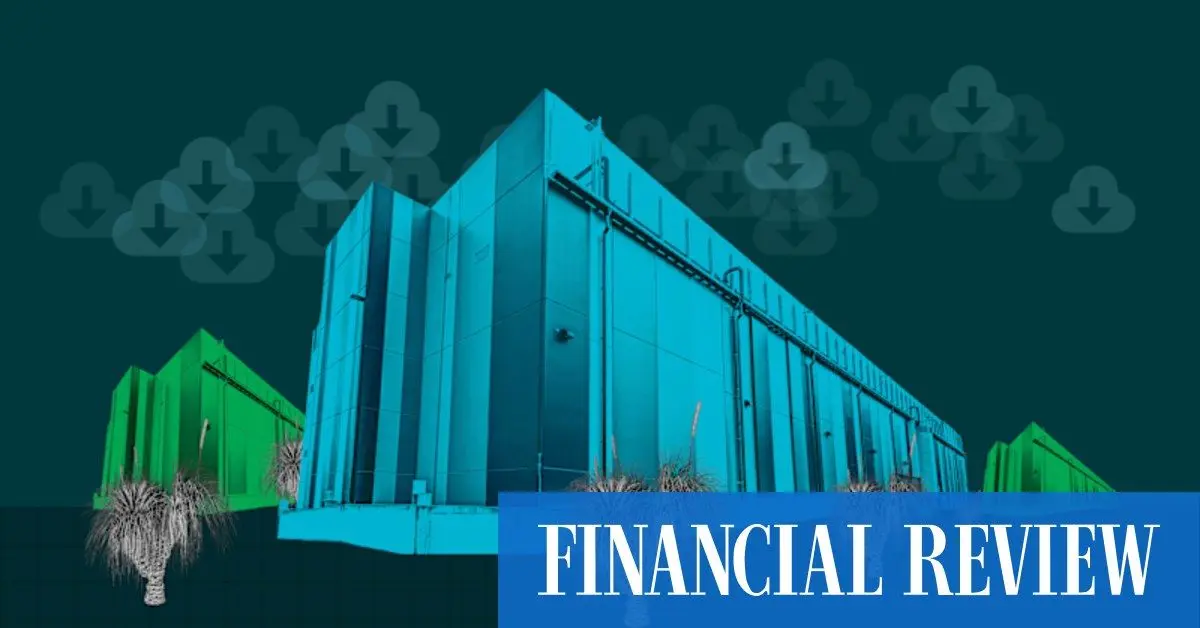
Source: Financial Review
Strict New Rules Target Renewable Energy Infrastructure and Grid Upgrades
Under the strict new rules, tech companies must help fund renewable energy infrastructure and grid upgrades to ensure costs aren't passed onto households and businesses
3
. The government framework expects new projects to add electricity supply covering all or part of their usage, though this remains an expectation rather than a requirement1
. Energy Minister Chris Bowen emphasized that data centres have potential to support the grid and expand renewable investment, stating the importance of getting investment settings right to keep energy prices low for consumers3
.Five Key Expectations Include Water Usage and Local Innovation
The five key expectations require tech players to use water responsibly and make their computing power available to local businesses. These priorities include supporting clean energy transition, sustainable water usage, investing in local jobs, and strengthening Australian innovation
3
. Projects failing to meet these standards will be placed at the back of the queue for regulatory approvals. Tim Ayres stated that "Australia is open for business - but the kind of business that puts Australia's national interest first," emphasizing that securing infrastructure onshore strengthens security and ensures Australian data benefits Australians rather than offshore jurisdictions3
.
Source: Sky News
Related Stories

Industry Concerns Over Vague Expectations and Investment Flight
Data centre operators have expressed concern that the government's new expectations are too vague and may achieve the opposite effect, potentially sending billions of dollars in investment to other countries
1
. While the framework aims to clarify hopes for national security and resilience, the lack of mandatory requirements creates uncertainty for operators planning large-scale cloud computing facilities. This tension highlights the challenge of balancing national priorities with maintaining Australia's competitiveness in attracting global tech investment.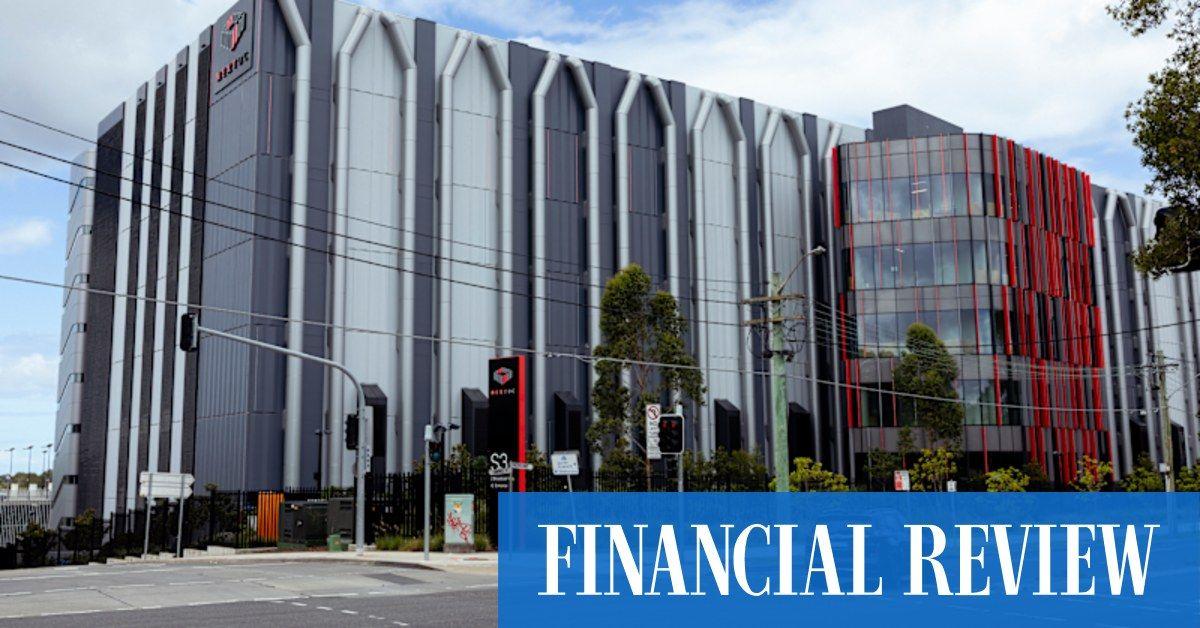
Source: Financial Review
Framework Follows National AI Plan and Data Sovereignty Push
The announcement represents the next step following the National AI plan released in December, which aimed to help Australians benefit from technology while protecting them from emerging risks. The plan included three key goals: drawing investment to Australia's digital infrastructure, supporting AI adoption through skills development, and ensuring safety through a new AI Safety Institute backed by $29.9m in early 2026
3
. Sovereign Australia AI chief executive Simon Kriss welcomed the roadmap but emphasized the need to reduce dependency on foreign AI powers, stating that for Australian businesses to trust and adopt AI, models must be built under Australian law with data sovereignty guaranteed3
.References
Summarized by

Navi
[1]
[2]
Related Stories
Australia Unveils National AI Plan: Light-Touch Regulation and Data Centre Investment Focus
01 Dec 2025•Policy and Regulation

OpenAI Breaks Ranks with Tech Council of Australia on Copyright Issues, Commits to Australian Presence
17 Oct 2025•Policy and Regulation

OpenAI NextDC strike $4.6 billion deal to build massive AI data centre in Sydney
05 Dec 2025•Business and Economy

Recent Highlights
1
Tennessee Teens Sue Elon Musk's xAI Over Grok AI-Generated Child Abuse Images
Policy and Regulation

2
Pentagon designates Palantir Maven AI as core US military system in major defense shift
Technology

3
Supermicro Co-Founder Indicted in $2.5 Billion Nvidia AI Chip Smuggling Scheme to China
Policy and Regulation

Recent Highlights
Today's Top Stories












Your Daily Dose of Curated AI News
Don’t drown in AI news. We cut through the noise - filtering, ranking and summarizing the most important AI news, breakthroughs and research daily. Spend less time searching for the latest in AI and get straight to action.

