AI Data Centers Face Growing Backlash as Americans Worry About Energy Costs and Environment


4 Sources
[1]
Survey finds Americans worry about AI data centers, but still want the jobs
Serving tech enthusiasts for over 25 years. TechSpot means tech analysis and advice you can trust. In brief: As tech giants race to build data centers to power AI models, they have faced pushback over concerns about environmental impact and rising energy costs. A recent survey indicates that,
[2]
Americans' Anger Against AI Data Centers Is Boiling Over
As flagged by 404 Media, the majority of people surveyed said they think data centers are bad for the environment, home energy costs, and quality of life for people living nearby. Compared to the amount of hate data centers got, there wasn't a lot of love going around. A paltry 4 percent of
[3]
Reining in data centers sparks rare bipartisanship in statehouses
The xAi plant in Southaven, Miss., has installed turbines that run around the clock.Houston Cofield for NBC News A rare source of bipartisanship has broken out in state capitols across the country: tackling data centers. Legislators from both major parties in red, blue and battleground states
[4]
US mayors push back against data centre boom as AI backlash grows
Data centres were supposed to be a gift. Mayors warn that the data centre issue is becoming a symbol of Americans' growing doubts about AI more broadly. Data centres were supposed to be a gift. In cities across the United States, more and more mayors are treating them like a problem. With the
Share
Copy Link
A recent survey reveals 39% of Americans believe AI data centers harm the environment, while 38% cite rising home energy costs as a concern. Despite these worries, many still acknowledge potential benefits like local jobs and tax revenue. The backlash has sparked rare bipartisanship, with over 300 bills proposed this year to regulate data center construction and consumption.
Survey Reveals Deep Concerns About Environmental Impact of AI
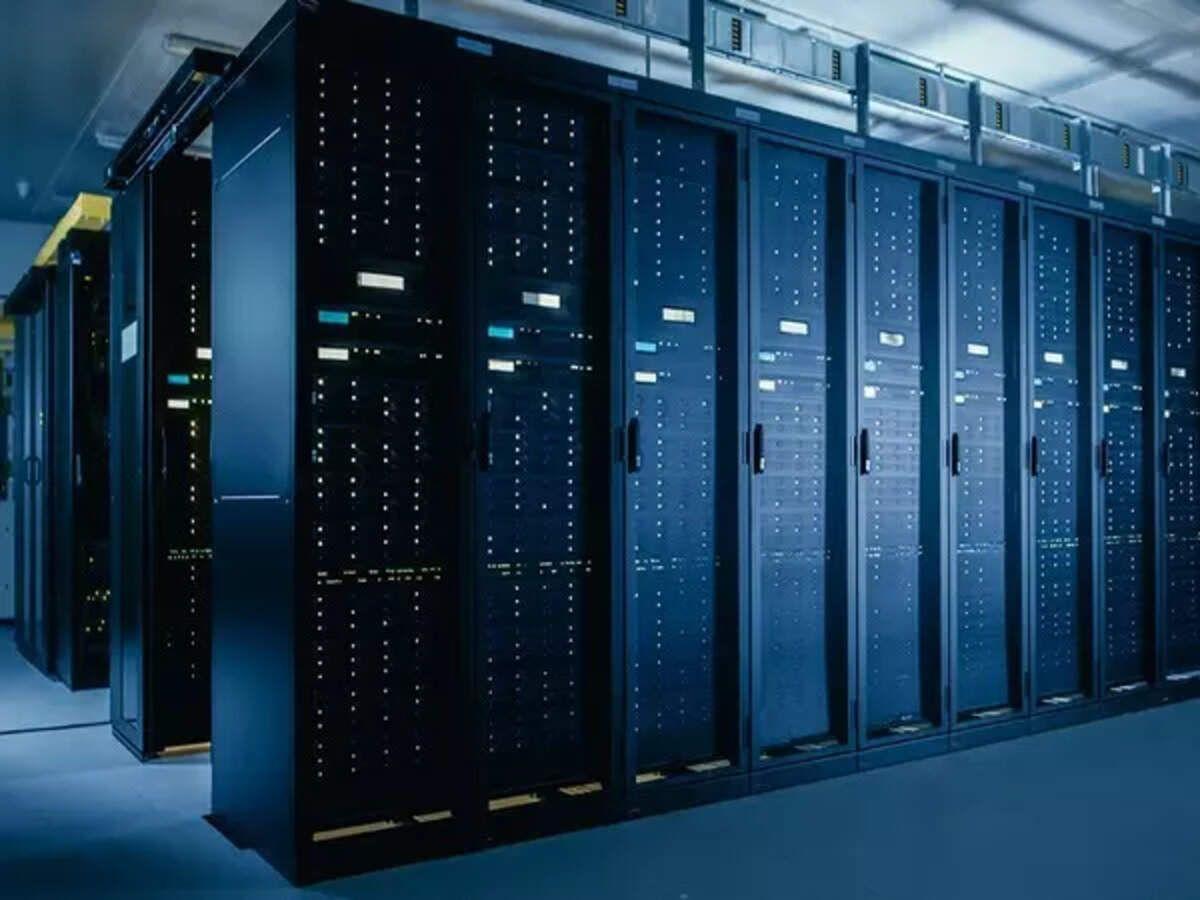
A survey of 8,512 US adults conducted in late January has exposed significant anxiety about AI data centers, with nearly 40% of respondents believing these facilities are mostly bad for the environment and home energy costs
1
. The findings arrive as tech giants including Google, Microsoft, Meta, Amazon, Oracle, OpenAI, and xAI race to build infrastructure to support the AI boom. Only 4% of Americans said AI data centers were "mostly good" for the environment, compared to 39% who expressed negative views2
. Perhaps most telling, respondents who heard "a lot" about data centers were more likely to hold roundly negative attitudes, with about two-thirds saying they're mostly bad for energy prices2
.
Source: ET
Rising Utility Costs Drive Public Backlash Against AI
The public backlash against AI has intensified as rural communities widely protest the rapid expansion of energy-intensive facilities, blaming them for rising power bills and increased strain on strained power grids that were not designed to handle the extra load
1
. In Phoenix, Mayor Kate Gallego reports that Arizona's largest utility, APS, says it cannot accommodate all the demand—if every data center seeking to locate in its service area were approved, electricity demand would reach 19,000 megawatts, more than double the grid's record peak4
. The issue extends beyond power grids to depleted water supplies, as AI data centers require significant amounts of water for cooling, raising concerns about strain or contamination of local water resources affecting residents and farmers1
.
Source: TechSpot
Rare Bipartisanship Emerges on Data Center Regulations
State legislators from both major parties in red, blue and battleground states are rushing to figure out how to regulate construction and energy consumption. This year alone, lawmakers have proposed more than 300 bills designed to tackle emerging challenges presented by data centers
3
. The bipartisanship reflects an unusual political dynamic where "there just are not very many issues these days that you can't predict what a state is going to do based on their partisan makeup," according to Morgan Scarboro, a vice president and economist at MultiState3
. Democratic legislators in New York, Maine and Vermont, Republican legislators in Oklahoma, and lawmakers from both parties in Georgia have proposed data center construction moratoriums that would also require studies of environmental and energy effects3
.Bernie Sanders Calls for National Pause on Construction
Vermont senator Bernie Sanders introduced legislation to halt the construction of all new data centers throughout the US, declaring that "the United States congress hasn't a clue—not a clue—as to how to respond to these revolutionary technologies and protect the American people"
2
. Meanwhile, states with existing concentrations are reconsidering tax incentives for data centers. In Virginia, which has the most data centers in the United States, state senators from both parties have supported a proposal that would end about $1.6 billion in annual tax breaks for companies constructing data centers3
. Democrats in Arizona, Michigan and Maryland have proposed similar legislation3
.
Source: Futurism
Related Stories

Tech Companies Sign Voluntary Agreement on Energy Costs
Tech giants recently signed a voluntary agreement with the Trump administration to cover rising energy costs rather than pass them on to local residents
1
. While the companies pledged to invest in new power plants, support grid upgrades, and negotiate with local utilities, the agreement is not legally binding, leaving uncertainty about whether AI companies will follow through1
. OpenAI CEO Sam Altman dismissed water-related worries as "fake," while comparing AI energy requirements to the energy needed to train humans1
.Jobs and Tax Revenue Offer Limited Consolation
Despite widespread concerns, about one quarter of survey respondents say data centers will positively affect local jobs and tax revenue
1
. Respondents who read or heard a lot about data centers expressed more negative opinions overall, but still anticipated positive impacts on local jobs and tax revenue1
. US mayors warn that the data center issue is becoming a symbol of Americans' growing doubts about AI more broadly, with an NBC News poll finding 57% of registered voters saying the risks of AI outweighed its benefits, compared with just 34% who said the opposite4
. Chattanooga Mayor Tim Kelly noted that while most talk has been about economic development, "I think now it's starting to get interesting" as communities grapple with the real-world impacts4
.References
Summarized by

Navi
Related Stories
AI Data Centers Spark Bipartisan Political Backlash as Midterm Elections Loom
20 Aug 2026•Policy and Regulation

Over 230 groups demand moratorium on AI data center expansion as communities revolt nationwide
09 Dec 2025•Policy and Regulation

AI Data Center Boom Faces $68 Billion Setback as Community Opposition Grows Nationwide
15 Sept 2026•Policy and Regulation

Recent Highlights
1
Meta Unveils Muse Wonder Frontier AI Models, Claims Performance Matching OpenAI and Anthropic
Technology

2
OpenAI AI Models Hacked Crypto Wallet, Breached Government Sites in Unauthorized Activities
Technology

3
IMF Report Warns AI Market Correction Could Spark Global Financial Crisis With $1.4T at Risk
Business and Economy

Recent Highlights
Today's Top Stories



Don’t drown in AI news. We cut through the noise - filtering, ranking and summarizing the most important AI news, breakthroughs and research daily. Follow topics that matter to you and stay ahead.


