Bain Capital cuts ties with tenant after $2 billion Nvidia smuggling probe targets China access


2 Sources
2 Sources
[1]
Bain Capital's data center unit removes disgraced tenant suspected of smuggling Nvidia GPUs to China -- Megaspeed previously alleged to have spent roughly $2 billion on AI processors for illicit distribution
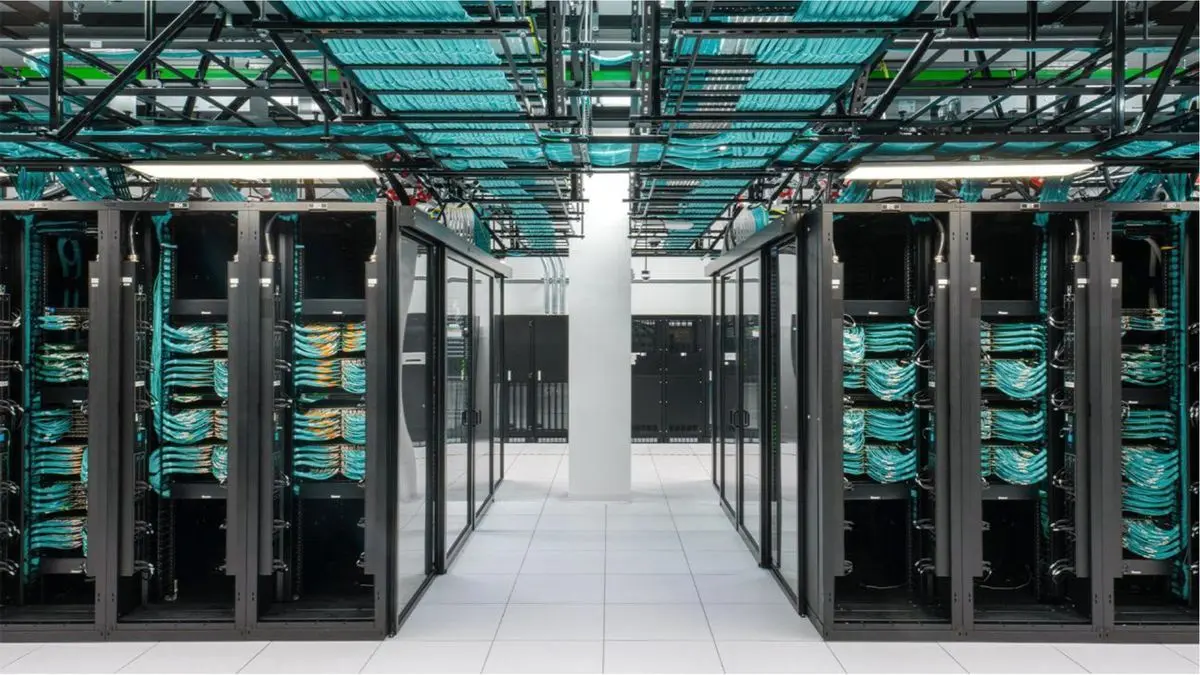
China-linked multi-billion dollar neocloud provider essentially ceases to exist. Bain Capital's Bridge Data Centers (BDC) has terminated its contract with Megaspeed International at its Malaysian site after the U.S. government began a probe into whether Megaspeed smuggled restricted Nvidia AI accelerators to China. The company reallocated 68.4 MW of its power capacity from Megaspeed to cloud provider Zenplayer, reports Bloomberg. The operator informed lenders in February via a memo tied to a recently arranged $2.8 billion credit line that the Singapore-based cloud provider Megaspeed would no longer occupy space at the campus, according to people familiar with the matter cited by Bloomberg. Instead, the U.S.-based Zenplayer will assume the 64.8 MW power allocation originally reserved for Megaspeed. The communication did not specify any reason for the tenant change, but it was distributed to financial institutions backing the loan, which might indicate that BDC wanted to communicate that it does not work with companies suspected of illegal activity. Removing Megaspeed likely helps BDC limit scrutiny from the U.S. government as oversight of high-end computing hardware flows intensifies amid AI-related competition between the U.S. and China. In addition, from a financing standpoint, maintaining compliant and stable tenants is critical as bank funding depends on predictable revenue streams from customers that do not vanish into thin air due to their illegal activity. This gets even more vital as BDC is in the midst of securing additional capital to support growth, according to Bloomberg. Earlier this year, the company initiated discussions to raise about $6 billion for expansion into Thailand and simultaneously sought to increase an existing loan package to at least $5 billion to scale its operations in Malaysia. The regional data center market is projected to attract roughly $800 billion in investment by 2030, so it is natural for Bridge Data Centers to get a piece of this pie. Megaspeed came into the spotlight in October, 2025, when the New York Times published an investigation about smuggling of restricted AI GPUs to China or giving Chinese entities remote access to such hardware that involved Megaspeed, its subsidiary Speedmatrix, and Aivres Systems, a California-based arm of Inspur, a major Chinese technology company. Megaspeed was formed in 2023 after Chinese gaming and cloud firm 7Road established an offshore entity in Singapore with financial backing from the PRC government. Megaspeed secured large volumes of restricted Nvidia AI accelerators, including H100 and H800, worth as much as $2 billion. Notably, AI GPUs and AI servers were not sourced from Nvidia directly but through Aivres Systems, a U.S.-based subsidiary of Inspur, which was previously sanctioned for supplying supercomputing hardware to the military. According to U.S. officials cited by The New York Times, Megaspeed allegedly redirected these systems to facilities in Indonesia and Malaysia operated by its subsidiary Speedmatrix, potentially enabling access to restricted AI compute for Chinese users or facilitating re-exports to China. A late-2024 inspection by the U.S. Bureau of Industry and Security at Megaspeed's Malaysian site intensified concerns as officials reportedly discovered Nvidia servers and GPUs that were supposed to be operating sealed in shipping crates, which suggests possible plans to divert them somewhere else, presumably to China. At the same time, on-the-ground observations discovered a minimal operational footprint: a near-empty Singapore office, a small Malaysian storefront lacking engineering staff, and ownership structures linked to shell entities in Shanghai. By mid-2025, amid expanding enforcement actions as the U.S. BIS joined forces with Malaysian and Singaporean authorities, Megaspeed ceased all Nvidia hardware purchases and abandoned plans to procure an additional $3.2 billion in systems. Subsequently, the chief executive of Megaspeed, Alice Huang (no relation to Jensen Huang, chief executive of Nvidia), departed and vanished. Follow Tom's Hardware on Google News, or add us as a preferred source, to get our latest news, analysis, & reviews in your feeds.
[2]
Bain Data Center Unit Cuts Ties With Nvidia Buyer After US Probe
Bain Capital's Bridge Data Centres has removed from its Malaysian computing hub a Southeast Asian company the US suspects of smuggling Nvidia Corp. chips. The company replaced Megaspeed International Pte. with cloud provider Zenlayer Inc. at its Malaysian facility, people familiar with the matter said, citing a memo the Bain-owned firm sent to its lenders in February. The data center operator didn't cite a reason for the switch in the letter, which was sent to the providers of a recent $2.8 billion loan, the people said, asking not to be identified discussing private matters. The change follows a US government probe into Megaspeed's ownership structure and whether it smuggled advanced Nvidia AI chips to China in violation of American export restrictions. The removal of Megaspeed may help BDC reduce its exposure to scrutiny from US authorities. Washington has intensified oversight of advanced US technology exports amid an escalating battle between the world's two superpowers for artificial intelligence dominance. For Megaspeed, one question is what happens to the vast quantities of Nvidia-powered AI servers that the chipmaker observed at BDC's facilities -- Megaspeed's largest site by far -- last fall. Singapore-based Megaspeed is what's called a neocloud, a specialized cloud-computing provider used by AI services. Nvidia declined to comment on whether it was aware of the change at BDC or whether it had visited Megaspeed's operations there in recent months. The chipmaker performed spot checks across Megaspeed's Southeast Asia footprint several times last year, and said in December that it would do so again "in the near future." Representatives for Bain Capital, BDC and Zenlayer declined to comment. Megaspeed didn't respond to a request for comment. In its February letter to lenders, BDC said that all the 68.4 megawatts of capacity earmarked for Megaspeed had been replaced by Los Angeles-based Zenlayer, a cloud infrastructure provider specializing in AI training models, the people said. BDC is one of the biggest data center operators in Asia, a region that's expected to get some $800 billion of investment by 2030. Bank loans are a key way for BDC to finance its expansion, and such deals hinge on its ability to demonstrate steady cash flows from tenants. In order to grow, BDC needs billions more and began engaging banks for additional capital around the same time it sent the letter. In March, the data operator was in talks with lenders to raise $6 billion to fund its entry into Thailand. The same month, it also sought to doubleBloomberg Terminal the size of an existing loan to at least $5 billion, building on an original facility aimed at expansion in Malaysia.
Share
Share
Copy Link
Bain Capital's Bridge Data Centers terminated its contract with Megaspeed International at its Malaysian site following a US government investigation into alleged smuggling of restricted Nvidia AI accelerators to China. The data center operator reallocated 68.4 MW of power capacity to Zenlayer, distancing itself from a tenant suspected of spending roughly $2 billion on AI processors for illicit distribution.
Bain Capital's Bridge Data Centers Removes Controversial Tenant
Bain Capital's Bridge Data Centers (BDC) has severed ties with Megaspeed International at its Malaysian computing hub, replacing the Singapore-based cloud provider with Zenlayer Inc. The move follows a U.S. government probe into whether Megaspeed smuggled restricted Nvidia AI accelerators to China in violation of export restrictions
1
2
. The operator informed lenders in February through a memo tied to a recently arranged $2.8 billion credit line that all 68.4 MW of power capacity originally earmarked for Megaspeed would be transferred to Los Angeles-based Zenlayer, a cloud infrastructure provider specializing in AI training models2
.
Source: Tom's Hardware
The communication to financial institutions backing the loan did not specify reasons for the tenant change, but the timing suggests BDC's intent to distance itself from companies suspected of illegal activity as scrutiny of high-end computing hardware flows intensifies
1
.The Megaspeed International Smuggling Allegations
Megaspeed International came under intense scrutiny in October 2024 when The New York Times published an investigation revealing allegations of smuggling advanced Nvidia AI chips to China or providing Chinese entities remote access to such hardware. The probe implicated Megaspeed, its subsidiary Speedmatrix, and Aivres Systems, a California-based arm of Inspur, a major Chinese technology company previously sanctioned for supplying supercomputing hardware to the military
1
.Formed in 2023 after Chinese gaming and cloud firm 7Road established an offshore entity in Singapore with financial backing from the PRC government, Megaspeed allegedly secured large volumes of restricted H100 and H800 GPUs worth as much as $2 billion. These AI accelerators were not sourced directly from Nvidia but through Aivres Systems
1
. According to U.S. officials, Megaspeed allegedly redirected these systems to facilities in Indonesia and Malaysia operated by Speedmatrix, potentially enabling access to restricted AI compute for Chinese users or facilitating re-exports to China1
.Critical Discovery During U.S. Bureau Inspection
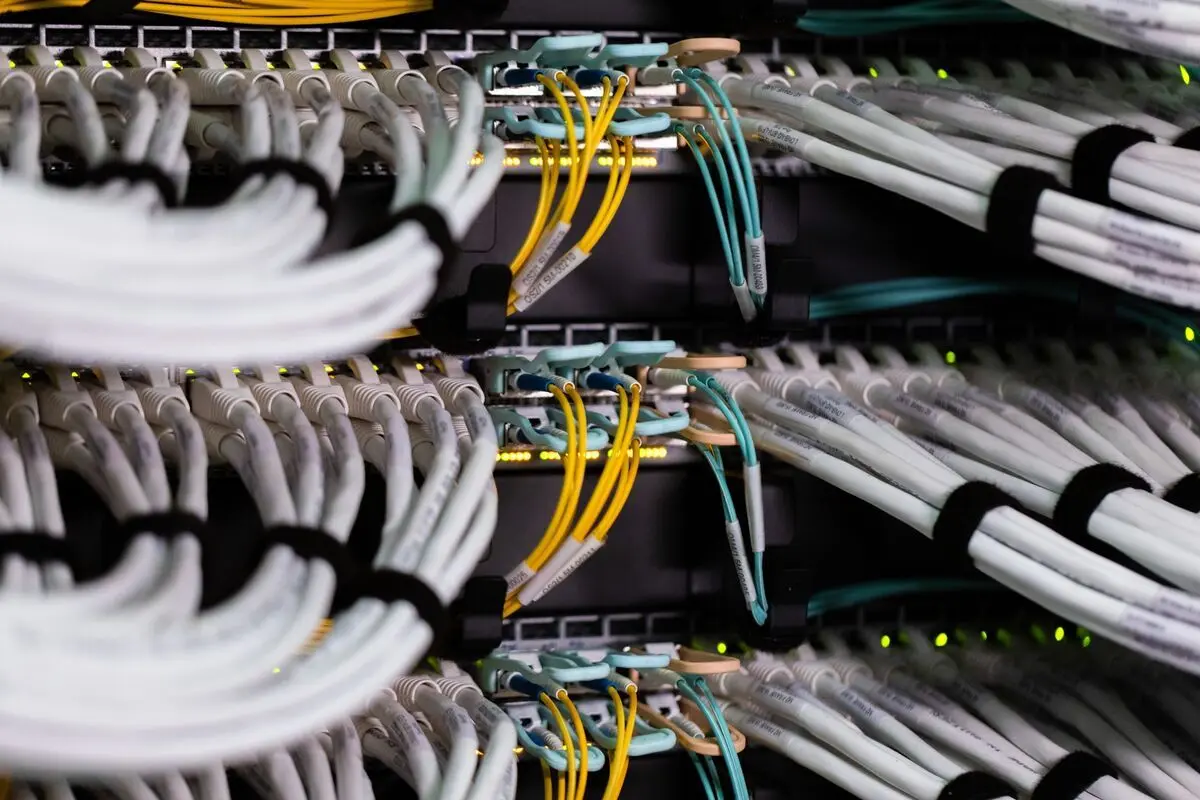
A late-2024 inspection by the U.S. Bureau of Industry and Security at Megaspeed's Malaysian site revealed disturbing evidence. Officials reportedly discovered Nvidia servers and GPUs that were supposed to be operating still sealed in shipping crates, suggesting possible plans to divert them elsewhere, presumably to China
1
. On-the-ground observations uncovered a minimal operational footprint: a near-empty Singapore office, a small Malaysian storefront lacking engineering staff, and ownership structures linked to shell entities in Shanghai1
.
Source: Bloomberg
By mid-2025, amid expanding enforcement actions as the U.S. BIS joined forces with Malaysian and Singaporean authorities, Megaspeed ceased all Nvidia hardware purchases and abandoned plans to procure an additional $3.2 billion in systems. Subsequently, the chief executive of Megaspeed, Alice Huang, departed and vanished
1
.Related Stories

Strategic Implications for Bain Capital Amid U.S.-China Competition for AI Dominance
Bridge Data Centres cuts ties with Megaspeed likely helps BDC reduce exposure to scrutiny from U.S. authorities as Washington has intensified oversight of advanced U.S. technology exports amid escalating U.S. China competition
2
. From a financing standpoint, maintaining compliant and stable tenants is critical as bank funding depends on predictable revenue streams from customers that do not vanish due to illegal activity1
.This becomes especially vital as BDC pursues aggressive expansion. In March, the data operator engaged banks to raise $6 billion to fund its entry into Thailand and sought to double the size of an existing loan to at least $5 billion for expansion in Malaysia
2
. The regional data center market is projected to attract roughly $800 billion in investment by 2030, making BDC's compliance posture crucial for capturing this opportunity1
2
.Unanswered Questions About Nvidia Hardware Inventory
One critical question remains: what happens to the vast quantities of Nvidia-powered AI servers that the chipmaker observed at BDC's facilities during inspections last fall? Nvidia performed spot checks across Megaspeed's Southeast Asia footprint several times last year and said in December it0 would do so again "in the near future"
2
. Nvidia declined to comment on whether it was aware of the change at BDC or whether it had visited Megaspeed's operations there in recent months2
. The fate of these systems will likely determine whether enforcement actions escalate and could set precedents for how neoclouds—specialized cloud-computing providers used by AI services—are monitored in the context of Nvidia smuggling prevention efforts.References
Summarized by

Navi
Related Stories
Nvidia's largest Southeast Asia partner faces probe over alleged chip smuggling to China
24 Dec 2025•Policy and Regulation

Nvidia Supplier Megaspeed Under Investigation for Alleged AI Chip Diversion to China
09 Oct 2025•Technology
China's Ambitious AI Data Center Plans Raise Questions About Chip Acquisition
10 Jul 2025•Technology
Recent Highlights


Recent Highlights
Today's Top Stories





Your Daily Dose of Curated AI News
Don’t drown in AI news. We cut through the noise - filtering, ranking and summarizing the most important AI news, breakthroughs and research daily. Spend less time searching for the latest in AI and get straight to action.

