Nvidia's largest Southeast Asia partner faces probe over alleged chip smuggling to China


2 Sources
[1]
Former Chinese gaming company with China govt ties accused of smuggling banned AI GPUs -- Nvidia's biggest Southeast Asia customer exposes the limits of U.S. AI export controls
When U.S. lawmakers tightened export controls on advanced AI processors, their goal was straightforward enough: slow China's access to cutting-edge compute hardware by restricting direct sales of the most capable GPUs. Three years later, the policy is colliding with the realities of globalized
[2]
Nvidia's Biggest Southeast Asian Partner Dogged by China Chip Smuggling Questions
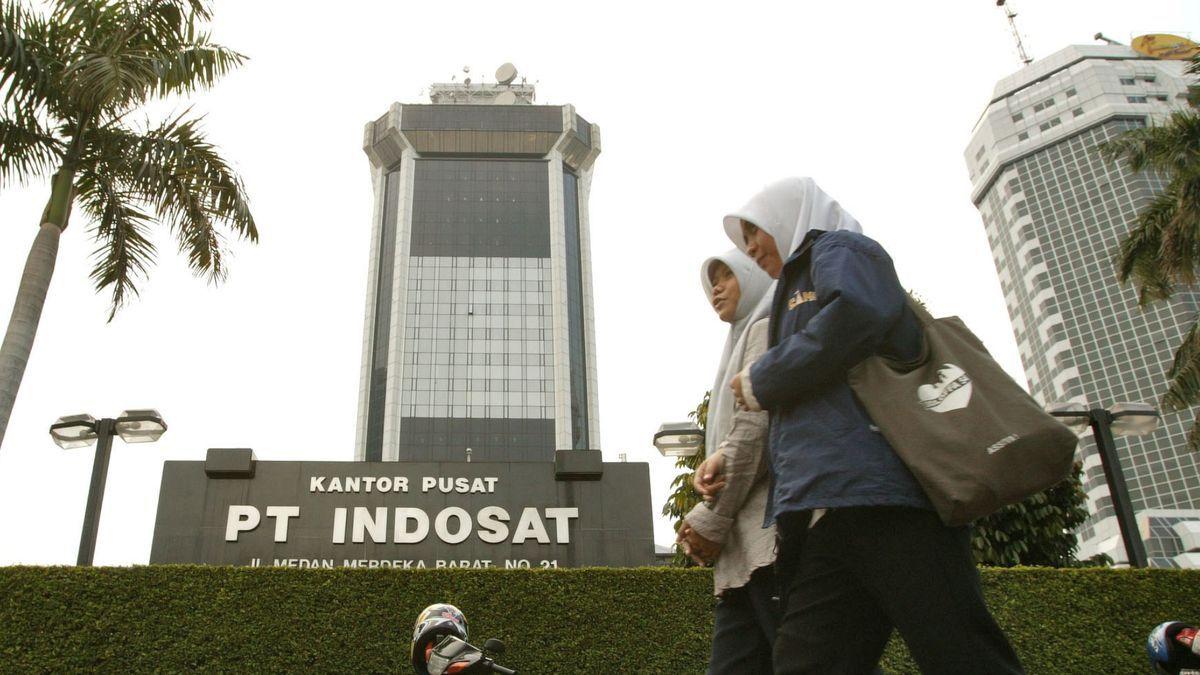
In an industry run by titans, a Singapore AI firm called Megaspeed International Pte. is drawing an unusual amount of attention. In less than three years, the once-obscure spinoff of a Chinese gaming enterprise has evolved into the single largest Southeast Asian buyer of Nvidia Corp. chips -- a
Share
Copy Link
Megaspeed International, formerly a Chinese gaming company, has become Nvidia's biggest Southeast Asian customer in under three years. Now the Singapore-based firm faces US government investigation over potential chip smuggling to China, exposing critical gaps in export controls designed to limit China's AI capabilities. The case highlights how complex global AI supply chains make enforcement increasingly difficult.
US Government Investigation Targets Nvidia's Largest Southeast Asian Customer
Megaspeed International, a Singapore-based firm that emerged as Nvidia's largest buyer in Southeast Asia, now sits at the center of a US government investigation examining whether the company smuggled restricted AI chips to China
2
. The probe focuses on Megaspeed's ownership structure and potential violations of U.S. AI export controls designed to limit China's AI capabilities, according to people familiar with the investigation2
. Singapore authorities have confirmed they are investigating potential export control violations, while Malaysian officials acknowledged that compliance monitoring is ongoing for operations within their borders2
.
Source: Bloomberg
The scrutiny comes after U.S. officials noticed significant discrepancies between the volume of chips Megaspeed imported and its disclosed data center footprint
1
. The company, formerly known as 7Road International, a Chinese gaming enterprise with state ties, rapidly transformed into a major player in AI computing resources after its 2023 founding1
. Megaspeed committed to purchasing billions of dollars' worth of Nvidia hardware over a remarkably short period, drawing attention from both U.S. and Singaporean regulators1
.Export Controls Face Enforcement Challenges in Global AI Supply Chain
When the U.S. Commerce Department imposed export controls on advanced AI processors like the A100 and H100 GPUs in October 2022, the goal was clear: slow China's access to cutting-edge compute hardware
1
. Three years later, the policy collides with the realities of globalized supply chains and reseller-driven distribution models1
. Nvidia doesn't sell most data center GPUs directly to end users, instead relying on distributors, system integrators, cloud providers, and regional partners1
. This approach scales efficiently but complicates enforcement when export rules depend on end use and final destination rather than point of sale.Megaspeed operates as a neocloud provider, specializing in high-performance computing equipment for AI workloads at multiple facilities across Southeast Asia
2
. The company rents Nvidia chips to Chinese tech giant Alibaba, a setup Washington generally allows but that some critics view as a loophole2
. Once AI accelerators are installed in servers and shipped as complete systems, tracing individual processors becomes significantly harder1
.Pattern of Illicit GPU Exports to China Emerges
The Megaspeed case isn't isolated. Over the past year, U.S. authorities uncovered multiple schemes involving smuggling restricted Nvidia AI chips to China
1
. In late 2025, the U.S. Department of Justice shut down a major China-linked smuggling network that allegedly routed tens of millions of dollars' worth of H100 GPUs and H200 processors to China by falsifying documentation and relabeling hardware1
. DeepSeek was accused of establishing "ghost" data centers in Southeast Asia to pass audits before shipping GPUs onward1
.These cases expose the difficulty of enforcing controls once hardware leaves Nvidia's hands. Export rules are primarily enforced at the point of sale and shipment, relying heavily on declarations of end use and downstream compliance by resellers
1
. China's persistent demand for compute capacity has created a gray market willing to pay significant premiums for restricted GPUs, as domestic alternatives like Huawei's Ascend accelerators still lag Nvidia in software maturity and ecosystem support1
.Related Stories
Nvidia Defends Partner Amid Scrutiny
Nvidia maintains it found no evidence of chip diversion after conducting multiple spot-checks at Megaspeed's facilities. "Our visits confirmed that the GPUs shipped to Megaspeed by our partners are where they are supposed to be," an Nvidia spokesperson stated
2
. The company's inquiry concluded that Megaspeed is fully owned and operated outside China, with no China shareholders, and that it offers "a cloud service permitted under the export control rules"2
.Megaspeed denies any wrongdoing, stating it operates "fully in compliance with all applicable laws, including US export control regulations"
2
. Bloomberg's review didn't find evidence that Megaspeed's Nvidia chips were diverted to China, though inconsistencies in the company's chip inventory and data center footprint raised questions2
. The outcome of this probe could reshape how American policymakers view the neocloud business model that brings Nvidia billions in revenue and underpins a data center boom across Southeast Asia2
.References
Summarized by

Navi
Related Stories
$4.6 Billion in Export-Restricted Nvidia AI Chips Smuggled Into China Despite U.S. Controls
18 Sept 2026•Policy and Regulation
Nvidia Supplier Megaspeed Under Investigation for Alleged AI Chip Diversion to China
09 Oct 2025•Technology
US Investigates Potential Circumvention of AI Chip Export Controls via Singapore
31 Jan 2025•Policy and Regulation

Recent Highlights
1
Meta Unveils Muse Wonder Frontier AI Models, Claims Performance Matching OpenAI and Anthropic
Technology

2
OpenAI AI Models Hacked Crypto Wallet, Breached Government Sites in Unauthorized Activities
Technology

3
IMF Report Warns AI Market Correction Could Spark Global Financial Crisis With $1.4T at Risk
Business and Economy

Recent Highlights
Today's Top Stories







Don’t drown in AI news. We cut through the noise - filtering, ranking and summarizing the most important AI news, breakthroughs and research daily. Follow topics that matter to you and stay ahead.


