Cisco CEO Chuck Robbins warns AI boom will produce winners and carnage along the way


2 Sources
2 Sources
[1]
AI boom will produce victors and carnage, tech boss warns
AI is going to "change everything", says Cisco boss Chuck Robbins Winners will emerge from the Artificial Intelligence (AI) boom, but there will be "carnage along the way", the boss of a US tech giant has warned. Chuck Robbins, chairman and chief executive of Cisco Systems, told the BBC the technology will be "bigger than the internet", but the current market is probably a bubble and some companies "won't make it". Cisco, one of the world's leading technology companies, is behind some of the critical IT infrastructure enabling day-to-day use of AI. Robbins said some jobs will be changed, or even "eliminated", by AI, particularly in areas like customer services where companies will need "fewer people", but urged workers to embrace, not fear, the technology. His comments follow a series of warnings over the recent surge in investment in AI, with some claiming the sector amounts to a bubble set to burst, rocking markets and bankrupting companies. The BBC has been told of similar concerns by leading figures in finance and tech. JPMorgan Chase boss Jamie Dimon said some of the money invested in AI would "probably be lost", while Google parent company Alphabet's chief executive Sundar Pichai said there was some "irrationality" in the AI boom. Sceptics compare the supposed bubble to the dotcom boom and bust of the late 90s. Cisco was the world's most valuable company in the year 2000, but saw its value fall by 80% when the dotcom bubble burst. It has since rebuilt, and now partners with firms such as Nvidia, providing the essential infrastructure underpinning AI. Despite having £1.3bn in orders in the current quarter alone, Robbins is alive to comparisons with the dotcom collapse. "There's been a lot of discussion about: 'Is this a bubble?'. And the answer is probably yes, but we had a bubble in 2000 with the internet. And look at where we are today. "So the winners emerge, and there's carnage along the way, but it is going to be bigger than the internet," he said. "It feels a lot like it (the dotcom crash), but what happens is you'll have money that will be invested in companies that won't make it, but the winners will emerge, the applications and use cases will begin to evolve." Robbins compared AI to iPhones, with the constant development of new applications, saying new uses for the technology will develop over time. He said it will make "lots of things better", but also has "potential risks we all have to mitigate". One risk is to people's livelihoods, with growing fears AI will lead to mass job losses. Robbins said some jobs will be eliminated, while others will be changed, but workers can thrive if they embrace and learn to use the technology. "You shouldn't worry as much about AI taking your job as you should worry about someone who's very good using AI taking your job," he said. Another risk of AI is online safety, Robbins warned. "It's going to make our cyber attacks better. It's going to make the scams that people see in their inboxes seem more real," he says. But Cisco is using quantum technology in a bid to mitigate the risks of AI to security online. Robbins said: "Every time we've had a big technological revolution, there's always a security risk associated with it, and the industry is pretty good at figuring out and actually building technology that helps protect from those kinds of things." America and China are currently the dominant AI powers, with the countries battling it out for supremacy in the technology. But Robbins said the UK was also making progress in the field and had "pretty good odds" of becoming an AI superpower itself. "It's early enough right now, and I think the one thing we know is that the countries who embrace AI are going to be the countries that win. "And I think that the UK has always been forward-leaning on these technology transitions," he said. As well as driving the development of AI, Robbins has a key role as a go-between for the business community and US President Donald Trump. Robbins is chair of the Business Roundtable, representing America's leading companies, and speaks to the Trump administration on a regular basis. On dealing with the sometimes unpredictable US president, he said there is "a misconception" that business leaders should be more vocal in questioning and critiquing his policies. But he said the reality was that, if trying to achieve an outcome, "a better way to do it, particularly with this administration, is in small groups". He went on: "It's probably the most accessible administration that we've had in decades. So they're very open. We have lots of dialogue." "We don't always agree, but we at least have the dialogue."
[2]
'You shouldn't worry as much about AI taking your job as you should worry about someone who's very good using AI taking your job': Cisco CEO says effects of AI will cause "carnage" in the jobs market
Warnings issues as future labor markets set to be affected by AI * AI likened again to the Dotcom bubble, companies warned of post-bubble downfall * Cisco CEO warns of "carnage along the way" as employment changes * IMF boss says AI will hit the labor market "like a tsunami" Cisco CEO Chuck Robbins has warned that, although AI will create new opportunities, it will also be responsible for "carnage along the way" with many companies unlikely to survive any post-bubble shakeout. Speaking with the BBC, Robbins argues AI will ultimately be "bigger than the internet," indicating that there's more to come, much like how the Dotcom bubble preceded the longer-term internet transformation. But these aren't baseless projections - Cisco actually survived a similar bubble around the 2000 peak, when its stock fell roughly 80% after surging quickly. Robbins stressed that the same downfall could follow this initial AI boom. Cisco has already been through one bubble Moving on to workforce implications, Robbins warned that come roles will be eliminated entirely, and others reshaped. Customer service looks to be the most at-risk area, with colleagues who are "very good using AI" more likely to succeed. "You shouldn't worry as much about AI taking your job as you should worry about someone who's very good using AI taking your job," he summarized. Robbins also noted that AI has allowed attacks to become more sophisticated and less detectable, implying that cybersecurity teams might actually have their work cut out, so won't be immediately affected by AI-induced job losses. However, despite concerns that AI could be displacing human workers, a new UK Government report says it's still hard to categorically state that redundancies are a result of AI-driven productivity. Still, UK job adverts fell by 38% for high-AI-exposure occupations between 2022 and 2025 (via McKinsey research). Robbins isn't alone in sharing his concerns about AI's effects on the labor market. Speaking at the recent WEF conference in Davos (via CNBC), International Monetary Fund Managing Director Kristalina Georgieva warned AI "is hitting the labor market like a tsunami, and most countries and most businesses are not prepared for it." Looking ahead, it's clear that workers must focus on upskilling to stand out from their competitors in a shifting jobs market. Follow TechRadar on Google News and add us as a preferred source to get our expert news, reviews, and opinion in your feeds. Make sure to click the Follow button! And of course you can also follow TechRadar on TikTok for news, reviews, unboxings in video form, and get regular updates from us on WhatsApp too.
Share
Share
Copy Link
Cisco chief Chuck Robbins says AI will be bigger than the internet but warns of a bubble with carnage ahead. Some jobs will be eliminated, particularly in customer service, while cybersecurity risks grow. The real threat isn't AI taking jobs—it's workers skilled in AI replacing those who aren't.
Cisco CEO on AI: Bigger Than the Internet, But a Bubble Nonetheless
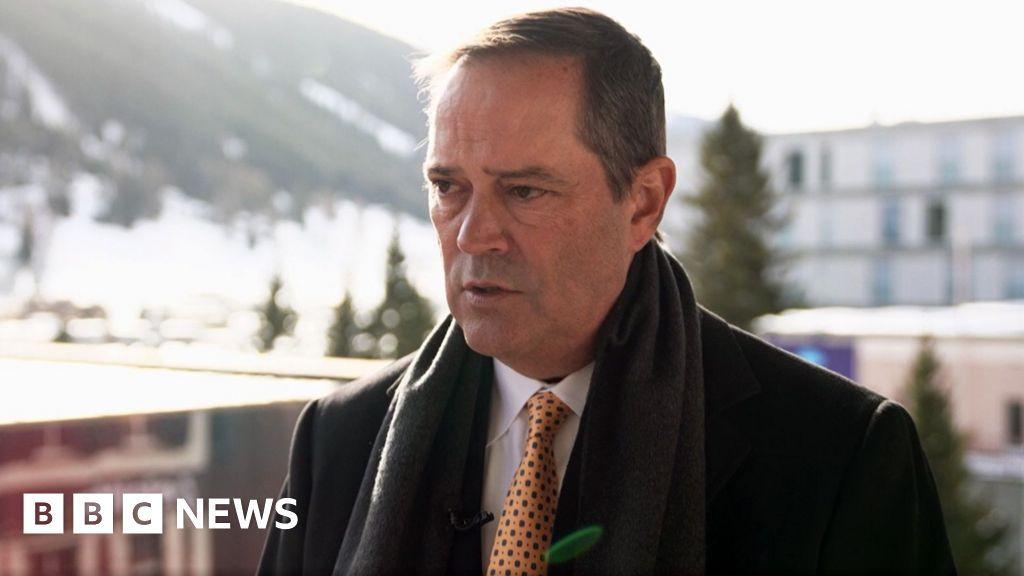
Chuck Robbins, chairman and chief executive of Cisco Systems, has issued stark warnings about AI while simultaneously championing its transformative potential. Speaking to the BBC, Robbins declared that AI will be "bigger than the internet" but acknowledged the current market is "probably" a bubble
1
. His company, which provides critical IT infrastructure enabling AI deployment, reported £1.3bn in orders in the current quarter alone1
. Yet Robbins remains cautious, drawing parallels to the dot-com crash that saw Cisco's value plummet 80% after it became the world's most valuable company in 20001
. "The winners emerge, and there's carnage along the way," he stated, suggesting that money will be invested in companies that won't make it1
.
Source: BBC
AI's Impact on Jobs: Adaptation Over Fear
The Cisco CEO on AI emphasized that workers face a nuanced threat in the evolving labor market. "You shouldn't worry as much about AI taking your job as you should worry about someone who's very good using AI taking your job," Robbins told the BBC
1
2
. This warning underscores the importance of upskilling as AI and the job market undergo rapid technology transitions. Customer service roles appear particularly vulnerable, with companies expected to need "fewer people" as AI automates routine interactions1
. Some positions will be eliminated entirely while others will be fundamentally changed, Robbins acknowledged2
. His assessment aligns with recent data showing UK job adverts fell 38% for high-AI-exposure occupations between 2022 and 2025, according to McKinsey research2
.
Source: TechRadar
Warnings About AI Echo Across Leadership
Robbins isn't alone in sounding the alarm about AI causing carnage in employment and markets. International Monetary Fund Managing Director Kristalina Georgieva warned at the World Economic Forum in Davos that AI "is hitting the labor market like a tsunami, and most countries and most businesses are not prepared for it"
2
. This tsunami metaphor captures the speed and scale of disruption facing the labor market. Other industry leaders have expressed similar concerns about the investment surge. JPMorgan Chase boss Jamie Dimon suggested some AI investments would "probably be lost," while Google parent Alphabet's CEO Sundar Pichai acknowledged "irrationality" in the AI boom1
. These warnings about AI from financial and tech leaders suggest the AI boom and dot-com bubble share troubling similarities.Related Stories

AI and Cybersecurity Risks Demand New Solutions
Beyond job losses, Robbins highlighted AI and cybersecurity risks as critical concerns requiring immediate attention. "It's going to make our cyber attacks better. It's going to make the scams that people see in their inboxes seem more real," he warned
1
. Paradoxically, this means cybersecurity teams may find their roles expanding rather than shrinking, as threats become more sophisticated2
. Cisco is deploying quantum technology to address these online security risks, with Robbins noting that "every time we've had a big technological revolution, there's always a security risk associated with it"1
. His confidence stems from the industry's historical ability to develop protective technologies during major shifts.Adapting to AI: What Workers and Nations Must Watch
Robbins emphasized that adapting to AI separates future winners from casualties. He compared AI to iPhones, suggesting new applications and use cases will continuously emerge
1
. Countries embracing AI stand to gain competitive advantages, with Robbins suggesting the UK has "pretty good odds" of becoming an AI superpower due to its historically forward-leaning approach to technology transitions1
. Workers must focus on learning AI tools rather than resisting them, as colleagues proficient in AI will likely claim positions previously held by those who fail to adapt2
. The short-term outlook involves market volatility and job displacement, while long-term implications point toward fundamental restructuring of how work gets done and which skills command value in the labor market.References
Summarized by

Navi
Related Stories
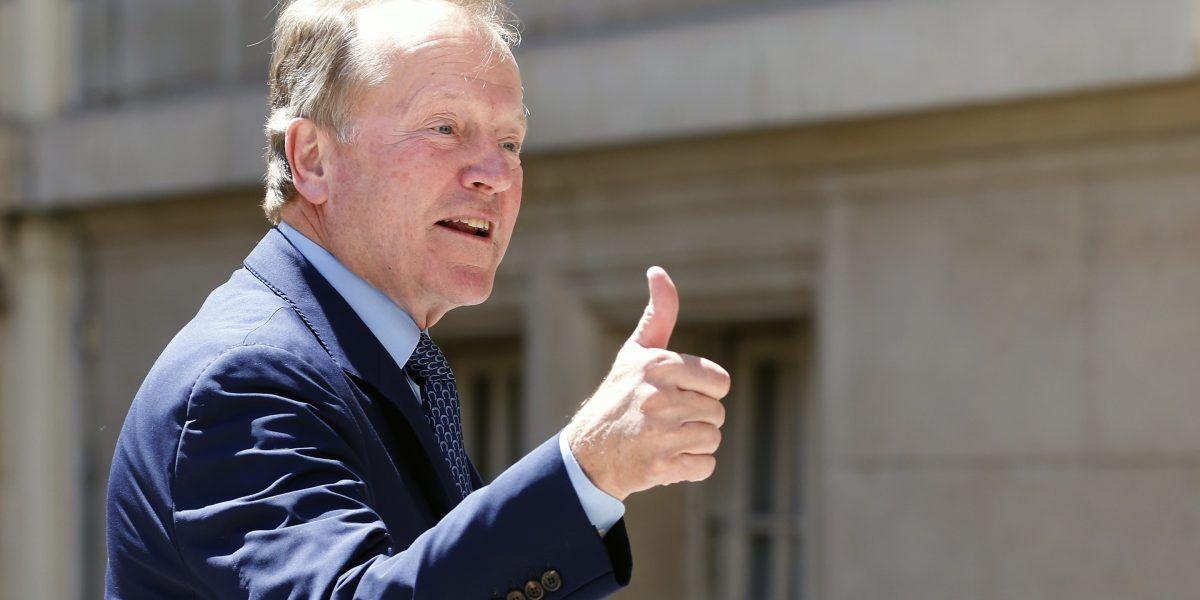
Former Cisco CEO John Chambers Warns of AI Boom Parallels to Dot-Com Bubble
03 Oct 2025•Technology
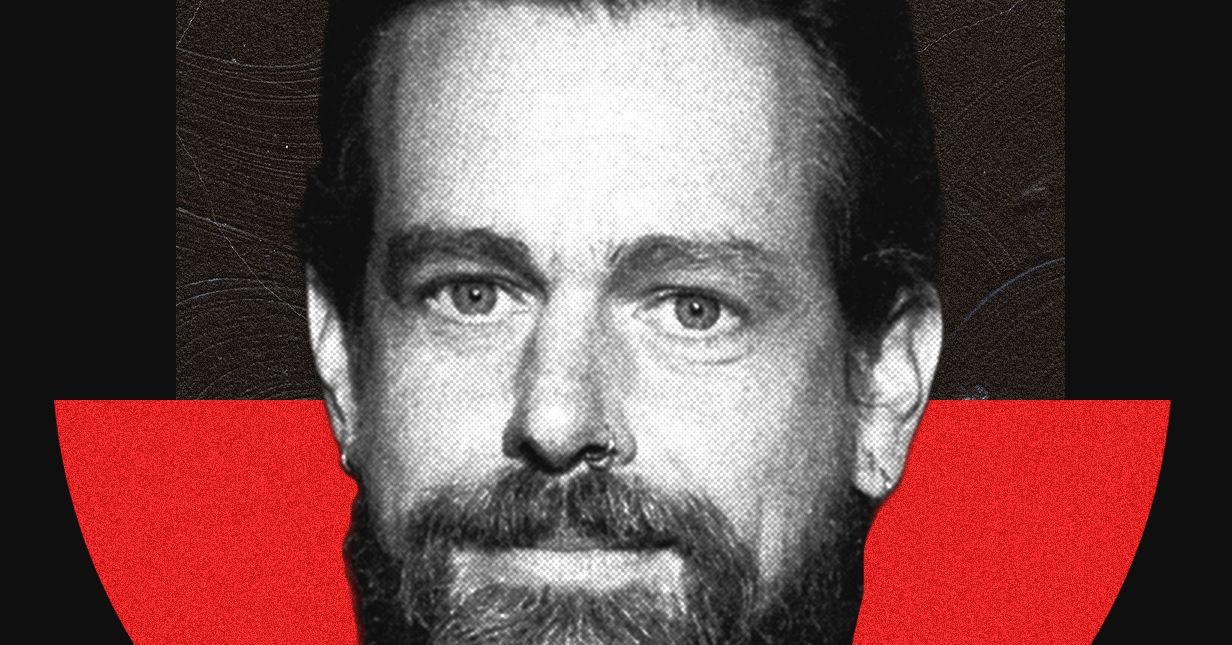
Jack Dorsey cuts 4,000 jobs at Block, citing AI tools that 'can do more and do it better'
27 Feb 2026•Business and Economy

Block's 4,000-person layoff sparks debate: AI revolution or corporate cost-cutting in disguise?
05 Mar 2026•Business and Economy
Recent Highlights
1
Tennessee Teens Sue Elon Musk's xAI Over Grok AI-Generated Child Abuse Images
Policy and Regulation
2
Pentagon designates Palantir Maven AI as core US military system in major defense shift
Technology
3
Supermicro Co-Founder Indicted in $2.5 Billion Nvidia AI Chip Smuggling Scheme to China
Policy and Regulation

Recent Highlights
Today's Top Stories










Your Daily Dose of Curated AI News
Don’t drown in AI news. We cut through the noise - filtering, ranking and summarizing the most important AI news, breakthroughs and research daily. Spend less time searching for the latest in AI and get straight to action.

