Delve halts demos as compliance allegations trigger investor retreat and fraud scrutiny


2 Sources
2 Sources
[1]
Delve halts demos, Insight Partners scrubs investment post amid 'fake compliance' allegations | TechCrunch
Delve, a Y Combinator-backed compliance startup accused of fabricating certifications for its customers, has disabled the "book a demo" feature on its website. The controversy, detailed last week in a Substack post by an anonymous whistleblower known as "DeepDelver," has apparently led Insight Partners to scrub an article explaining its $32 million investment in the startup. DeepDelver, who claims to be a former client, alleged that Delve, which was valued at $300 million during its Series A funding round last year, fabricated compliance data for its customers. The original text of the article, written by Insight Partners managing directors Teddie Wardi and Praveen Akkiraju, among others, and titled, "Scaling AI-native compliance: How Delve is saving companies time and money on compliance busywork," remains viewable here via the Wayback Machine, an internet archive that preserves snapshots of web pages. Delve's co-founders Karun Kaushik and Selin Kocalar, as well as Insight Partners, did not immediately respond to TechCrunch's request for comment. On its website, Delve claims to have helped customers such as Microsoft, Chase, PayPal, American Express, and the AI search company Perplexity cut "hundreds of hours" of compliance busywork. However, it remains unclear how many of these companies are still active users of the platform. Founded in 2023, Delve says it leverages AI to automate the process of obtaining security and regulatory certifications, including SOC 2, HIPAA, and GDPR -- standards that govern data security, health information privacy, and European data protection, respectively. In their Substack post, DeepDelver alleged that Delve "fabricated evidence of board meetings, tests, and processes that never happened," then forced customers to "choose between adopting fake evidence or performing mostly manual work with little real automation or AI." The post further alleges that Delve's platform rubber-stamps its own reports rather than undergoing a second layer of independent auditing. Delve responded to the accusations by saying it does not issue compliance reports at all, and that instead it is an "automation platform" that ingests information about compliance and then provides auditors with access to that information. Delve also said that its customers "can opt to work with an auditor of their choosing or opt to work with one from Delve's network of independent, accredited third-party audit firms." Those auditors, the startup said, are "established firms used broadly across the industry, including by other compliance platforms." In response to the accusation that it's providing customers with "fake evidence," Delve countered that it's simply offering "templates to help teams document their processes in accordance with compliance requirements, as do other compliance platforms." While the company is denying DeepDelver's allegations, the disabling of the "book a demo" function and the scrubbing of Insight Partners' investment thesis article suggest that the startup is in damage control, and that investors may be distancing themselves from the company.
[2]
The Delve Scandal: A Y Combinator Darling Just Got Hit With a Bombshell Fraud Accusation
On March 18, an anonymous Substack account named Deepdelver published a lengthy article that claimed to have evidence that Delve had been generating "fraudulent" audit reports, lying about the security measures it implements, and fabricating "evidence of board meetings, tests, and processes that never happened." The post claims that Delve "scammed" hundreds of clients including Lovable, Cluely, and Wispr Flow. Delve did not respond to Inc.'s request for a comment. Delve was founded in 2023 by Gen-Z entrepreneurs Karun Kaushik and Selin Kocalar, and was part of Y Combinator's winter 2024 batch. The company promised to use "agentic AI" to speed through compliance certification in days rather than weeks or months. For companies looking to contract with major entities like large enterprises and governments, being in compliance with industry standards like SOC 2, ISO 27001, HIPAA, and GDPR can make the difference between an RFP win and loss. CPA firms review a company's security practices and controls, then issue a report verifying that the company is in compliance with a given standard.
Share
Share
Copy Link
Y Combinator-backed Delve, valued at $300 million, faces serious fraud accusations after a whistleblower claimed the AI compliance startup fabricated certifications. The company has disabled demo bookings while investor Insight Partners scrubbed its $32 million investment announcement, signaling potential damage control as the scandal unfolds.
Delve Faces Mounting Compliance Allegations After Whistleblower Claims
Delve, a Y Combinator startup that promised to transform AI compliance automation, now finds itself at the center of explosive fraud accusations. The controversy erupted on March 18 when an anonymous whistleblower known as "DeepDelver" published a detailed Substack post alleging the company generated fraudulent audit reports and fabricated compliance data for hundreds of clients
2
. Founded in 2023 by Gen-Z entrepreneurs Karun Kaushik and Selin Kocalar as part of Y Combinator's winter 2024 batch, Delve had positioned itself as an innovator using agentic AI to streamline automated security and regulatory certifications including SOC 2, HIPAA, and GDPR2
. The platform claimed to reduce compliance timelines from weeks or months to just days.
Source: Inc.
Insight Partners Scrubs Investment Post Amid Fake Compliance Scandal
The fallout from the compliance allegations has been swift and dramatic. Insight Partners, which led a $32 million Series A funding round that valued Delve at $300 million, has scrubbed an article explaining its investment rationale from its website
1
. The original article, titled "Scaling AI-native compliance: How Delve is saving companies time and money on compliance busywork" and authored by managing directors Teddie Wardi and Praveen Akkiraju, remains accessible only through the Wayback Machine internet archive1
. This move suggests investors may be distancing themselves from the embattled Y Combinator startup as the scandal intensifies.Whistleblower Details Fabricated Compliance Data and Fraudulent Practices
DeepDelver, who claims to be a former client, made serious allegations about Delve's operations in the Substack post. The whistleblower alleged that Delve "fabricated evidence of board meetings, tests, and processes that never happened," then forced customers to "choose between adopting fake evidence or performing mostly manual work with little real automation or AI"
1
. The fraud accusation extends to claims that Delve's platform rubber-stamps its own reports rather than undergoing independent auditing1
. The post claims the company "scammed" hundreds of clients including Lovable, Cluely, and Wispr Flow2
.Related Stories

Delve Disables Demo Bookings While Denying Fraud Accusations
In response to the mounting pressure, Delve has disabled the "book a demo" feature on its website, a move that signals the company is in damage control mode
1
. The startup has denied the allegations, stating it does not issue compliance reports at all but rather operates as an "automation platform" that ingests compliance information and provides auditors with access to that data1
. Delve also countered that customers "can opt to work with an auditor of their choosing or opt to work with one from Delve's network of independent, accredited third-party audit firms" that are "established firms used broadly across the industry"1
. Regarding the fake compliance evidence claims, the company argued it simply offers "templates to help teams document their processes in accordance with compliance requirements, as do other compliance platforms"1
.High-Profile Clients and Industry Impact Raise Stakes
Delve's website claims the platform has helped major clients including Microsoft, Chase, PayPal, American Express, and AI search company Perplexity cut "hundreds of hours" of compliance busywork
1
. However, it remains unclear how many of these companies are still active users following the compliance allegations. For companies seeking contracts with large enterprises and governments, being in compliance with industry standards like SOC 2, ISO 27001, HIPAA, and GDPR can determine whether they win or lose critical RFPs2
. The security measures verification process typically involves CPA firms reviewing a company's practices and controls before issuing audit reports confirming compliance2
. Neither Karun Kaushik, Selin Kocalar, nor Insight Partners responded to requests for comment1
.References
Summarized by

Navi
[1]
Related Stories
Delve Raises $32M Series A for AI-Powered Compliance Automation
23 Jul 2025•Startups

Controversial AI Startup Cluely Raises $15M from Andreessen Horowitz, Sparking Debate on Ethics and Marketing in Tech
21 Jun 2025•Startups

DeepSeek AI: Breakthrough in Cost-Effective Development Marred by Significant Security Vulnerabilities
05 Feb 2025•Technology

Recent Highlights
1
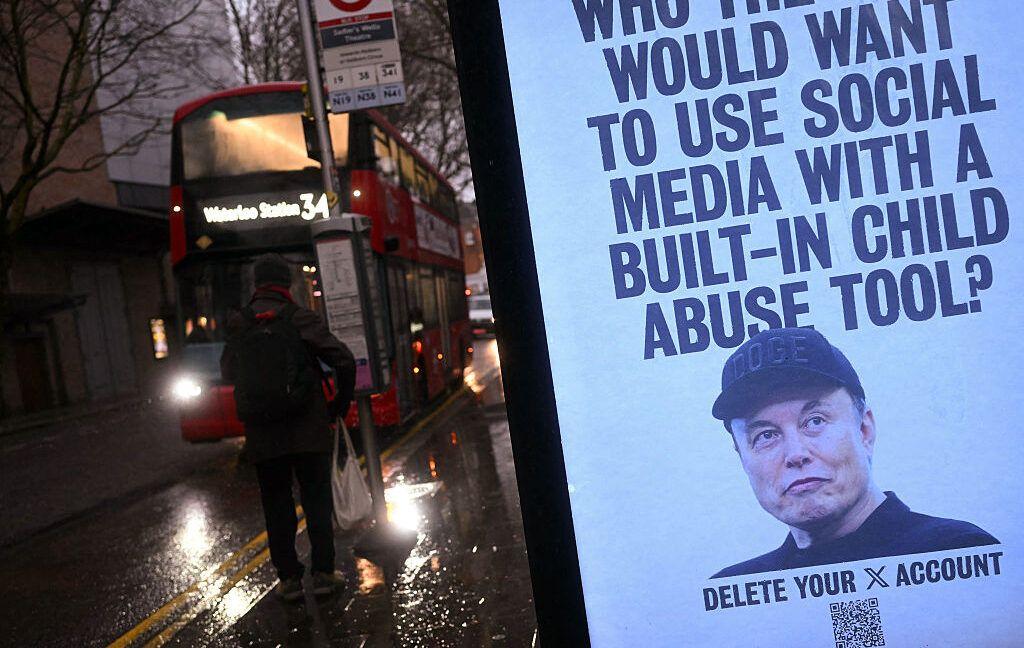
Tennessee Teens Sue Elon Musk's xAI Over Grok AI-Generated Child Abuse Images
Policy and Regulation
2
Supermicro Co-Founder Indicted in $2.5 Billion Nvidia AI Chip Smuggling Scheme to China
Policy and Regulation

3
Val Kilmer to appear posthumously in As Deep as the Grave through AI-generated performance
Entertainment and Society

Recent Highlights
Today's Top Stories






Your Daily Dose of Curated AI News
Don’t drown in AI news. We cut through the noise - filtering, ranking and summarizing the most important AI news, breakthroughs and research daily. Spend less time searching for the latest in AI and get straight to action.

