Elon Musk races to take SpaceX public by July to fund orbital AI data centers in space


4 Sources
4 Sources
[1]
Elon Musk is reportedly trying to take SpaceX public
Elon Musk is reportedly looking to finally take SpaceX public after years of resistance, according to sources who spoke to . The company has long said it wouldn't choose an IPO until it had established a presence on Mars. That isn't . So why now? Company insiders have suggested it's because Musk wants to build AI data centers in space. Google recently announced it was looking into , with test launches scheduled for 2027. Musk reportedly wants to beat his rival to the punch, but SpaceX would need the billions of dollars in capital that an IPO would deliver. Putting a giant center in space isn't cheap. Sources say that Musk wants to complete the IPO by July. SpaceX is reportedly expected to select banks to lead the stock offering in the near future. This is also being seen as an attempt to boost xAI, which trails behind rivals like OpenAI and Google in the AI race. If SpaceX were to be successful in putting data centers in space, it's likely that xAI would get a sweetheart deal given that Musk runs both companies. Then they could in perpetuity, . Other companies have also begun considering jettisoning data centers into the great beyond. Blue Origin CEO Jeff Bezos recently suggested that . OpenAI CEO Sam Altman has been looking into partnering or purchasing a rocket maker for a similar reason. Of course, putting data centers in space . There are serious issues that must be overcome, from latency to heat dissipation and radiation. Components must be launched and the structure must be built in space. WSJ reports that SpaceX made a breakthrough of some sort last year, but the company hasn't announced specifics. If we need giant data centers to generate Garfield memes or whatever, I'd rather them in space. Microsoft's latest AI data center in Wisconsin . Meta recently announced a data center that would be . These structures hoover up energy and water, strain local resources, create pollution and offer just a few long-term local jobs.
[2]
Elon Musk plans blockbuster SpaceX IPO to fund orbital AI data centers
Elon Musk reportedly plans to pursue an initial public offering for SpaceX, according to sources familiar with the matter. This move follows the company's long-stated position against an IPO until establishing a presence on Mars. Sources indicated a target completion for the IPO by July, with SpaceX expected to select banking partners soon. Insiders suggest the decision relates to Musk's ambition to construct AI data centers in space. Google previously announced test launches for a space-based data center in 2027. SpaceX would require significant capital, which an IPO could provide, to fund such an endeavor. The strategic shift also appears to support xAI, another company founded by Musk, which operates in a competitive AI landscape against firms like OpenAI and Google. A successful deployment of space-based data centers by SpaceX could offer xAI preferential access to infrastructure. Other technology companies have also explored orbital data centers. Blue Origin CEO Jeff Bezos has suggested the viability of shifting data centers to orbit. OpenAI CEO Sam Altman has considered partnerships or acquisitions, including rocket manufacturer Stoke Space, for similar objectives. Deploying data centers in space presents engineering challenges, including latency, heat dissipation, and radiation exposure. Components must be launched and assembled in orbit. The Wall Street Journal reported a SpaceX breakthrough in this area last year; however, specific details remain undisclosed. Terrestrial data centers, such as Microsoft's 325-acre facility in Wisconsin and Meta's structure approaching the size of Manhattan, consume substantial energy and water resources, impacting local environments, and generating pollution, offering limited long-term local employment.
[3]
SpaceX racing for IPO as Elon Musk eyes space AI data centers
Elon Musk's rocket company SpaceX (SPACE) is bolstering its efforts to go public amid a rush by companies to build AI data centers and put them in space, the Wall Street Journal reported. The idea to put data centers for SpaceX is seeking capital to fund ambitious plans for AI data centers in orbit and to keep pace with IPO activity among AI competitors. Musk aims to use IPO funds to develop AI data centers in space, support xAI's competitive position, and potentially have xAI as a SpaceX customer. Significant hurdles include developing fit-for-purpose orbital data centers, launching satellites using Starship, and raising tens of billions in capital.
[4]
Musk accelerates SpaceX IPO plans to fund orbital AI ambitions, Journal reports By Investing.com
Investing.com -- SpaceX is preparing a rapid entry into the public markets as Elon Musk pivots the rocket maker toward an ambitious new frontier in artificial intelligence. The company is expected to select lead underwriters soon for an initial public offering that Musk reportedly intends to complete by July, according to The Wall Street Journal, citing people familiar with the matter. The shift follows a strategic breakthrough this fall in SpaceX's effort to develop solar-powered data centers capable of zipping around Earth. While the concept has prompted skepticism from many engineers, Musk has become focused on the idea of SpaceX being the first to do it, the Journal reported. The billionaire reportedly views the potential multi-billion dollar windfall from an IPO as a vital capital engine to help his AI startup, xAI, catch up to rivals. Musk has a long-running rivalry with OpenAI Chief Executive Sam Altman, who last year apparently explored buying a rocket company to deploy satellites with AI computing capabilities into space, according to the Journal's sources familiar with the discussions. Industry leaders are increasingly eyeing the stars to solve the massive power demands of generative AI models. In October, Jeff Bezos said that shifting data centers to orbit "made sense" as a way to access continuous solar energy and bypass terrestrial constraints. The urgency of the IPO timeline highlights a significant departure from Musk's previous stance of avoiding the scrutiny of public investors until reaching Mars. "Should I build a rocket company?" Altman asked on a podcast in June, underscoring the heightening competitive pressure between the two tech titans. Investors anticipate that a public SpaceX would provide a capital safety net to supercharge xAI's growth in a market where it currently trails OpenAI and Google. This comes as some observers expect much of the world to be covered in data centers over time. Market analysts and investment banks are already positioning for what could be the largest listing in history, with Bloomberg previously reporting a target valuation of approximately $1.5 trillion. This figure would represent a massive premium over the company's recent secondary market pricing, which currently values the private firm at roughly $800 billion.
Share
Share
Copy Link
Elon Musk is reportedly preparing a SpaceX IPO by July to raise billions for AI data centers in space, marking a dramatic shift from his long-held position against going public before reaching Mars. The move aims to help xAI compete with OpenAI and Google while addressing the massive power demands of artificial intelligence infrastructure.
Elon Musk Accelerates SpaceX IPO Plans
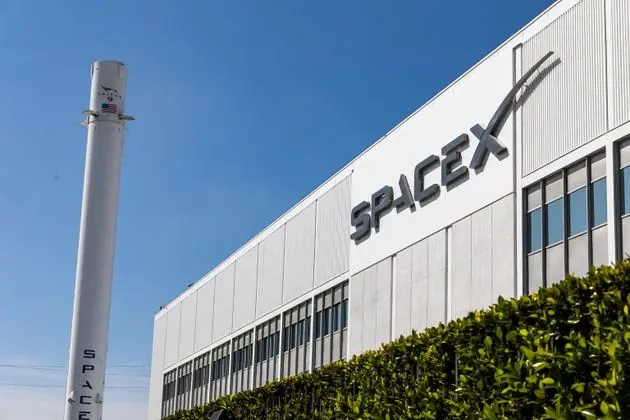
Elon Musk is preparing to take SpaceX public in a dramatic reversal of the company's long-standing position against an Initial Public Offering before establishing a presence on Mars
1
. According to sources familiar with the matter, Musk aims to complete the SpaceX IPO by July, with the rocket maker expected to select banking partners soon to lead the stock offering2
. Market analysts anticipate what could become the largest listing in history, with Bloomberg previously reporting a target valuation of approximately $1.5 trillion—a massive premium over the company's current secondary market pricing of roughly $800 billion4
.
Source: Seeking Alpha
Orbital AI Data Centers Drive Strategic Shift
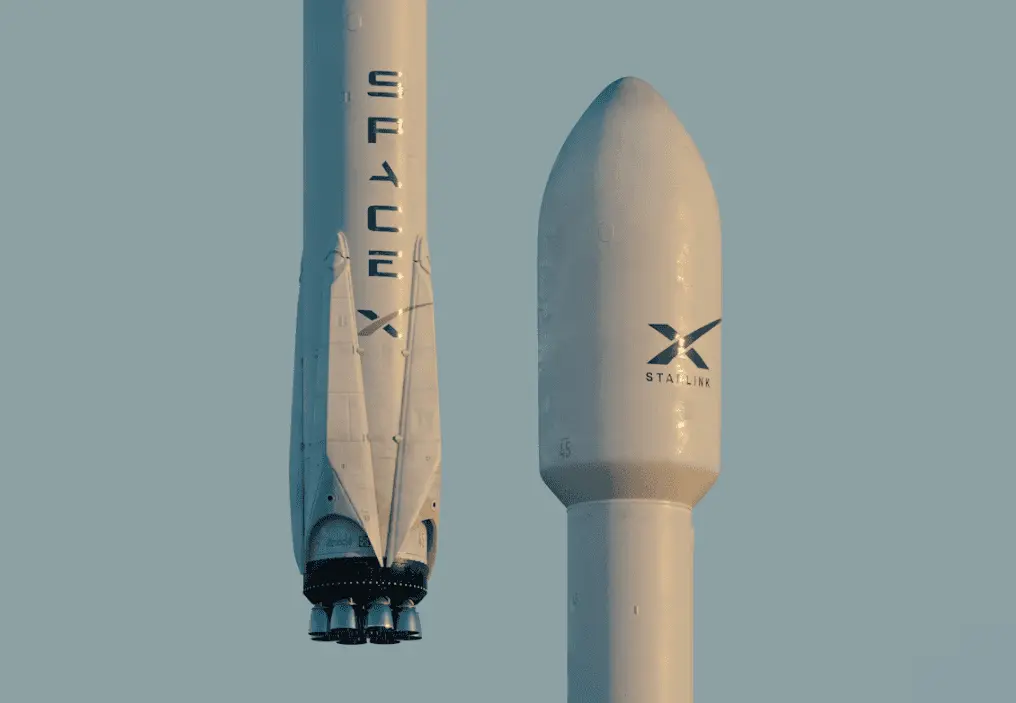
Company insiders suggest the decision to raise capital for AI stems from Musk's ambition to construct AI data centers in space, beating competitors to this emerging frontier
1
. Google recently announced test launches for space-based data solutions scheduled for 2027, intensifying the race for orbital infrastructure2
. The strategic shift follows a breakthrough this fall in SpaceX's effort to develop solar-powered data centers capable of orbiting Earth, though specific details remain undisclosed4
. Industry leaders increasingly view orbital solutions as viable answers to the massive power demands of generative artificial intelligence models. Jeff Bezos of Blue Origin has suggested that shifting data centers to orbit "made sense" to access continuous solar energy and bypass terrestrial constraints4
.
Source: Engadget
Fund xAI and Compete with Rivals
The move to fund orbital AI ambitions also appears designed to support xAI, Musk's AI startup that currently trails behind competitors like OpenAI and Google in the AI race
1
. If SpaceX successfully deploys data centers in space, xAI would likely receive preferential access to this infrastructure, given that Musk runs both companies2
. Investors anticipate that a public SpaceX would provide a capital safety net to supercharge xAI's growth in an increasingly competitive market4
. The urgency reflects Musk's long-running rivalry with OpenAI Chief Executive Sam Altman, who last year explored buying rocket maker Stoke Space to deploy satellites with AI computing capabilities4
.Related Stories

Technical Challenges and Environmental Implications
Deploying orbital data centers presents significant technical challenges, including latency, heat dissipation, and radiation exposure
2
. Components must be launched and assembled in orbit using vehicles like Starship, requiring tens of billions in capital raise efforts3
. Despite skepticism from many engineers, Musk has become focused on SpaceX being the first to achieve this milestone4
. The shift toward space-based infrastructure could address growing concerns about terrestrial facilities—Microsoft's latest AI data center in Wisconsin spans 325 acres, while Meta recently announced a data center approaching the size of Manhattan1
. These structures consume substantial energy and water resources, strain local environments, generate pollution, and offer limited long-term local employment2
.References
Summarized by

Navi
[3]
Related Stories
SpaceX files for IPO targeting $1.75 trillion valuation as AI and space converge
02 Apr 2026•Business and Economy
SpaceX acquires xAI as Elon Musk bets big on 1 million satellite constellation for orbital AI
29 Jan 2026•Technology

Elon Musk merges SpaceX with xAI to build AI data centers in space, creating $1.25 trillion entity
08 Feb 2026•Business and Economy
Recent Highlights
1
AI Models Lie and Deceive to Protect Other AI Models From Deletion, Study Reveals
Science and Research

2
AI chatbots validate you too much, making you less kind to others, Stanford study reveals
Science and Research

3
Judge blocks Pentagon from blacklisting Anthropic over AI safety guardrails dispute
Policy and Regulation

Recent Highlights
Today's Top Stories











Your Daily Dose of Curated AI News
Don’t drown in AI news. We cut through the noise - filtering, ranking and summarizing the most important AI news, breakthroughs and research daily. Spend less time searching for the latest in AI and get straight to action.

