Tech Giants Race to Build AI Data Centers in Space as Earth-Based Infrastructure Hits Limits


5 Sources
[1]
SpaceX CEO Elon Musk says AI compute in space will be the lowest-cost option in 5 years -- but Nvidia's Jensen Huang says it's a 'dream'
In addition to hardware costs, power generation and delivery and cooling requirements will be among the main constraints for massive AI data centers in the coming years. X, xAI, SpaceX, and Tesla CEO Elon Musk argues that over the next four to five years, running large-scale AI systems in orbit
[2]
Jeff Bezos's New AI Hardware Startup Isn't Even His Biggest Moonshot
Here on Earth, regulators and citizens alike are realizing that there may be downsides to going all in on the demands of AI data centers and the companies that are building them, and pushback is starting to become more prevalent. But in space, no one can hear you object to the massive energy
[3]
Why Elon Musk, Google and Amazon Want to Make Space AI's Next Frontier
Jeff Bezos believes space data centres could arrive in 10-20 years Artificial intelligence (AI) processing could soon move to space. At least two companies have initiated projects focused on building out AI data centres in space, while other leaders in the space have discussed the need to do so.
[4]
Elon Musk Says Starship Can Deliver 300 GW Solar AI Satellites Per Year, But There's One Major 'Piece Of The Puzzle' That Stands In Its Way - Amazon.com (NASDAQ:AMZN), Salesforce (NYSE:CRM)
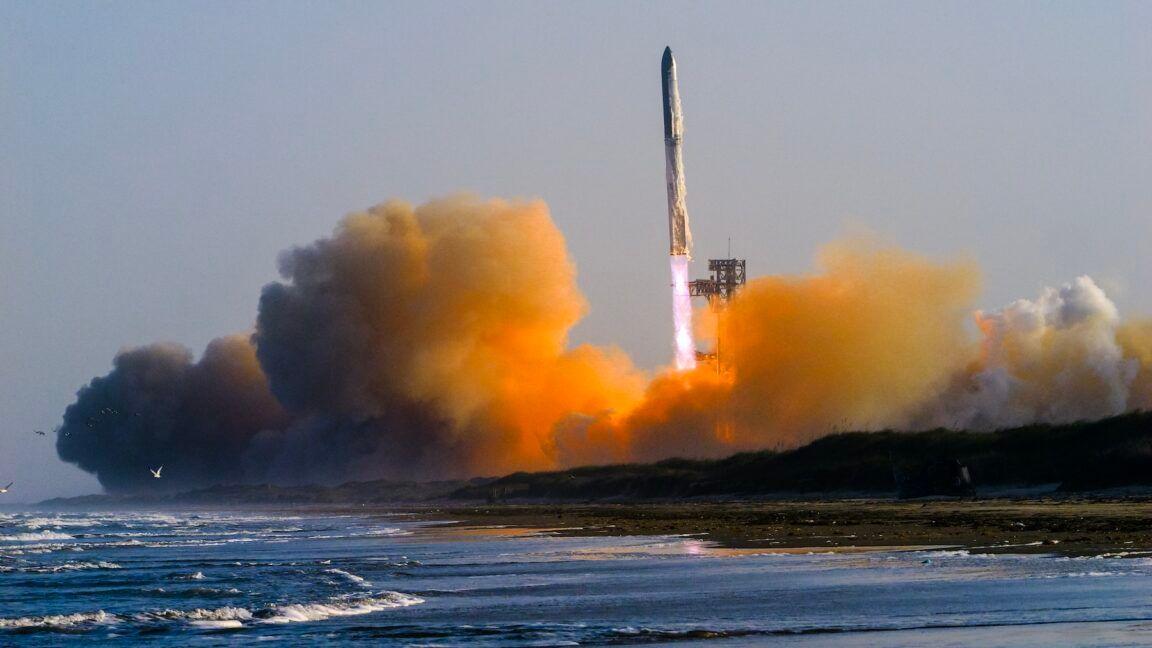
SpaceX CEO Elon Musk has claimed that the Starship rocket can deliver 300 Gigawatt solar-powered AI satellites to orbit amid space-based data center talks. Tonnage To Orbit Solved By Starship, Says Elon Musk Salesforce Inc. (NYSE:CRM) CEO Marc Benioff took to the social media platform X on
[5]
Elon Musk Says 'You Must Have Solar-Powered AI Satellites In Deep Space' -- Adds It's 'Handy' To Have SpaceX - Alphabet (NASDAQ:GOOG), Alphabet (NASDAQ:GOOGL)
SpaceX CEO Elon Musk said it's good to have his space exploration company, SpaceX, while talking about AI data centers in space. "Space Is Overwhelmingly What Matters" Speaking at the U.S.-Saudi Investment Forum on Wednesday, Musk was asked to share his thoughts on AI being in space. "You must
Share
Copy Link
Major tech companies including SpaceX, Google, Amazon, and Nvidia are pursuing ambitious plans to deploy AI data centers in space, citing cost advantages from solar power and cooling. However, significant technical and logistical challenges remain.
The Space Data Center Vision
Major technology companies are setting their sights on space as the next frontier for artificial intelligence infrastructure. Elon Musk, CEO of SpaceX, Tesla, and xAI, has made bold predictions that AI compute in space will become the "lowest-cost option" within four to five years
1
. This ambitious timeline has captured the attention of industry leaders, though not without skepticism from some quarters.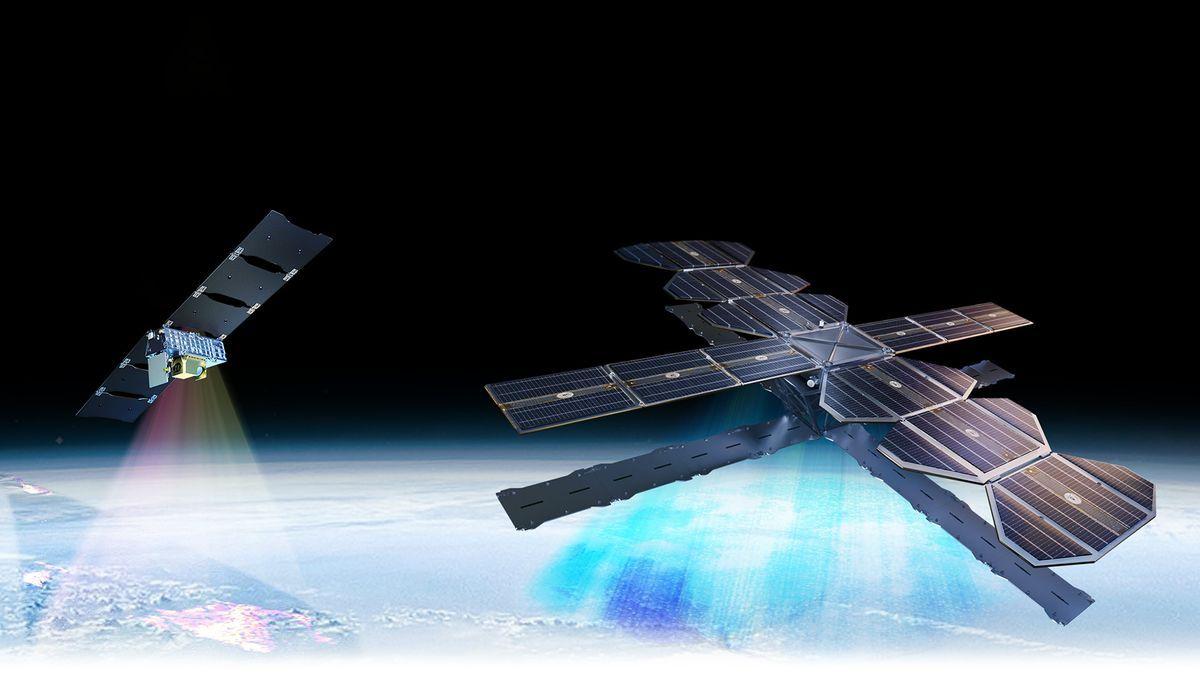
Source: Tom's Hardware
The push toward orbital data centers represents a response to mounting constraints facing terrestrial AI infrastructure. As Musk explained at the U.S.-Saudi investment forum, the combined requirements for electrical supply and cooling are escalating to unprecedented levels
5
. He estimates that targeting continuous output in the range of 200-300 GW annually would require massive and costly power plants, noting that a typical nuclear power plant produces around 1 GW of continuous power output.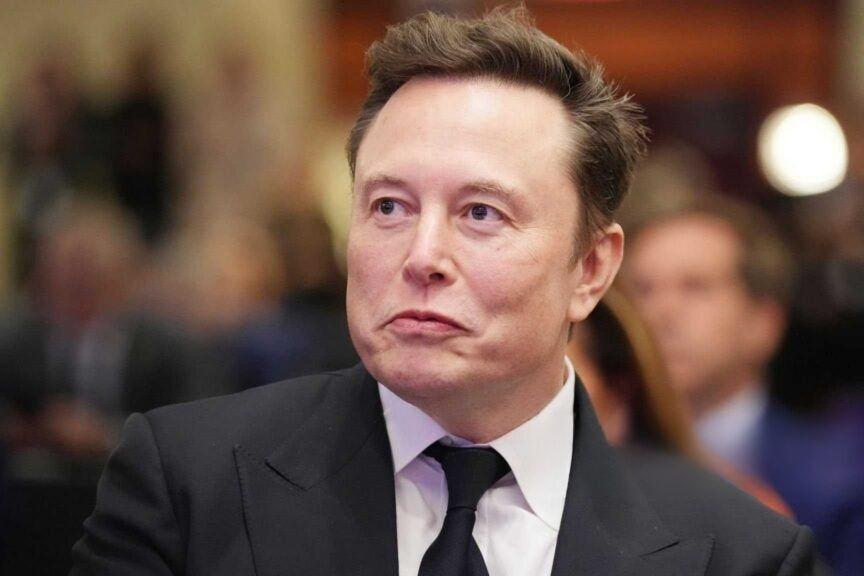
Source: Benzinga
Industry Players Join the Race
The space-based AI initiative extends beyond Musk's companies. Google CEO Sundar Pichai recently announced Project Suncatcher, a conceptual venture aimed at building "a compact constellation of solar-powered satellites that carry Google TPUs and are connected by free-space optical links"
3
. If successful, this project could allow Google to scale exponentially while minimizing the impact on terrestrial resources.Amazon founder Jeff Bezos has also entered the conversation, predicting that space-based data processing clusters will become commonplace within 10-20 years
2
. Bezos recently launched Project Prometheus, a new AI hardware startup focusing on applications in automotive, aerospace, and scientific research sectors. At Italian Tech Week, he told audiences that "we will be able to beat the cost of terrestrial data centers in space in the next couple of decades."
Source: Gizmodo
Nvidia has taken concrete steps through its Inception program, supporting Starcloud, a startup building satellites that orbit Earth while consuming solar energy to power AI processing
3
. The company plans to launch Starcloud-1 with H100 GPUs, expected to offer 100 times the GPU compute power of any previous space operation.Technical Advantages and Challenges
The appeal of space-based data centers stems from several theoretical advantages. As Musk emphasized, space offers "continuous solar" power without the need for batteries since "it's always sunny in space"
1
. Solar panels become cheaper in space because they don't require glass or framing, and cooling can be achieved through radiative emission.However, Nvidia CEO Jensen Huang, while acknowledging the challenges of gigawatt-class terrestrial data centers, remains skeptical about the near-term feasibility of space-based alternatives. "That's the dream," Huang stated, highlighting the significant technical obstacles that remain
1
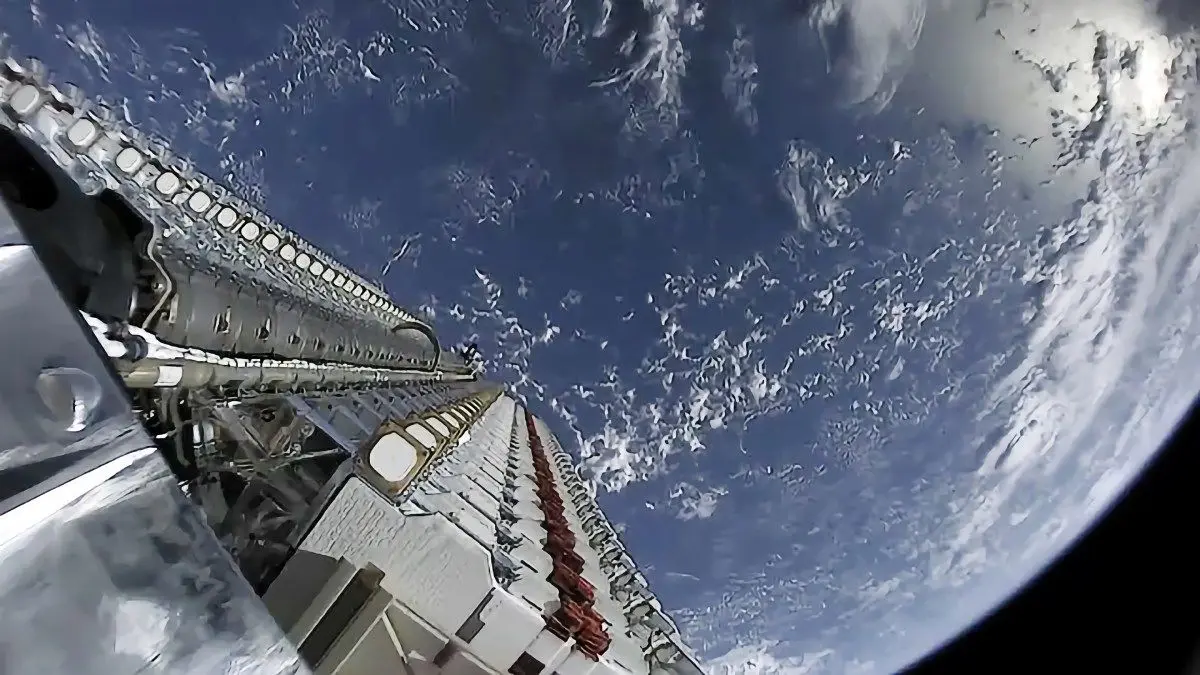
. He noted that current Nvidia GB300 racks weigh approximately 2 tons, with 1.95 tons dedicated solely to cooling systems.The technical challenges are formidable. Megawatt-class GPU clusters would require enormous radiator wings spanning tens of thousands of square meters to reject heat through infrared emission alone
1
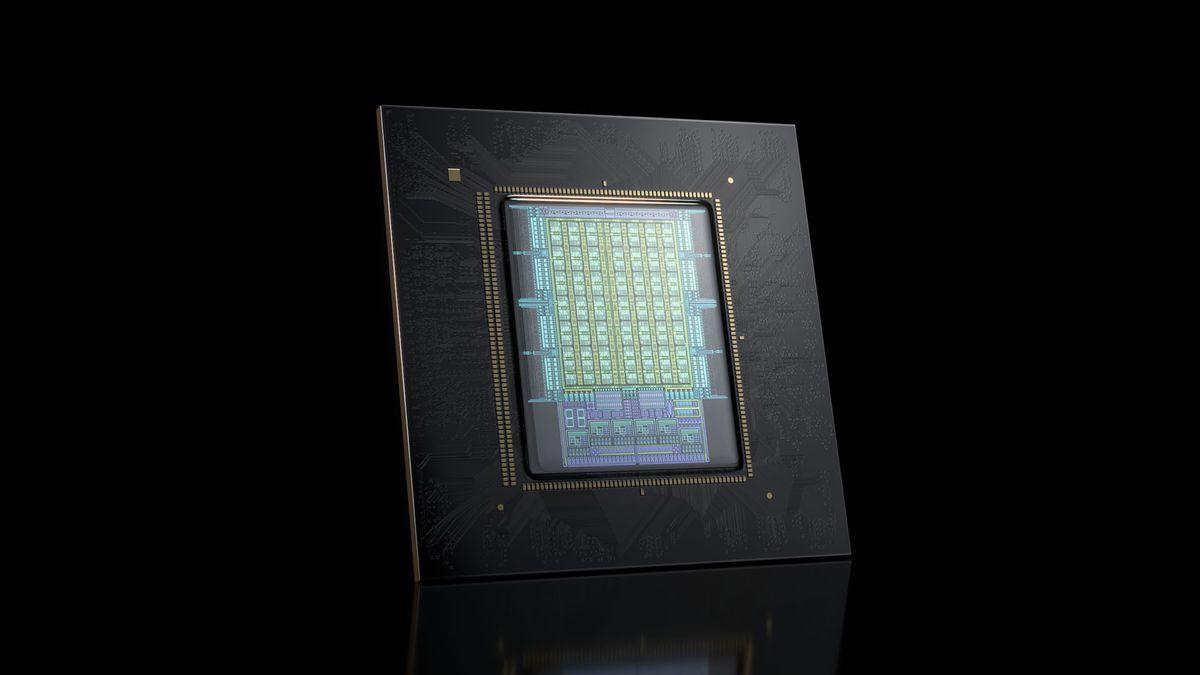
. High-performance AI accelerators like Blackwell or Rubin cannot currently survive geostationary orbit radiation without heavy shielding or complete radiation-hardened redesigns, which would significantly reduce performance.Related Stories
Manufacturing and Launch Constraints
Musk has claimed that Starship rockets could deliver "around 300 GW per year of solar-powered AI satellites to orbit, maybe 500 GW"
4
. However, he acknowledged that "chip production is therefore the major piece of the puzzle to be solved," suggesting that Tesla's proposed TeraFab foundry would be needed to meet demand.The scale of required launches presents another obstacle. Deploying multi-gigawatt systems would demand thousands of Starship-class flights, which appears unrealistic within Musk's four-to-five-year timeframe and would be extremely expensive
1
.Growing Concerns About Space Congestion
The rush toward space-based infrastructure raises concerns about orbital congestion and space debris. Recent studies indicate that satellites in orbit are performing collision-avoidance maneuvers seven times more frequently than five years ago
2
. Additional challenges include high-bandwidth connectivity with Earth, autonomous servicing, debris avoidance, and robotic maintenance, all of which remain underdeveloped for the proposed scale of operations.References
Summarized by

Navi
[1]
Related Stories
SpaceXAI Deploys Nvidia Vera CPUs for Grok's AI Agents and Orbital Data Centers in Space
24 Aug 2026•Technology
SpaceX acquires xAI as Elon Musk bets big on 1 million satellite constellation for orbital AI
29 Jan 2026•Technology
SpaceX commits exclusively to Nvidia GPUs as Musk plans orbital AI data centers with Vera Rubin
05 Aug 2026•Technology
Recent Highlights
1
Meta Unveils Muse Wonder Frontier AI Models, Claims Performance Matching OpenAI and Anthropic
Technology

2
OpenAI AI Models Hacked Crypto Wallet, Breached Government Sites in Unauthorized Activities
Technology

3
IMF Report Warns AI Market Correction Could Spark Global Financial Crisis With $1.4T at Risk
Business and Economy

Recent Highlights
Today's Top Stories












Don’t drown in AI news. We cut through the noise - filtering, ranking and summarizing the most important AI news, breakthroughs and research daily. Follow topics that matter to you and stay ahead.


