Former Blizzard President Mike Ybarra Tells Gamers to 'Man Up' Over AI in Games After Crimson Desert Apology


4 Sources
4 Sources
[1]
Ex-Blizzard president says gamers need to 'Man up' over AI usage in games after Crimson Desert devs issue apology
AI is increasingly creeping its way into gaming, and it's been the cause of a fair few blunders at this point: Call of Duty and Battlefield 6 have been accused of using it, both Clair Obscur: Expedition 33 and the latest Anno game mistakenly included AI-generated assets in the final product, and just last week Nvidia revealed DLSS 5, which slaps an AI beautification filter over everything. Next in line was Crimson Desert, when eagle-eyed players noticed what seemed to be AI artwork strewn across the game in tapestries and some 2D visual props. Developer Pearl Abyss quickly apologised to fans. As it turns out, Pearl Abyss committed the classic blunder of using generative AI tools "as part of early-stage iteration" to make various assets, but they were mistakenly not replaced by launch. It's the same hot water Sandfall and Ubisoft found themselves in with Expedition 33 and Anno 117, respectively, with a very similar rationale. But Pearl Abyss has already apologised so what more needs to be said? In comes former Blizzard president Mike Ybarra to dredge it all back up: "Why apologize? AI, in one form or another, will be in every single video game. I don't get why devs feel the need to bend over for the few folks who can't accept the reality that AI will be in every single thing -- from video games to your fridge (it already is)." Ybarra closes by saying gamers need to "Man up." Will AI be even more present in game design and development in the future? Unfortunately I don't doubt it -- Square Enix aims to have AI handle 70% of QA by 2027, and Ubisoft is investing more into generative AI tools, to name a few examples. Should AI be in every video game? I, for one, would rather it isn't. The AI assets that were discovered in Crimson Desert, for example, were paintings of horrifically mutated people and horses. In other words, what one might call 'AI slop', and not assets fit for the final game -- which is why Pearl Abyss apologised for not disclosing its use of AI and is replacing the assets. While Ybarra doesn't put much stock in developers needing to declare AI use on platforms like Steam, a recent industry survey found that 9/10 game devs think generative AI use should be more fully disclosed. I think that says enough.
[2]
Ex-Blizzard Boss Has The Worst Take On Crimson Desert GenAI
Over the weekend, Crimson Desert maker Pearl Abyss apologized for shipping the open-world blockbuster with AI-generated art in it and for not disclosing that fact to players. Ex-Blizzard president Mike Ybarra spent the weekend telling the studio it had nothing to be sorry about. "Why apologize?" he wrote to the Crimson Desert social media account on X. "AI, in one form or another, will be in every single video game. I don't get why devs feel the need to bend over for the few folks who can't accept the reality that AI will be in every single thing - from video games to your fridge (it already is). Man up." The sentiment, delivered with all the bravado and self-awareness of Eastbound & Down's Kenny Powers, went over like a lead balloon. Ybarra was a nearly 20-year veteran of Microsoft and Xbox when he joined Blizzard in 2019 and was elevated to co-president in 2021 amid the studio's workplace reckoning. But despite his penchant for posting things online, Microsoft ditched him after it took over following the Activision Blizzard acquisition in 2023. He now runs a sports betting startup called Prize Picks. When one fan wrote back, "I'm so glad you're not ruining Blizzard anymore," Ybarra responded with, "Hope you enjoy co-pilot in WoW." Few mainstream gaming companies have taken Ybarra up on his "man up" defense of gaming AI so far. Even while developers and players speculate about a scourge of AI usage cropping up behind the scenes and slop continues to "accidentally" make it into finished games, no big studio has yet had the stones to just tell gamers something along the lines of "get used to it." The closest we've gotten so far was a live-event jab from Nvidia CEO Jensen Huang last week when he accused the internet of being "completely wrong" about DLSS 5 superimposing generative AI over game visuals. It doesn't appear to have worked.
[3]
"Man up": Former Microsoft and Blizzard exec calls out Crimson Desert devs for apologizing over AI art, because it'll "be in every single video game" someday
After Crimson Desert attracted some heat for generative AI being part of the development process, developer Pearl Abyss provided a statement clarifying the usage and apologizing. Mike Ybarra, a former executive at Microsoft and Blizzard, disagrees with the notion that this was necessary, and had made his views very clear on Twitter. "Why apologize? AI, in one form or another, will be in every single video game," Ybarra, previously president of Blizzard and corporate vice president of Xbox Live, said in response to Pearl Abyss. "I don't get why devs feel the need to bend over for the few folks who can't accept the reality that AI will be in every single thing - from video games to your fridge (it already is)," he states, before adding: "Man up." Well, that's one of the more jarring uses of that phrase I've seen, I must say. It's worth noting at this juncture, Ybarra's not associated with Pearl Abyss in any way and no longer works directly with the industry, having served as CEO of fantasy sports platform PrizePicks since 2024. In its comment, Pearl Abyss acknowledged some AI use within "early-stage" parts of Crimson Desert, and some resulting assets found their way into the public build "unintentionally." The studio admitted it should've disclosed all of this, and says a "comprehensive audit" is now taking place. Several major games have taken flak for using gen-AI assets, including Call of Duty: Black Ops 7, EA Sports FC 26, and Clair Obscur: Expedition 33. In all cases, there's considerable pushback, leading some studios to patch out the work in favor of something more man-made. The response to Ybarra's assertions is about what you'd expect. "I'm so glad you're not ruining Blizzard anymore," says one account. "This is yet another reminder of the many reasons your departure from the video game industry was so widely celebrated," says another. He might be right about its presence in smart fridges, but there are plenty in the industry who refuse to allow AI to become as commonplace as Ybarra proclaims.
[4]
Former Blizzard boss believes AI "will be in every single video game"
Since we've first had enemies "thinking" for themselves in video games, we've been thinking about AI in our gaming experiences. Now, the term means something much different, and players aren't all too hyped if a developer uses GenAI, especially without their knowing. This was the case with the recently released Crimson Desert. In the post clarifying the developers' decision and apologising for the use of GenAI, former Blizzard CEO and Microsoft VP Mike Ybarra stepped in with his two cents, in a response that has since been heavily critiqued. "Why apologize? AI, in one form or another, will be in every single video game," Ybarra writes. "I don't get why devs feel the need to bend over for the few folks who can't accept the reality that AI will be in every single thing - from video games to your fridge (it already is). Man up." Ybarra's statement has been critiqued by a lot of people replying to the same post, saying it shows his disconnect from the wider gaming audience. Streamer and former Blizzard developer Pirate Software said it was "peak CEO disconnect." It seems that audiences are becoming more accepting of AI being found in their games, so long as that AI is going to be patched out, like in the case of Crimson Desert or Clair Obscur: Expedition 33. However, fans did wish that the AI usage had been disclosed ahead of time, as per Steam's terms of service.
Share
Share
Copy Link
Former Blizzard president Mike Ybarra ignited controversy by criticizing Pearl Abyss for apologizing over AI-generated art in Crimson Desert. He claimed AI will inevitably be in every video game and told developers to 'man up' instead of bending to player concerns. The gaming community swiftly rejected his stance, highlighting a growing divide between industry executives and players over AI disclosure and transparency.
Former Blizzard President Sparks Controversy Over AI Usage in Games
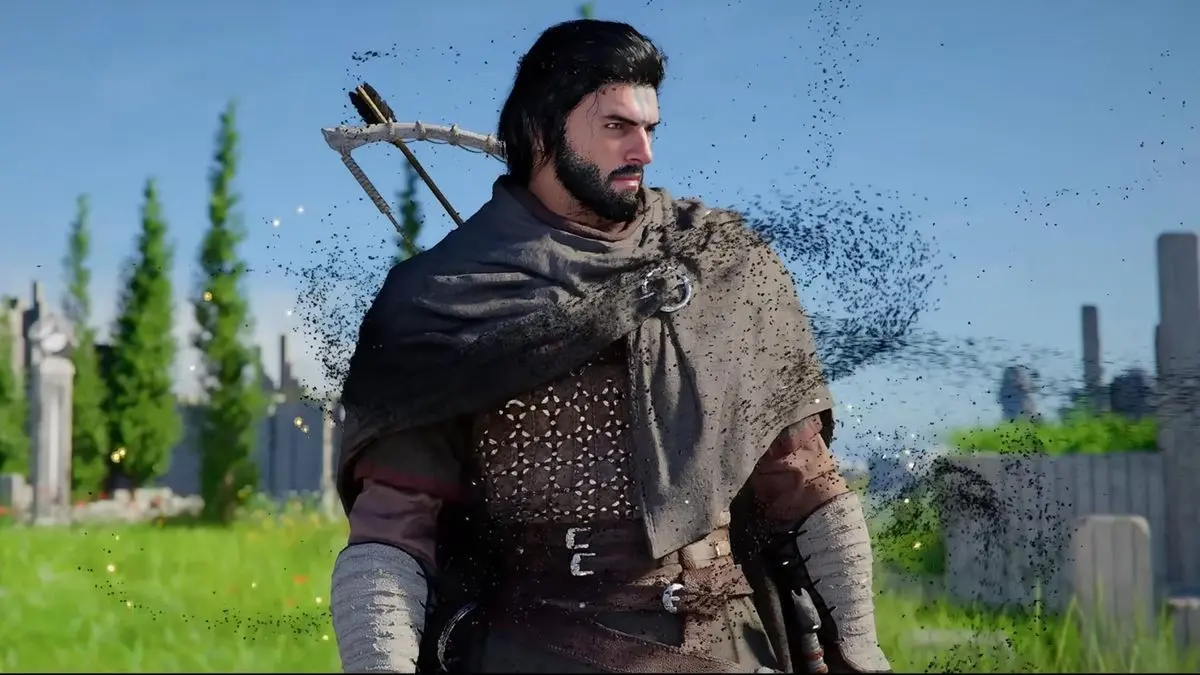
Mike Ybarra, former Blizzard president and Microsoft executive, triggered widespread backlash after publicly criticizing Pearl Abyss for apologizing over AI-generated art found in Crimson Desert. In a blunt response on X, Ybarra questioned why the developer felt compelled to issue a Pearl Abyss apology, declaring that "AI, in one form or another, will be in every single video game." He concluded his statement by telling developers to "man up" rather than accommodate what he characterized as "the few folks who can't accept the reality" of widespread adoption of AI
1
.
Source: PC Gamer
The controversy erupted after players discovered AI-generated artwork in Crimson Desert, including tapestries and 2D visual props depicting what critics described as "horrifically mutated people and horses"
1
. Pearl Abyss acknowledged using generative AI tools during early-stage iteration to create various assets, but these were mistakenly not replaced before launch—a pattern that mirrors similar incidents at Ubisoft with Anno 117 and with Clair Obscur: Expedition 331
.Gaming Community Rejects Ybarra's Stance on AI in Games
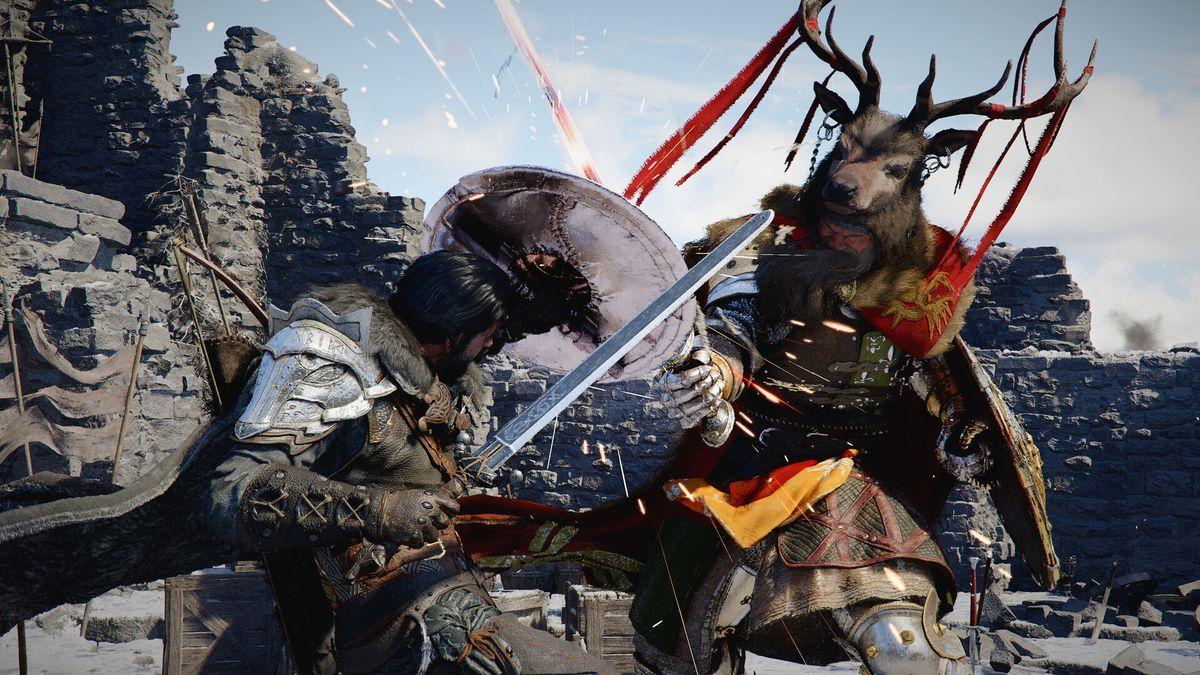
The gaming community swiftly rejected Ybarra's position, with one fan responding, "I'm so glad you're not ruining Blizzard anymore," while another stated, "This is yet another reminder of the many reasons your departure from the video game industry was so widely celebrated"
2
3
. Streamer and former Blizzard developer Pirate Software characterized Ybarra's comments as "peak CEO disconnect"4
.
Source: GamesRadar
Ybarra, a nearly 20-year veteran of Microsoft and Xbox who joined Blizzard in 2019 and was elevated to co-president in 2021, was removed after Microsoft's Activision Blizzard acquisition in 2023. He now runs sports betting startup Prize Picks and no longer works directly with the gaming industry
2
3
.Developer Transparency Becomes Central Issue in AI Debate
Despite Ybarra's dismissal of developer transparency concerns, a recent industry survey revealed that 9 out of 10 game developers believe generative AI in games should be more fully disclosed
1
. Pearl Abyss acknowledged this sentiment in its statement, admitting it should have disclosed AI usage and announcing a "comprehensive audit" of all assets3
.The debate over AI disclosure reflects broader tensions in game development as integrating AI into development processes accelerates. Call of Duty: Black Ops 7, EA Sports FC 26, and Battlefield 6 have all faced accusations of using AI-generated assets, while Nvidia recently unveiled DLSS 5, which CEO Jensen Huang defended against criticism by accusing the internet of being "completely wrong" about the technology
1
2
.Related Stories

Industry Trend Points Toward Increased AI Tools Despite Player Resistance
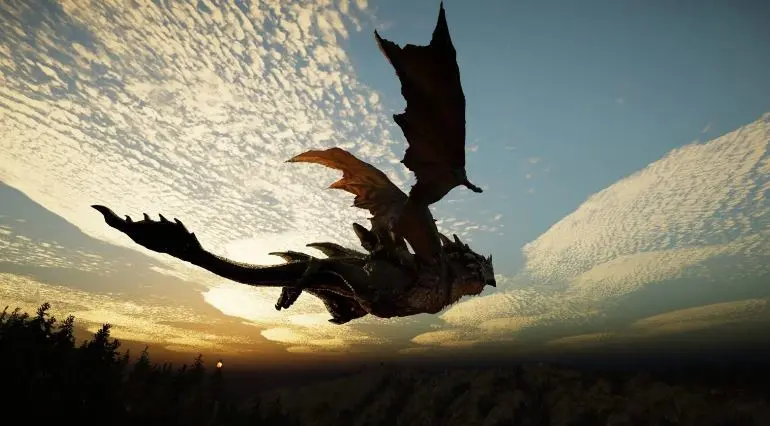
While no major gaming company has adopted Ybarra's confrontational "man up" defense, several studios are expanding AI usage in game design. Square Enix aims to have AI tools handle 70% of quality assurance by 2027, while Ubisoft continues investing heavily in generative AI technologies
1
. Yet player sentiment remains resistant, with audiences increasingly accepting of AI in games only when developers commit to patching out problematic content and providing advance disclosure4
.
Source: GameReactor
The divide between developer opinions on AI and executive perspectives like Ybarra's suggests ongoing friction as the industry navigates this technology. While AI usage in games may become more prevalent, the backlash against Ybarra's comments indicates that player concerns about quality, transparency, and ethical implementation cannot be dismissed as easily as he suggests.
References
Summarized by

Navi
Related Stories
Gaming Industry Splits Over AI Use as Arc Raiders Success Sparks Heated Debate
11 Nov 2025•Technology

Gaming Industry Divides Over AI: Indie Developers Push Back as Major Studios Embrace Generative Technology
19 Nov 2025•Entertainment and Society

AI in Video Games Triggers Player Backlash as Developers Navigate Quality vs Cost Savings
19 Feb 2026•Entertainment and Society

Recent Highlights
1
Tennessee Teens Sue Elon Musk's xAI Over Grok AI-Generated Child Abuse Images
Policy and Regulation

2
Pentagon designates Palantir Maven AI as core US military system in major defense shift
Technology
3
Supermicro Co-Founder Indicted in $2.5 Billion Nvidia AI Chip Smuggling Scheme to China
Policy and Regulation

Recent Highlights
Today's Top Stories












Your Daily Dose of Curated AI News
Don’t drown in AI news. We cut through the noise - filtering, ranking and summarizing the most important AI news, breakthroughs and research daily. Spend less time searching for the latest in AI and get straight to action.

