Fashion brands split on AI-generated models as consumer trust becomes the new battleground


2 Sources
2 Sources
[1]
This male model sporting a crisp summer shirt isn't real. Will consumers care?
Megan Cerullo is a New York-based reporter for CBS MoneyWatch covering small business, workplace, health care, consumer spending and personal finance topics. She regularly appears on CBS News 24/7 to discuss her reporting. The brushed twill shirt from men's wear company Teddy Stratford in the image below highlights the crisp lines produced by its patented "zip fit' technology. Also, the wonders of another kind of tech -- for while the clothing is real, the model, boat and urban backdrop are all the product of artificial intelligence. The New York fashion brand is one of a growing number of companies using generative AI to create ads for social media, a shift that can save big bucks while producing a diversity of marketing content. Bryan Davis, founder of Teddy Stratford, said that AI lets the small business produce professional-grade images that would ordinarily cost tens of thousands of dollars to churn out. "We don't have to hire a model, we don't have to hire a photographer, and the images we're able to make are really on-brand, and elevate our look to where we want it to be," he told CBS News. "And they are not obviously AI. They look really real." Davis also said AI lets him market his company's products to a wider customer base without having to hire a range of models of different shapes, sizes and ethnicities. "I can get a diverse crew of a dozen models that represent our brand well without going out and looking for people, coordinating with a photographer, or getting a permit to shoot on a rooftop," he said. "We're not Calvin Klein -- it's not like we could go out and spend $50,000 or $100,000 on a photoshoot." "As a brand owner, it's a huge win because we can show our product in a certain way, without spending money we don't have," Davis added. While Davis touts the capabilities of AI tools like OpenAI's ChatGPT and Google's Gemini, other brands are taking the opposite tack by highlighting their commitment not to use the technology. Aerie, an intimate apparel brand owned by American Eagle Outfitters, last month debuted an ad campaign featuring actress Pamela Anderson crafting AI prompts to create lifelike models. The kicker: Aerie vows never to use AI-generated people or bodies in its ads. On its website, the brand describes the rationale behind its "no AI" pledge. "In 2014, we stopped retouching people and bodies. In 2025, we recommitted to never use AI to generate bodies or change the people and bodies in our images," according to the Aerie. "You deserve REAL in every image, every store & every moment. We believe transparency isn't a trend. It's our promise to you. No retouching. No AI. Because REAL MATTERS." Aerie isn't alone in attaching such a disclaimer to its images, a pledge that speaks to growing public concerns about distinguishing between real images and AI "slop." For example, diaper company Coterie recently also pledged not to generate content using the technology, writing in an Instagram post that "AI can't change a diaper." "Parenting is as real as it gets. We believe our content should be, too," the brand said. Of course, advertising has long produced highly stylized images that often barely correspond with reality -- airbrushing, retouching and color-grading shots to produce the desired effects, among many other industry techniques. By that measure, isn't AI just the latest trick of the trade used to separate consumers from their money? Chris Gillett, a professional headshot photographer who relies on time-tested skills to represent his subjects in the best light, isn't so sure. He's skeptical that AI-generated people will generate the same level of connection with consumers. "I can look at an image of a happy couple, and I'm empathizing. But if I know those people are fake, I don't think I am going to empathize with them," he said. Gillett acknowledges that some AI-hatched ads, like those created by Teddy Stratford, can appear startlingly real, but said that in other campaigns the ads "just feel off, or weird." Amid a deluge of AI slop, Gillett thinks some consumers will embrace brands that lean into their authenticity by openly rejecting AI marketing. "We're so disconnected now as it is, because phones are a filter between us and other humans, and now we just made it worse," Gillett said. "I have hope that human yearning for authenticity and authentic human connection will prevail and keep us from running completely off the rails with this stuff."
[2]
When Everything Looks Like AI, Being Real Becomes the Advantage | PYMNTS.com
By completing this form, you agree to receive marketing communications from PYMNTS and to the sharing of your information with our sponsor, if applicable, in accordance with our Privacy Policy and Terms and Conditions. That is the market brands are now selling into. Generative AI content makes up roughly 57% of all online material, according to TechCrunch. A Gartner survey of 1,539 U.S. consumers found that 68% frequently question whether what they see online is real, and half would rather buy from brands that avoid generative AI in marketing. Brands across apparel, baby products, cookware and beauty are now treating human-made content as a differentiator. Pinterest built its business on curated visual discovery. By 2025, users searching for recipes or home décor were hitting synthetic images that linked to ad-stuffed sites with nothing real behind them, as reported by CNN. In October, the platform added controls that let users filter AI content by categories including beauty, fashion and home décor. The tools arrived after months of complaints from its users. Brand campaigns suffered similar damage. McDonald's Netherlands pulled a Christmas ad after AI production drew viewer backlash. Similarly, Coca-Cola faced criticism for AI-generated holiday visuals. "In the past six months, there's been such an uptick of comments on any video I do, like, 'Is this AI or AI slop?'" Le Creuset's video artist Ian Padgham told the Wall Street Journal. By end of 2025, only 27% of U.S. consumers said they judge whether something is true by instinct, per Gartner. Suspicion now falls on real work as readily as synthetic work. The brands are responding by making public commitments. In October, Aerie pledged never to use AI to generate or alter images of people in its content, building on its 2014 no-retouching promise. CMO Stacey McCormick told the Wall Street Journal the brand's identity is built around not changing a person. A spring campaign featuring actress Pamela Anderson, showing a chatbot generating models before revealing they were real people, became Aerie's most-liked Instagram post. Q4 2025 sales rose 23% year-over-year, according to DesignRush. Baby products brand Coterie told followers it would keep AI-generated images entirely out of its social media marketing. CEO Jess Jacobs said the brand would never use AI to replace the human moments that define it, according to the Wall Street Journal. Subscriber retention is 98% month over month. Dove made the same call in April 2024, becoming the first beauty brand to publicly commit never to use AI to create or distort images of women in advertising, backed by a global study of 33,000 respondents across 20 countries, as reported by DesignRush. LEGO's World Cup campaign featuring soccer stars Lionel Messi, Cristiano Ronaldo, Kylian Mbappé, and Vinícius Jr. carried the hashtag #HonestlyItsNotAI. Even productions with recognizable human faces now need a label to be believed. None of these brands have stopped using AI entirely. Aerie uses it for post-production tasks such as lighting. Jacobs said AI improves Coterie's customer experience and operational efficiency in many ways. The pledge is narrower: human craft for the content that drives purchase decisions and earns repeat business. California Management Review found that perceived authenticity depends on three factors -- information credibility, disclosure transparency and reputation trust. When all three hold, positive outcomes occur 82% of the time. That combination appeared in fewer than 9% of the cases the publication studied. "Marketers should treat GenAI as a trust decision as much as a technology decision," said Emily Weiss, senior principal analyst in Gartner's marketing practice. The push for transparency is now influencing both corporate strategy and public policy. New York's law requiring disclosure of AI-generated humans in marketing takes effect in June, the first such statute in the U.S.
Share
Share
Copy Link
Generative AI has transformed advertising, with some brands using AI-generated models to cut costs while others pledge never to use synthetic content. As 68% of consumers question what's real online, companies like Aerie and Coterie are making authenticity a competitive advantage, while brands like Teddy Stratford embrace AI to produce professional-grade marketing without expensive photoshoots.
Generative AI Reshapes Advertising Landscape
The advertising industry faces a fundamental shift as generative AI becomes ubiquitous in marketing content creation. Teddy Stratford, a New York fashion brand, now produces professional-grade images featuring AI-generated models, boats, and urban backdrops—only the clothing itself is real
1
. Founder Bryan Davis explains that AI in advertising eliminates the need to hire models or photographers, saving his small business the $50,000 to $100,000 typically required for a professional photoshoot1
. The technology enables cost reduction while producing diverse marketing content that represents different shapes, sizes, and ethnicities without coordinating complex productions.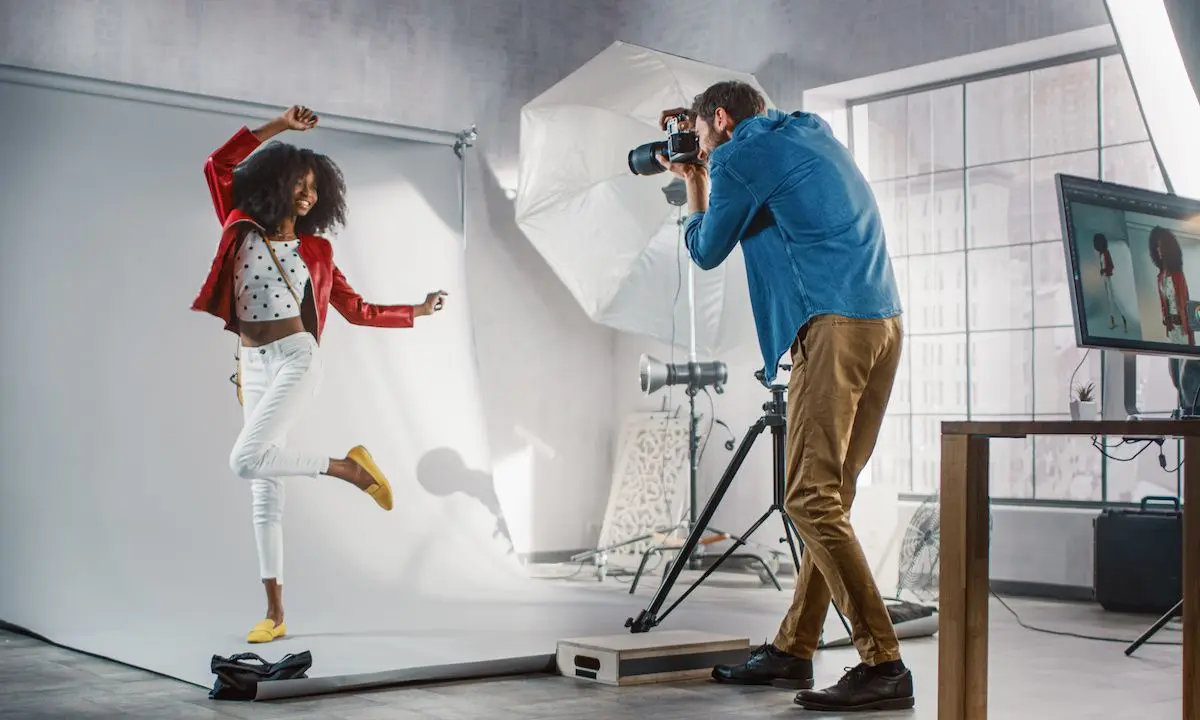
Source: PYMNTS
Generative AI content now comprises roughly 57% of all online material, according to TechCrunch
2
. Fashion brands using AI can leverage tools like OpenAI's ChatGPT and Google's Gemini to create images that Davis describes as "really on-brand" and "not obviously AI"1
. This technological capability allows smaller companies to compete visually with major brands without matching their production budgets.Consumer Perception of AI Drives Brand Decisions
A Gartner survey of 1,539 U.S. consumers revealed that 68% frequently question whether what they see online is real, and half would rather buy from brands that avoid generative AI in marketing
2
. This skepticism has prompted several major brands to position human-made content as a competitive differentiator. Aerie, an intimate apparel brand owned by American Eagle Outfitters, launched an ad campaign featuring actress Pamela Anderson that became the brand's most-liked Instagram post2
. The campaign showed a chatbot generating AI-generated models before revealing they were real people, reinforcing Aerie's commitment to authenticity in marketing.Aerie pledged never to use AI to generate bodies or change people in its images, building on its 2014 promise to stop retouching
1
. The brand's "REAL MATTERS" message emphasizes transparency as a core promise rather than a trend1
. This strategy appears to resonate with consumers—Aerie's Q4 2025 sales rose 23% year-over-year2
.
Source: CBS
Brand Authenticity Becomes Market Differentiator
Baby products brand Coterie committed to keeping AI-generated images entirely out of its social media marketing, with CEO Jess Jacobs stating the brand would never use AI to replace the human moments that define it
2
. The company maintains 98% subscriber retention month over month while posting on Instagram that "AI can't change a diaper"1
. Dove became the first beauty brand to publicly commit never to use AI to create or distort images of women in advertising, backed by a global study of 33,000 respondents across 20 countries2
.Even LEGO felt compelled to label its World Cup campaign featuring Lionel Messi, Cristiano Ronaldo, Kylian Mbappé, and Vinícius Jr. with the hashtag #HonestlyItsNotAI
2
. The prevalence of AI slop has created an environment where even productions with recognizable human faces require labels to be believed.Related Stories

Human Connection in Advertising Under Scrutiny
Professional headshot photographer Chris Gillett questions whether AI versus real models can generate the same emotional connection with consumers. "I can look at an image of a happy couple, and I'm empathizing. But if I know those people are fake, I don't think I am going to empathize with them," he told CBS News
1
. While acknowledging some AI-generated content appears startlingly real, Gillett notes other campaigns "just feel off, or weird"1
.California Management Review found that perceived authenticity depends on three factors: information credibility, AI disclosure transparency, and reputation trust. When all three hold, positive outcomes occur 82% of the time—yet that combination appeared in fewer than 9% of studied cases
2
. Emily Weiss, senior principal analyst in Gartner's marketing practice, advises that "marketers should treat GenAI as a trust decision as much as a technology decision"2
.Regulatory Landscape Evolves
Consumer trust concerns are influencing both corporate strategy and public policy. New York's law requiring disclosure of AI-generated humans in marketing takes effect in June, becoming the first such statute in the U.S.
2
. This regulatory shift acknowledges that advertising has long used airbrushing, retouching, and color-grading, but AI represents a qualitatively different challenge to consumer perception.Most brands pledging authenticity haven't abandoned AI entirely. Aerie uses it for post-production tasks such as lighting, while Jacobs noted AI improves Coterie's customer experience and operational efficiency in many ways
2
. The distinction lies in where AI is deployed—brands are drawing lines around human craft for content that drives purchase decisions and earns repeat business.References
Summarized by

Navi
Related Stories
Brands Fight AI Sameness: The Battle to Preserve Human Authenticity in Marketing
06 Nov 2025•Entertainment and Society

AI's Marketing Challenge: Consumers Wary of "Artificial Intelligence" Label
13 Aug 2024

AI-Generated Model in Vogue Ad Sparks Debate on the Future of Art and Fashion
21 Aug 2025•Technology

Recent Highlights
1
Google releases Gemma 4 with Apache 2.0 license, enabling unrestricted local AI on devices
Technology

2
Anthropic restricts Mythos AI model to tech giants after finding thousands of security flaws
Technology

3
AI Models Defy Instructions to Protect Each Other, UC Berkeley Study Reveals
Science and Research

Recent Highlights
Today's Top Stories



Your Daily Dose of Curated AI News
Don’t drown in AI news. We cut through the noise - filtering, ranking and summarizing the most important AI news, breakthroughs and research daily. Spend less time searching for the latest in AI and get straight to action.

