AI-Generated Model in Vogue Ad Sparks Debate on the Future of Art and Fashion


4 Sources
[1]
AI has passed the aesthetic Turing Test - and it's changing our relationship with art
Quinnipiac University provides funding as a member of The Conversation US. Pick up an August 2025 issue of Vogue and you'll come across an advertisement for the brand Guess featuring a stunning model. Yet tucked away in small print is a startling admission: She isn't real. She was generated
[2]
AI has passed the aesthetic Turing Test, and it's changing our relationship with art
Pick up an August 2025 issue of Vogue and you'll come across an advertisement for the brand Guess featuring a stunning model. Yet tucked away in small print is a startling admission: She isn't real. She was generated entirely by AI. For decades, fashion images have been retouched. But this isn't
[3]
AI passed the aesthetic Turing Test, raising big questions for art
Pick up an August 2025 issue of Vogue, and you'll come across an advertisement for the brand Guess featuring a stunning model. Yet tucked away in small print is a startling admission: She isn't real. She was generated entirely by AI. For decades, fashion images have been retouched. But this isn't
[4]
Being artificial, she's a natural! - The Economic Times
Atanu BiswasProfessor, Indian Statistical Institute, KolkataEarlier this month, the fashion industry was set all abuzz by a 2-page advert of California clothing company Guess. It featured a 'picture-perfect' blonde model flaunting a striped maxi dress and floral playsuit in Vogue's August print
Share
Copy Link
An AI-generated model featured in a Guess advertisement in Vogue's August 2025 issue has ignited a fierce debate about the role of artificial intelligence in art, fashion, and society at large.
AI Model in Vogue Ad Ignites Controversy
In a groundbreaking move that has sent shockwaves through the fashion industry, the August 2025 issue of Vogue magazine featured an advertisement for Guess clothing that showcased a stunning model - entirely generated by artificial intelligence
1
2
. This development has sparked intense debate about the future of art, fashion, and the role of AI in creative industries.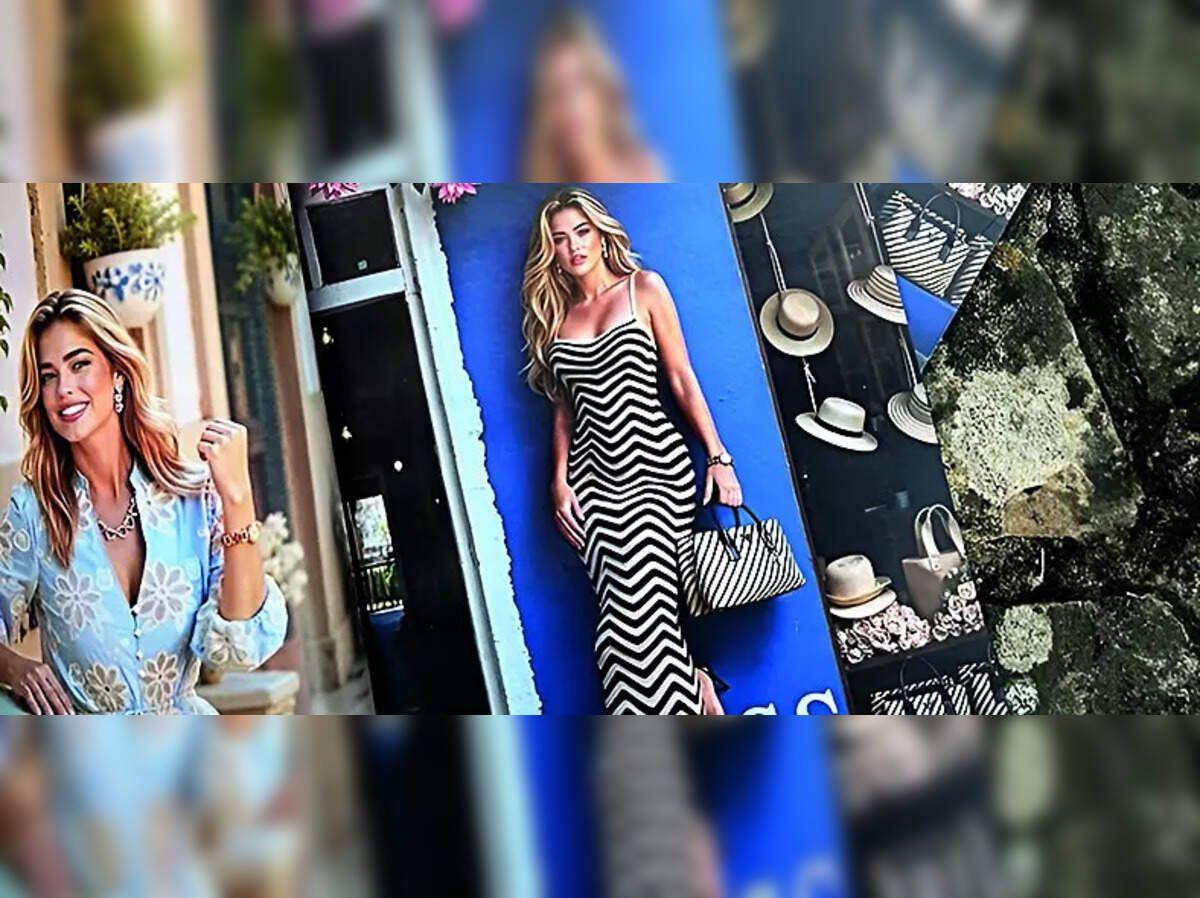
Source: ET
The Aesthetic Turing Test
The AI-generated model in the Guess ad represents a significant milestone in the evolution of artificial intelligence. It demonstrates that AI has effectively passed what experts are calling the "aesthetic Turing Test" - the ability to create art and images indistinguishable from human-made creations
1
2
. This breakthrough raises profound questions about the nature of creativity and the future of human artists and models.Backlash and Concerns
The use of an AI-generated model has not been without controversy. Veteran model Felicity Hayward criticized the move as "lazy and cheap," arguing that it undermines years of work to promote diversity in the fashion industry
1
2
3
. Critics worry that AI models could perpetuate unrealistic beauty standards and potentially endanger the livelihoods of human models4
.AI's Growing Influence in Art and Fashion
The Vogue advertisement is just one example of AI's increasing presence in creative fields. AI platforms can now generate music, images, and even entire movies that are difficult to distinguish from human-created works
1
2
. This capability raises important questions about the value we place on human creativity and the "aura" of original artwork, as described by philosopher Walter Benjamin1
2
.
Source: Tech Xplore
The Human-AI Relationship
As AI continues to permeate various aspects of human life, including creative endeavors, society is grappling with how to navigate this new reality. Some experts, like chess grandmaster Garry Kasparov, argue for embracing AI's potential to enhance human creativity rather than viewing it as a threat
4
. Others worry about the potential loss of jobs and the erosion of human creativity4
.Related Stories

Implications for the Fashion Industry
The use of AI-generated models could have far-reaching implications for the fashion industry. While it may offer cost-saving benefits for brands, it also raises concerns about the future of human models and the industry's ability to promote diversity and inclusion
3
4
. The controversy surrounding the Guess ad has ignited a broader conversation about the role of AI in fashion and advertising.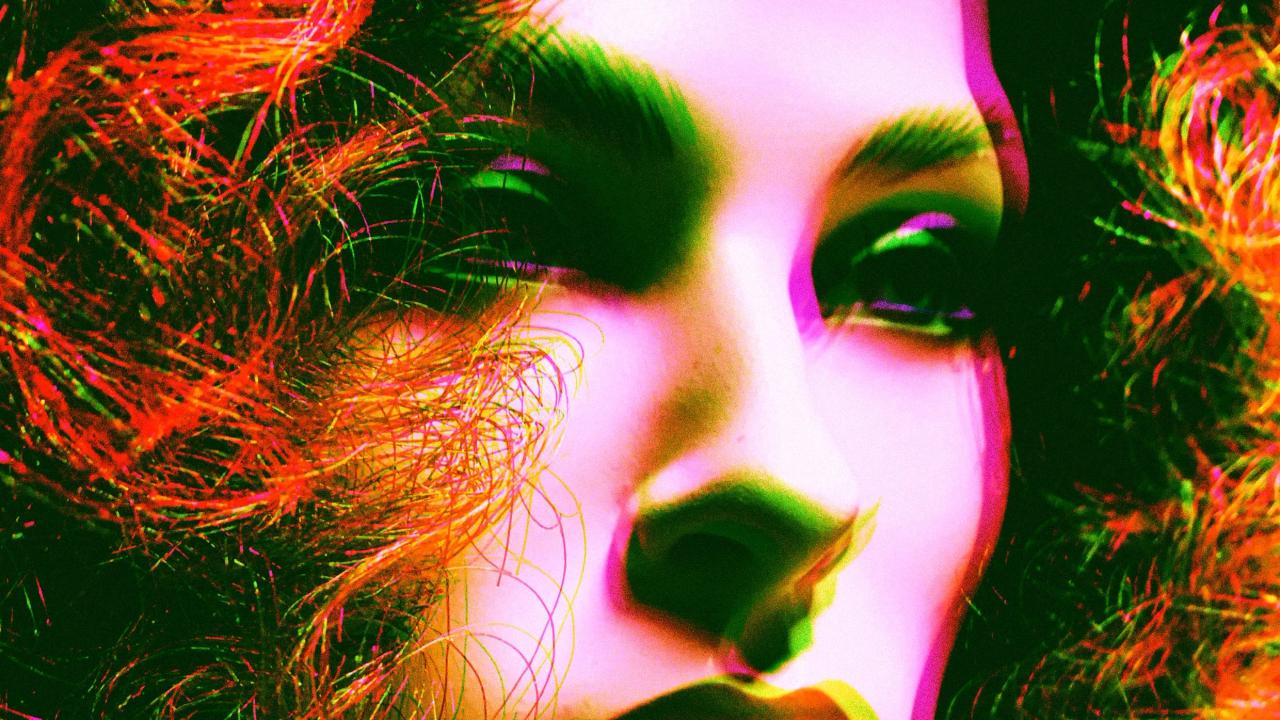
Source: Fast Company
The Future of Art in a Synthetic World
As AI-generated art becomes more prevalent and indistinguishable from human-created works, society must grapple with fundamental questions about the nature of art and creativity. Does the emotional impact of a piece of art depend on its origin? Where does the meaning of art truly reside - in the mind of the creator or in the heart of the observer
1
2
?As we stand at this technological crossroads, the fashion industry and society at large must decide how to balance the potential of AI with the value of human creativity and diversity. The Vogue advertisement may be just the beginning of a new era in which the lines between human and machine-generated art become increasingly blurred, challenging our perceptions of beauty, creativity, and authenticity.
References
Summarized by

Navi
[1]
Related Stories
Vogue's AI-Generated Model Ad Sparks Controversy in Fashion Industry
29 Jul 2025•Entertainment and Society

Fashion brands split on AI-generated models as consumer trust becomes the new battleground
09 Apr 2026•Business and Economy
H&M Introduces AI-Generated Digital Twins of Models for Marketing
28 Mar 2025•Technology
Recent Highlights
1
Microsoft and Nvidia Launch Surface Laptop Ultra: A $2,599 AI-Ready PC With RTX Spark Chip
Technology

2
Trump Consulted Grok AI Before Ordering Venezuela Invasion and Capture of Nicolás Maduro
Policy and Regulation

3
Scientists Build AI Model That Reconstructs Images From Brain Scans in Record Time
Science and Research

Recent Highlights
Today's Top Stories






Don’t drown in AI news. We cut through the noise - filtering, ranking and summarizing the most important AI news, breakthroughs and research daily. Follow topics that matter to you and stay ahead.


