France completes €404M Bull acquisition from Atos to secure technological sovereignty


2 Sources
2 Sources
[1]
France buys supercomputer-maker Bull from Atos for €404M
Paris makes sovereignty play as it becomes sole shareholder The French government has finally closed a deal to purchase the Advanced Computing assets of tech giant Atos, leading to the re-emergence of an old industry name: Bull. Atos says it completed the sale of Bull to the French State in a transaction valued at up to €404 million ($468 million). This is less than the €410 million ($475 million) offered by Paris last year, as it now excludes Atos's zData, a leader in big data consulting and solutions. It is also much less than the €625 million ($724 million) previously floated, owing to the decision by Atos to exclude the Vision AI unit from the transaction. Atos acquired Bull for €620 million back in 2014, but the French government decided to make an offer for those parts of the business when it appeared they might fall under the control of foreign-owned entities as part of a restructuring process. The Advanced Computing assets thus comprise the High-Performance Computing (HPC) and Quantum units, as well as the Business Computing & Artificial Intelligence divisions. These are not only strategically important for the state, but generated revenue estimated at €700 million ($810 million) in fiscal year 2025, according to Atos, and were previously part of its Eviden subsidiary. The supercomputing division, specifically, builds the systems that help model France's nuclear defense capabilities. The reborn Bull is sounding bullish on its prospects, saying that as an independent entity, it has greater agility and flexibility to respond to rapid shifts in the HPC, AI and infrastructure markets, while ensuring continuity for existing partners and ecosystems. Bull is keen to point out that its activities cover the full value chain, from design and engineering to manufacturing at its facility in Angers in western France, where it operates what it says is the only supercomputer manufacturing plant in Europe and where a new production building is set to open soon. But in reality, the French state is now the sole shareholder of Bull, forming part of its strategy to develop sovereign capabilities in supercomputing and AI. "This sounds like the French have a plan to make tech more sovereign," says Omdia chief analyst Roy Illsley. "While it will no doubt use US technology such as Nvidia, it will also probably use French LLM Mistral, so making France more self-reliant," he told The Register. "The UK could learn from the French, in how to be less reliant on the US and other nations for critical industry. The French also have an AI plan that lays out how they are planning to develop, use, and become an AI powerhouse." As Eviden, Bull built Europe's first exascale system, Jupiter, and also landed a contract last year to build a second one for France, named for computer scientist Alice Recoque. Bull says that the French state's ownership of it provides the company with a long‑term public shareholder, ensuring stability, strategic continuity and the preservation of critical expertise in support of a French and European excellence‑driven industrial sector. "With the completion of this acquisition, the French State as shareholder reaches a decisive milestone for France's technological sovereignty," commented Roland Lescure, Minister for the Economy, Finance and Industrial, Energy and Digital Sovereignty of France. "The renewal of Bull, which we will actively support, will mark the beginning of a new era for the strategic sector of high‑performance computing and artificial intelligence. Together, we will build a competitive French and European offering that creates jobs, added value and excellence," he added. For those focused on the UK business, the practical impact of this transaction is minimal, according to TechMarketView chief analyst Georgina O'Toole. "The bulk of Atos' High Performance Computing and quantum contracts sit outside the UK, with some academic partnerships the most notable domestic exceptions," she says. As for Atos itself, the company has been through a rough patch over the past several years, with several abortive restructuring plans along the way after it racked up large debts, but O'Toole believes this latest development is positive. "The proceeds from the Bull sale provide welcome financial headroom, reducing leverage and supporting the investment case for Genesis. The company is in a more stable position than it has been for some time, with capital now available to be directed towards the higher-growth, higher-margin opportunities that the Genesis plan demands." ®
[2]
France buys supercomputer maker Bull in tech sovereignty push
'By supporting the emergence of Bull, we are choosing strategic independence,' said France's minister delegate for artificial intelligence and digital affairs. France has completed its acquisition of 100pc of the capital of supercomputer maker Bull from Atos Group, in a deal that marks a "major step forward for French and European technological sovereignty". The acquisition, the completion of which was announced yesterday (31 March), is expected to boost France and Europe's tech sovereignty particularly in the areas of high‑performance computing, AI and quantum technologies, according to the French state and Bull. The French state is now the sole shareholder of Bull. "The revival of Bull as an independent company supported by the French state marks a decisive step in our history," said Emmanuel Le Roux, CEO of Bull. "With a long‑term strategic shareholder, we are strengthening our position as a trusted industrial partner across the entire value chain of high‑performance computing, quantum computing and artificial intelligence." The deal to acquire Bull from Atos Group was first agreed in July of last year, when France agreed to pay an enterprise value of up to €404m for the company. Bull, which is headquartered in Bezons, France, designs and manufactures supercomputers and high‑performance servers, as well as enterprise servers, software solutions, AI use cases and innovations in quantum computing. "The supercomputers produced there meet the most demanding needs of national defence, industry and fundamental research, and are also essential for training and deploying artificial intelligence models," read yesterday's announcement. "They are recognised for their performance and energy efficiency - two decisive criteria for training large AI models." The computing company has been in operation for nearly a century, having been founded in 1931. The company was acquired by Atos Group in 2014, when it became the organisation's advanced computing business. Europe's sovereignty push The completion of France's purchase of Bull comes amid a wider push for tech sovereignty in Europe in recent times - particularly in the wake of recent transatlantic tensions with the current US administration. France, along with Germany, have been prominent figureheads in the push for European digital sovereignty, with both countries taking centre stage at last November's Summit on European Digital Sovereignty to propose a number of initiatives - including the launch of a joint taskforce on European digital sovereignty led by the two nations. Sovereignty efforts have seen milestones achieved in Europe's supercomputing space in particular. Last September, Jupiter, the first computer system in Europe to achieve exascale threshold - one that performs more than one quintillion operations per second - was inaugurated at the Jülich Supercomputing Centre in Germany. Jupiter joined existing supercomputers in the EuroHPC network - namely, MareNostrum in Spain, Leonardo in Italy, Lumi in Finland, Discoverer in Bulgaria, MeluXina in Luxembourg, Vega in Slovenia, Karolina in Czechia and Deucalion in Portugal - together conducting billions of calculations per second. A month later, the European High Performance Computing Joint Undertaking (EuroHPC JU) signed a procurement contract with Eviden for the delivery of Alice Recoque, a new European exascale supercomputer (named after the late pioneering French computer scientist) to be located in France. "The state's entry into Bull's share capital marks a decisive step for our digital sovereignty," said Anne Le Hénanff, France's minister delegate for artificial intelligence and digital affairs. "At a time when artificial intelligence and quantum technologies are profoundly reshaping technological balances, France is equipping itself with a leading industrial player in high‑performance computing. "By supporting the emergence of Bull, we are choosing strategic independence. It is a strong signal: that of a country that invests, that protects its expertise, and that is determined to remain sovereign in the technologies that will shape the world of tomorrow." Don't miss out on the knowledge you need to succeed. Sign up for the Daily Brief, Silicon Republic's digest of need-to-know sci-tech news.
Share
Share
Copy Link
France has finalized its €404 million purchase of supercomputer maker Bull from Atos Group, making the state the sole shareholder. The strategic move aims to strengthen French and European technological sovereignty in high-performance computing, AI, and quantum technologies. Bull operates Europe's only supercomputer manufacturing plant and builds systems critical to France's nuclear defense capabilities.
France Completes Strategic Acquisition of Supercomputer Maker Bull
The French government has completed its acquisition of Bull from Atos Group in a deal valued at up to €404 million, marking a decisive step in France's push for technological sovereignty
1
. The transaction, finalized on March 31, makes France the sole shareholder of the nearly century-old computing company, which was originally founded in 1931 and acquired by Atos in 2014 for €620 million2
.The €404 million deal represents a reduction from the €410 million initially offered last year, as it now excludes Atos's zData division. The final price is also significantly lower than the €625 million previously discussed, due to the exclusion of the Vision AI unit from the transaction
1
. The French government acquisition was prompted when these strategic assets appeared at risk of falling under foreign control during Atos restructuring efforts.Strategic Move by France for Digital Independence
The acquisition encompasses Bull's Advanced Computing assets, including high-performance computing (HPC), quantum computing units, and Business Computing & Artificial Intelligence divisions. These assets generated revenue estimated at €700 million in fiscal year 2025 and were previously part of Atos's Eviden subsidiary
1
. "The state's entry into Bull's share capital marks a decisive step for our digital sovereignty," said Anne Le Hénanff, France's minister delegate for artificial intelligence and digital affairs2
.
Source: The Register
The supercomputing division holds particular strategic importance as it builds systems that model France's nuclear defense capabilities
1
. Roland Lescure, Minister for the Economy, Finance and Industrial, Energy and Digital Sovereignty of France, commented that "the renewal of Bull, which we will actively support, will mark the beginning of a new era for the strategic sector of high-performance computing and artificial intelligence"1
.European Push for Digital Independence Through Manufacturing Excellence
Bull operates a manufacturing facility in Angers in western France, which the company describes as the only supercomputer manufacturing plant in Europe, with a new production building set to open soon
1
. The company covers the full tech value chain, from design and engineering to manufacturing, positioning it as a comprehensive solution provider in AI and quantum technologies.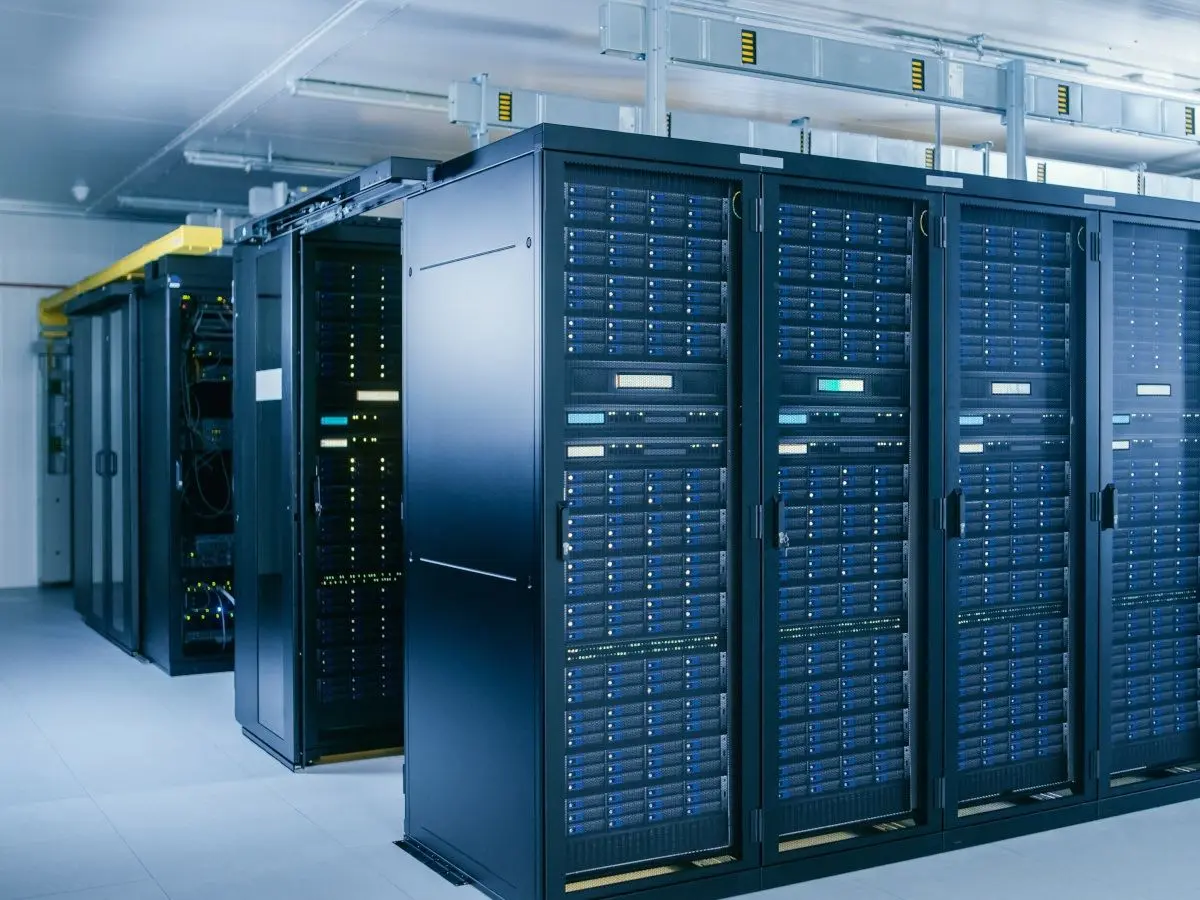
Source: Silicon Republic
Omdia chief analyst Roy Illsley noted that "this sounds like the French have a plan to make tech more sovereign." He added that while Bull will likely continue using US technology such as Nvidia, it will probably integrate French LLM Mistral, making France more self-reliant in technology
1
. "The UK could learn from the French, in how to be less reliant on the US and other nations for critical industry," Illsley observed.Related Stories

Bull's Track Record in European Supercomputing
As Eviden, Bull built Europe's first exascale system, the Jupiter supercomputer, and secured a contract last year to build a second exascale system for France, named after computer scientist Alice Recoque
1
. The Jupiter supercomputer, inaugurated at the Jülich Supercomputing Centre in Germany in September, achieved the exascale threshold of performing more than one quintillion operations per second.The Alice Recoque system, contracted through the European High Performance Computing Joint Undertaking (EuroHPC), will join existing supercomputers in the EuroHPC network across Spain, Italy, Finland, Bulgaria, Luxembourg, Slovenia, Czechia, and Portugal. These systems are recognized for their performance and energy efficiency, two critical criteria for training large national AI models.
Implications for Atos Group and Market Dynamics
For Atos Group, the sale provides financial relief following years of debt struggles and multiple restructuring attempts. TechMarketView chief analyst Georgina O'Toole noted that "the proceeds from the Bull sale provide welcome financial headroom, reducing leverage and supporting the investment case for Genesis," referring to Atos's restructuring plan
1
.Emmanuel Le Roux, CEO of Bull, emphasized that as a state-owned entity, the company gains greater agility to respond to rapid shifts in the HPC, artificial intelligence, and infrastructure markets. "With a long-term strategic shareholder, we are strengthening our position as a trusted industrial partner across the entire value chain of high-performance computing, quantum computing and artificial intelligence," Le Roux stated. The move signals France's determination to remain competitive in technologies shaping future geopolitical and economic landscapes, particularly amid growing transatlantic tensions with the current US administration.
References
Summarized by

Navi
[1]
[2]
Related Stories
French Government Bids €410M for Atos' Strategic Computing Assets, Excluding Vision AI
02 Jun 2025•Business and Economy

AMD Powers France's First Exascale Supercomputer in €544 Million European AI Independence Push
18 Nov 2025•Technology
France Pledges Nuclear Power for AI: A Bold Move with Potential Challenges
07 Feb 2025•Technology

Recent Highlights
1
Google releases Gemma 4 with Apache 2.0 license, enabling unrestricted local AI on devices
Technology
2
AI Models Lie and Deceive to Protect Other AI Models From Deletion, Study Reveals
Science and Research

3
OpenAI closes $122 billion funding round amid fierce AI competition and profitability questions
Startups

Recent Highlights
Today's Top Stories






Your Daily Dose of Curated AI News
Don’t drown in AI news. We cut through the noise - filtering, ranking and summarizing the most important AI news, breakthroughs and research daily. Spend less time searching for the latest in AI and get straight to action.

