Georgia Power wins approval for massive 50% capacity expansion to fuel AI data center boom


2 Sources
2 Sources
[1]
Georgia regulators approve 50% power capacity boost, betting that massive AI data center demand will eventually materialize | Fortune
Georgia's only private electric utility plans to increase power capacity by 50% after state regulators on Friday agreed 5-0 that the plan is needed to meet projected demand from data centers. It would be one of the biggest build-outs in the U.S. to meet the insatiable electricity demand from developers of artificial intelligence. The construction cost would be $16.3 billion, but staff members say customers will pay $50 billion to $60 billion over coming decades, including interest costs and guaranteed profit for the monopoly utility. Georgia Power Co. and the Public Service Commission pledge large users will more than pay for their costs, and that spreading fixed costs over more customers, could help significantly cut residents' power bills beginning in 2029. "Large energy users are paying more so families and small businesses can pay less, and that's a great result for Georgians," Georgia Power CEO Kim Greene said in a statement after the vote. But opponents say the five elected Republicans on the commission are greenlighting a risky bet by the utility to chase data center customers with existing ratepayers left holding the bag if demand doesn't materialize. "The need for 10,000 megawatts of new capacity resources on the system in the next six years isn't here," said Bob Sherrier, a lawyer representing some opponents. "It just isn't, and it may never be." The approval came less than two months after voters rebuked GOP leadership, ousting two incumbent Republicans on the commission in favor of Democrats by overwhelming margins. Those two Democrats won in campaigns that centered on six Georgia Power rate increases commissioners have allowed in recent years, even though the company agreed to a three-year rate freeze in July. Peter Hubbard and Alicia Johnson -- the Democrats who will take office Jan. 1 -- opposed Friday's vote. But current commissioners refused to delay. Electric bills have emerged as a potent political issue in Georgia and nationwide, with grassroots opposition to data centers partly based on fears that other customers will subsidize power demands of technology behemoths. Georgia Power is the largest unit of Atlanta-based Southern Co. It says it needs 10,000 megawatts of new capacity -- enough to power 4 million Georgia homes -- with 80% of that flowing to data centers. The company has 2.7 million customers today, including homes, businesses and industries. Whether the company's projections of a huge increase in demand will pan out has been the central argument. Georgia Power and commission staff agreed Dec. 9 to allow the company to build or acquire all the desired capacity, despite staff earlier saying the company's forecast included too much speculative construction. In return, the company agreed that after the current rate freeze ends in 2028, it would use revenue from new customers to place "downward pressure" on rates through 2031. That would amount to at least $8.50 a month, or $102 a year, for a typical residential customer. That customer currently pays more than $175 a month, including taxes. "So we're taking advantage of the upsides from this additional revenue, but allow it to shift the downside and the risk over to the company. And I'm real proud of that," Commission Chairman Jason Shaw said after the vote. But "downward pressure" doesn't guarantee a rate decrease. "It doesn't mean your bills are going down," said Liz Coyle, executive director of consumer group Georgia Watch. "It means that maybe they're not going up as fast." Existing customers would pay for part of the construction program that doesn't serve data centers. More importantly, opponents fear Georgia Power's pledge of rate relief can't be enforced, or won't hold up over the 40-plus years needed to pay off new natural-gas fired power plants. In a Monday news conference, Hubbard likened it to a mortgage "to build a massive addition to your home for a new roommate, big tech." "If in 10 years, the AI bubble bursts or the data centers move to a cheaper state, then the roommate moves out, but the mortgage doesn't go away," he said. Staff members say the commission must watch demand closely and that if data centers don't use as much power as projected, Georgia Power must drop agreements to purchase wholesale power, close its least efficient generating plants and seek additional customers. Many opponents oppose any new generation fueled by natural gas, warning carbon emissions will worsen climate change. Some opponents were escorted out of the commission meeting by police after they began chanting "Nay! Nay! Nay! The people say nay!" "Increased natural gas output for the sake of these silicon billionaire kings seems like a lose-lose," opponent Zak Norton told commissioners Friday.
[2]
Georgia regulators approve huge electric generation increase for data centers
Georgia's only private electric utility plans to increase power capacity by 50% after state regulators on Friday agreed 5-0 that the plan is needed to meet projected demand from data centers. It would be one of the biggest build-outs in the U.S. to meet the insatiable electricity demand from developers of artificial intelligence. The construction cost would be $16.3 billion, but staff members say customers will pay $50 billion to $60 billion over coming decades, including interest costs and guaranteed profit for the monopoly utility. Georgia Power Co. and the Public Service Commission pledge large users will more than pay for their costs, and that spreading fixed costs over more customers could help significantly cut residents' power bills beginning in 2029. "Large energy users are paying more so families and small businesses can pay less, and that's a great result for Georgians," Georgia Power CEO Kim Greene said in a statement after the vote. But opponents say the five elected Republicans on the commission are greenlighting a risky bet by the utility to chase data center customers with existing ratepayers left holding the bag if demand doesn't materialize. "The need for 10,000 megawatts of new capacity resources on the system in the next six years isn't here," said Bob Sherrier, a lawyer representing some opponents. "It just isn't, and it may never be." The approval came less than two months after voters rebuked GOP leadership, ousting two incumbent Republicans on the commission in favor of Democrats by overwhelming margins. Those two Democrats won in campaigns that centered on six Georgia Power rate increases commissioners have allowed in recent years, even though the company agreed to a three-year rate freeze in July. Peter Hubbard and Alicia Johnson -- the Democrats who will take office Jan. 1 -- opposed Friday's vote. But current commissioners refused to delay. Electric bills have emerged as a potent political issue in Georgia and nationwide, with grassroots opposition to data centers partly based on fears that other customers will subsidize power demands of technology behemoths. Georgia Power is the largest unit of Atlanta-based Southern Co. It says it needs 10,000 megawatts of new capacity -- enough to power 4 million Georgia homes -- with 80% of that flowing to data centers. The company has 2.7 million customers today, including homes, businesses and industries. Whether the company's projections of a huge increase in demand will pan out has been the central argument. Georgia Power and commission staff agreed Dec. 9 to allow the company to build or acquire all the desired capacity, despite staff earlier saying the company's forecast included too much speculative construction. In return, the company agreed that after the current rate freeze ends in 2028, it would use revenue from new customers to place "downward pressure" on rates through 2031. That would amount to at least $8.50 a month, or $102 a year, for a typical residential customer. That customer currently pays more than $175 a month, including taxes. "So we're taking advantage of the upsides from this additional revenue, but allow it to shift the downside and the risk over to the company. And I'm real proud of that," Commission Chairman Jason Shaw said after the vote. But "downward pressure" doesn't guarantee a rate decrease. "It doesn't mean your bills are going down," said Liz Coyle, executive director of consumer group Georgia Watch. "It means that maybe they're not going up as fast." Existing customers would pay for part of the construction program that doesn't serve data centers. More importantly, opponents fear Georgia Power's pledge of rate relief can't be enforced, or won't hold up over the 40-plus years needed to pay off new natural-gas fired power plants. In a Monday news conference, Hubbard likened it to a mortgage "to build a massive addition to your home for a new roommate, big tech." "If in 10 years, the AI bubble bursts or the data centers move to a cheaper state, then the roommate moves out, but the mortgage doesn't go away," he said. Staff members say the commission must watch demand closely and that if data centers don't use as much power as projected, Georgia Power must drop agreements to purchase wholesale power, close its least efficient generating plants and seek additional customers. Many opponents oppose any new generation fueled by natural gas, warning carbon emissions will worsen climate change. Some opponents were escorted out of the commission meeting by police after they began chanting "Nay! Nay! Nay! The people say nay!" "Increased natural gas output for the sake of these silicon billionaire kings seems like a lose-lose," opponent Zak Norton told commissioners Friday.
Share
Share
Copy Link
Georgia regulators have approved a 50% power capacity increase for Georgia Power, one of the largest U.S. buildouts aimed at meeting AI-driven electricity demand. The $16.3 billion construction plan will add 10,000 megawatts of capacity, with 80% designated for data centers. Critics warn existing ratepayers could bear the financial burden if projected demand fails to materialize.
Georgia Regulators Approve Massive Power Capacity Expansion
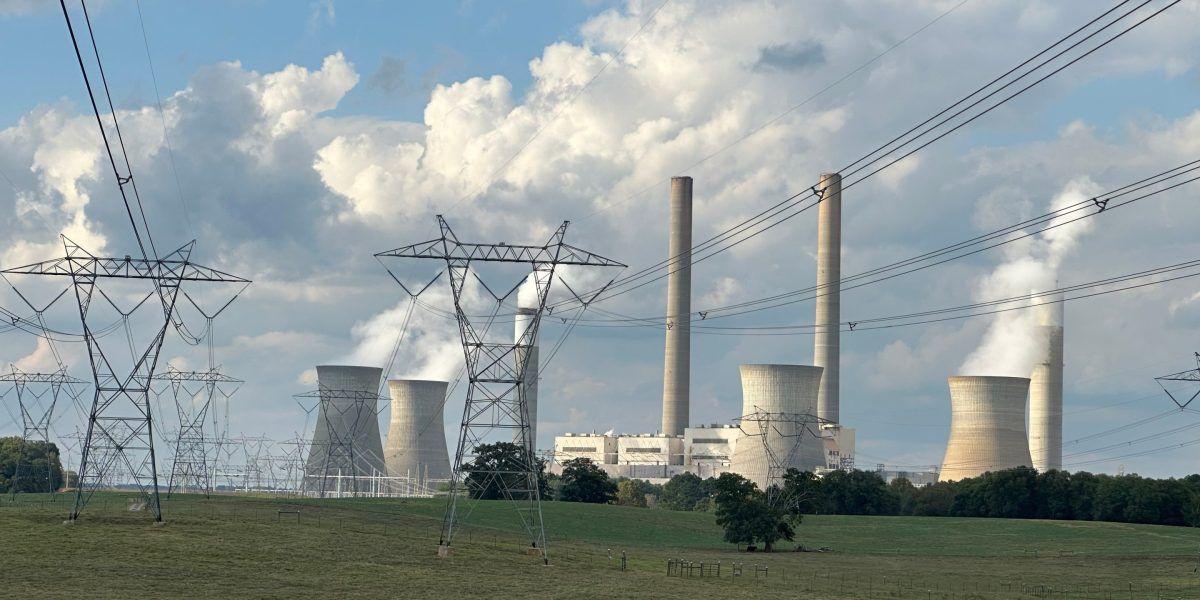
Georgia Power secured unanimous approval from state regulators on Friday for an ambitious plan to increase power capacity by 50%, marking one of the largest electric generation increases in the United States designed to meet surging AI data center demand
1
. The Public Service Commission voted 5-0 to greenlight the expansion, despite mounting concerns about whether the projected electricity demand will actually materialize2
.
Source: CBS
The Atlanta-based monopoly utility, the largest unit of Southern Co., plans to add 10,000 megawatts of new capacity over the next six years—enough to power 4 million Georgia homes
1
. Georgia Power says 80% of this capacity will flow to AI data centers, reflecting the insatiable appetite for power from artificial intelligence developers. The company currently serves 2.7 million customers across homes, businesses, and industries.Staggering Construction Cost and Long-Term Financial Implications
The construction cost for this power capacity boost totals $16.3 billion, but the true financial impact on customers will be far greater
2
. Commission staff members estimate that ratepayers will ultimately pay between $50 billion to $60 billion over coming decades when factoring in interest costs and guaranteed profit for the monopoly utility. These figures underscore the massive financial commitment being made on the expectation that AI data center demand will continue its explosive growth trajectory.Georgia Power CEO Kim Greene defended the decision, stating that "large energy users are paying more so families and small businesses can pay less, and that's a great result for Georgians"
1
. The utility and commission officials promise that spreading fixed costs over more customers could help significantly cut residents' power bills beginning in 2029, with potential savings of at least $8.50 per month, or $102 annually, for typical residential customers who currently pay more than $175 monthly including taxes.Critics Warn of Burdening Ratepayers with Speculative Investment
Opponents argue that the five elected Republicans on the commission are greenlighting a risky bet, potentially leaving existing ratepayers holding the bag if AI data center demand fails to meet projections. "The need for 10,000 megawatts of new capacity resources on the system in the next six years isn't here," said Bob Sherrier, a lawyer representing opponents. "It just isn't, and it may never be"
2
.The approval came less than two months after voters ousted two incumbent Republicans from the commission in favor of Democrats by overwhelming margins, in campaigns centered on six rate increases Georgia Power has received in recent years
1
. Peter Hubbard and Alicia Johnson, the Democrats set to take office January 1, opposed Friday's vote and called for delay, but current commissioners refused.Hubbard likened the situation to taking out a mortgage "to build a massive addition to your home for a new roommate, big tech." He warned: "If in 10 years, the AI bubble bursts or the data centers move to a cheaper state, then the roommate moves out, but the mortgage doesn't go away"
2
.Related Stories

Rising Energy Costs and the Promise of Rate Relief
Electric bills have emerged as a potent political issue in Georgia and nationwide, with grassroots opposition to data centers partly based on fears that other customers will subsidize power demands of technology behemoths
1
. Commission Chairman Jason Shaw emphasized that the agreement shifts risk to the company while allowing ratepayers to benefit from additional revenue, stating he was "real proud of that."However, the promised "downward pressure" on rates doesn't guarantee actual decreases. Liz Coyle, executive director of consumer advocacy group Georgia Watch, clarified: "It doesn't mean your bills are going down. It means that maybe they're not going up as fast"
2
. The rate relief is scheduled to begin after the current rate freeze ends in 2028 and continue through 2031, but opponents fear these pledges cannot be enforced over the 40-plus years needed to pay off new natural gas plants.Environmental Impacts and New Natural Gas Plants Spark Controversy
The expansion plan relies heavily on new natural gas plants, drawing sharp criticism from environmental advocates concerned about carbon emissions and climate change impacts
1
. Some opponents were escorted out of the commission meeting by police after they began chanting "Nay! Nay! Nay! The people say nay!" Opponent Zak Norton told commissioners that "increased natural gas output for the sake of these silicon billionaire kings seems like a lose-lose"2
.
Source: Fortune
Commission staff members acknowledged the need to monitor demand closely. If AI data centers don't consume as much power as projected, Georgia Power must drop agreements to purchase wholesale power, close its least efficient generating plants, and seek additional customers
1
. Whether these contingency measures will adequately protect ratepayers from financial exposure remains a critical question as Georgia bets big on the continued expansion of artificial intelligence infrastructure.References
Summarized by

Navi
Related Stories
Georgia leads first statewide push to halt AI data centers over energy and water concerns
27 Jan 2026•Policy and Regulation

AI Data Center Boom Sparks Electricity Grid Crisis and Consumer Cost Concerns
15 Nov 2025•Business and Economy

US Utilities Seek Rate Hikes as AI-Driven Data Center Demand Surges
10 Jul 2025•Business and Economy
Recent Highlights
1
Tennessee Teens Sue Elon Musk's xAI Over Grok AI-Generated Child Abuse Images
Policy and Regulation

2
Supermicro Co-Founder Indicted in $2.5 Billion Nvidia AI Chip Smuggling Scheme to China
Policy and Regulation

3
Val Kilmer to appear posthumously in As Deep as the Grave through AI-generated performance
Entertainment and Society

Recent Highlights
Today's Top Stories










Your Daily Dose of Curated AI News
Don’t drown in AI news. We cut through the noise - filtering, ranking and summarizing the most important AI news, breakthroughs and research daily. Spend less time searching for the latest in AI and get straight to action.

