AI Data Center Boom Sparks Electricity Grid Crisis and Consumer Cost Concerns


4 Sources
[1]
The AI bubble may be showing up in an unexpected place: the shady forecasts of future electricity demand -- and skyrocketing bills | Fortune
But the challenges -- some say the impossibility -- of building new power plants to meet that demand so quickly has set off alarm bells for lawmakers, policymakers and regulators who wonder if those utility forecasts can be trusted. One burning question is whether the forecasts are based on data
[2]
Future data centers are driving up forecasts for energy demand. States want proof they'll get built
HARRISBURG, Pa. (AP) -- The forecasts are eye-popping: utilities saying they'll need two or three times more electricity within a few years to power massive new data centers that are feeding a fast-growing AI economy. But the challenges -- some say the impossibility -- of building new power plants
[3]
Future Data Centers Are Driving up Forecasts for Energy Demand. States Want Proof They'll Get Built
HARRISBURG, Pa. (AP) -- The forecasts are eye-popping: utilities saying they'll need two or three times more electricity within a few years to power massive new data centers that are feeding a fast-growing AI economy. But the challenges -- some say the impossibility -- of building new power plants
[4]
AI Data Centers Blamed for Surging Electricity Prices for Homeowners in Key States
There is a growing backlash against rising energy costs, which are becoming a central issue in state politics. As electricity bills climb across the nation, the booming artificial intelligence industry is facing intense scrutiny. The massive data centers required to power AI are being blamed for
Share
Copy Link
Utilities are forecasting dramatic electricity demand increases to power AI data centers, but regulators question whether these projections are based on speculative projects that may never materialize, potentially leaving consumers to pay billions for unnecessary infrastructure.
Utilities Predict Massive Electricity Demand Surge
Utilities across the United States are issuing dramatic forecasts, projecting they will need two to three times more electricity within just a few years to power the massive data centers driving the artificial intelligence economy
1
2
. These eye-popping projections have set off alarm bells among lawmakers, policymakers, and regulators who question whether such rapid infrastructure expansion is feasible or even necessary.
Source: Seattle Times
The challenge lies not just in the scale of demand but in the timeline. Building new power plants to meet these projections so quickly presents what some experts describe as an impossibility, raising fundamental questions about the reliability of utility forecasting methods
3
.Speculation and Double-Counting Concerns
A critical concern emerging from regulatory scrutiny is whether these forecasts are based on data center projects that may never actually be built. Joe Bowring, who heads Monitoring Analytics, the independent market watchdog in the mid-Atlantic grid territory, warns that "there's speculation in there" and "nobody has been looking carefully enough at the forecast to know what's speculative, what's double-counting, what's real, what's not"
1
.
Source: Fortune
The uncertainty stems from two primary issues. First, many developers seeking grid connections have plans that aren't set in stone or lack the financial backing, clients, or other resources necessary to complete their projects
2
. Second, data center developers are submitting grid connection requests across multiple utility territories without disclosing their other applications, potentially inflating energy forecasts across multiple utilities for the same project.Consumer Cost Impact Already Visible
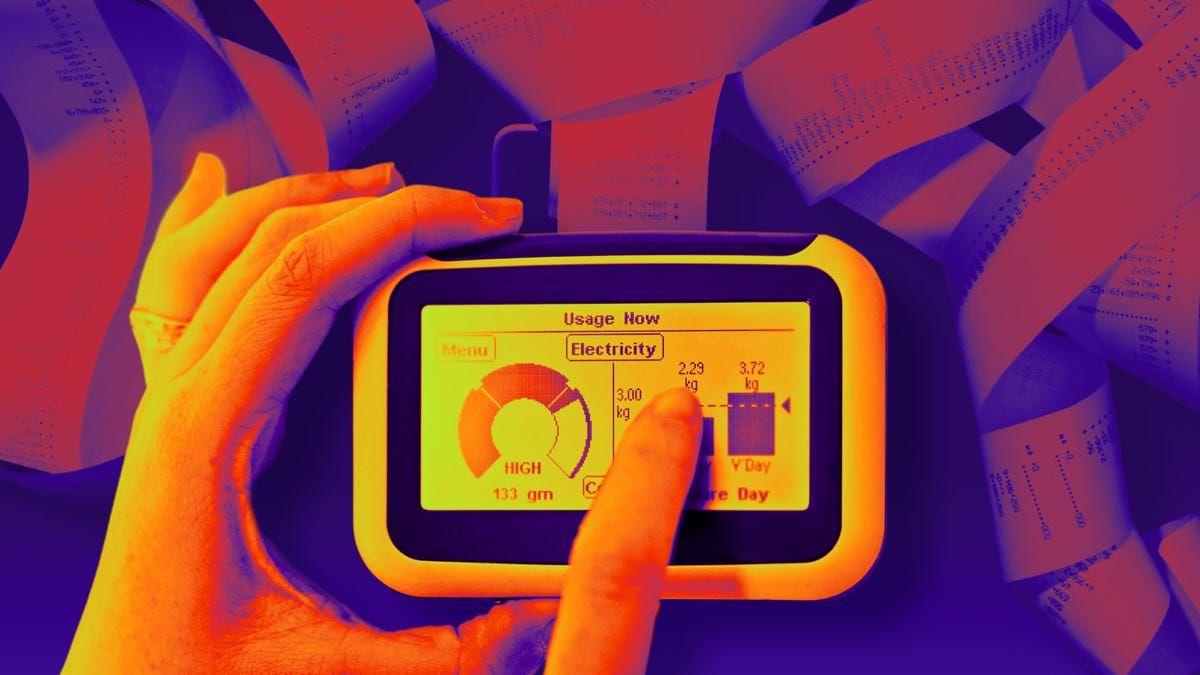
The financial consequences of this uncertainty are already manifesting in consumer electricity bills. States with high concentrations of data centers are experiencing significantly higher price increases than the national average. While residential utility bills saw a 6 percent average increase nationwide in August, electricity prices surged by 13 percent in Virginia, 16 percent in Illinois, and 12 percent in Ohio during the same period
4
.Virginia, which hosts the world's highest concentration of data centers with 666 facilities, exemplifies the scale of impact. An independent watchdog monitoring PJM Interconnection's power capacity auctions found that data center demand accounted for $9.3 billion, or 63 percent, of the total power capacity bill for 2024
4
.Related Stories
Regulatory Response and Industry Pushback
The Federal Energy Regulatory Commission has begun taking action to address these concerns. In September, Commissioner David Rosner requested information from the nation's grid operators on how they determine project viability and actual electricity usage needs. "Better data, better decision-making, better and faster decisions mean we can get all these projects, all this infrastructure built," Rosner stated
1
.The Data Center Coalition, representing tech giants like Google and Meta, has urged regulators to request more detailed information from utilities about their forecasts and develop best practices for determining commercial viability of data center projects. Aaron Tinjum, the coalition's vice president of energy, emphasized that improving forecast accuracy and transparency is "a fundamental first step of really meeting this moment" of energy growth
2
.State-Level Legislative Action
Texas has emerged as a leader in addressing these challenges through legislative action. Lawmakers, still haunted by the deadly 2021 winter storm blackout, were shocked when the Electric Reliability Council of Texas projected that peak demand could nearly double by 2030. State Senator Phil King sponsored legislation, now law, requiring data center developers to disclose whether they have electricity requests elsewhere in Texas and establish standards proving substantial financial commitment to proposed sites
3
.Meanwhile, Virginia's newly elected Governor Abigail Spanberger successfully campaigned on rising living costs, specifically targeting data centers and vowing to make tech companies "pay their own way and their fair share"
4
.References
Summarized by

Navi
[2]
[3]
Related Stories
Anthropic pledges to cover electricity costs driven by its AI data centers
11 Feb 2026•Business and Economy

AI data centers trigger 76% electricity price spike as federal watchdog demands tech giants pay
16 May 2026•Business and Economy
Senators probe tech giants as AI data centers drive electricity costs up, communities fight back
16 Dec 2025•Policy and Regulation
Recent Highlights



Recent Highlights
Today's Top Stories







Don’t drown in AI news. We cut through the noise - filtering, ranking and summarizing the most important AI news, breakthroughs and research daily. Follow topics that matter to you and stay ahead.


