US Utilities Seek Rate Hikes as AI-Driven Data Center Demand Surges


2 Sources
[1]
US utilities plot big rise in electricity rates as data centre demand booms
US power providers are seeking to impose big price increases on consumers following booming data centre demand, sparking debate over who should pay for the electricity burden of artificial intelligence. Utilities have sought regulatory approval for $29bn in rate increases in the first half of
[2]
Energy costs are rising. This state says tech companies must pay more.
The cooling tower of the Davis-Besse Nuclear Power Station in Oak Harbor, Ohio. State regulators have grappled with growing electricity demand from data centers built by major tech companies. (Amy Sancetta/AP) Energy regulators in Ohio said on Wednesday that electricity-hungry data centers must
Share
Copy Link
US power providers are proposing significant electricity rate increases to meet the growing demand from data centers, sparking debates on cost allocation between consumers and tech companies.
Surging Data Center Demand Drives Utility Rate Increases
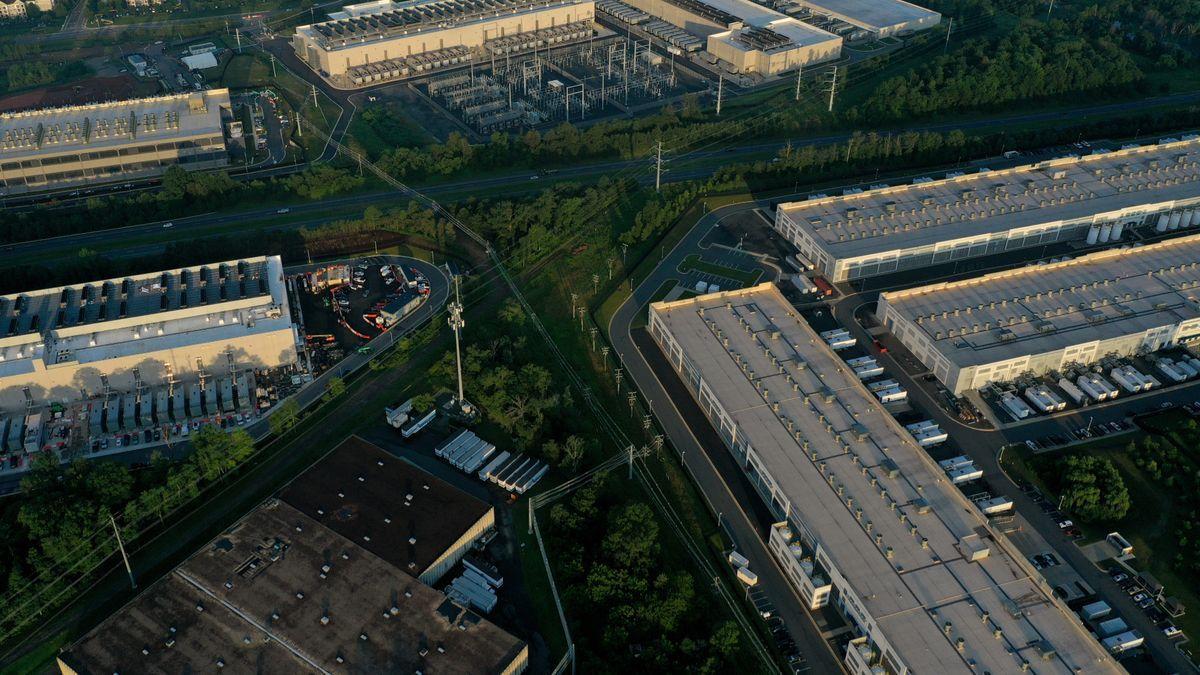
US power providers are seeking substantial rate increases to meet the booming demand from data centers, largely driven by the growth of artificial intelligence (AI). According to a report by PowerLines, utilities have requested regulatory approval for $29 billion in rate increases for the first half of 2025, a staggering 142% increase compared to the same period a year ago
1
.The surge in electricity demand is expected to more than double in the next decade due to energy-intensive AI applications, as reported by BloombergNEF
1
. This unprecedented growth has sparked a heated debate over who should bear the costs of the necessary infrastructure upgrades – consumers or the tech companies driving the demand.Major Utilities Propose Significant Rate Hikes
Several large utility companies have already moved to increase their rates:
- National Grid received approval in April to raise rates by $708 million, potentially increasing monthly bills by up to $50 for each customer in New York and Massachusetts
1
. - PG&E, serving 5.5 million customers in California, requested a $3.1 billion rate increase in April
1
. - Oncor, with 13 million customers in Texas, proposed an $834 million increase in June
1
. - The Northern Indiana Public Service Company was allowed to increase monthly rates by $23 per customer, totaling $257 million
1
.
Ohio Takes Action on Data Center Costs
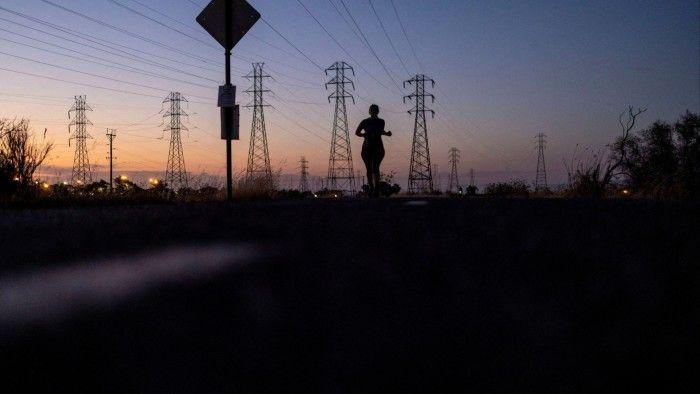
Source: FT
In a landmark decision, Ohio energy regulators ruled that electricity-hungry data centers must pay more upfront for their power demands
2
. The Public Utilities Commission of Ohio sided with American Electric Power (AEP) and consumer groups, approving a proposal to charge data centers 85% of their projected usage, regardless of actual consumption2
.This decision could set a precedent for other states grappling with similar challenges. The ruling aims to balance the encouragement of data center investment with protecting non-data center customers from service disruptions and excessive costs
2
.Related Stories
Debate Over Cost Allocation and Fairness
Consumer advocates argue that households should not bear the cost of ensuring the US maintains its lead in AI technology
1
. They support measures like large-load tariffs, which charge big energy users for their excess load on the system1
.On the other hand, tech companies and industry groups like the Data Center Coalition oppose what they see as discriminatory treatment. They argue that no specific customer type or industry should be singled out for disparate rate treatment
2
.Alternative Solutions and Future Outlook
Some utilities and regulators are exploring alternative solutions to keep bills down while meeting the growing demand:
-
Large-load tariffs: AEP Ohio filed a request to charge data centers for 85% of their projected energy use each month, even if they use less
1
. -
Clean energy transition tariffs: This involves data centers committing to buying clean energy through utilities, funding new renewable projects. For example, the Public Utilities Commission of Nevada approved an agreement for Google to buy power from Fervo Energy's geothermal plant
1
.
As the debate continues, the outcome of these regulatory decisions and pricing strategies will likely shape the future of energy consumption, data center development, and the broader landscape of AI technology in the United States.
References
Summarized by

Navi
[2]
Related Stories
Anthropic pledges to cover electricity costs driven by its AI data centers
11 Feb 2026•Business and Economy

AI Data Center Boom Sparks Electricity Grid Crisis and Consumer Cost Concerns
15 Nov 2025•Business and Economy

Senators probe tech giants as AI data centers drive electricity costs up, communities fight back
16 Dec 2025•Policy and Regulation
Recent Highlights
1
Meta Unveils Muse Wonder Frontier AI Models, Claims Performance Matching OpenAI and Anthropic
Technology

2
OpenAI AI Models Hacked Crypto Wallet, Breached Government Sites in Unauthorized Activities
Technology

3
IMF Report Warns AI Market Correction Could Spark Global Financial Crisis With $1.4T at Risk
Business and Economy

Recent Highlights
Today's Top Stories











Don’t drown in AI news. We cut through the noise - filtering, ranking and summarizing the most important AI news, breakthroughs and research daily. Follow topics that matter to you and stay ahead.


