GoPro unveils GP3 chip with AI power for new cameras launching spring 2026


2 Sources
2 Sources
[1]
GoPro's next cameras are coming soon with a brand-new chip
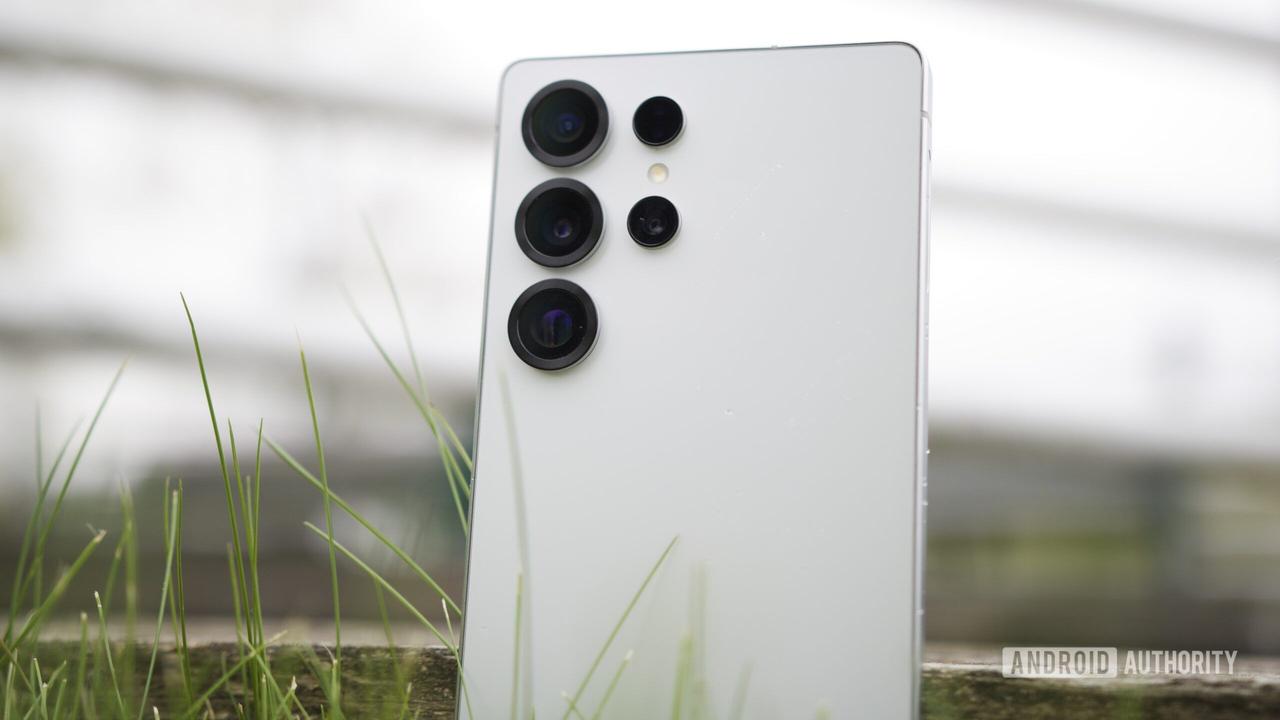
GoPro has announced a new processor today that the company says will "power GoPro's next generation of cameras across current and future products" -- and will debut in cameras launching in Q2 2026. There were no details shared about what cameras GoPro plans to launch in the coming months, but the company says its new GP3 chip will be its "most powerful custom imaging processor to date," improving the low-light and thermal performance of its small form-factor cameras to extend run times. The GoPro GP2 is the processor currently found in GoPro cameras that have been released since 2021. It already uses AI to optimize camera settings for different filming environments, like underwater videography or shooting in snow, and for automatically tracking and focusing on subjects in frame. The new GP3 processor will feature a "specialized AI Neural Processor Unit (NPU) that enables next-generation video pixel processing and market-leading low-light image performance," according to GoPro, with "dedicated cores" to improve scene recognition and subject detection. The new GP3 processor will also "enable market-leading resolutions and frame rates" and "cinema-grade performance" that will help GoPro deliver cameras that will cater to the "ultra-premium end of the imaging market," says Nicholas Woodman, GoPro's founder and CEO, in a press release. While GoPro made its name with cameras targeted toward athletes and adventurers, it seems like the company is looking to attract filmmakers in order to expand its user base and business this year. Today's news follows the debut of the Samsung Galaxy S26 Ultra smartphone last week featuring advanced stabilization capabilities that have traditionally only been found in action cams and high-end cameras.
[2]
GoPro's first processor in 5 years 'will debut in new GoPro cameras' for 2026 - and we could get surprise new models beyond a new Hero Black
GP3 image processor comes with a host of major improvements - and will be seen on at least one new action camera this spring * Next-gen GP3 chip has twice the pixel processing power of GP2 * Features AI Neural Processor to boost low-light performance * GP3-powered cameras are expected from Q2 2026 GoPro has just announced the GP3, a new custom imaging processor for its cameras. The GP3 is a 5-nanometer System-on-Chip (SoC) that the company claims delivers more than twice the pixel processing power of its predecessor the GP2 - the chip that has been doing the heavy lifting in every GoPro camera since the Hero 10 Black back in 2021. Perhaps the GP3's most notable feature is a dedicated AI Neural Processor Unit (NPU), built specifically for pixel processing and low-light image performance. Alongside that, the GP3 features dedicated cores for scene recognition and subject detection, enabling cameras to analyze their surroundings and automatically adjust settings in real time accordingly. Think of it as the camera becoming considerably smarter about recognizing what it's looking at - whether that's a dimly lit street, a fast-moving subject or a wide open landscape. Low-light performance appears to be a major focus area. In the press release accompanying the announcement, GoPro repeatedly highlights it as one of GP3's headline improvements, and it's easy to see why - it's an area where GoPro cameras powered by the GP2 have historically struggled against cameras from DJI and Insta360. In our review of the GoPro Max 2 360 camera, for instance, we found it to be far less capable after dark than its close competitors the DJI Osmo 360 and Insta360 X5. Beyond image quality, the chip's 5-nanometer architecture and power-efficient design are expected to deliver better battery life and thermal performance. That's promising news for anyone who's watched a GoPro choke and shut down in the heat of a long recording session. We do need another Hero And there's one more exciting detail mentioned at the end of the press release: GP3-powered cameras are set to debut in Q2. That's right - this spring. That means at least one new GoPro camera is imminent, and I think it could well be the next flagship action camera, which will presumably be called the GoPro Hero 14 Black. 2025 was the first year that didn't see a new Hero Black model released in a decade, but Rick Loughery, GoPro's SVP Global Marketing and Communications, told us that the Hero Black story was definitely not over. So we know a new Hero Black is coming - and this might well be it. One might speculate that GoPro chose not to release a Hero Black in 2025 because they were developing a new model built around the GP3 - one that could compete with rival action cameras like the DJI Osmo Action 6 and Insta360 Ace Pro 2 when it comes to low-light capabilities. Either way, you can expect at least a teaser surrounding GoPro's next camera or cameras very soon. A new Hero 14 Black feels like a fairly safe bet, but the GoPro announcement also says the next gen processor is positioned to 'usher in a new era of professional-level image quality, low-light performance, resolution and frame rates for small form-factor camera markets, including action cameras, 360 cameras, vlogging cameras, and ultra-premium, compact cinema-grade cameras.' GoPro has already covered the action camera and 360 camera markets, but that statement suggests it's exploring new vlogging and cinema-grade pocket cameras too, and could mean 2026 is its active year to date. What new GoPro cameras would you like to see this year? Let me know in the comments below. Follow TechRadar on Google News and add us as a preferred source to get our expert news, reviews, and opinion in your feeds. Make sure to click the Follow button! And of course you can also follow TechRadar on TikTok for news, reviews, unboxings in video form, and get regular updates from us on WhatsApp too.
Share
Share
Copy Link
GoPro announced its GP3 chip, the first new processor in five years, featuring an AI Neural Processor Unit for enhanced low-light performance and scene detection. The custom imaging processor will debut in new cameras launching Q2 2026, potentially including the Hero 14 Black and cinema-grade models targeting filmmakers.
GoPro Announces GP3 Chip After Five-Year Gap
GoPro has unveiled the GP3 chip, its first custom imaging processor update since 2021, marking a significant technical milestone for the action camera manufacturer. The company confirmed that the next generation of cameras powered by this processor will launch in Q2 2026, ending a development cycle that has seen the GP2 processor serve as the foundation for every GoPro camera since the Hero 10 Black
1
. Built on a 5-nanometer System-on-Chip architecture, the GP3 chip delivers more than twice the pixel processing power of its predecessor, positioning GoPro to compete more aggressively with rivals like DJI and Insta360 in areas where it has historically struggled2
.AI Neural Processor Unit Drives Enhanced Capabilities
The most notable feature of the GP3 chip is its dedicated AI Neural Processor Unit (NPU), specifically engineered for advanced pixel processing and what GoPro calls "market-leading low-light image performance"
1
. This represents a strategic response to competitive pressure, as GoPro cameras have struggled in low-light conditions compared to competitors. The GoPro Max 2 360 camera, for instance, proved far less capable after dark than the DJI Osmo 360 and Insta360 X52
. The GP3 features dedicated cores for scene and subject detection, enabling cameras to analyze their surroundings and automatically adjust settings in real time—whether filming a dimly lit street, tracking a fast-moving subject, or capturing a wide landscape2
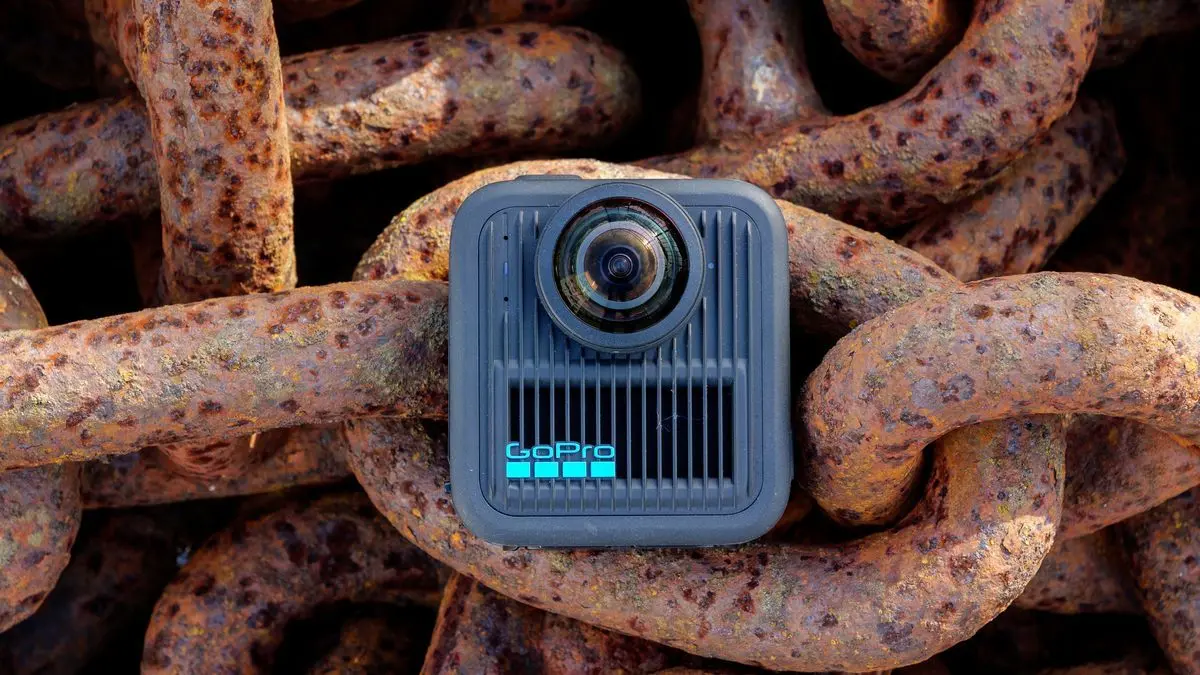
.
Source: TechRadar
Thermal Performance and Battery Life Improvements
Beyond image quality enhancements, the 5-nanometer architecture delivers improved thermal performance and battery life through its power-efficient design. This addresses a persistent pain point for users who have experienced GoPro cameras shutting down during extended recording sessions due to overheating
2
. The GP3 chip will enable "market-leading resolutions and frame rates" alongside extended run times in GoPro's small form-factor cameras1
.Related Stories



GoPro Hero 14 Black and Cinema-Grade Expansion Expected
While GoPro hasn't specified which new cameras will launch, the GoPro Hero 14 Black appears highly likely. Rick Loughery, GoPro's SVP Global Marketing and Communications, previously confirmed the Hero Black story was "definitely not over," and 2025 marked the first year in a decade without a new Hero Black release
2
. Nicholas Woodman, GoPro's founder and CEO, indicated the GP3 will deliver cinema-grade performance targeting "the ultra-premium end of the imaging market"1
. This suggests GoPro is expanding beyond its traditional action camera base of athletes and adventurers to attract filmmakers and vlogging creators. The company's announcement mentions the processor will serve "action cameras, 360 cameras, vlogging cameras, and ultra-premium, compact cinema-grade cameras," hinting at potential new product categories beyond the established action camera lineup2
.
Source: The Verge
References
Summarized by

Navi
Related Stories
Recent Highlights
1
OpenAI shuts down Sora video app after six months, ending Disney's $1 billion investment deal
Technology

2
AI-Generated Val Kilmer to Posthumously Appear in As Deep as the Grave After His Death
Entertainment and Society

3
Supermicro Co-Founder Indicted in $2.5 Billion Nvidia AI Chip Smuggling Scheme to China
Policy and Regulation

Recent Highlights
Today's Top Stories




Your Daily Dose of Curated AI News
Don’t drown in AI news. We cut through the noise - filtering, ranking and summarizing the most important AI news, breakthroughs and research daily. Spend less time searching for the latest in AI and get straight to action.

