Google invests $1 million in Animaj to create AI-generated children's content amid safety concerns


4 Sources
4 Sources
[1]
Google Backs Animaj Studio Using AI to Make Content for Kids on YouTube
Google is investing in an artificial intelligence content studio focused on making videos for children on YouTube, part of an effort to seed the platform with high quality viewing for the site's youngest users. Google's AI Futures Fund invested $1 million into Animaj, an AI animation studio that makes videos for kids and drew more than 22 billion views to its channels last year, according to co-founder Sixte de Vauplane. Google is also giving Animaj early access to new versions of its Veo, Gemini and Imagen AI models that are not available to the public, plus support from the Google DeepMind and Google Labs teams to help the company tailor its AI tools and scale.
[2]
Google Invests $1 Million in Company That Makes AI YouTube Videos for Kids
Animaj AI-generates videos based on existing kids' IP. Its co-founder claims to share your concerns about slop. Google is funneling $1 million from its AI Futures Fund accelerator program into a company called Animaj, which makes AI-generated videos for kids, according to Bloomberg. Animaj will also reportedly get early access to Google’s Veo video models before they’re released to the public, and will be given special insights from DeepMind, Google's AI division. According to Animaj’s YouTube channel description, it “acquires and turns iconic Kids’ IPs into global franchises using an AI-driven, digital-first, and multi-platform approach.†Here’s an Animaj video from two years ago: But the way, according to a recent piece of analysis by the research firm MoffettNathanson, YouTube just quietly became the world’s largest media company last year, beating Disney's media division. An analysis of YouTube content last month by the New York Times found in 15-minutes of watching content recommended after a popular, non-AI piece of content, 40% of what materialized appeared to be AI-generated, often without being labeled as such. This content is largely incoherent mush, like goo being sluiced out of containers into the shapes of animals, and animals transforming into thingsâ€"like a rhino transforming into a quadcopter drone. Bloomberg cites Animaj co-founder Sixte de Vauplane as saying the company drew 22 billion video views to YouTube across all of its channels. “Google knows the problem and the issue of AI slop that is happening right now on YouTube,†he told Bloomberg. This cash injection from Google is relatively minuscule. Animaj has, according to Bloomberg, previously raised 100 million euros from the VC firm Left Lane Capital, and $85 million from HarbourView Equity Partners.
[3]
'Harming babies': Child safety group blasts Google's investment in AI content for kids
AI-powered kids content wracks up billions of YouTube views, despite pervasive slop. Credit: Kirill Kudryavtsev / AFP via Getty Images YouTube still hasn't solved its AI problem. Digitally faked content is still seeping through the cracks, as users are inundated with AI-generated brainrot and AI-powered misinformation. But Google, YouTube's parent company, believes it can at least assuage the worries of concerned parents -- with even more AI. On March 4, the tech giant announced it was investing $1 million into the AI-powered children's entertainment company Animaj, the first kids media business backed by Google's AI Future Funds accelerator, Bloomberg reported. Under the deal, Animaj will also get exclusive access to its generative AI tools, like Veo and Imagine. Behind the scenes, AI slop -- particularly AI slop created for babies -- has become one of the easiest ways to make a killing online. And YouTube is particularly rife ground, as the video viewing platform attracts the youngest demographic of child viewers. Google has acknowledged its AI slop problem before, and even made efforts to demonetize accounts that post "low quality clutter." But studies show that children are still regularly recommended AI slop by YouTube's algorithms. A New York Times analysis published in February found thousands of examples of AI slop targeting young viewers, including ones that violate YouTube's child safety policies. In addition, YouTube does not require AI labelling on animated videos, the Times reported. "It's not unlike Google to try to deflect attention from the real issue: AI slop is rampant on YouTube and YouTube kids, which puts developing children at risk of harm," said Rachel Franz, director of Fairplay for Kids' Young Children Thrive Offline program. Fairplay is a child safety nonprofit that researches the impact of screen time and commercial advertising on early childhood. "If 'managing AI slop' was really YouTube's top priority this year," said Franz, "they would have already taken down the millions of AI-generated 'Made for Kids' videos that are designed to entrance young children, leading to more screen time and displacing the activities they need to thrive offline." Animaj is an AI content studio geared toward children's media. A 2026 show reel highlighting the company's flagship brands shows Animaji's particular emphasis on popular kids' IP, including Pocoyo and Ubisoft's Rabbids. "Animaj is a next-generation media company building the future of kids' entertainment," the video description reads. "We acquire and grow iconic children's IPs such as Pocoyo and Maya the Bee into global franchises through a digital-first, multi-platform strategy powered by AI-driven creativity." Animaj scales existing IP using its proprietary AI tools, with the goal of bringing content "wherever kids are, whenever they want it." The company's co-founder Sixte de Vauplane has said he sees Animaj as proof of concept for high-quality, feature-length films powered by AI. The company is affiliated with several kid-centric YouTube channels too, including the infant channel Hey Kids, a brand with more than 4 million subscribers. Bloomberg reported that the company's affiliated channels accumulated more than 22 billion views in 2025. "These videos are pretty typical AI-generated videos that attract families because they are nursery rhymes and feature kid-friendly characters. But the videos are more about mesmerizing than anything else," said Franz. Child safety advocates and education experts warn against content aimed at "mesmerizing" children with stimulating visuals and music, instead steering families toward evidence-based educational content with a slower pace and frequent interaction, like call-and-response queues. The American Academy of Pediatrics warns parents against AI-generated content and encourages them to choose longer-form videos over short-form content. Content that mesmerizes children -- of which there is plenty on the platform -- "displaces the time they need to spend playing, socializing, and using all their senses" during a period in which infants are still "wiring" their brains, said Franz. While this is a particular problem with AI-generated video, it also goes for human-created content, like the popular CocoMelon YouTube channel and even well-intentioned children's social media entertainers. "Now we have this layer of AI that has the potential to have unprecedented effects on our kids," she explains. Replacing "low quality" slop with "high quality" kids content isn't a solution either, Franz argues, pointing at a body of research showing any screen time has adverse affects on children under the age of two. "Yet, Animaj's YouTube Channels are rife with videos for babies," said Franz. "If Google invests in [channels like] Hey Kids via Animaj, it means that it is investing in harming babies." And even if you solve for content and age, there still a looming problem: The platform itself. Experts like Franz warn that the YouTube's very design is developmentally inappropriate for most children. Franz notes features like endless scrolling on reels, algorithm-based suggested videos, and the inability to turn off automatic playing as adverse to healthy development recommendations. With it's focus on existing IP, Animaj may not be in the business of generating the kind of surreal, often obscene, brain rot peddled by hundreds of other YouTube creators. Nonetheless, Franz worries that the normalization of AI and its generative tools may supercharge an industry that is doing the opposite of what early childhood researchers recommend. In a LinkedIn post last week, AI Futures Fund director Jon Silber said that Animaj is presenting a "blueprint for the future." He wrote that "getting this right for the next generation is a huge priority" for Google. "If YouTube wants to try to make good content, fine. But they need to fix their platform. Until that happens, no child is truly going to benefit," said Franz.
[4]
Google Wants To Know If Your Kids Will Watch AI Slop Videos
After years of struggling to get freaky children’s content in order on YouTube, the company goes full throttle Once upon a time, children’s YouTube was like Peppa Pig solved the Lament Configuration. Once that kid sneaks away with their parent’s tablet, the algorithm is unable to parse a child’s nonsense, basically placing a bounty on any account willing to bury Spider-Man’s head in the sand or force Elsa into the dentist’s chair. Now, Google seems eager to restart the nightmare machine all over again, investing in a company that specifically seeks to subject cartoon IPs to AI torture. According to Bloomberg, Google has invested $1 million into Animaj, an AI-focused animation studio for younger audiences. While not a ton of money in the grand scheme of venture capital, it is the first kids' studio to receive direct funding from YouTube. Additionally, Google is also onboarding Animaj into their DeepMind program, as well as early access to Veo, their video generator. “Google knows the problem and the issue of AI slop,†says Animaj co-founder Sixte de Vauplane, referencing one of the no-no terms in the AI world. “They know that right now, you don’t have a lot of people and a lot of players in the kids media industry that have really proven their ability to use AI in a very good way.†It’s an open secret that YouTube has become something of an automated babysitter in many households. It took over a decade to temper down the more surreal and predatory aspects of what kids are exposing themselves to on the platform, not to mention a $170 million suit from the FTC over privacy concerns. CoComelon, Blippi, and Ms. Rachel are close enough to a normal kid’s entertainment environment online compared to the Minion red rooms that predate them. Even if Facebook and TikTok remain the kingdoms of AI slop, AI-generated videos have proliferated on YouTube just as they have across all major platforms. It’s inevitably going to be a source of soreness for the company. As Google seeks to embrace AI-generated material as a whole, YouTube is forced to referee anyone who wants to take intellectual properties for a spin or throw in the towel on misinformation campaigns.
Share
Share
Copy Link
Google's AI Futures Fund has invested $1 million in Animaj, an AI animation studio producing children's content for YouTube that generated 22 billion views last year. The deal includes early access to Google's Veo, Gemini, and Imagen models. However, child safety groups like Fairplay for Kids criticize the move, arguing that AI-generated videos designed for babies displace critical developmental activities and harm young viewers.
Google Invests in AI Animation Studio for Children's Content
Google has committed $1 million from its AI Futures Fund to Animaj, marking the first time the tech giant has directly backed a kids' media company focused on AI for kids
1
. The AI animation studio, which accumulated more than 22 billion views across its YouTube channels in 2025, will receive not only financial support but also early access to Google's Veo, Gemini, and Imagen AI models before they become publicly available1
. Additionally, Animaj will work directly with Google DeepMind and Google Labs teams to refine its AI tools and expand its operations1
.
Source: Bloomberg
The company describes itself as a next-generation media operation that acquires and transforms iconic children's intellectual property into global franchises using a digital-first, multi-platform approach
3
. Animaj's portfolio includes popular brands like Pocoyo, Maya the Bee, and Ubisoft's Rabbids3
. The studio operates several kid-focused YouTube channels, including Hey Kids, which has more than 4 million subscribers3
. Co-founder Sixte de Vauplane positions the company as proof that AI can produce high-quality, feature-length films for young audiences3
.Child Safety Groups Raise Alarm Over AI-Generated Content
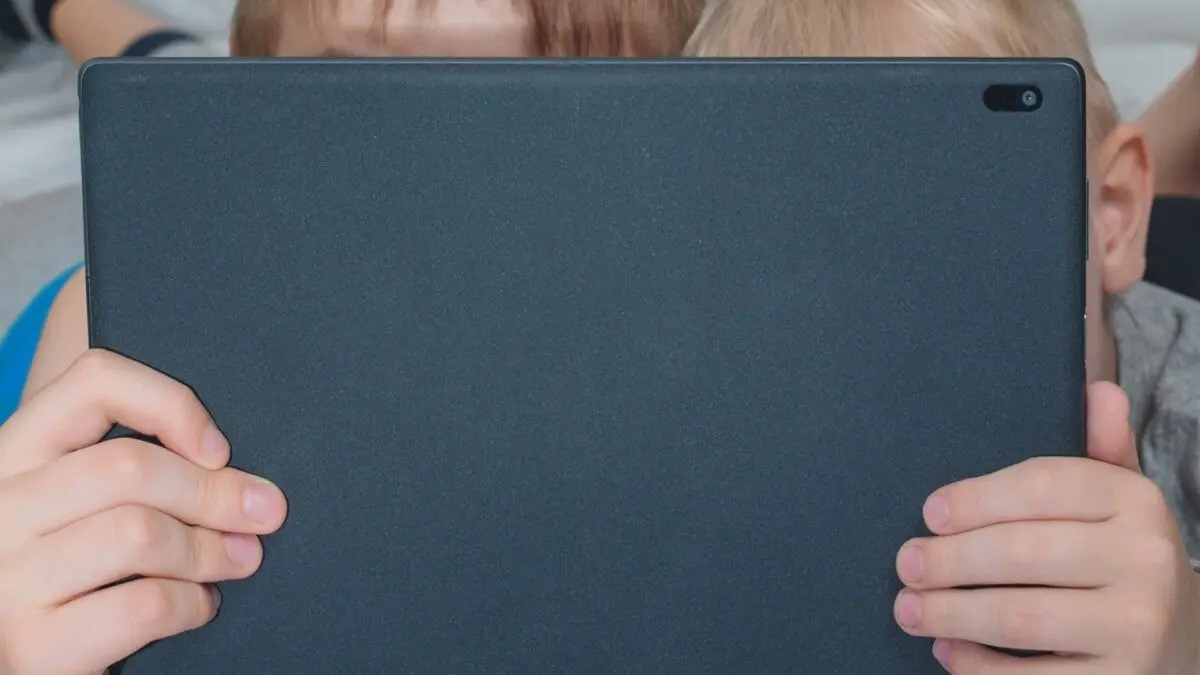
The $1 million investment has sparked immediate backlash from child safety advocates who warn about the proliferation of low-quality AI-generated content on YouTube. Rachel Franz, director of Fairplay for Kids' Young Children Thrive Offline program, sharply criticized the move, stating that "if Google invests in [channels like] Hey Kids via Animaj, it means that it is investing in harming babies"
3
. The child safety group argues that Google is deflecting attention from the real issue: AI slop remains rampant on YouTube and YouTube Kids, putting developing children at risk3
.
Source: Gizmodo
Franz explained that Animaj's videos are "pretty typical AI-generated videos that attract families because they are nursery rhymes and feature kid-friendly characters. But the videos are more about mesmerizing than anything else"
3
. Child safety experts warn that content designed to mesmerize children with stimulating visuals and music displaces critical time needed for playing, socializing, and sensory development during periods when infants are still wiring their brains3
. The American Academy of Pediatrics specifically warns parents against AI-generated content and encourages longer-form videos over short-form material3
.YouTube's Ongoing Battle with Algorithm Recommendations and Brain Rot
A recent New York Times analysis found that within 15 minutes of watching content recommended after a popular, non-AI piece, 40% of what appeared seemed to be AI-generated, often without proper labeling
2
. This content frequently consists of incoherent material like goo being poured into animal shapes or animals transforming into objects such as rhinos becoming quadcopter drones2
. YouTube does not currently require AI labeling on animated videos, according to the Times report3
.
Source: Mashable
De Vauplane acknowledged the platform's challenges, telling Bloomberg that "Google knows the problem and the issue of AI slop that is happening right now on YouTube"
2
. He positioned Animaj as one of the few players in the kids' media industry that has proven an ability to use AI effectively4
. Google has previously made efforts to demonetize accounts posting low-quality clutter, but studies show children continue to be regularly recommended problematic content by YouTube's algorithms3
.Related Stories

Financial Context and Future Implications for Children's Content for YouTube
While the $1 million investment from Google's AI Futures Fund represents a relatively modest sum in venture capital terms, the strategic implications are significant
2
. Animaj has previously raised 100 million euros from VC firm Left Lane Capital and $85 million from HarbourView Equity Partners, indicating substantial investor confidence in AI-driven children's entertainment2
. The partnership signals Google's intent to shape the future of children's content on its platform through direct involvement rather than passive moderation.YouTube recently became the world's largest media company last year, surpassing Disney's media division according to analysis by research firm MoffettNathanson
2
. This dominant position makes the platform's approach to AI-generated content particularly consequential for the broader media landscape. The question remains whether investing in what Google considers "high-quality" AI content will address concerns about viewership patterns and developmental impacts, or simply legitimize a model that child safety experts argue fundamentally harms young audiences regardless of production quality3
.References
Summarized by

Navi
Related Stories
Over 200 Groups Demand YouTube Ban AI Slop Videos Targeting Kids Amid Development Concerns
01 Apr 2026•Policy and Regulation

AI-Generated Content Targeting Children Raises Concerns on YouTube
03 May 2025•Technology

YouTube Deletes 16 AI Slop Channels Totaling 4.7 Billion Views and 35 Million Subscribers
29 Jan 2026•Technology

Recent Highlights
1
Google releases Gemma 4 with Apache 2.0 license, enabling unrestricted local AI on devices
Technology

2
AI Models Lie and Deceive to Protect Other AI Models From Deletion, Study Reveals
Science and Research

3
OpenAI closes $122 billion funding round amid fierce AI competition and profitability questions
Startups

Recent Highlights
Today's Top Stories






Your Daily Dose of Curated AI News
Don’t drown in AI news. We cut through the noise - filtering, ranking and summarizing the most important AI news, breakthroughs and research daily. Spend less time searching for the latest in AI and get straight to action.

