HarperCollins partners with Toonstar to turn books into AI-powered animated shows


2 Sources
2 Sources
[1]
AI animation studio Toonstar will turn books into digital shows for HarperCollins
HarperCollins is tapping into AI to bring some of its book franchises to life. Specifically, the publisher is teaming up with Toonstar, an AI animation studio, to turn them into digital shows. The first project will be an adaptation of Lisa Greenwald's "Friendship List" series, which will also be joined by a graphic novel. You'd be forgiven for being unaware of Toonstar, a studio that received some buzzy early on for simplifying typically complex animation pipelines with AI, but has mostly remained under the radar. Its biggest claim to fame is producing StEvEn and Parker YouTube series, which has amassed 3.38 million subscribers and sometimes has episodes reaching around a million views. It's not something I've heard animation fans speaking about, though. And honestly, it was tough to sit through a few minutes of its sub-South Park animation. "By leaning into the [AI] technology, we can make full episodes 80 percent faster and 90 percent cheaper than industry norms," Toonstar co-founder John Attanasio, told The New York Times last year. In that same interview, the company revealed that it uses AI across its production, including having it dub dialog for international audiences, as well as working on storylines. Toonstar initially pitched itself as an animation studio leaning into Web3 and NFTs, but those technologies seem virtually absent from the company's presence today. Space Junk, one of its early series, also seems to have been erased from the internet. Its original domain now points to a crypto gambling site. We've asked the company for other ways to access the series. "We're honored to bring Friendship List to life as an animated series," Attanasio said in a press release. "Our artist-centered approach ensures these beloved characters and stories stay true to the author's vision, while our Ink & Pixel production technology enables fast, high-quality production at scale which unlocks the ability to meet audiences where and when they enjoy content today." Toonstar has certainly proved it can make "content" for YouTube. Can it actually produce an enjoyable animat edshow? That's another question entirely.
[2]
HarperCollins is forging ahead with AI-assisted dramas based on books. Some authors have concerns
HarperCollins Publishers and AI-powered animation studio Toonstar have announced a multi-year partnership to co-produce original YouTube series based on HarperCollins titles. It marks the second announcement this week from the book publishing giant regarding a partnership with an AI-centered company. On Monday, HarperCollins division Harlequin said it entered a multi-year agreement to co-produce 40 animated micro-dramas with AI entertainment company Dashverse. Inspired by Harlequin Romance titles, the collaboration launches in April, beginning with an adaptation of A Fairy-Tail Ending by Catherine Mann. The deals highlight how book publishers are turning to AI as a way to explore new modes of storytelling, but they are also generating backlash from those who are not thrilled about the effort.
Share
Share
Copy Link
HarperCollins is partnering with AI animation studio Toonstar to adapt book franchises into digital shows for YouTube. The first project adapts Lisa Greenwald's Friendship List series. Toonstar claims its AI technology produces episodes 80% faster and 90% cheaper than traditional methods, but the move has sparked concerns among authors about AI-assisted storytelling.
HarperCollins Expands AI Animation Partnerships
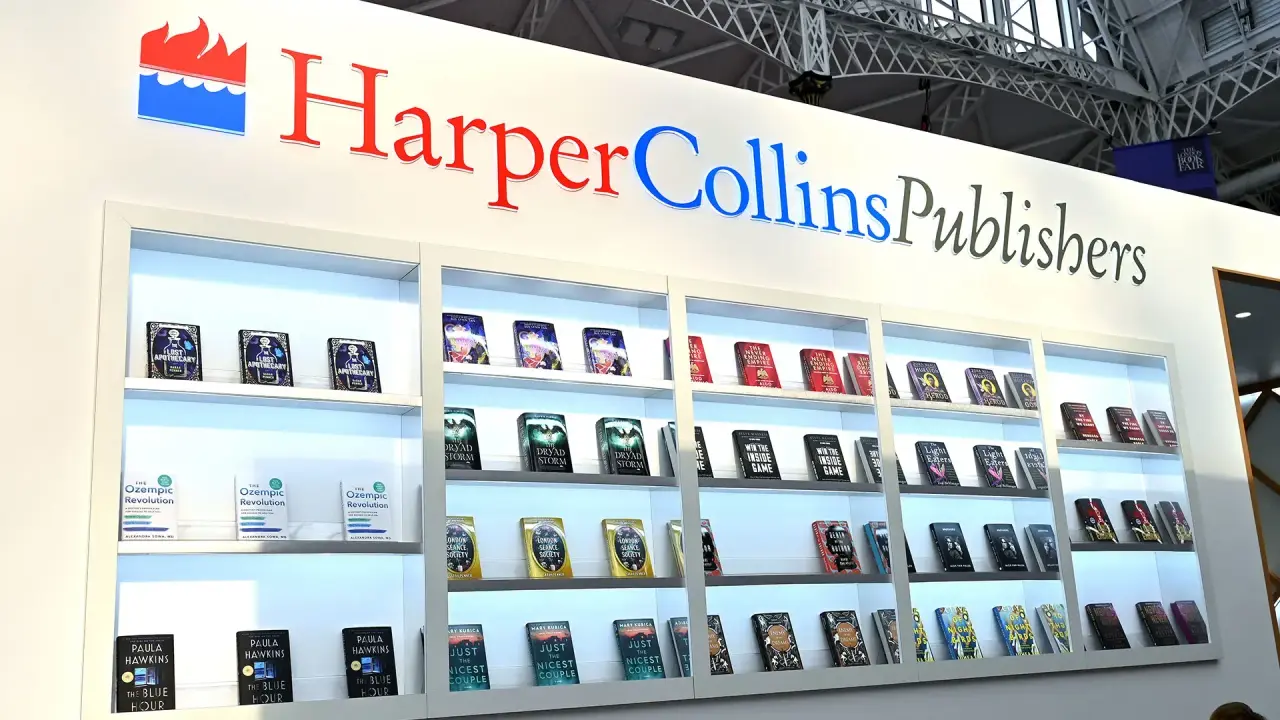
HarperCollins is accelerating its push into AI-powered content creation by partnering with Toonstar, an AI animation studio, to turn books into digital shows
1
. The multi-year deal will see the publisher co-produce original YouTube series based on its book franchises, with Lisa Greenwald's Friendship List series selected as the first adaptation, accompanied by a graphic novel1
. This marks the second AI-centered partnership announced by HarperCollins this week, following Harlequin's agreement with Dashverse to create 40 animated micro-dramas inspired by Harlequin Romance titles, launching in April with an adaptation of Catherine Mann's A Fairy-Tail Ending2
.
Source: Fast Company
Toonstar's AI-Driven Production Technology
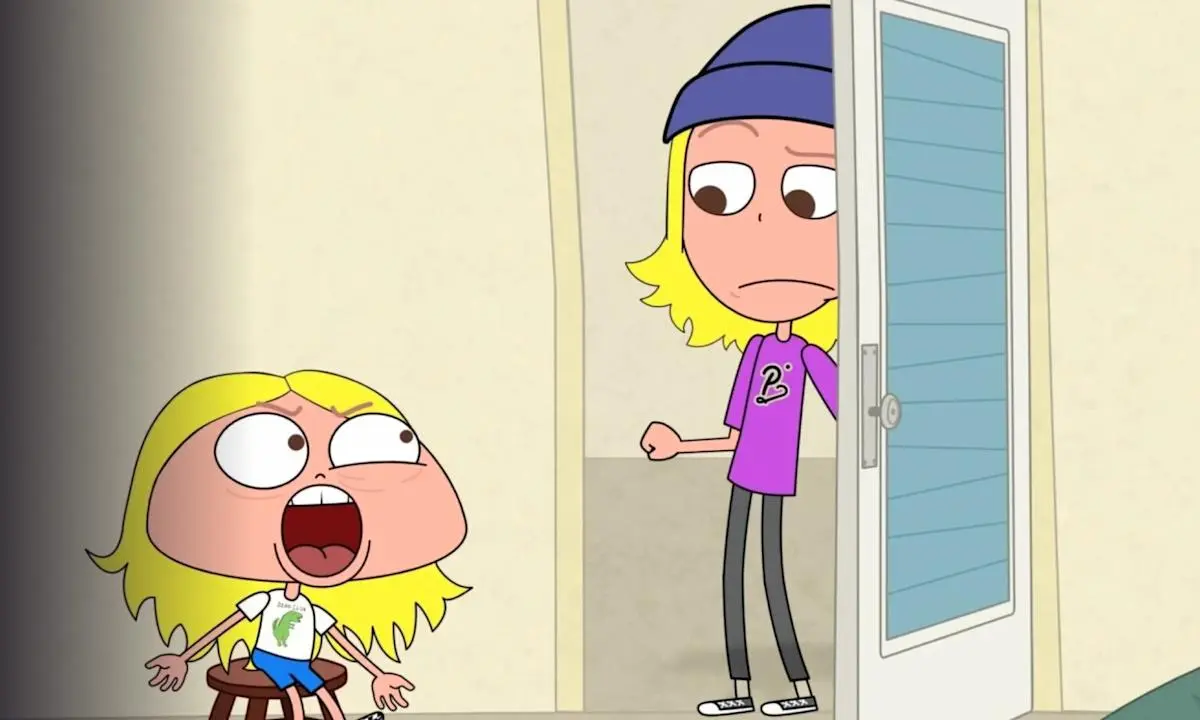
Toonstar has built its reputation on dramatically reducing animation costs and timelines through AI integration. Co-founder John Attanasio revealed that by leaning into the technology, the studio can produce full episodes 80 percent faster and 90 percent cheaper than industry norms
1
. The AI-powered animation studio uses artificial intelligence across its production pipeline, including dubbing dialog for international audiences and developing storylines1
. Attanasio emphasized that their "artist-centered approach ensures these beloved characters and stories stay true to the author's vision, while our Ink & Pixel production technology enables fast, high-quality production at scale"1
.
Source: Engadget
Track Record and Quality Concerns
While Toonstar has demonstrated it can generate content at scale, questions remain about quality. The studio's most notable project, the StEvEn and Parker YouTube series, has accumulated 3.38 million subscribers with episodes sometimes reaching around a million views
1
. However, the animation quality has been described as "sub-South Park," and the series hasn't gained traction among animation enthusiasts1
. The company's history also includes a pivot from Web3 and NFTs, technologies that were central to its initial pitch but are now virtually absent from its current presence1
.Related Stories

Author Concerns and Industry Implications
The deals highlight how book publishers are exploring AI as a new mode of storytelling, but the approach is generating backlash from those skeptical of AI-assisted dramas
2
. Author concerns center on whether AI can faithfully translate literary works while maintaining creative integrity. For HarperCollins, these partnerships represent a strategic bet on reaching audiences where they consume content today—primarily on digital platforms like YouTube. The publisher's rapid succession of AI deals suggests a broader industry shift toward leveraging artificial intelligence to extract more value from existing intellectual property at reduced costs. Whether this model can produce genuinely enjoyable animated content that honors source material remains to be seen.References
Summarized by

Navi
Related Stories
HarperCollins Strikes AI Training Deal: Authors Offered $2,500 Per Book
19 Nov 2024•Business and Economy

Microsoft Strikes AI Training Deal with HarperCollins for Nonfiction Titles
20 Nov 2024•Business and Economy

Hachette Cancels Horror Novel Shy Girl After AI Allegations Rock Publishing Industry
20 Mar 2026•Entertainment and Society
Recent Highlights
1
Google releases Gemma 4 with Apache 2.0 license, enabling unrestricted local AI on devices
Technology

2
AI Models Lie and Deceive to Protect Other AI Models From Deletion, Study Reveals
Science and Research

3
OpenAI closes $122 billion funding round amid fierce AI competition and profitability questions
Startups

Recent Highlights
Today's Top Stories







Your Daily Dose of Curated AI News
Don’t drown in AI news. We cut through the noise - filtering, ranking and summarizing the most important AI news, breakthroughs and research daily. Spend less time searching for the latest in AI and get straight to action.

