J. Safra Sarasin's Saxo Bank acquisition signals tech investment shift in AI wealth management era


2 Sources
2 Sources
[1]
Safra CEO says Saxo deal shows need for tech scale in AI era
ZURICH, March 2 (Reuters) - J. Safra Sarasin's acquisition of Denmark's Saxo Bank, which has a digital trading and investment platform, reflects wealth managers' need to invest more in technology as AI threatens to shake up the business, the Swiss private bank's CEO told Reuters. Safra completed on Monday its purchase of a 70% stake in Saxo in a deal worth around 1.1 billion euro ($1.30 billion). "Saxo is all about the technology architecture," J. Safra Sarasin's CEO Daniel Belfer said. "It's all about the agility to make changes that are coming to the market and adapting to customer demands quickly." Shares of wealth managers tumbled in February as investors worried that new AI tools could damage their business model by undercutting demand for financial advice. AI lab Anthropic last week unveiled new ways for businesses to use its plug-ins in their work, including for wealth-management tasks such as portfolio analysis. That followed start-up Altruist introducing AI-enabled tax planning features. The AI transformation is likely to shift banks' return-on-investment calculus toward investing in frontier technology, rather than relying on the old playbook of acquiring wealth managers to expand their client base, said Christian Edelmann, a banking expert at consultancy Oliver Wyman. J. Safra Sarasin is still looking at traditional acquisitions, but with Saxo Bank, tech was the main factor, Belfer said. "AI will be everywhere," he added. "You will still have people, but you'll be able to give a lot more detail to the client on their account." Belfer will become CEO of Saxo as well following the merger, replacing Kim Fournais who will step down and chair the Danish bank's board of directors, Saxo said on Monday. Generative AI is already enabling hyper-personalised services, making historically uneconomic segments cheaper to serve while boosting adviser productivity in higher-wealth segments, Edelmann at Oliver Wyman said. "We're moving towards automated workflows with human oversight," he said. "In three years, people in the workforce will no longer be doing what they are doing today." American payment firm Block (XYZ.N), opens new tab said last week it would cut nearly half its workforce as part of an overhaul to embed AI across its operations. Banks across Europe have been expanding into wealth management to grow fee income. Britain's NatWest this month announced a 2.7 billion pound deal to buy Evelyn Partners. ($1 = 0.8491 euros) Reporting by Ariane Luthi and Oliver Hirt; Editing by Tommy Reggiori Wilkes and Susan Fenton Our Standards: The Thomson Reuters Trust Principles., opens new tab
[2]
Safra CEO says Saxo deal shows need for tech scale in AI era
ZURICH, March 2 (Reuters) - J. Safra Sarasin's acquisition of Denmark's Saxo Bank, which has a digital trading and investment platform, reflects wealth managers' need to invest more in technology as AI threatens to shake up the business, the Swiss private bank's CEO told Reuters. Safra completed on Monday its purchase of a 70% stake in Saxo in a deal worth around 1.1 billion euro ($1.30 billion). "Saxo is all about the technology architecture," J. Safra Sarasin's CEO Daniel Belfer said. "It's all about the agility to make changes that are coming to the market and adapting to customer demands quickly." Shares of wealth managers tumbled in February as investors worried that new AI tools could damage their business model by undercutting demand for financial advice. AI lab Anthropic last week unveiled new ways for businesses to use its plug-ins in their work, including for wealth-management tasks such as portfolio analysis. That followed start-up Altruist introducing AI-enabled tax planning features. The AI transformation is likely to shift banks' return-on-investment calculus toward investing in frontier technology, rather than relying on the old playbook of acquiring wealth managers to expand their client base, said Christian Edelmann, a banking expert at consultancy Oliver Wyman. J. Safra Sarasin is still looking at traditional acquisitions, but with Saxo Bank, tech was the main factor, Belfer said. "AI will be everywhere," he added. "You will still have people, but you'll be able to give a lot more detail to the client on their account." Belfer will become CEO of Saxo as well following the merger, replacing Kim Fournais who will step down and chair the Danish bank's board of directors, Saxo said on Monday. Generative AI is already enabling hyper-personalised services, making historically uneconomic segments cheaper to serve while boosting adviser productivity in higher-wealth segments, Edelmann at Oliver Wyman said. "We're moving towards automated workflows with human oversight," he said. "In three years, people in the workforce will no longer be doing what they are doing today." American payment firm Block said last week it would cut nearly half its workforce as part of an overhaul to embed AI across its operations. Banks across Europe have been expanding into wealth management to grow fee income. Britain's NatWest this month announced a 2.7 billion pound deal to buy Evelyn Partners. (Reporting by Ariane Luthi and Oliver Hirt; Editing by Tommy Reggiori Wilkes and Susan Fenton)
Share
Share
Copy Link
J. Safra Sarasin completed a 1.1 billion euro purchase of a 70% stake in Saxo Bank, prioritizing technology architecture over traditional client base expansion. The deal reflects wealth managers' strategic pivot toward frontier technology investments as AI tools threaten to reshape financial advice delivery and force banks to rethink their acquisition strategies.
J. Safra Sarasin Completes Strategic Tech-Driven Deal
J. Safra Sarasin finalized its Saxo Bank acquisition on Monday, purchasing a 70% stake in Denmark's digital trading platform for approximately 1.1 billion euro ($1.30 billion).
1
The Swiss private bank's CEO Daniel Belfer made clear that technology architecture drove the decision, marking a departure from traditional wealth management consolidation strategies. "Saxo is all about the technology architecture," Belfer told Reuters, emphasizing the need for agility to adapt to market changes and customer demands quickly. This transaction underscores how AI in wealth management is forcing banks to invest heavily in technology rather than simply acquiring firms to expand their client base.
Source: Reuters
Need for Tech Scale in AI Era Reshapes Banking Strategy
The deal arrives as the disruptive potential of Artificial Intelligence sends shockwaves through the wealth management sector. Shares of wealth managers tumbled in February as investors grew concerned that AI tools for wealth management could undercut demand for traditional financial advice business. Recent developments have intensified these concerns: AI lab Anthropic unveiled new business plug-ins for portfolio analysis tasks, while start-up Altruist introduced AI-enabled tax planning features. Christian Edelmann, a banking expert at consultancy Oliver Wyman, noted that the AI transformation is shifting banks' return-on-investment calculus toward frontier technology investments. While J. Safra Sarasin continues evaluating traditional acquisitions, Belfer confirmed that with Saxo Bank, tech was the main factor driving the decision.
Automated Workflows With Human Oversight Define Future
Generative AI is already enabling hyper-personalized services that make historically uneconomic segments cheaper to serve while boosting adviser productivity in higher-wealth segments, according to Edelmann at Oliver Wyman.
2
"We're moving towards automated workflows with human oversight," he explained, adding that "in three years, people in the workforce will no longer be doing what they are doing today." Belfer echoed this vision, stating that "AI will be everywhere" and that while human advisers will remain, they'll be able to provide significantly more detail to clients about their accounts. The shift toward personalized client services powered by AI represents a fundamental restructuring of how wealth management operates, with digital trading capabilities becoming table stakes rather than differentiators.Related Stories

Leadership Changes and Industry-Wide Implications
Following the merger, Belfer will assume the CEO role at Saxo as well, replacing Kim Fournais, who will step down to chair the Danish bank's board of directors. The workforce implications of AI adoption are already materializing across financial services: American payment firm Block announced last week it would cut nearly half its workforce as part of an overhaul to embed AI across its operations. This pattern suggests wealth managers face pressure not just to acquire technology but to fundamentally restructure operations around it. Banks across Europe continue expanding into wealth management to grow fee income, with Britain's NatWest announcing a 2.7 billion pound deal to buy Evelyn Partners this month, though the J. Safra Sarasin approach signals that client base expansion alone may no longer suffice without robust technology infrastructure to support AI-driven service delivery.
References
Summarized by

Navi
[2]
Related Stories
Wealth Management Stocks Tumble as AI Tax-Planning Tool Sparks Disruption Fears Across Sector
10 Feb 2026•Business and Economy

JPMorgan Leverages AI to Boost Sales and Client Management Amid Market Volatility
06 May 2025•Business and Economy
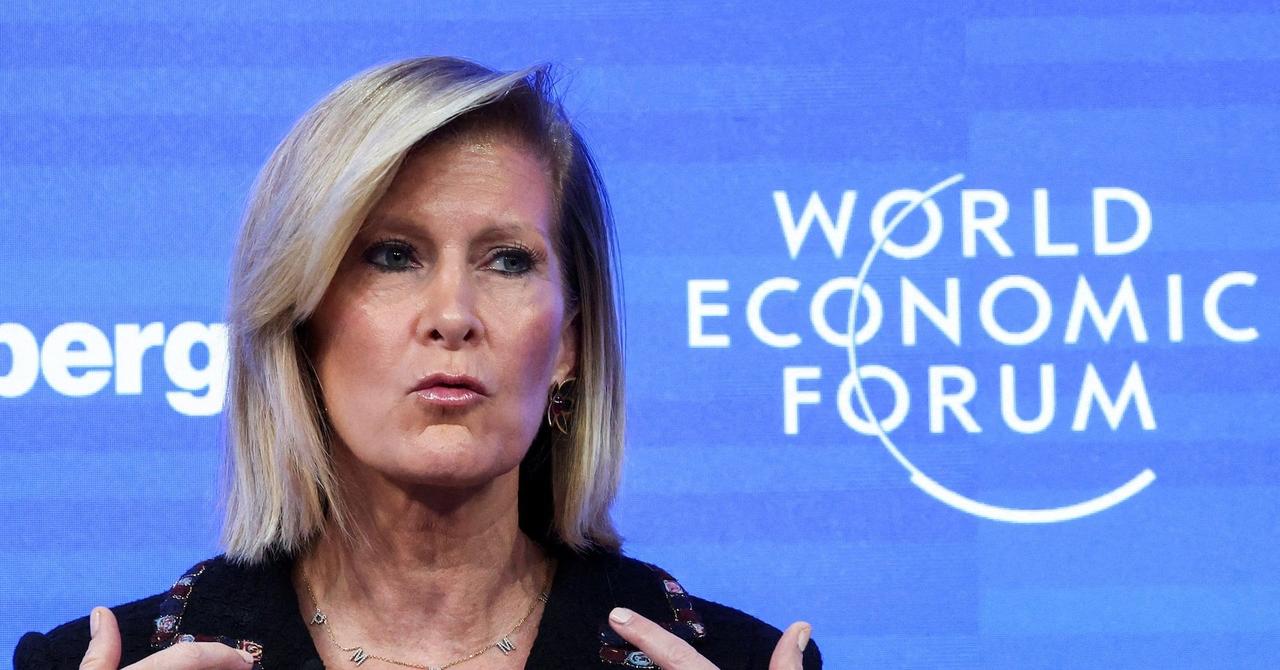
Wells Fargo CEO announces AI will drive job cuts as bank pursues efficiency gains
09 Dec 2025•Business and Economy

Recent Highlights
1
Tennessee Teens Sue Elon Musk's xAI Over Grok AI-Generated Child Abuse Images
Policy and Regulation

2
Supermicro Co-Founder Indicted in $2.5 Billion Nvidia AI Chip Smuggling Scheme to China
Policy and Regulation

3
Val Kilmer to appear posthumously in As Deep as the Grave through AI-generated performance
Entertainment and Society

Recent Highlights
Today's Top Stories









Your Daily Dose of Curated AI News
Don’t drown in AI news. We cut through the noise - filtering, ranking and summarizing the most important AI news, breakthroughs and research daily. Spend less time searching for the latest in AI and get straight to action.

