Macy's AI chatbot drives customer spending up 4.75 times as retailers race to deploy assistants


2 Sources
2 Sources
[1]
Macy's Says Users of New AI Chatbot Spend About 400% More Online
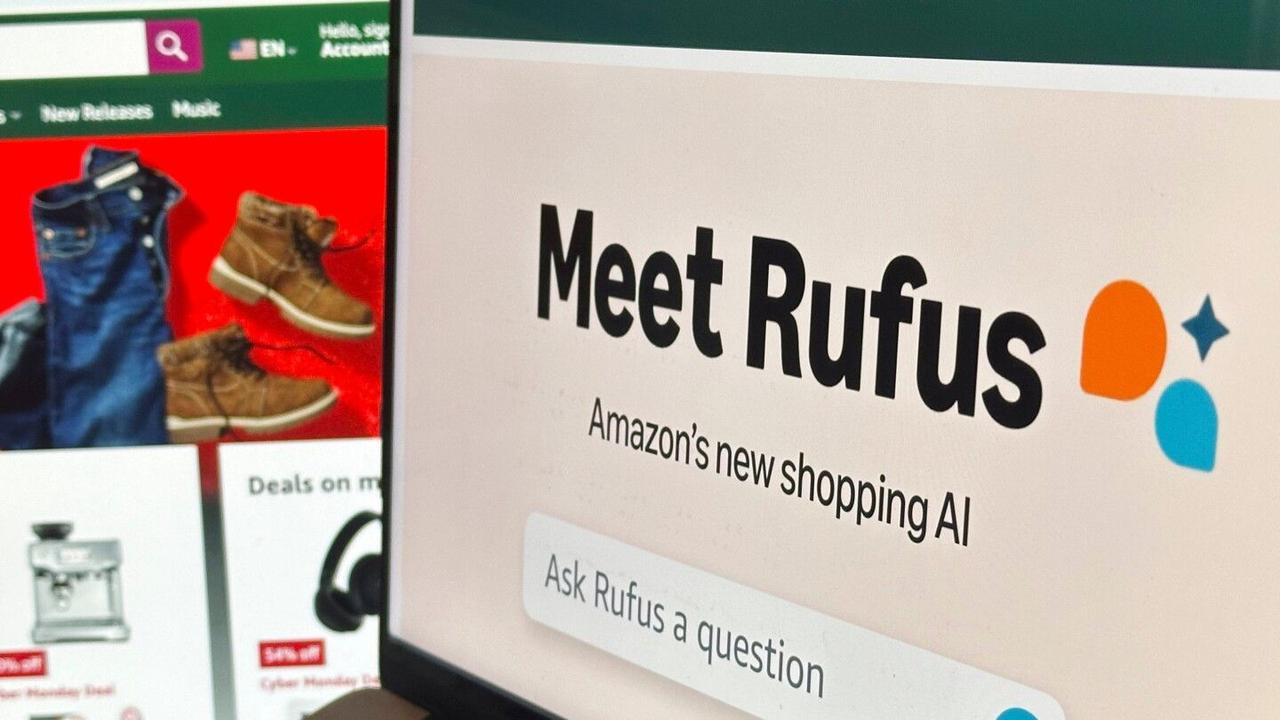
Macy's Inc. has launched an AI-powered shopping assistant that's upped spending online among those using the new tool, part of the company's multiyear effort to reverse a sales decline. Customers who use "Ask Macy's," the chatbot that's powered by Google's Gemini platform, have spent around 4.75 times more than those who don't, the company said. Macy's gathered the data during the last several weeks while testing the shopping assistant with about half of visitors to its website. Retailers are creating their own AI chatbots to give customers more of a conversational search experience, worried that without it, shoppers will abandon their websites and conduct research on platforms like OpenAI's ChatGPT. "Every retailer is trying to figure it out one step at a time," Max Magni, Macy's Inc. chief customer and digital officer, said in an interview. "This is anybody's game. Nobody has cracked the code." Around 40% of the top 20 US retailers by revenue have rolled out some form of AI-powered shopping assistant, said Ali Furman, US consumer markets industry leader at PwC. While some companies launched as early as 2024, most deployed their AI assistants starting in mid-2025 into this year, Furman added. "Depth and sophistication vary widely," she wrote in an email. The most effective ones are "less like a chatbot and more like a personal shopping agent who knows the assortment and understands your preferences." There's limited data about the effect on sales and profitability, Furman added, but what has been disclosed is "directionally positive." Brighter or Muted? As of Monday, "Ask Macy's" is available across the company's digital platforms, including its app. Magni said users have gravitated to the chatbot's "complete the look" option - where it suggests shoes and a belt to go with a suit, for example - and the virtual try-on feature that enables shoppers to see what an item looks like on them. "It's probably a younger customer base," Magni said. In stores, Macy's staff have started to use the virtual try-on feature with clients who might not have time in person to see if an item fits, according to Barbie Cameron, the company's chief stores officer. Shoppers using the chatbot might be primed to spend more -- because they need help finding an item quickly for an upcoming party, for example -- compared with consumers just casually browsing the website without AI, Magni acknowledged. Either way, customers' interactions with "Ask Macy's" helps him and his team tweak the underlying technology to make it more useful over time, he said. Thousands of Macy's employees helped sharpen the version of the chatbot that shoppers are using, Magni said. He and his team changed an algorithm after requests for dress suggestions, for example, didn't offer up top brands. "We want to start from an elevated place," Magni said. Also, the bot didn't always take into account that a shopper in Florida might want to be presented with a different selection than someone in Maine because of the weather. And the chatbot's tone was initially cold and transactional, Magni heard from employees. When he asked for T-shirt suggestions for his son, the bot presented Magni with a list saying "Here's a T-shirt for a 10-year-old." Now, the bot's tone has become more conversational, saying lines like, "'Ten-year-olds can have so much fun with color - do you want a brighter or more muted color selection?'" Magni said. "The machine continues to learn."
[2]
Macy's AI Chatbot Quadruples Customer Spending | PYMNTS.com
By completing this form, you agree to receive marketing communications from PYMNTS and to the sharing of your information with our sponsor, if applicable, in accordance with our Privacy Policy and Terms and Conditions. These "complete the look" and virtual try-on features were quickly adopted by users of the Ask Macy's chatbot that is now available on the retailer's app and other digital platforms, Max Magni, chief customer and digital officer at Macy's Inc., told Bloomberg in an interview. The retailer has also found that customers who use Ask Macy's have spent 4.75 times more than those who don't, according to the report. Ask Macy's is powered by Google's Gemini, the report said. During testing of Ask Macy's before Monday's comprehensive launch, the retailer made adjustments to ensure that the shopping assistant offers up top brands, takes into account the different products that might be wanted by customers in states with different climates, and a maintains a conversational tone, the report said. "The machine continues to learn," Magni said, per the report. According to information provided on the retailer's website when tapping the Ask Macy's button, the AI shopping assistant can suggest products based on details supplied by the customer such as budget, occasion, color, style and size. It invites customers to tell Ask Macy's what they're looking for "like you would a store colleague." Suggested queries include "I need shoes for a special occasion," "Help me find a gift" and "I'm looking to refresh my bedroom." PYMNTS reported March 18 that Macy's returned to comparable sales growth in fiscal 2025 after years of contracts. During an earnings call, the retailer attributed this improvement in part to its deployment of technology. "I believe Macy's Inc. has significant, underappreciated capabilities in areas such as data science, AI and technology, and our Macy's ecosystem is a fundamental strength," Macy's Inc. Chief Financial Officer Tom Edwards said during the call. The company has added more than 35 internal AI use cases spanning supply chain, merchandising, marketing and call centers, as well as customer-facing and omnichannel functions, Edwards said.
Share
Share
Copy Link
Macy's launched an AI-powered shopping assistant called Ask Macy's that has driven users to spend 4.75 times more than non-users. Built on Google's Gemini platform, the chatbot offers features like virtual try-on and complete the look suggestions. The deployment comes as retailers rush to prevent shoppers from abandoning their sites for platforms like ChatGPT.
Macy's AI Chatbot Delivers Dramatic Customer Spending Increase
Macy's Inc. has rolled out an AI shopping assistant that's producing striking results in its battle against declining revenue. Customers who interact with Ask Macy's, the newly launched chatbot powered by Google's Gemini platform, have spent approximately 4.75 times more than shoppers who don't use the tool
1
. The company gathered this data during several weeks of testing with roughly half of its website visitors before the full launch on Monday across all digital platforms, including its mobile app2
.
Source: Bloomberg
Max Magni, Macy's Inc. chief customer and digital officer, acknowledged that shoppers using the Macy's AI chatbot might already be primed to spend more online—perhaps needing to find items quickly for an upcoming event—compared to casual browsers. Still, the substantial lift in customer spending signals the potential impact of AI-powered shopping assistants on retail performance. "Every retailer is trying to figure it out one step at a time," Magni said. "This is anybody's game. Nobody has cracked the code"
1
.Virtual Try-On and Complete the Look Features Drive Engagement
Users have gravitated toward specific capabilities within Ask Macy's, particularly the complete the look option that suggests complementary items like shoes and a belt to accompany a suit, and the virtual try-on feature that lets shoppers visualize how clothing appears on them
1
. Magni indicated these features appeal primarily to a younger customer base. In physical stores, Macy's staff have begun using the virtual try-on capability with clients who lack time to try items in person, according to Barbie Cameron, the company's chief stores officer1
.The AI shopping assistant invites customers to describe what they're looking for "like you would a store colleague," accepting details such as budget, occasion, color, style, and size. Suggested queries include requests like "I need shoes for a special occasion" and "Help me find a gift"
2
. This conversational search experience represents a shift from traditional keyword-based product searches that have dominated e-commerce for years.Retailers Rush to Deploy AI Assistants Amid Competitive Pressure
Around 40% of the top 20 US retailers by revenue have deployed some form of AI-powered shopping assistant, according to Ali Furman, US consumer markets industry leader at PwC. While some companies launched as early as 2024, most rolled out their assistants starting in mid-2025 into this year. "Depth and sophistication vary widely," Furman noted, with the most effective solutions functioning "less like a chatbot and more like a personal shopping agent who knows the assortment and understands your preferences"
1
.Retailers are creating these tools partly out of concern that shoppers will abandon their websites to conduct product research on platforms like OpenAI's ChatGPT. Limited data exists about the effect on sales and profitability across the industry, Furman added, but disclosed results have been "directionally positive"
1
. The competitive race reflects broader anxiety about maintaining direct customer relationships in an era where AI platforms could intermediate shopping decisions.Machine Learning Algorithm Refined Through Employee Feedback
Thousands of Macy's employees helped refine the chatbot before its public launch, providing feedback that led to significant improvements. Magni and his team adjusted the machine learning algorithm after discovering that requests for dress suggestions didn't consistently surface top brands. The system also failed to account for regional differences—a shopper in Florida might want different product selections than someone in Maine due to weather variations
1
.Employee testing also revealed that the chatbot's initial conversational tone felt cold and transactional. When Magni requested T-shirt suggestions for his son, the bot simply presented a list saying "Here's a T-shirt for a 10-year-old." The revised version now responds more naturally with lines like "Ten-year-olds can have so much fun with color - do you want a brighter or more muted color selection?" Customer interactions with Ask Macy's continue to help the team refine the underlying technology. "The machine continues to learn," Magni said
1
.AI Deployment Part of Broader Turnaround Strategy
The launch of Ask Macy's represents one component of the retailer's multiyear effort to reverse a sales decline. Macy's reported a return to comparable sales growth in fiscal 2025 after years of contractions, attributing the improvement partly to technology deployment. "I believe Macy's Inc. has significant, underappreciated capabilities in areas such as data science, AI and technology," said Tom Edwards, Macy's Inc. Chief Financial Officer, during an earnings call
2
.The company has implemented more than 35 internal AI use cases spanning supply chain, merchandising, marketing, call centers, and omnichannel functions beyond customer-facing applications
2
. This broader integration of Google's Gemini and other AI technologies suggests Macy's views artificial intelligence as fundamental to operational efficiency, not merely a customer engagement tool. As retailers watch how Ask Macy's performs over coming quarters, the question remains whether the dramatic early lift in customer spending will translate into sustained revenue growth and whether competitors can replicate similar results with their own AI assistants.🟡 untrained_code=🟡Macy's AI Chatbot Delivers Dramatic Customer Spending Increase
Macy's Inc. has rolled out an AI shopping assistant that's producing striking results in its battle against declining revenue. Customers who interact with Ask Macy's, the newly launched chatbot powered by Google's Gemini platform, have spent approximately 4.75 times more than shoppers who don't use the tool
1
. The company gathered this data during several weeks of testing with roughly half of its website visitors before the full launch on Monday across all digital platforms, including its mobile app2
.Source: Bloomberg
Max Magni, Macy's Inc. chief customer and digital officer, acknowledged that shoppers using the Macy's AI chatbot might already be primed to spend more online—perhaps needing to find items quickly for an upcoming event—compared to casual browsers. Still, the substantial lift in customer spending signals the potential impact of AI-powered shopping assistants on retail performance. "Every retailer is trying to figure it out one step at a time," Magni said. "This is anybody's game. Nobody has cracked the code"
1
.Related Stories
Virtual Try-On and Complete the Look Features Drive Engagement
Users have gravitated toward specific capabilities within Ask Macy's, particularly the complete the look option that suggests complementary items like shoes and a belt to accompany a suit, and the virtual try-on feature that lets shoppers visualize how clothing appears on them
1
. Magni indicated these features appeal primarily to a younger customer base. In physical stores, Macy's staff have begun using the virtual try-on capability with clients who lack time to try items in person, according to Barbie Cameron, the company's chief stores officer1
.The AI shopping assistant invites customers to describe what they're looking for "like you would a store colleague," accepting details such as budget, occasion, color, style, and size. Suggested queries include requests like "I need shoes for a special occasion" and "Help me find a gift"
2
. This conversational search experience represents a shift from traditional keyword-based product searches that have dominated e-commerce for years.Retailers Rush to Deploy AI Assistants Amid Competitive Pressure
Around 40% of the top 20 US retailers by revenue have deployed some form of AI-powered shopping assistant, according to Ali Furman, US consumer markets industry leader at PwC. While some companies launched as early as 2024, most rolled out their assistants starting in mid-2025 into this year. "Depth and sophistication vary widely," Furman noted, with the most effective solutions functioning "less like a chatbot and more like a personal shopping agent who knows the assortment and understands your preferences"
1
.Retailers are creating these tools partly out of concern that shoppers will abandon their websites to conduct product research on platforms like OpenAI's ChatGPT. Limited data exists about the effect on sales and profitability across the industry, Furman added, but disclosed results have been "directionally positive"
1
. The competitive race reflects broader anxiety about maintaining direct customer relationships in an era where AI platforms could intermediate shopping decisions.Machine Learning Algorithm Refined Through Employee Feedback
Thousands of Macy's employees helped refine the chatbot before its public launch, providing feedback that led to significant improvements. Magni and his team adjusted the machine learning algorithm after discovering that requests for dress suggestions didn't consistently surface top brands. The system also failed to account for regional differences—a shopper in Florida might want different product selections than someone in Maine due to weather variations
1
.Employee testing also revealed that the chatbot's initial conversational tone felt cold and transactional. When Magni requested T-shirt suggestions for his son, the bot simply presented a list saying "Here's a T-shirt for a 10-year-old." The revised version now responds more naturally with lines like "Ten-year-olds can have so much fun with color - do you want a brighter or more muted color selection?" Customer interactions with Ask Macy's continue to help the team refine the underlying technology. "The machine continues to learn," Magni said
1
.AI Deployment Part of Broader Turnaround Strategy
The launch of Ask Macy's represents one component of the retailer's multiyear effort to reverse a sales decline. Macy's reported a return to comparable sales growth in fiscal 2025 after years of contractions, attributing the improvement partly to technology deployment. "I believe Macy's Inc. has significant, underappreciated capabilities in areas suchs as data science, AI and technology," said Tom Edwards, Macy's Inc. Chief Financial Officer, during an earnings call
2
.The company has implemented more than 35 internal AI use cases spanning supply chain, merchandising, marketing, call centers, and omnichannel functions beyond customer-facing applications
2
. This broader integration of Google's Gemini and other AI technologies suggests Macy's views artificial intelligence as fundamental to operational efficiency, not merely a customer engagement tool. As retailers watch how Ask Macy's performs over coming quarters, the question remains whether the dramatic early lift in customer spending will translate into sustained revenue growth and whether competitors can replicate similar results with their own AI assistants.References
Summarized by

Navi
Related Stories
AI Shopping Drives $263 Billion in Holiday Sales as Walmart and Target Race to Integrate ChatGPT
13 Dec 2025•Technology

AI Transforms Black Friday Shopping: Boosting Online Sales and Enhancing Customer Experience
28 Nov 2024•Technology

Gap becomes first major fashion retailer to offer direct checkout within Google Gemini
24 Mar 2026•Technology
Recent Highlights
1
OpenAI shuts down Sora video app after six months, ending Disney's $1 billion investment deal
Technology

2
Apple plans major Siri AI overhaul in iOS 27 with standalone app and third-party chatbot support
Technology

3
Claude AI can now control your computer to complete tasks, but security risks remain
Technology

Recent Highlights
Today's Top Stories








Your Daily Dose of Curated AI News
Don’t drown in AI news. We cut through the noise - filtering, ranking and summarizing the most important AI news, breakthroughs and research daily. Spend less time searching for the latest in AI and get straight to action.

