10 Sources
10 Sources
[1]
Google is launching Search Live globally | TechCrunch
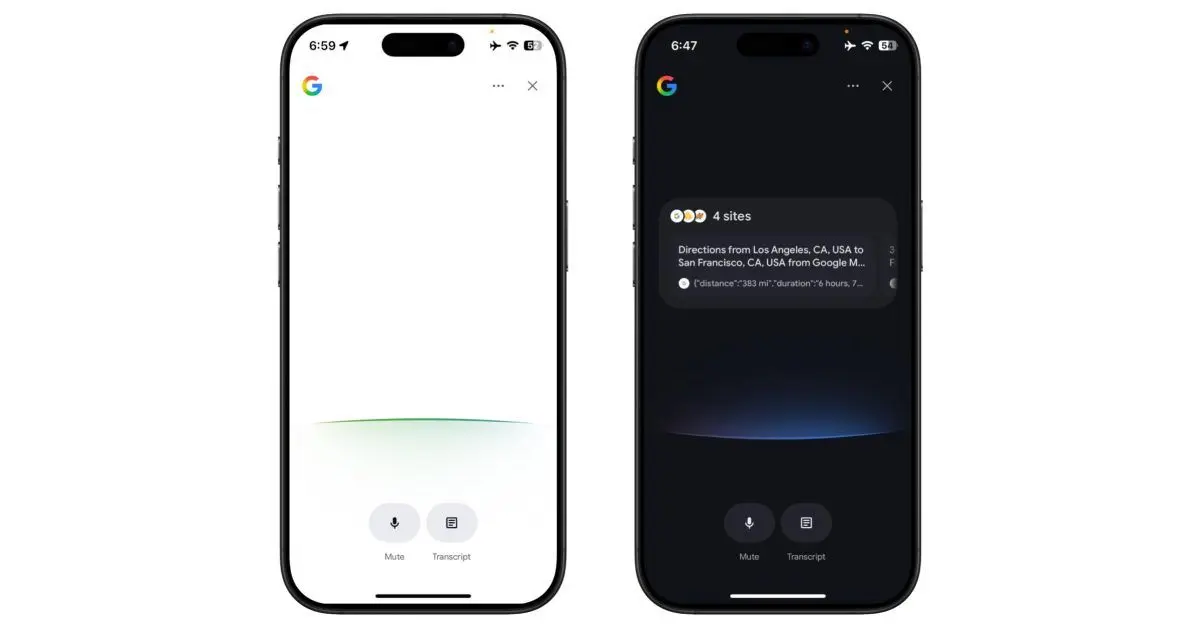
Google announced on Thursday that it's expanding its AI-powered conversational search feature, Search Live, globally to all languages and locations where AI Mode is available. With this expansion, people in more than 200 countries and territories will get access to the feature, Google says. First launched in July 2025, Search Live allows users to point their phone camera at objects to get real-time assistance, enabling back-and-forth conversations that draw on the visual context from the camera feed. Prior to this global expansion, Search Live was only available in the U.S. and India. The expansion is enabled by Google's new audio and voice model, Gemini 3.1 Flash Live. The model delivers even more natural and intuitive conversations, the tech giant says. To use the feature, users need to open the Google app on Android or iOS and tap the Live icon under the Search bar. From there, they can ask a question out loud to get an audio response, then continue the conversation with follow-up questions. Users also have the option to dive deeper by exploring web links. "Search Live is designed for those moments when you need real-time help, and typing out a query just won't cut it," Google wrote in a blog post. "If you want to ask about something in front of you, like how to install a new shelving unit, you can enable your camera to add visual context. This way, Search can see what your camera sees and offer helpful suggestions, plus links to more information on the web." Google notes that you can also access Search Live if you're already pointing your camera with Google Lens by tapping the "Live" option at the bottom of the screen. The tech giant also announced that Google Translate's "Live Translate" feature is expanding to iOS. The feature, which lets you hear real-time translations in your headphones, is also expanding to more countries, including Germany, Spain, France, Nigeria, Italy, the United Kingdom, Japan, Bangladesh, and Thailand. Google says this expansion means that users on Android and iOS can access real-time translations on any pair of headphones in more than 70 languages.
[2]
Google's 'live' AI search assistant can handle conversations in dozens more languages
Google is expanding access to Search Live, a feature that lets you search for information using your voice and camera. The AI search assistant is now available in more than 200 countries and territories, as well as dozens of languages, according to an announcement on Thursday. Search Live rolled out broadly in the US last September, allowing you to point your phone's camera at something and ask about it aloud, such as how to install a shelving unit. The AI assistant will then offer an audio response, along with links to information it finds on the web. Google says it's powering the global expansion of Search Live with its new Gemini 3.1 Flash Live audio-focused AI model, which it says is "inherently multilingual." The new model also comes with improvements to the speed of its responses, and offers "more natural and intuitive conversations," according to Google. You can try Search Live by opening the Google app on Android or iOS, and tapping the "Live" button beneath the search bar. You can also access Search Live through Google Lens. In addition to this update, Google is rolling out Translate's real-time translation feature to iOS. That means users with iPhones can use the app to capture speech in real-time and hear the translation in their headphones. This feature is also expanding to more areas, including Germany, Spain, France, Nigeria, Italy, the UK, Japan, Bangladesh, and Thailand.
[3]
Google begins rolling out Search Live globally
Following a false start last week, Google has begun rolling out Search Live globally. The tool allows you to point your phone's camera at an object or scene and ask questions about what you see in front of you. With today's expansion, Google is making Search Live available in every location and language where it offers its AI Mode chatbot. With that, people in more than 200 countries and territories can use Search Live to get answers to their questions. Behind the expansion is Google's Gemini 3.1 Flash Live model. According to the company, the new AI system was designed to be natively multilingual, and capable of more natural conversations. It should also be more reliable and faster. Separately from Search Live, Google is bringing Live Translate to iOS. Live Translate, if you need a reminder, allows you to put on a pair of headphones and get a real-time translation of what another person is saying. With today's announcement, Google is also bringing the feature to more countries, including Germany, Italy, Spain, Japan and the UK, across both Android and iOS. All told, Live Translate can now understand more than 70 languages and work with any set of headphones. Neat.
[4]
Search Live rolling out globally as Google Translate's live headphones mode comes to iPhone
With the launch of Gemini 3.1 Flash Live, Google is launching Search Live globally. Meanwhile, Google Translate's new headphones experience is now on iOS. Search Live launched in the US last September. It essentially lets you have a back-and-forth conversation with Google Search. Additionally, Google Lens integration lets you turn on the camera to use the real world as context. Search Live is leveraging Gemini 3.1 Flash Live's support for more than 90 languages. The model is also better at pitch, pace, and filtering out background noise to focus on you. You can launch Search Live from the button next to AI Mode at the top of the Google app. In Google Lens, you'll see a new "Live" tab after Translate. In other developments, Google Translate is bringing its "Live translate with headphones" feature to iOS after launching on Android last year. This brings real-time translations to your ear, with Google preserving the tone, emphasis, and cadence of each speaker. It can be used to "have a conversation in a different language, listen to a speech or lecture while abroad, or watch a TV show or film in another language." Live translation with headphones is also rolling out to more countries, including France, Germany, Italy, Japan, Spain, Thailand, and the UK. It supports over 70 languages. Open Google Translate for iOS with your headphones paired and tap "Live translate" in the bottom-left corner to access.
[5]
Google's AI-powered conversational Search Live tool is going global -- with real-time answers now available in more languages
* Google Search Live is now available globally in 200 countries and 98 languages * Search Live uses the new Gemini 3.1 Flash Live audio and voice model to enable a "more natural" conversational search * Audio responses have links to the information source Google has rolled out its AI-powered conversational search tool, Search Live, globally to more than 200 countries and territories, and is available in 98 languages. First launched in the US in September 2025, Search Live lets you point your phone or tablet's camera at something and ask the AI tool about it out loud, such as what model washing machine you have and how to use it. The AI then responds with an audio answer that's also, handily, captioned, and will continue listening for any clarifications and follow-up questions to emulate a natural conversation. You can access Search Live through the Google app on Android or iOS by tapping the "Live" button under the search bar, placed between the AI Mode and Nano Banana buttons. It can also be accessed through Google Lens and the dedicated Gemini app. Google has said the expansion has been made possible thanks to the launch of a new audio and voice model called Gemini 3.1 Flash Live, which it says is "inherently multilingual". The company also claims the model also responds to queries faster, and aims to deliver "more natural and intuitive conversations". Analysis: Good but not perfect Search Live uses query fan-out -- an information retrieval technique that broadens the search by looking at related answers beyond a specific question -- to provide a more comprehensive response and double down on the conversational aspect. We tried Search Live in June last year, and noted how the tool continues to work in the background to use query fan-out, and my colleague Eric Hal Schwartz said the answers "didn't feel boxed into a single form of response, even on relatively straightforward queries". I took it for a spin myself, testing it on my bike. While Search Live was good at identifying the specific model, year of release and why it had a specific paint job, it failed to recognize that I had swapped out the stock wheelset for a third-party set and thought that it still had the integrated handlebars that it originally came with. It also failed to correctly identify the accessories on the bike, like my rear light, water bottle and the bottle cages. In a similar test, it failed to identify the Nothing Phone 4a Pro that was on my desk, calling it the Nothing Phone 2a instead. I compared the results with the same question on Gemini Live, and I received identical answers. It's understandable why some of the results were incorrect as the AI assistant was drawing from existing sources online and new products won't necessarily have information for the model to learn from but, as it stands, it can handle a fair few general queries. According to Google, over 1.5 billion people were using Google Lens to identify objects around them as of June 2025 and there are about 750 million Gemini Live users, so it would be interesting to see what the uptake of Search Live will be globally and if this becomes the default way to search for information online.
[6]
Google expands Search Live globally with voice and camera AI
The feature is now available in 200+ countries with multilingual support Google is taking another big step toward turning Search into a full-blown AI assistant. The company has officially expanded Search Live globally, making the feature available in over 200 countries and territories, along with support for dozens of languages. Originally launched in the US, Search Live is part of Google's broader push to make search more conversational, interactive, and most importantly, hands-free. What exactly is Google Search Live? Think of it as Google Search... but you talk to it. Search Live lets users ask questions using voice or even their phone's camera, both on Android and iOS, via the Google App, and get spoken responses along with relevant web links. For example, you could point your phone at something, say a broken shelf, and ask how to fix it. The AI will analyze what it sees and respond in real time, making it feel more like a conversation than a query. The feature is powered by Google's Gemini 3.1 Flash model, which is designed for faster, more natural, and multilingual interactions. So... is the search bar officially on notice? This is a pretty big shift. Google isn't just improving search, but it's also slowly replacing the whole "type and scroll" experience. With Search Live, users can talk, ask follow-ups, and interact naturally, making it feel more like a conversation than a query. It's basically ChatGPT-style interaction, but baked right into Google Search. It also pushes things into multimodal territory, where voice, visuals, and context all work together. You can jump in via the Google app or trigger it through Lens, making it feel seamless. Looking ahead, this changes what "search" even means. It's becoming an assistant that understands and responds in real time. And now that it's rolling out globally, this isn't a test anymore... It's the new normal.
[7]
Search Live, Now Powered by Gemini 3.1 Flash Live, Expands Across Globe
Google made three big announcements this morning. They are expanding Search Live globally. It's powered by the latest Gemini 3.1 Flash Live model. And Google Translate's live interpreter mode for headphone users is now available on iOS devices (already on Android). Search Live Expansion: Wherever AI Mode is available, which is now more than 200 countries, users can utilize Search Live. Powered by the freshest model, Gemini 3.1 Flash Live, users grant Gemini access to their mic and camera, allowing you to have an interactive back and forth with AI about whatever it is you're looking at. Touching on Gemini 3.1 Flash Live, Google says that it's the company's highest-quality audio and voice model yet, "offering a more intuitive experience for developers, enterprises and everyday users." And speaking of enterprises, it's already been deployed by the likes of Verizon and Home Depot, specifically in Home Depot's "contact center experience." For the complete rundown on Gemini 3.1 Flash Live, see Google's post. Live Translate with Headphones, part of Google Translate, is now rolling out to iOS users, as well as expanding to a range of new countries. Usable with any pair of headphones, you can understand people speaking in 70+ languages. Newly supported countries include France, Germany, Italy, Japan, Spain, Thailand, and the UK.
[8]
Google takes Search Live global across 200 countries and territories
Google is expanding its AI-powered conversational search feature, Search Live, globally to all languages and locations where AI Mode is available. This expansion will make Search Live accessible to users in over 200 countries and territories, increasing the feature's market reach beyond the U.S. and India. Search Live, launched in July 2025, enables users to use their phone camera for real-time assistance and engage in visual context-driven conversations. The expansion is facilitated by Google's new audio and voice model, Gemini 3.1 Flash Live, which the company states provides natural and intuitive conversations. Users can access Search Live through the Google app on Android or iOS by tapping the Live icon beneath the Search bar. Users can ask spoken questions to receive audio responses and pursue follow-up questions, with options to explore web links for further information. Video: Google "Search Live is designed for those moments when you need real-time help, and typing out a query just won't cut it," Google stated in a blog post. Google also announced the expansion of Google Translate's Live Translate feature to iOS and additional countries. Live Translate, which provides real-time audio translations in headphones, will now be available in countries including Germany, Spain, France, Nigeria, Italy, the United Kingdom, Japan, Bangladesh, and Thailand. This move allows Android and iOS users to access real-time translations in more than 70 languages using any pair of headphones.
[9]
Google's "Search Live" Feature Arrives for More Users Worldwide - Phandroid
Google recently announced that it's finally rolling out its "Search Live" feature to more regions worldwide, specifically in languages and territories which support AI Mode. This allows users to initiate conversational interactions with Google Search when in AI mode, even when using their phone's camera. Search Live works by using Gemini 3.1 Flash Live within the backend, allowing for more natural-sounding conversations, in addition to multilingual support for users worldwide. Users can easily access Search Live via the Google app on their phone, and then by tapping on the "Live" icon under the search bar. Users can then ask questions out load (which will be followed by an audio response), and then carry on conversing with follow-up questions. Meanwhile, opening the camera will allow users to point their phone and ask a question about anything involving the object in front of them; if you're already using the camera with Google Lens, tapping the Live option on the screen will open up a real-time conversational session with Search. Search Live was first unveiled last year for both Android and iOS users, although it was limited for the United States at the time.
[10]
Google Search Live Goes Global; Aim Your Phone Camera at an Object to Get Context
The new feature was launched first last July in the United States and three months later in India Google would soon roll out its AI-powered conversational search feature globally across all language and locations where its AI mode is available. So, if you live in one of these 200 countries, you can just aim your phone camera at objects and get real-time assistance through chats that draws on the visual context from the camera feed. Called Search Live, this feature was made available in the United States last July before it arrived on Indian shores in October, thus covering two of the most valued geographies on Google's customer list. The feature is based on the company's Project Astra capabilities and uses Google Lens to initial the visual search tool. "When you go Live with Search, it's like having an expert on speed dial who can see what you see and talk through tricky concepts in real-time, all with easy access to helpful links on the web," Robby Stein, VP of Product, Google Search, had said in July via in a press release. To use Search Live, users need to open Lens in the Google app, tap on the Live icon and ask a questioning while pointing the camera at an object. The feature provides back-and-forth conversation with Search in AI mode. Of course, Google users can now also use Lens in AI Mode to ask about their desktop screens. "Perhaps you're looking at a geometry problem and want to better understand one of the diagrams. Click on 'Ask Google about this page' from the address bar and select the diagram. You'll get an AI Overview with a snapshot of key information directly in the side panel. And this week, you'll be able to follow up with more questions through AI Mode, by selecting AI Mode at the top of the Lens search results or by clicking the 'Dive deeper' button at the bottom of the AI Overview," Stein had said last July. The latest expansion has been enabled by Google's new audio and voice model - Gemini 3.1 Flash Live - that delivers more natural and intuitive conversations, the company says. "Search Live is designed for those moments when you need real-time help, and typing out a query just won't cut it," Google says in a blog post. "If you want to ask about something in front of you, like how to install a new shelving unit, you can enable your camera to add visual context. This way, Search can see what your camera sees and offer helpful suggestions, plus links to more information on the web." The company also revealed that Google's Live Translate feature would soon expand to iOS and allow for real-time translations into one's headphones. It is also expanding to more countries such as Germany, Spain, France, Nigeria, Italy, the UK, Japan, Bangladesh, and Thailand.
Share
Share
Copy Link
Google announced the global expansion of Search Live, its AI-powered conversational search feature, making it available in more than 200 countries and territories across 98 languages. Powered by the new Gemini 3.1 Flash Live model, the tool allows users to point their phone camera at objects for real-time assistance through natural voice conversations, with responses that include web links for deeper exploration.
Google announced on Thursday that Search Live, its AI-powered conversational search feature, is now available globally to all languages and locations where AI Mode is accessible
1
. This global expansion brings the voice and camera-based searches capability to more than 200 countries and territories, with support for 98 languages5
. First launched in July 2025 and rolled out broadly in the US last September, Search Live was previously limited to the United States and India1
2
.
Source: TechRadar
The global expansion is enabled by Google's new audio and voice model, Gemini 3.1 Flash Live, which the company says is inherently multilingual
2
5
. According to Google, this model delivers more natural and intuitive conversations while improving response speed and reliability3
. The model supports more than 90 languages and demonstrates better capabilities in pitch, pace, and filtering out background noise to focus on the user's voice4
. This represents a significant technical advancement in how AI search handles multilingual conversational interactions across diverse global markets.To use Search Live, users open the Google app on Android or iOS and tap the Live icon positioned under the search bar
1
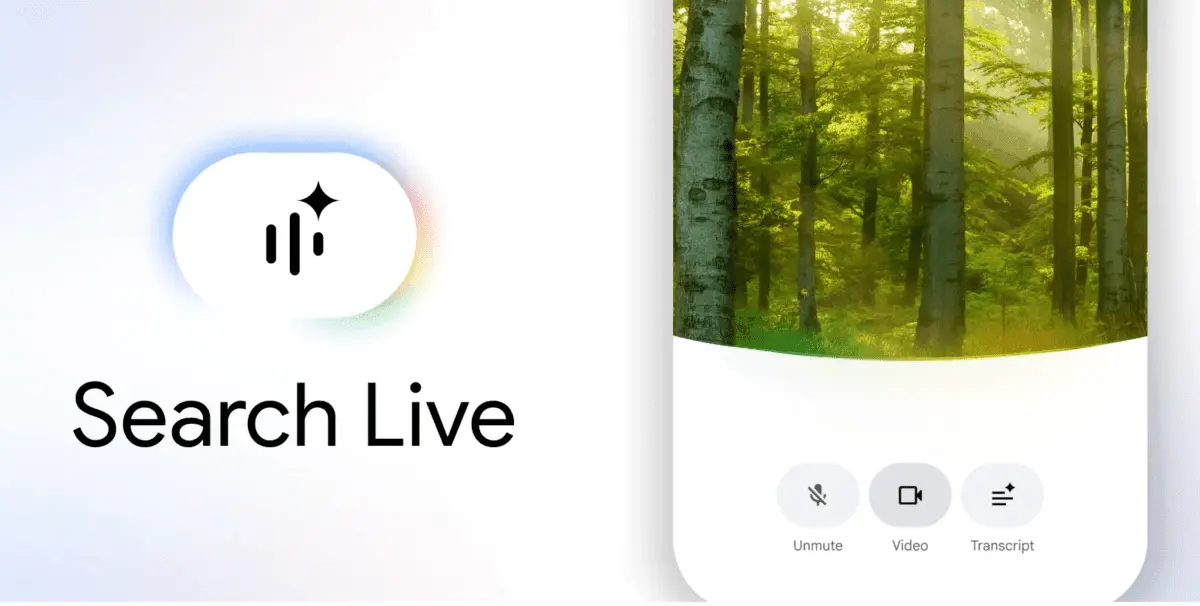
. The conversational search tool allows people to point their phone camera at objects or scenes and ask questions out loud to receive audio responses, then continue with follow-up questions in a back-and-forth conversation1
3
. "Search Live is designed for those moments when you need real-time help, and typing out a query just won't cut it," Google wrote in a blog post1
. Users can ask about anything in front of them, such as how to install a new shelving unit, and the AI assistant will offer helpful suggestions plus links to more information on the web1
. The feature is also accessible through Google Lens by tapping the "Live" option at the bottom of the screen1
4
.
Source: TechCrunch
Related Stories

Alongside the Search Live announcement, Google revealed that Live Translate, a feature within Google Translate, is expanding to iOS
1
3
. The real-time translation feature lets users hear translations in their headphones while preserving the tone, emphasis, and cadence of each speaker4
. Live Translate is expanding to additional countries including Germany, Spain, France, Nigeria, Italy, the United Kingdom, Japan, Bangladesh, and Thailand1
3
. Users on both Android and iOS can now access real-time translations on any pair of headphones in more than 70 languages1
.With over 1.5 billion people already using Google Lens to identify objects as of June 2025, and approximately 750 million Gemini Live users, the global rollout of Search Live positions Google to capture significant market share in voice-driven AI search
5
. The expansion signals Google's commitment to making search more accessible through natural language and visual inputs rather than traditional text queries. However, early testing reveals limitations—the tool has struggled to accurately identify specific product models, accessories, and newer items that lack sufficient online information5
. As Search Live becomes available worldwide, observers will watch whether this becomes the default method for information retrieval, potentially reshaping how billions of users interact with search engines daily.Summarized by
Navi
[1]
[3]
[4]
1
Technology

2
Policy and Regulation

3
Policy and Regulation