Meta builds AI version of Mark Zuckerberg to engage with employees amid massive AI investment


2 Sources
2 Sources
[1]
Meta builds AI version of Mark Zuckerberg to interact with staff
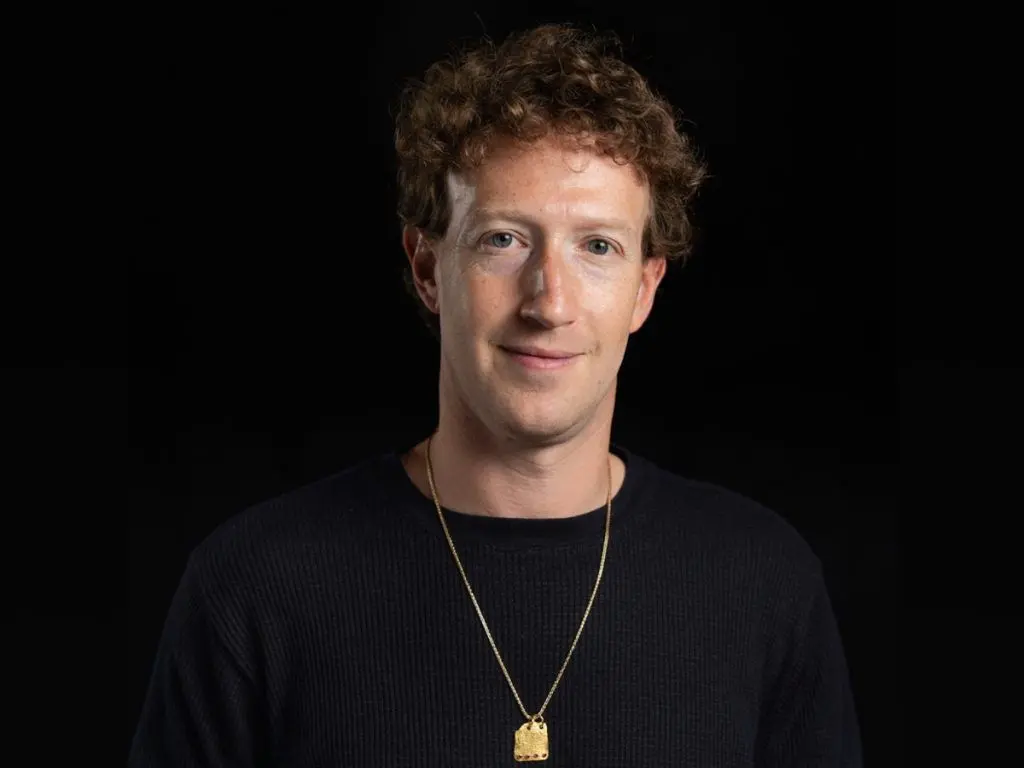
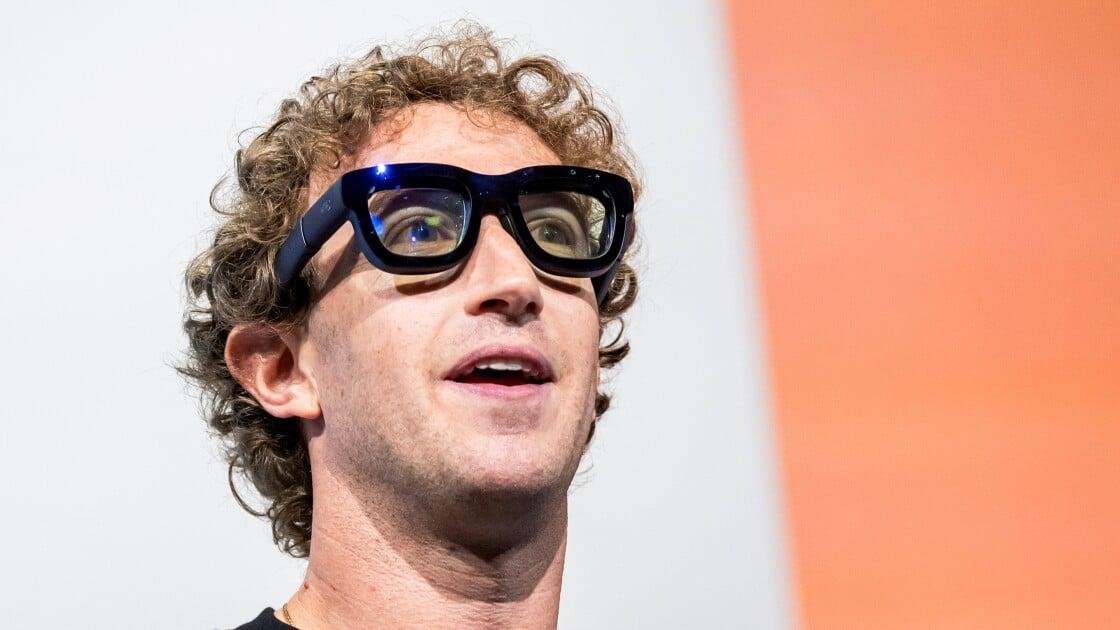
Meta is building an artificial intelligence version of Mark Zuckerberg that can engage with employees in his stead, as part of a broader push to remake the Big Tech company around AI. The $1.6tn group has been working on developing photorealistic, AI-powered 3D characters that users can interact with in real time, according to four people familiar with the matter. The company recently began prioritising a Zuckerberg AI character, three of the people said. The Meta chief is personally involved in training and testing his animated AI, which could offer conversation and feedback to employees, according to one person. They added that the character is being trained on the billionaire's mannerisms, tone and publicly available statements, as well as his own recent thinking on company strategies, so that employees might feel more connected to the founder through interactions with it. The effort, which is at an early stage, is separate from Zuckerberg's project to build a "CEO agent" to support him in his role, for example by retrieving information quickly. That idea was first reported by the Wall Street Journal. Zuckerberg has gone on a multibillion-dollar spending spree over the past year, promising to develop "personal superintelligence" and catch up with rivals such as OpenAI and Google in building cutting-edge models. On Wednesday, Meta released Muse Spark, a small, closed "purpose-built" model for use across its products, with advanced capabilities in areas such as health reasoning and visual understanding. Wall Street investors welcomed the release, with Meta's shares rising 7 per cent on the day. Zuckerberg has become increasingly hands-on as he oversees Meta's AI push, according to people familiar with the matter. He has spent five to 10 hours a week coding on different AI projects at the company and sitting in on technical reviews, said one person. In September 2023, Meta launched its Meta AI assistant as well as a range of AI-powered chatbots exhibiting different personalities based on celebrities such as Snoop Dogg, who agreed to have their voice and likeness used in the feature. The so-called AI characters were developed as Zuckerberg noted the success of AI companion start-up Character AI, particularly with younger users, according to several people familiar with the matter. Meta later rolled out an "AI Studio", which allows users to generate their own AI characters, or creators to build AI versions of themselves to chat with fans. However, the persona efforts faced controversy last year following reports that users were generating overtly sexual characters, amid concerns from the public and regulators over child safety. Since January, Meta has restricted teen access to its AI characters. According to people familiar with the matter, Meta's newly formed Superintelligence Labs have explored a fresh set of characters. The company has focused in part on making photorealistic embodiments of virtual AI characters, four people said. But scaling the effort has been difficult as the technology requires lots of computing power to achieve realism and avoid a lag in interactions with users. Meta has also been working on improving voice interactions with the characters. Last year, it acquired two voice companies, PlayAI and WaveForms. The Zuckerberg character will be trained on images of the chief executive as well as his voice, one person said. If the experiment is a success, influencers and creators might one day be able to do the same, the person added. Meta has been pushing employees to use AI technology internally to streamline processes and become more efficient. Employees are being encouraged to use agentic tools from the open-source software OpenClaw and design their own agents to automate tasks. Product managers are being invited to do an AI-focused "skills baseline exercise", according to several people familiar with the matter. This includes a technical system design test, as well as an exercise in "vibe coding." Some staff fear this could be a prelude to job cuts. Meta said the exercise is not mandatory and designed to establish where product managers might need extra training and development. Additional reporting by Cristina Criddle in San Francisco
[2]
Meta develops AI version of Mark Zuckerberg for employees: Report
Meta is developing a 3D, photorealistic AI character modeled after Zuckerberg that can communicate with employees in real time. Zuckerberg is personally involved in testing and fine-tuning the AI to ensure it reflects his leadership style accurately. As per the report, the project is being developed under Meta Superintelligence Labs, a newly formed division created to accelerate AI development after earlier models such as Llama lagged behind competitors. It is part of Meta's wider AI push, which also includes its latest model, Muse Spark. The Zuckerberg AI clone is part of a broader shift in how Meta operates internally, with greater reliance on automation and AI-assisted workflows. According to the FT, Zuckerberg is using a private AI "CEO agent" to support decision-making with improved access to data and strategic insights. At the organisational level, Meta is moving toward a "pod" structure with fewer managers, where in some cases up to 50 engineers report to a single manager. AI-generated reporting systems are replacing multiple layers of middle management. To support these efforts, Meta has increased its AI spending, with an estimated $115-$135 billion in capital expenditure for 2026 and long-term plans to invest up to $600 billion in AI infrastructure by 2028. These investments include data centre expansion, hiring AI talent, and building advanced models. Meta's AI push follows setbacks with earlier models and rising competition in the space. The company is focusing on agent-based systems that can perform tasks, deeper integration of AI into workflows, and faster development of next-generation models. While these tools are expected to improve efficiency and internal processes, the report suggests they could also lead to a leaner workforce over time as automation reduces reliance on certain roles.
Share
Share
Copy Link
Meta is developing a photorealistic, 3D AI character modeled after CEO Mark Zuckerberg to interact with employees in real time. The Zuckerberg AI is being trained on his mannerisms, tone, and strategic thinking to help staff feel more connected to the founder. This effort is part of Meta's broader AI strategy, backed by an estimated $115-$135 billion in capital expenditure for 2026.
Meta Develops Photorealistic AI Character of Its CEO
Meta is building an AI version of Mark Zuckerberg designed to engage directly with employees, marking a significant step in the company's efforts to integrate artificial intelligence across its operations
1
. The $1.6 trillion tech giant has been developing photorealistic AI character technology that enables real-time interactions, with the Zuckerberg AI recently becoming a priority project1
. Mark Zuckerberg himself is personally involved in training and testing this animated version, which is being designed to offer conversation and feedback to staff members1
.
Source: FT
The AI for employees is being trained on the billionaire's mannerisms, tone, publicly available statements, and his recent thinking on company strategies
1
. The goal is to help employees feel more connected to the founder through interactions with the digital version, even when the real Zuckerberg cannot be present1
. This initiative for internal communication with employees is separate from Zuckerberg's project to build a CEO agent that supports him by retrieving information quickly and providing strategic insights1
2
.Superintelligence Labs Leads Development Efforts
The project is being developed under Meta's newly formed Superintelligence Labs, a division created to accelerate AI development after earlier models such as Llama lagged behind competitors like OpenAI and Google
2
. The Zuckerberg AI will be trained on images of the chief executive as well as his voice, and if the experiment succeeds, influencers and creators might one day be able to create similar versions of themselves1
. However, scaling the photorealistic AI character technology has proven challenging, as it requires substantial computing power to achieve realism and avoid lag in user interactions1
.
Source: FoneArena
Meta has been working to improve voice interactions with AI characters, acquiring two voice companies—PlayAI and WaveForms—in 2024
1
. The company previously launched celebrity chatbots featuring personalities like Snoop Dogg in September 2023, inspired by the success of AI companion startup Character AI with younger users1
. Meta later introduced AI Studio, allowing users to generate their own AI characters or enabling creators to build AI versions of themselves1
.Meta's AI Strategy Backed by Massive Investment Into AI
Meta's AI push reflects Zuckerberg's commitment to developing "personal superintelligence" and catching up with rivals in building cutting-edge models
1
. On Wednesday, Meta released Muse Spark, a small, closed "purpose-built" model with advanced capabilities in health reasoning and visual understanding, which sent Meta's shares up 7 percent1
. The company has committed to a massive investment into AI, with an estimated $115-$135 billion in capital expenditure for 2026 and long-term plans to invest up to $600 billion in AI infrastructure by 20282
. These investments include data center expansion, hiring AI talent, and building advanced models2
.Zuckerberg has become increasingly hands-on, spending five to 10 hours a week coding on different AI projects and sitting in on technical reviews
1
. Meta is pushing employees to use AI tools internally to streamline processes and become more efficient, encouraging staff to use agentic tools from open-source software OpenClaw and design their own agents to automate tasks1
.Related Stories

Organizational Changes and Automation Raise Questions
Meta is moving toward pod structures with fewer managers, where in some cases up to 50 engineers report to a single manager, with AI-generated reporting systems replacing multiple layers of middle management
2
. Product managers are being invited to complete an AI-focused "skills baseline exercise," including technical system design tests and "vibe coding" exercises1
. While Meta states the exercise is not mandatory and designed to identify training needs, some staff fear this could be a prelude to job cuts1
. The automation-driven approach is expected to improve efficiency and internal processes, but could also lead to a leaner workforce over time as automation reduces reliance on certain roles2
.References
Summarized by

Navi
Related Stories
Mark Zuckerberg builds AI agent to assist with Meta CEO duties as company bets big on AI
23 Mar 2026•Technology

Mark Zuckerberg Proposes AI as Solution to Loneliness, Sparking Debate and Concerns
02 May 2025•Technology
Meta's 2025 Strategy: Zuckerberg Prepares for 'Intense' AI-Focused Year
01 Feb 2025•Technology

Recent Highlights


Recent Highlights
Today's Top Stories








Your Daily Dose of Curated AI News
Don’t drown in AI news. We cut through the noise - filtering, ranking and summarizing the most important AI news, breakthroughs and research daily. Spend less time searching for the latest in AI and get straight to action.

