Microsoft and Nvidia launch AI for nuclear initiative to accelerate power plant construction


3 Sources
3 Sources
[1]
Microsoft and Nvidia launch AI partnership to speed up nuclear power plant permitting and construction -- simulation tools and generative models could hasten historically lengthy processes
I'm sorry I caused a nuclear meltdown. That's on me, and it will never happen again. Microsoft and Nvidia have announced an AI-powered collaboration to accelerate the development and deployment of nuclear power plants that will power AI data centers in turn. The partnership, described in a Microsoft blog post, combines generative AI, digital twin simulation, and Nvidia's Omniverse platform to streamline the nuclear lifecycle from permitting through operations. The effort targets what Microsoft's blog calls an infrastructure bottleneck: expensive, years-long permitting processes, fragmented engineering data, and manual regulatory review that delay new nuclear plant construction. The companies say their collaboration will span four phases of nuclear development. In design and engineering, digital twins and high-fidelity simulations allow engineers to reuse proven design patterns and model the downstream effects of changes before construction begins. For licensing and permitting, generative AI handles document drafting and gap analysis across the tens of thousands of pages typically required for regulatory submissions. Construction gets 4D and 5D simulation, adding time scheduling and cost tracking to standard 3D spatial models. Much as Nvidia is doing to optimize its next-generation data center designs before a single shovel of dirt is moved, the idea is to virtually build a nuclear power plant before breaking ground, tracking physical progress against the digital plan, and catching potential schedule collisions early. In operations, AI-powered sensors and digital twins provide anomaly detection and predictive maintenance. The technology stack powering this effort includes Nvidia's Omniverse and AI Enterprise platforms and Earth 2, PhysicsNeMo, Isaac Sim, and Metropolis models alongside Microsoft's Generative AI for Permitting Solution Accelerator and Planetary Computer, all running on Azure. The idea of letting generative AI anywhere near safety-critical nuclear infrastructure might give the average reader pause, but it's already happening in the real world. Aalo Atomics, an Austin-based startup building modular nuclear reactors for data centers, has said that it reduced its permitting process workload by 92% using Microsoft's Generative AI for Permitting solution, saving an estimated $80 million annually. "Two things matter most: enterprise-scale complexity and mission-critical reliability," Yasir Arafat, chief technology officer at Aalo, said in the blog post. Aalo is currently building its Aalo-X experimental reactor at Idaho National Laboratory, with a target of achieving criticality by mid-2026. Two additional companies, Everstar and Atomic Canyon, are also building on the collaboration. Everstar, an Nvidia Inception startup, is bringing domain-specific AI for nuclear to Azure to manage project workflows and governed data pipelines, while Atomic Canyon's Neutron platform is now available in the Microsoft Marketplace, giving nuclear developers access to these capabilities through standard enterprise procurement. Given that the time span of new reactor construction stretches many years in the United States (fourteen years in the case of Southern Company's Vogtle Unit 3, for just one example), there's ample room for acceleration of the construction of those plants. Whether the growth of AI data center power demand will be sustained long enough to see Nvidia and Microsoft's efforts bear fruit will remain to be seen. Follow Tom's Hardware on Google News, or add us as a preferred source, to get our latest news, analysis, & reviews in your feeds.
[2]
Microsoft and Nvidia team up on AI nuclear push
Why it matters: The initiative is the latest example of the tech industry leaning on nuclear's emerging potential to deal with AI's voracious energy needs. Driving the news: Smith mentioned the "AI for nuclear" initiative during onstage remarks at the CERAWeek conference. * The two companies "have really created a solution that hopefully will play an important role in expanding the construction of nuclear power," Smith said. * The ultimate goal is to "provide end-to-end tools that streamline permitting, accelerate design, and optimize operations across the industry," said Darryl Willis, Microsoft's corporate vice president, worldwide energy and resources industry, in a subsequent blog post. * The collaboration will move nuclear companies away from "highly customized engineering" toward "repeatable, reference-based delivery" while maintaining regulatory standards and engineering accountability, Willis wrote. How it works: AI tools can help identify documentation inconsistencies, unify data across the lifecycle of plant construction, and support "digital twins," or virtual replicas that allow engineers to test changes, per Willis. * Generative AI can also help align new applications with past permits, and to simulate projects "before shovels hit the dirt," he wrote. * AI-powered sensors and operational digital twins could detect anomalies early that help keep the electricity grid stable. Zoom in: Microsoft noted that Aalo Atomics has reduced the permitting process by 92% using its generative AI permitting tool, saving an estimated $80 million a year. The bottom line: "AI is enabling the energy industry to deliver more power, faster, and safely. This Microsoft and NVIDIA collaboration provides the path to do exactly that for advanced developers, owners, and operators," Willis wrote.
[3]
Microsoft and NVIDIA plan to use AI to help build nuclear power plants to power AI
TL;DR: Microsoft and NVIDIA are partnering to use AI in accelerating nuclear power plant construction, aiming to create safe, carbon-free energy for AI infrastructure. Their AI tools streamline permitting, reduce documentation errors, and employ Digital Twins for efficient project management, cutting costs and delays significantly. It's no secret that investment in data centers and AI infrastructure has been straining energy resources, and that the biggest players in the industry are looking for a clean solution to meet the energy needs of the AI factories of the future. One of those solutions is nuclear power, with Microsoft's Darryl Willis, the Corporate Vice President of the company's Worldwide Energy and Resources Industry, calling it "the essential backbone for this future." And with the newly announced AI collaboration for nuclear power between Microsoft and NVIDIA, both companies are looking to accelerate the construction of new nuclear power plants for AI. With the help of AI. Yes, that means leveraging cutting-edge AI tools for streamlining the permitting process, which can cost "hundreds of millions of dollars." Plus, the creation of Digital Twins and simulations to enable faster iteration. Microsoft is clear that this collaboration isn't simply about accelerating the process, but also about enabling engineers and regulators to focus on "building a safe, secure, high-capacity, carbon-free power source that's on-time and on-budget." Here's a more detailed snippet from the announcement. Engineers can spend thousands of hours drafting, cross-referencing, formatting, searching, reviewing, and reworking materials. They have to identify and fix inconsistencies across tens of thousands of pages. It is little wonder that plants have been notorious for construction delays and cost overruns. To break this infrastructure bottleneck, we need to move away from highly customized engineering towards repeatable, reference-based delivery - while maintaining regulatory standards and engineering accountability. With AI, we can identify tiny documentation inconsistencies and resolve them quickly. By unifying data and simulation across the lifecycle, we ensure complex work remains: Traceable, Audit-Ready, Secure, and Predictable. The Digital Twin side of this collaboration signals what's in store for large-scale construction and infrastructure, as it leverages technologies such as NVIDIA Omniverse and NVIDIA Earth 2 to build a digital version of the nuclear plant before the first shovel hits the ground. And use that as a tool to track progress and spot any potential delays or roadblocks before they happen. For those worried that leaning on AI tools to help build nuclear power plants might sound like a bad idea, it's something that's already happening - albeit at a smaller scale than what's being outlined here. In its announcement, Microsoft includes a quote from Aalo Atomics about how the existing Microsoft Generative AI for Permitting solution (which is a part of this new collaboration) has reduced this time-intensive process by 92% and saved the company tens of millions of dollars.
Share
Share
Copy Link
Microsoft and Nvidia unveiled an AI for nuclear collaboration to tackle the energy crisis facing AI data centers. The partnership deploys generative AI and digital twin simulations to streamline nuclear power plant permitting, design, and construction. Aalo Atomics has already reduced permitting workload by 92%, saving an estimated $80 million annually using these tools.
Microsoft and Nvidia Target Infrastructure Bottleneck for AI Data Centers
Microsoft and Nvidia have launched a sweeping AI for nuclear collaboration designed to expedite the construction of nuclear power plants that will power the growing energy demands of AI infrastructure. Announced by Microsoft's Brad Smith at the CERAWeek conference, the partnership combines generative AI, digital twin simulations, and Nvidia Omniverse to address what Darryl Willis, Microsoft's Corporate Vice President of Worldwide Energy and Resources Industry, describes as a critical infrastructure bottleneck
2
. The initiative targets expensive, years-long permitting processes that have historically delayed nuclear power plants and driven cost overruns into the hundreds of millions of dollars1
.
Source: Axios
The collaboration aims to transform the nuclear industry from highly customized engineering toward repeatable, reference-based delivery while maintaining regulatory standards and engineering accountability
3
. With AI data centers straining energy resources, nuclear power represents what Willis calls "the essential backbone for this future" as a carbon-free energy source capable of meeting AI's voracious power requirements3
.Generative AI for Permitting Slashes Documentation Burden
The partnership deploys generative AI for permitting to streamline the permitting process, which traditionally requires engineers to spend thousands of hours drafting, cross-referencing, and reviewing tens of thousands of pages of licensing submissions
3
. AI tools can identify tiny documentation inconsistencies across fragmented engineering data and resolve them quickly, ensuring complex work remains traceable, audit-ready, secure, and predictable2
.The real-world impact is already evident. Aalo Atomics, an Austin-based startup building modular reactors for data centers, reduced its permitting process workload by 92% using Microsoft's Generative AI for Permitting Solution Accelerator, saving an estimated $80 million annually
1
. "Two things matter most: enterprise-scale complexity and mission-critical reliability," said Yasir Arafat, chief technology officer at Aalo Atomics1
. The company is currently building its Aalo-X experimental reactor at Idaho National Laboratory, targeting criticality by mid-20261
.Digital Twins and Simulation Tools Transform Construction Planning
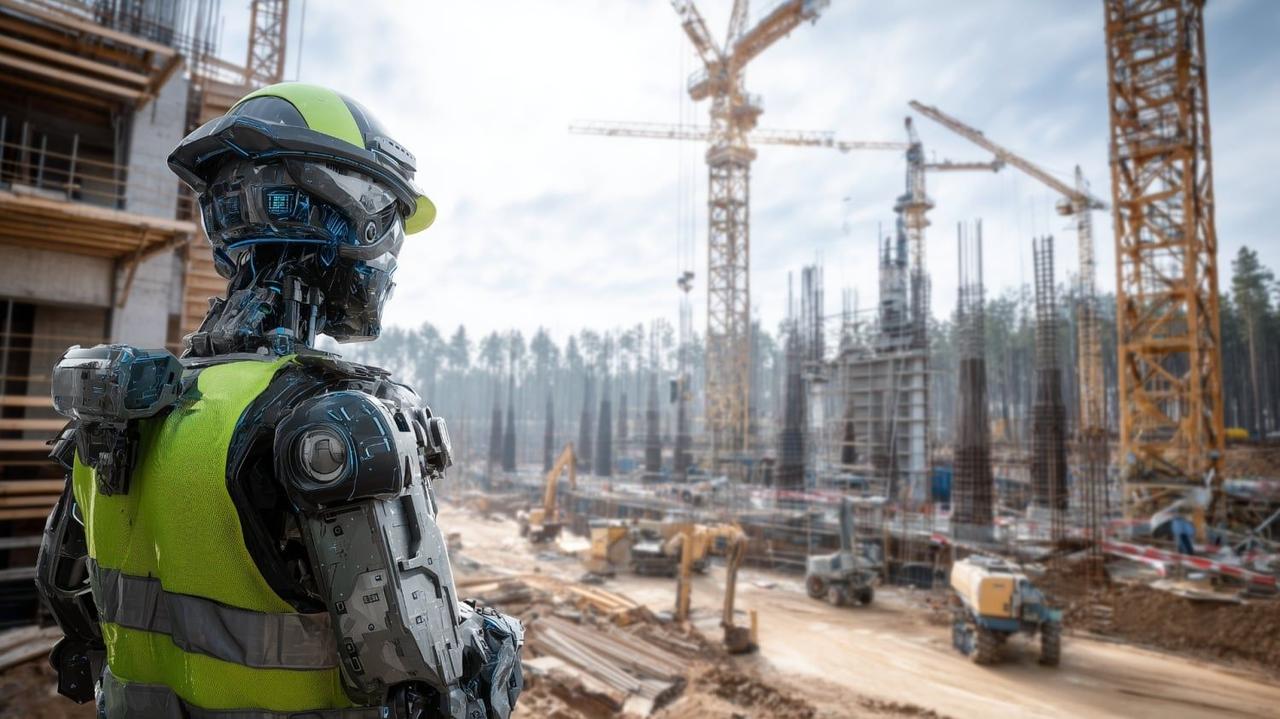
The collaboration leverages digital twins and simulation tools to virtually build nuclear power plants before breaking ground, allowing engineers to test changes and model downstream effects before construction begins
1
. Using Nvidia Omniverse and Nvidia Earth 2, the partnership enables 4D and 5D simulation that adds time scheduling and cost tracking to standard 3D spatial models1
.
Source: TweakTown
This approach allows teams to track physical progress against the digital plan and catch potential schedule collisions early, addressing the notorious construction delays that have plagued nuclear projects like Southern Company's Vogtle Unit 3, which took fourteen years to complete
1
. The technology unifies data across the lifecycle of plant construction, enabling engineers to reuse proven design patterns and maintain engineering accountability throughout project workflows2
.Related Stories

End-to-End Platform Spans Design Through Operations
The partnership provides end-to-end tools spanning four phases of nuclear development. Beyond design and permitting, the collaboration extends to optimize the operations of nuclear power plants through AI-powered sensors and operational digital twins that provide anomaly detection and predictive maintenance
1
. These capabilities could detect anomalies early to help keep the electricity grid stable2
.The technology stack includes Nvidia's Omniverse and AI Enterprise platforms, Earth 2, PhysicsNeMo, Isaac Sim, and Metropolis models alongside Microsoft's Generative AI for Permitting Solution Accelerator and Planetary Computer, all running on Microsoft Azure
1
. Additional companies are building on the collaboration: Everstar, an Nvidia Inception startup, is bringing domain-specific AI for nuclear to Azure to manage project workflows and governed data pipelines, while Atomic Canyon's Neutron platform is now available in the Microsoft Marketplace1
.Whether the growth of AI data center power demand will be sustained long enough to see this collaboration bear fruit remains to be seen, given that new reactor construction in the United States stretches many years
1
. However, with ample room to speed up nuclear power plant permitting and construction processes, the initiative represents a significant bet on nuclear as the solution to AI's energy challenge.References
Summarized by

Navi
Related Stories
Microsoft and Idaho National Laboratory Partner to Accelerate Nuclear Power Licensing with AI
17 Jul 2025•Technology
Nvidia Invests in Nuclear Startup TerraPower to Power AI's Growing Energy Demands
19 Jun 2025•Business and Economy
AI's Power Hunger Drives Tech Giants Towards Nuclear Energy
24 Jun 2025•Technology

Recent Highlights
1
Anthropic's Claude AI can now control your computer to complete tasks autonomously
Technology
2
Nvidia's Jensen Huang calls OpenClaw the next ChatGPT, sending Chinese AI stocks soaring
Technology

3
Elon Musk unveils $20 billion Terafab chip manufacturing project to produce terawatt of computing
Technology
Recent Highlights
Today's Top Stories






Your Daily Dose of Curated AI News
Don’t drown in AI news. We cut through the noise - filtering, ranking and summarizing the most important AI news, breakthroughs and research daily. Spend less time searching for the latest in AI and get straight to action.

