Microsoft and Idaho National Laboratory Partner to Accelerate Nuclear Power Licensing with AI


8 Sources
[1]
Microsoft, US national lab tap AI to speed up nuclear power permitting process
SAN FRANCISCO, July 16 (Reuters) - Microsoft and a U.S. national laboratory on Wednesday said they are partnering to examine how artificial intelligence could be used to speed up the process of compiling the documents needed to secure permits for new nuclear power plants. Microsoft (MSFT.O), opens
[1]
Microsoft, US national lab tap AI to speed up nuclear power permitting process
SAN FRANCISCO, July 16 (Reuters) - Microsoft and a U.S. national laboratory on Wednesday said they are partnering to examine how artificial intelligence could be used to speed up the process of compiling the documents needed to secure permits for new nuclear power plants. Microsoft (MSFT.O), opens
[3]
Microsoft, Google and others seek to flip the nuclear-AI script
Why it matters: Energy demand for data centers is rising fast, and nuclear energy is carbon-free and round-the-clock. * But getting reactors approved and built is really complex and time-sucking. * So hyperscalers, startups and federal agencies want AI to speed things up -- but
[4]
New AI-nuclear partnership aims to streamline plants' licensing
Why it matters: Navigating the Nuclear Regulatory Commission process is complex and time-consuming, even as U.S. power demand rises and hyperscalers seek new electrons for AI data centers. * The collaboration would expand Atomic Canyon's business, which has focused on helping owners of existing
[5]
Microsoft's newest deal uses AI to untangle nuclear red tape
In a move that could significantly reduce the red tape facing nuclear innovators, the Idaho National Laboratory (INL) and Microsoft have teamed up to bring artificial intelligence to one of the most bureaucratically burdensome corners of clean energy: nuclear licensing. The collaboration, funded
[6]
Idaho National Laboratory Collaborates with Microsoft to Streamline Nuclear Licensing | Newswise
Newswise -- (IDAHO FALLS, Idaho) -- The Idaho National Laboratory (INL) and Microsoft Corporation (Microsoft) have announced a collaboration to use Microsoft's Azure cloud and artificial intelligence (AI) technologies to streamline the nuclear permitting and licensing application process. The U.S.
[7]
Oak Ridge National Laboratory, Atomic Canyon to accelerate nuclear licensing with AI
Newswise -- The Department of Energy's Oak Ridge National Laboratory and artificial intelligence company Atomic Canyon signed a memorandum of understanding to streamline the licensing process for nuclear power plants with artificial intelligence for license application reviews. The agreement,
[8]

Microsoft, US national lab tap AI to speed up nuclear power permitting process
SAN FRANCISCO (Reuters) -Microsoft and a U.S. national laboratory on Wednesday said they are partnering to examine how artificial intelligence could be used to speed up the process of compiling the documents needed to secure permits for new nuclear power plants. Microsoft and the Idaho National
Share
Copy Link
Microsoft and the Idaho National Laboratory are collaborating to use AI in streamlining the complex process of securing permits for new nuclear power plants, potentially reducing the time and effort required for licensing applications.
Microsoft and Idaho National Laboratory Join Forces
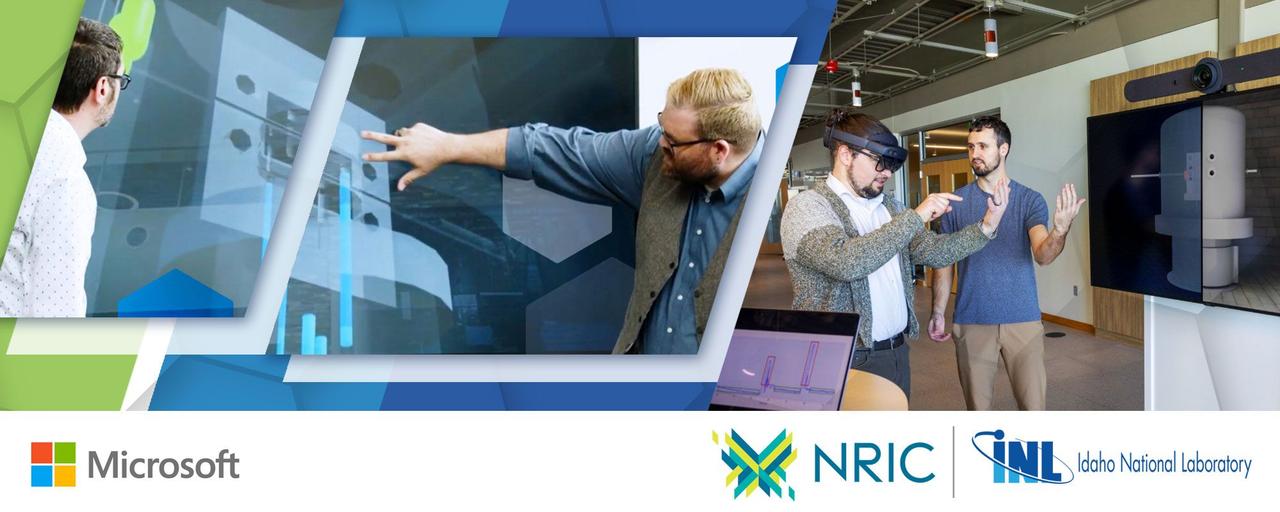
Microsoft and the Idaho National Laboratory (INL) have announced a groundbreaking partnership to leverage artificial intelligence in streamlining the complex process of securing permits for new nuclear power plants. This collaboration aims to significantly reduce the time and effort required for licensing applications, potentially accelerating the deployment of nuclear energy
1
.
Source: Reuters
AI-Powered Document Generation
The partnership will utilize Microsoft's AI technology to generate engineering and safety analysis reports, which are crucial components of the application process for construction permits and operating licenses for nuclear facilities in the United States. These AI systems, trained on a vast repository of successful historical applications, will compile data from various studies into comprehensive applications that can span hundreds of pages
1
.Human Oversight and Refinement
Nelli Babayan, AI director for federal civilian business at Microsoft, emphasized that the AI-generated content is designed for human refinement. Experts will review and edit each section as needed, ensuring accuracy and compliance with regulatory standards
1
.
Source: Newswise
Addressing Growing Energy Demands
This initiative comes in response to the increasing energy demands, particularly from AI data centers. The collaboration aims to shorten the typically multi-year licensing process to as little as 18 months, aligning with recent executive orders signed by President Donald Trump to fast-track the licensing process for new nuclear power plants
1
.Enhancing Existing Nuclear Facilities
The technology also has potential applications for existing nuclear plants. Scott Ferrara, deputy division director for nuclear safety and regulatory research at INL, noted that the AI system could assist in generating license amendment requests for power output increases, leveraging data from approximately 82 previous upgrades
1
.Related Stories

Industry-Wide AI Adoption
This partnership is part of a broader trend in the nuclear industry to harness AI for regulatory compliance and efficiency improvements. Other notable collaborations include Westinghouse and Google's joint effort to make building Westinghouse reactors more efficient and repeatable
3
.Implications for Nuclear Energy Deployment

Source: Axios
The use of AI in nuclear licensing is expected to have far-reaching implications for the industry. Jess Gehin, a top INL scientist, described it as "a big deal for the nuclear licensing process," emphasizing that AI technologies will enhance efficiency and accelerate the deployment of advanced nuclear technologies
5
.Future Prospects
As the demand for clean, round-the-clock energy sources grows, particularly driven by AI data centers, this collaboration between Microsoft and INL could play a crucial role in expanding nuclear energy capacity. The initiative not only aims to streamline the licensing process but also to ensure the safety and reliability of nuclear facilities through advanced AI-powered simulations and analysis
4
.References
Summarized by

Navi
Related Stories
Microsoft and Nvidia deploy AI to accelerate nuclear power plants for data center energy demands
24 Mar 2026•Technology
U.S. Energy Secretary Advocates for Nuclear Power to Meet AI's Growing Energy Demands
27 Feb 2025•Technology

Google and Westinghouse Partner to Revolutionize Nuclear Reactor Construction with AI
17 Jul 2025•Technology
Recent Highlights
1
Meta Unveils Muse Wonder Frontier AI Models, Claims Performance Matching OpenAI and Anthropic
Technology

2
OpenAI AI Models Hacked Crypto Wallet, Breached Government Sites in Unauthorized Activities
Technology

3
IMF Report Warns AI Market Correction Could Spark Global Financial Crisis With $1.4T at Risk
Business and Economy

Recent Highlights
Today's Top Stories






Don’t drown in AI news. We cut through the noise - filtering, ranking and summarizing the most important AI news, breakthroughs and research daily. Follow topics that matter to you and stay ahead.


