Microsoft Copilot embeds Edge browser, ignoring user defaults and sparking competition concerns


3 Sources
3 Sources
[1]
Copilot swallows your browser. You're welcome
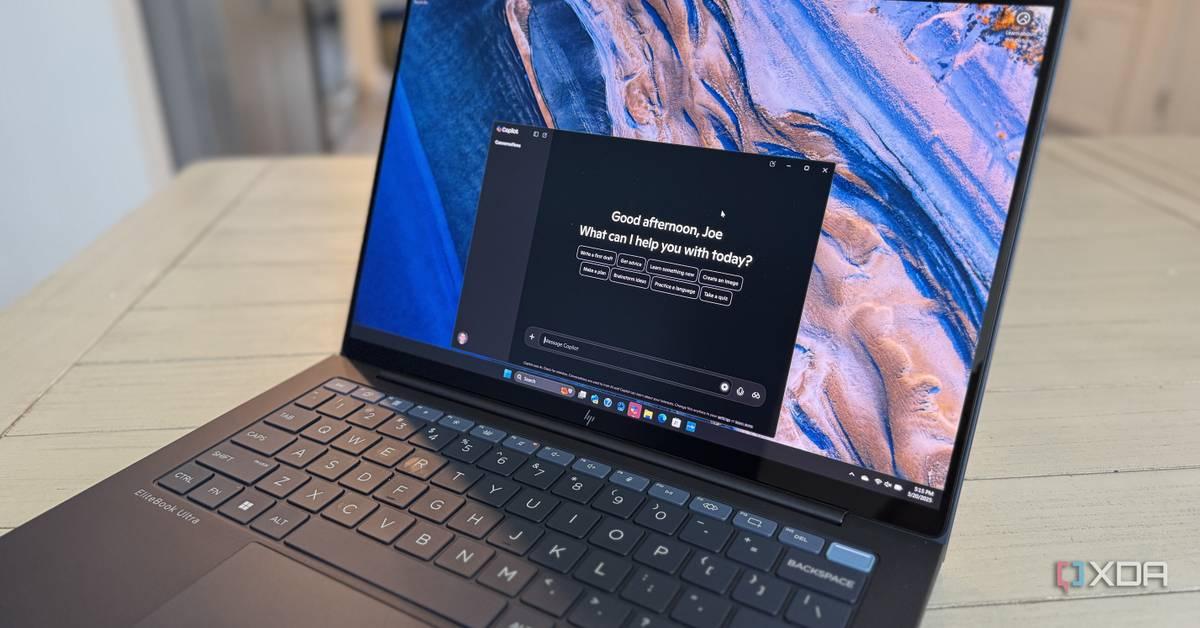
Embeds Edge into AI assistant, ignores questions about opt-in Microsoft is rolling out a Copilot update to Windows Insiders that embeds web browsing directly into the assistant, opening links in a side panel rather than launching your default browser. The plan is that users of the Copilot App in Windows will show content in the assistant's window, "so you don't lose context." Copilot will also (with permission) have access to the context of tabs opened in that conversation, so the assistant can look across them when responding to user prompts. Tabs that are opened will be saved with the conversation so that they can be returned to, and, if a user chooses to enable it, passwords and form data can be synchronized. Enabling password and form data synchronization might give some users pause for thought, particularly after the Windows Recall fiasco, but users worried about Redmond slurping data should probably consider an alternative to Windows anyway. At first glance, it looks like embedding Edge into Copilot via the WebView2 control and steering the user away from whatever browser is their default is where this is going. Convenient, yes. Good for competition, possibly not. We asked Microsoft whether this would be an opt-in experience and which browser was being used, but, other than acknowledging receipt of our questions, the company did not respond. The update has raised a few eyebrows among browser vendors. Vivaldi's Technical Communications Officer, Bruce Lawson, told us, "If it's not opt-in, then it's bad behaviour: over the last 25 years, people have become accustomed to clicking links, and that opens their default browser with their preferred settings, stored passwords, preferred font size, and preferred security settings. "Pulling that rug from under users' feet is impertinent and discourteous. Whether it circumvents DMA or other competition regulations is for lawyers and regulators to decide, but the eternal arrogance of gatekeepers is self-evident." The update is currently a preview and therefore subject to change. The roll-out to all Insider Channels will be gradual (Vivaldi told us it had yet to see the build). The Copilot App is also being tweaked elsewhere. Microsoft stated, "As part of this update, some features like Podcasts and Study and Learn mode from Copilot.com are getting added, while others may be pulled back while we iterate on the experience; we will add priority features back in before the updated app is generally available." For Copilot App users, opening web links alongside conversations is perhaps a useful feature. However, for browser vendors already dealing with Microsoft's habit of pushing its own way of doing things, the update could be seen as another way to keep a user safely within Redmond's purview.
[2]
Outlook will auto-launch Copilot in Edge, just to piss you off
The move appears designed to boost Copilot adoption despite user resistance and low usage rates across Microsoft's productivity suite. Ugh. UGH. Apparently, Mirosoft is personally offended that most people aren't using Copilot -- despite how much Windows begs and forces it -- and has thus resolved to shove it into yet another space where it isn't welcome. A new "feature" in an upcoming build of Outlook will automatically launch the Copilot side pane in the Edge browser whenever you click a link. This is, according to the official Microsoft 365 roadmap, "to provide contextual insights and actionable suggestion chips based on email and destination content." It's not specifically to piss me the hell off, but I'm choosing to read that between the lines anyway. The "feature" is scheduled to begin rolling out in May. The roadmap text is short, with no mention of whether users will be able to disable this behavior. As The Register points out, this could easily cause Copilot to feed sensitive or confidential information into the "AI," an issue that recently got Microsoft in hot water. The company is absolutely desperate to get users using Copilot, shoving it everywhere from Edge to the taskbar to freakin' Notepad, even though basically no one is using it. Microsoft CEO Satya Nadella recently said that the "AI" industry needs to earn "social permission" to consume the massive amounts of energy it's using, including straight-up burning jet fuel to power data centers. I would humbly suggest that if Microsoft truly desires permission to cram "AI" into every aspect of every single piece of software it makes and sells to users, it might try an innovative technique: FRIGGIN' ASK THEM.
[3]
Microsoft's planned new AI trick for Edge will 'automatically open the Copilot side pane' with Outlook email links -- and I can feel the hate already
* Microsoft Edge has a new feature on the roadmap * When you click a link in an Outlook message, it'll open that link in Edge with a Copilot side pane * This side pane will provide 'contextual insights and actionable suggestions', but I'm betting the idea won't be well received Microsoft is preparing a feature for its Edge browser that automatically opens Copilot AI in a sidebar, and I can tell you now that this idea isn't going to be popular. Windows Central spotted the addition to the Microsoft 365 Roadmap which means that when a Windows 11 user clicks a link in an Outlook message that opens in Edge, the Copilot side pane will automatically pop into view on the right of the browser window with extra details. Microsoft explains: "When users open links from Outlook, Microsoft Edge can automatically open the Copilot side pane to provide contextual insights and actionable suggestion chips based on email and destination content - such as highlighting key points, and recommending next actions -- without disrupting the browsing flow. "This experience helps users quickly understand content, take action with fewer steps, and get more value from Copilot while extending productive browsing time in Edge." The feature is under development currently, and is expected to be rolled out starting from May 2026, according to the provided timeline on the roadmap. So in theory -- if nothing derails the concept -- it might be just a few short months away. Analysis: tread carefully, Microsoft Despite the big AI backlash that started late last year, Microsoft clearly isn't downing AI tools - but did we think it would? No, of course not, as AI agents are the next-big-thing (TM) in Windows 11, and there's no getting around that. Development of other AI features will continue as well, and Microsoft isn't putting any of this on ice to fix Windows 11. The promised work to address the fundamental issues that have blighted the desktop OS for a long time will happen alongside more AI being introduced to Windows 11 -- it won't push AI aside. The problem lies in what kind of AI features Microsoft is ushering in, and the sort which automatically pop up in your face in certain scenarios are the very unwelcome variety. Granted, we don't know how this particular feature will be implemented, and we know very little about it at all save for what we can infer from a paragraph of description. Presumably it won't be on by default - the use of the word 'can' in Microsoft's blurb suggests that -- but why do I worry that it might be? Probably because Microsoft has pulled that kind of trick in the past, but given the anti-AI sentiment from many Windows 11 users these days, it'd be very foolish to try these kinds of shenanigans in 2026. We shall see, and indeed Microsoft could even abandon this idea entirely -- just because it's on the roadmap now, that doesn't rule out the feature getting pushed aside and abandoned. However, this is one addition that Microsoft will need to tread very carefully with, if the company does forge ahead with the idea. Follow TechRadar on Google News and add us as a preferred source to get our expert news, reviews, and opinion in your feeds. Make sure to click the Follow button! And of course, you can also follow TechRadar on YouTube and TikTok for news, reviews, unboxings in video form, and get regular updates from us on WhatsApp too.
Share
Share
Copy Link
Microsoft is rolling out updates that embed web browsing directly into Copilot, opening links in Microsoft Edge regardless of default browser settings. The AI feature will automatically launch the Copilot side pane when users click Outlook email links, prompting user backlash and raising questions about forced adoption and anti-competitive practices.
Microsoft Copilot Embeds Edge Browser Into AI Assistant
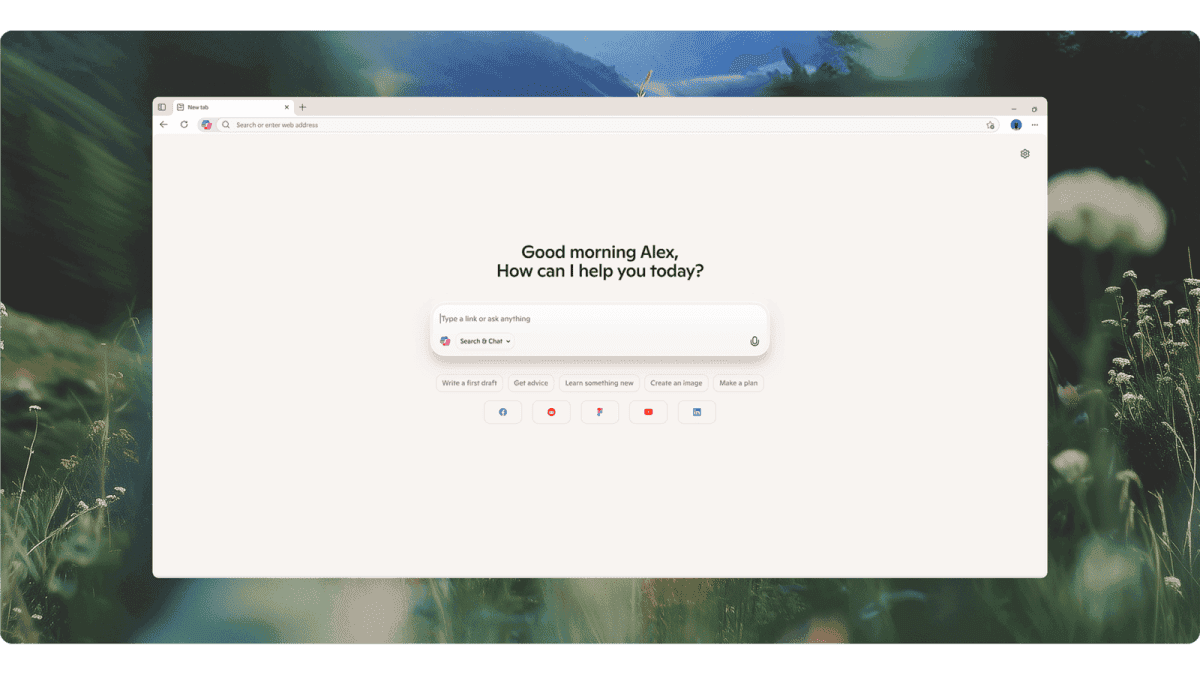
Microsoft is deploying a significant update to Windows Insiders that fundamentally changes how Microsoft Copilot handles web links. The AI feature now embeds web browsing directly into the assistant, opening links in a side panel rather than launching the user's default browser
1
. According to Microsoft, the Copilot App in Windows will display content within the assistant's window "so you don't lose context"1
. The implementation appears to embed Microsoft Edge into the interface via the WebView2 control, effectively steering users away from their preferred browser settings1
.
Source: PCWorld
The update grants Microsoft Copilot access to the context of tabs opened within conversations, allowing the assistant to analyze multiple sources when responding to prompts. Tabs opened during sessions will be saved with the conversation for future reference. Users can also enable data synchronization for passwords and form data, though this capability has raised privacy concerns among security-conscious users, particularly following the Windows Recall controversy
1
.Outlook Email Links Trigger Automatic Copilot Side Pane
A separate entry on the Microsoft 365 roadmap reveals that clicking Outlook email links will automatically launch the Copilot side pane in Microsoft Edge
2
. This web browsing integration is designed to provide contextual insights and actionable suggestion chips based on email and destination content, such as highlighting key points and recommending next actions3
. The feature is scheduled to begin rolling out in May 20262
. The roadmap text provides no mention of whether users will be able to disable this behavior, raising concerns about user consent and forced adoption2
.Microsoft claims this experience helps users "quickly understand content, take action with fewer steps, and get more value from Copilot while extending productive browsing time in Edge"
3
. However, the move appears designed to boost Copilot adoption despite user resistance and low usage rates across Microsoft's productivity suite2
.Browser Vendors Raise Anti-Competitive Concerns
The update has drawn sharp criticism from competing browser vendors who view it as another example of Microsoft leveraging its dominant position. Bruce Lawson, Vivaldi's Technical Communications Officer, stated: "If it's not opt-in, then it's bad behaviour: over the last 25 years, people have become accustomed to clicking links, and that opens their default browser with their preferred settings, stored passwords, preferred font size, and preferred security settings"
1
. Lawson added that "pulling that rug from under users' feet is impertinent and discourteous," while questioning whether the practice circumvents competition regulations like the Digital Markets Act (DMA)1
.Microsoft has not responded to questions about whether this will be an opt-in experience or which browser is being used
1
. The silence has intensified speculation about gatekeepers exploiting their market position. For browser vendors already dealing with Microsoft's habit of pushing its own solutions, the update represents another mechanism to keep users within the company's ecosystem1
.Related Stories


Privacy Concerns and User Backlash Mount
The automatic integration raises significant privacy concerns, as the Copilot side pane could potentially feed sensitive or confidential information from emails into the AI system
2
. This issue recently created problems for Microsoft, yet the company continues pushing Copilot into multiple applications including the Windows 11 taskbar, Notepad, and now default browser usage scenarios2
.
Source: TechRadar
Microsoft CEO Satya Nadella recently acknowledged that the AI industry needs to earn "social permission" to consume massive amounts of energy, including burning jet fuel to power data centers
2
. Critics argue that if Microsoft genuinely desires permission to integrate AI into every aspect of its software, the company should prioritize asking users rather than implementing forced adoption strategies2
.The update is currently in preview for Windows Insiders and subject to change before general availability
1
. Some features like Podcasts and Study and Learn mode from Copilot.com are being added, while others may be pulled back during iteration1
. Whether Microsoft will make the feature opt-in or abandon it entirely remains uncertain, but the company faces growing user resistance as it continues deploying AI features across Windows 11 and Microsoft 3653
.References
Summarized by

Navi
[1]
Related Stories
Recent Highlights
1
Tennessee Teens Sue Elon Musk's xAI Over Grok AI-Generated Child Abuse Images
Policy and Regulation

2
Supermicro Co-Founder Indicted in $2.5 Billion Nvidia AI Chip Smuggling Scheme to China
Policy and Regulation

3
Val Kilmer to appear posthumously in As Deep as the Grave through AI-generated performance
Entertainment and Society

Recent Highlights
Today's Top Stories



Your Daily Dose of Curated AI News
Don’t drown in AI news. We cut through the noise - filtering, ranking and summarizing the most important AI news, breakthroughs and research daily. Spend less time searching for the latest in AI and get straight to action.

