Microsoft Cuts Copilot AI From Windows 11 Apps After Users Rage Over Bloatware


3 Sources
3 Sources
[1]
Less AI? Microsoft Pledges to Focus on Windows 11 Updates You Actually Want
Frustrated by Windows 11? Microsoft is vowing to focus on quality in future OS releases, prioritizing performance and reining in Copilot. Pavan Davuluri, Microsoft's President for Windows and Devices, announced this "commitment to quality" in a Friday blog post and email to users. The plan calls for bolstering the OS's "performance, reliability, and well-crafted experiences" this year, Davuluri says. "These areas have meaningful impact on how you experience Windows: how fast it starts and responds, how stable it is under real workloads, and how consistent and thoughtful the experience feels." PC users will be happy to know that one goal is to reduce Windows 11's resource usage to free up more capacity. Another priority is "less noise, less distraction, and more control across the OS." Surprisingly, the blog post makes little mention of AI. Instead, Davuluri merely says the company wants "to be thoughtful about how and where we bring AI into Windows." "You will see us be more intentional about how and where Copilot integrates across Windows, focusing on experiences that are genuinely useful and well‑crafted. As part of this, we are reducing unnecessary Copilot entry points, starting with apps like Snipping Tool, Photos, Widgets, and Notepad," he said. Changes will roll out in preview for Windows Insiders in March and April. Davuluri made the announcement months after he faced backlash for tweeting that "Windows is evolving into an agentic OS." Users argued that the company was putting AI over basic Windows 11 performance. Not helping matters was a January Windows 11 release that prevented PCs from booting up or going to sleep. Last month, Davuluri indicated he was taking the criticism seriously. Microsoft is also facing increased competition from Apple; it recently released the affordable MacBook Neo, which has been a hit among consumers and reviewers. In his Friday blog post, Davuluri noted, "Over the past several months, the team and I have spent a great deal of time analyzing your feedback. What came through was the voice of people who care deeply about Windows and want it to be better." In the near-term, Davuluri previewed several enhancements rolling out to beta users in the Windows Insider Program, which is open to anyone. They include a faster, more reliable File Explorer, the ability to reposition the Windows 11 taskbar to the top or sides of the screen, and greater control over widget customization in the OS.
[2]
Microsoft Realizes It's Epically Screwed Up Windows 11 as Users Rage at Copilot AI Crammed Everywhere
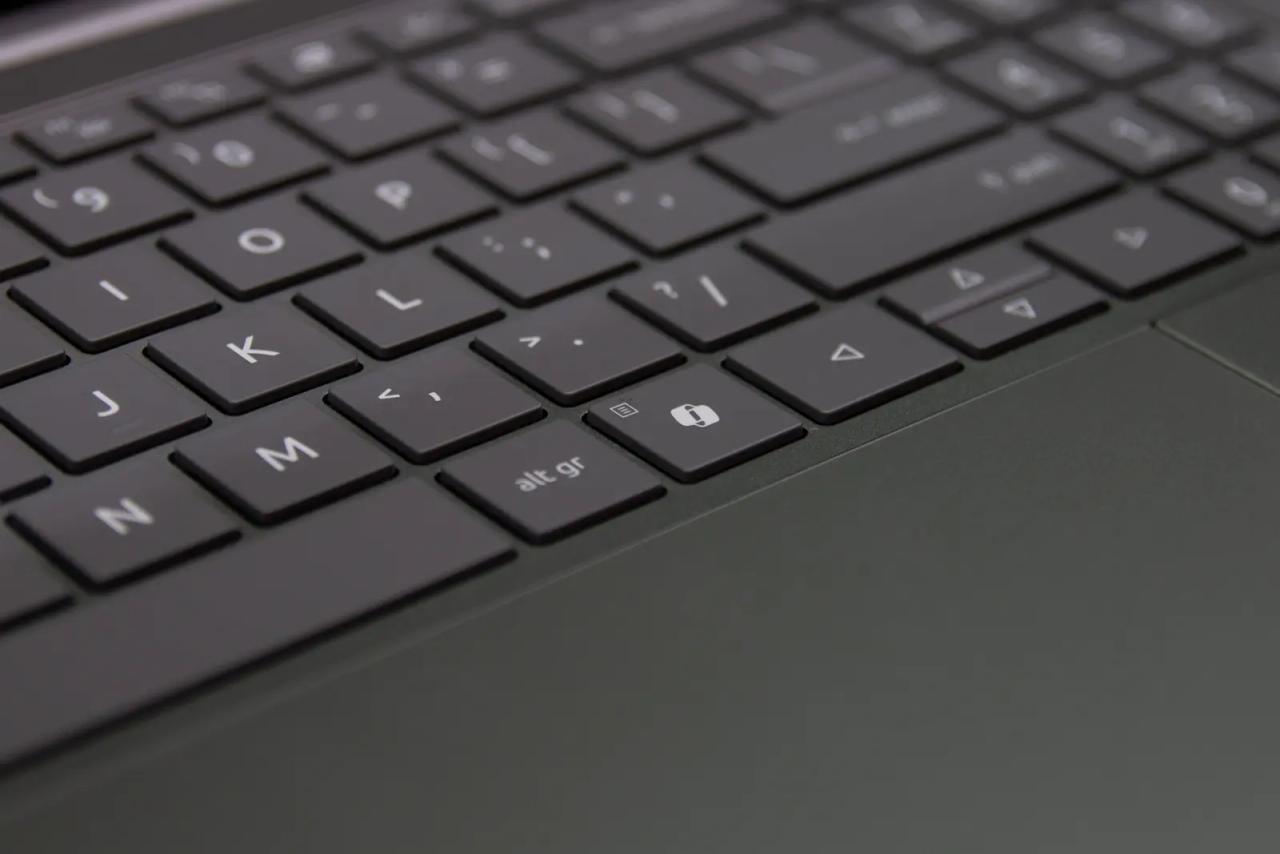
Can't-miss innovations from the bleeding edge of science and tech Microsoft's commitment to shoving its Copilot AI chatbot into every imaginable facet of its widely-used Windows operating system hasn't gone over well with users. Copilot feels like it's infiltrated everything, from a dedicated keyboard key to a thick coat of AI weighing down its otherwise lightweight text editor, Notepad. And that's not to mention years of annoying ads for its in-house services, like OneDrive and Microsoft 365. In short, it's no wonder users are desperately looking for greener pastures, from a growing exodus trying out the open source operating system Linux and Apple's aggressively priced MacBook Neo, which could be the non-Windows saving grace for many budget-conscious buyers looking for a basic machine. Microsoft seems to have finally noticed that its house is on fire, particularly following the heavy-handed embrace of AI garnering it the widely used pejorative of "Microslop." Unsubstantiated rumors over Windows 12 embracing AI even more triggered a massive uproar earlier this month, once again highlighting widespread disillusionment. In a Friday post titled "Our commitment to Windows quality," Windows VP Pavan Davuluri effectively admitted outright that the company has gone too far shoving AI down users' throats at all costs. "Every day, we hear from the community about how you experience Windows," he wrote, in gloriously euphemistic style. "And over the past several months, the team and I have spent a great deal of time analyzing your feedback. What came through was the voice of people who care deeply about Windows and want it to be better." Apart from announcing astonishingly basic functionality like allowing the taskbar to be pinned to the left or right of the screen -- something other operating systems have been capable of for decades -- Davuluri claimed that "you will see us be more intentional about how and where Copilot integrates across Windows, focusing on experiences that are genuinely useful and well‑crafted." "As part of this, we are reducing unnecessary Copilot entry points, starting with apps like Snipping Tool, Photos, Widgets and Notepad," he wrote. The admission shows how companies are still desperately searching for meaningful ways to implement large language model-based tech in consumer products. As AI industry leaders continue to pour hundreds of billions of dollars into the tech, many attempts to embrace the tech are backfiring in spectacular fashion, leading to frustration and backlash among many who never asked for these changes. It's not just users becoming annoyed. Some implementations of AI could lead to real cybersecurity issues. Case in point, after Microsoft crammed its Copilot into the Notepad app, researchers discovered a major security failure that had to be patched. Davuluri also promised faster search, a more reliable File Explorer -- the app that allows users to access their files, which has slowed down significantly over the last couple of updates -- and reduced memory usage. But whether we should take him at his word will ultimately be up to the many disenfranchised Windows users who have had to deal with a lackluster experience for years now. For one, Davuluri's carefully worded promise of being "more intentional" about shoehorning Copilot into the software leaves plenty of opportunities for them to continue burdening the operating system with more AI. Meanwhile, the team continues to be forced to put out fires, like a widespread bug that caused major Microsoft account sign-in issues over the weekend following the rollout of a flawed update.
[3]
Windows 11 to cut out 'unnecessary' Copilot AI bloatware, Microsoft says
Windows 11 is trimming the AI fat by removing some Copilot integrations and promising only "meaningful" uses. About time. Microsoft has promised to trim the Copilot AI features from Windows 11 in a vow to double down on the operating system's quality. In a blog post written to the company's Windows Insider beta testers, in response to some less-than-complimentary feedback of the most loyal users. As a result of the community notes, the company says it is planning a host of changes to arrive in preview builds in the next few months. The headline-making change is a change in the blanket approach to shoving Copilot AI features into each and every facet of the operating system. Instead, Windows Insider Program Team member Pavan Davuluri says, Copilot will only be integrated where meaningful. The "unnecessary" - to use Microsoft's word - AI features will be pulled from a bunch of apps. Davuluri writes: "Integrating AI where it's most meaningful, with craft and focus: You will see us be more intentional about how and where Copilot integrates across Windows, focusing on experiences that are genuinely useful and well‑crafted. As part of this, we are reducing unnecessary Copilot entry points, starting with apps like Snipping Tool, Photos, Widgets and Notepad." This is a welcome backpedal from Microsoft, but just part of the way Microsoft is tweaking Windows 11 to meet Insider feedback. Users will soon be able to reposition the task bar to the side or top of the screen, for the first time, making it easier to completely personalise their workspace. Microsoft is also promising to reduce the disruption from Windows Updates, giving users the opportunity to skip them and avoid automatic restarts. Microsoft is working on a faster and more dependable File Explorer, more control over widgets and feed experiences and an improved feedback hub.
Share
Share
Copy Link
Microsoft is pulling back on Copilot AI integration in Windows 11 after months of user backlash. The company will remove unnecessary Copilot entry points from apps like Snipping Tool, Photos, Widgets, and Notepad. Windows VP Pavan Davuluri announced the shift toward quality over AI, promising better performance, reduced resource usage, and less distraction across the operating system.
Microsoft Retreats on AI-First Strategy Amid User Backlash
Microsoft is reversing course on its aggressive Copilot AI integration strategy for Windows 11 after sustained user dissatisfaction reached a breaking point. Pavan Davuluri, Microsoft's President for Windows and Devices, announced a "commitment to quality" in a Friday blog post addressing the Windows Insider Program community, signaling a fundamental shift in the company's AI implementation strategy
1
. The announcement comes after months of criticism over the company's decision to embed Copilot AI into nearly every facet of the operating system, from a dedicated keyboard key to lightweight apps like Notepad that users felt didn't need AI features2
.
Source: Futurism
Removing Unnecessary Copilot Entry Points From Core Apps
The most significant change involves removing unnecessary Copilot entry points from multiple Windows 11 apps. Davuluri stated that Microsoft will "be more intentional about how and where Copilot integrates across Windows, focusing on experiences that are genuinely useful and well-crafted"
1
. The company is starting by pulling Copilot from Snipping Tool, Photos, Widgets, and Notepad, with these changes rolling out in preview to Windows Insiders in March and April3
. This marks a dramatic departure from the company's previous approach, which saw Copilot infiltrate seemingly every corner of the operating system, creating what critics labeled as bloatware that weighed down previously lightweight applications2
.
Source: Stuff
Enhancing User Experience Through Performance and Reliability
Beyond AI integration, Microsoft is prioritizing performance and reliability improvements that users have been requesting for years. The company plans to reduce Windows 11's resource usage to free up more system capacity, while focusing on "less noise, less distraction, and more control across the OS"
1
. Near-term Windows 11 updates will include a faster and more reliable File Explorer, the ability to reposition the taskbar to the top or sides of the screen—a feature other operating systems have offered for decades—and greater control over widget customization2
. Microsoft is also working to reduce disruption from Windows Updates by giving users the option to skip them and avoid automatic restarts3
.
Source: PC Magazine
Related Stories

User Feedback Drives Strategic Pivot
The shift comes after Davuluri and his team spent months analyzing user feedback that revealed deep frustration with Microsoft's direction. "What came through was the voice of people who care deeply about Windows and want it to be better," Davuluri acknowledged
1
. The backlash intensified after Davuluri faced criticism for tweeting that "Windows is evolving into an agentic OS," with users arguing the company was prioritizing AI over basic operating system functionality1
. A January Windows 11 release that prevented PCs from booting up or going to sleep further eroded user trust, while unsubstantiated rumors about Windows 12 embracing AI even more triggered a massive uproar earlier this month2
.Security Concerns and Competitive Pressures Mount
The aggressive Copilot AI push created more than just annoyance—it introduced real security concerns. After Microsoft integrated Copilot into the Notepad app, researchers discovered a major security failure that required patching
2
. Meanwhile, Microsoft faces increased competition from Apple's recently released affordable MacBook Neo, which has been a hit among consumers and reviewers seeking alternatives to Windows1
. Users have also been exploring other options, with a growing exodus to the open source operating system Linux2
. The situation illustrates how companies continue to search for meaningful ways to implement large language model-based technology in consumer products, with many attempts backfiring as AI industry leaders pour hundreds of billions of dollars into the technology2
. Whether Microsoft's carefully worded promise of being "more intentional" about AI integration will satisfy disenfranchised users remains to be seen, especially as the company continues addressing issues like a widespread bug that caused major Microsoft account sign-in problems over the weekend following a flawed update2
.References
Summarized by

Navi
[2]
Related Stories
Microsoft rolls back Copilot AI bloat on Windows 11 after mounting user pushback
16 Mar 2026•Technology

Microsoft scales back Copilot in Windows 11 apps after user backlash over aggressive AI push
30 Jan 2026•Technology

Microsoft's 'Agentic OS' Vision for Windows Sparks Widespread User Backlash
12 Nov 2025•Technology
Recent Highlights
1
Tennessee Teens Sue Elon Musk's xAI Over Grok AI-Generated Child Abuse Images
Policy and Regulation

2
Pentagon designates Palantir Maven AI as core US military system in major defense shift
Technology
3
Supermicro Co-Founder Indicted in $2.5 Billion Nvidia AI Chip Smuggling Scheme to China
Policy and Regulation

Recent Highlights
Today's Top Stories










Your Daily Dose of Curated AI News
Don’t drown in AI news. We cut through the noise - filtering, ranking and summarizing the most important AI news, breakthroughs and research daily. Spend less time searching for the latest in AI and get straight to action.

