Microsoft rolls back Copilot AI bloat on Windows 11 after mounting user pushback


16 Sources
[1]
Microsoft rolls back some of its Copilot AI bloat on Windows | TechCrunch
Microsoft announced on Friday a series of changes focused on improving the quality of its Windows 11 operating system, which notably includes dialing back the number of entry points to its AI assistant, Copilot. The company said it will reduce Copilot AI integrations in some apps, starting with
[2]
Less Copilot, More Reliability: Microsoft Eyes 'Quality' In New Windows 11 Updates
When he's not battling bugs and robots in Helldivers 2, Michael is reporting on AI, satellites, cybersecurity, PCs, and tech policy. Microsoft is vowing to focus on quality with future Windows 11 releases, which includes better performance and reeling in the company's Copilot footprint over the
[3]
Microsoft is reportedly scrapping a Copilot feature that never made it out of the gate
* Microsoft reportedly scrapped promised Copilot features for Windows 11, trimming back its original ambitions. * Some features became generic AI tools (like File Explorer actions), while Copilot notification actions were shelved. * Microsoft allegedly paused a broad rollout of Copilot to fix
[4]
Microsoft will yank Copilot from some Windows apps and let you move the taskbar again
After one too many of you threatened to switch to Linux, Microsoft has published a long list of changes it plans to make to Windows 11. In a lengthy blog titled "Our commitment to Windows quality," Pavan Davuluri, the executive vice president of Windows and Devices, said the company has spent a
[5]

Microsoft is scaling back Copilot integration across Windows 11
Serving tech enthusiasts for over 25 years. TechSpot means tech analysis and advice you can trust. The big picture: Facing major pushback from users, Microsoft has reportedly canceled plans to add more AI features to Windows 11. According to a new report, the company has halted efforts to
[6]

Microsoft says Windows 11 will get faster as it scales back Copilot
These changes address user complaints about intrusive AI features while promising faster app launches, quicker peripheral connections, and improved overall system responsiveness. For years, Windows critics have described the operating system as unnecessarily big and bloated. Microsoft might not be
[7]

Microsoft dropping Copilot notification plans is a victory for users - but the fight over Windows 11's soul continues
It seems there's some good news for anyone who has despaired at Microsoft shoehorning AI features into every aspect of Windows 11, as new reports suggest the company has dropped plans to add its Copilot AI assistant to core parts of its operating system. Back in 2024, Microsoft EVP Yusuf Mehdi
[8]

Microsoft is cutting down Copilot "bloat" in Windows 11
The company says it will be more intentional about where AI shows up. Microsoft is starting to rethink how much AI it really needs inside Windows 11, and that rethink includes dialing back Copilot. As part of its broader push to improve Windows quality, the company is reducing the number of
[9]
Microsoft is halting forced installs of Microsoft 365 Copilot app
Administrators can still manually deploy the AI assistant, while existing installations remain unaffected by this policy change. Since October, the Microsoft 365 Copilot app has been automatically installed on computers running Windows 11, a move that has upset many users. Fortunately, Microsoft
[10]
Microsoft will no longer auto-install M365 Copilot app on Windows PCs
Windows PC won't be getting Copilot by default, at least for now Microsoft has stopped automatically installing the Microsoft 365 Copilot app on Windows PCs with M365 apps, after initially planning to roll it out to users by default. The app was supposed to act as a central hub for Copilot,
[11]
Report: Microsoft rethinks AI ambitions in Windows 11 after pushback
This strategic shift comes as Copilot+ PCs have underperformed in the market, prompting Microsoft to reduce AI bloat across the operating system. Microsoft apparently doesn't know what to do with itself, at least as far as Copilot, AI, and Windows are concerned. Recent reports suggest that
[12]

Microsoft Pauses Automatic Rollout of Microsoft 365 Copilot App on Windows
Microsoft tests options to let admins remove Copilot from devices Microsoft has temporarily stopped the automatic rollout of the Microsoft 365 Copilot app on Windows devices with Microsoft 365 desktop apps. The move comes as the company adjusts its approach to integrating AI features more broadly
[13]
Microsoft Is Trying to Reduce Copilot-Branded AI Bloat in Windows 11
Several AI features in Windows 11 were launched without Copilot branding Microsoft has reportedly shifted its artificial intelligence (AI) strategy for Windows 11. As per the report, the Redmond-based tech giant is not planning to ship Copilot Suggestions in notifications any longer. This feature
[14]

Microsoft Dials Back Some Windows 11 Copilot Integrations to Reduce Bloat
Having first significantly added to the overall bloat of the operating system, the company now believes that AI experiences make sense only when they are useful. Microsoft and software bloat have been long-term partners as anyone who has used the company's software products over the past three
[15]

Microsoft Quietly Removes Copilot from Windows 11's Everyday Features
Microsoft is scaling back its efforts to integrate Copilot features into Windows 11, marking a significant shift in direction for the operating system. After a year of attempting to incorporate AI into nearly every aspect of the desktop, the company is now focusing on what truly matters: enhancing
[16]

Microsoft takes a u-turn on bringing more AI features on Windows PCs, says new report
For the last few years, AI has been the go-to word for almost every major tech brand whenever they've been asked about the future. We have AI PCs, AI phones, AI cameras, AI robots and whatnot. But it is also true that the word AI feels sort of overused in the industry. And that's exactly what the
Share
Copy Link
Microsoft announced it will reduce Copilot AI integrations in Windows 11 apps including Photos, Notepad, Widgets, and Snipping Tool. The move follows growing consumer pushback against AI bloat, with Pew Research showing half of U.S. adults are now more concerned than excited about AI. The company is shifting focus to quality and performance improvements.
Microsoft Copilot Integration Gets Dialed Back on Windows 11
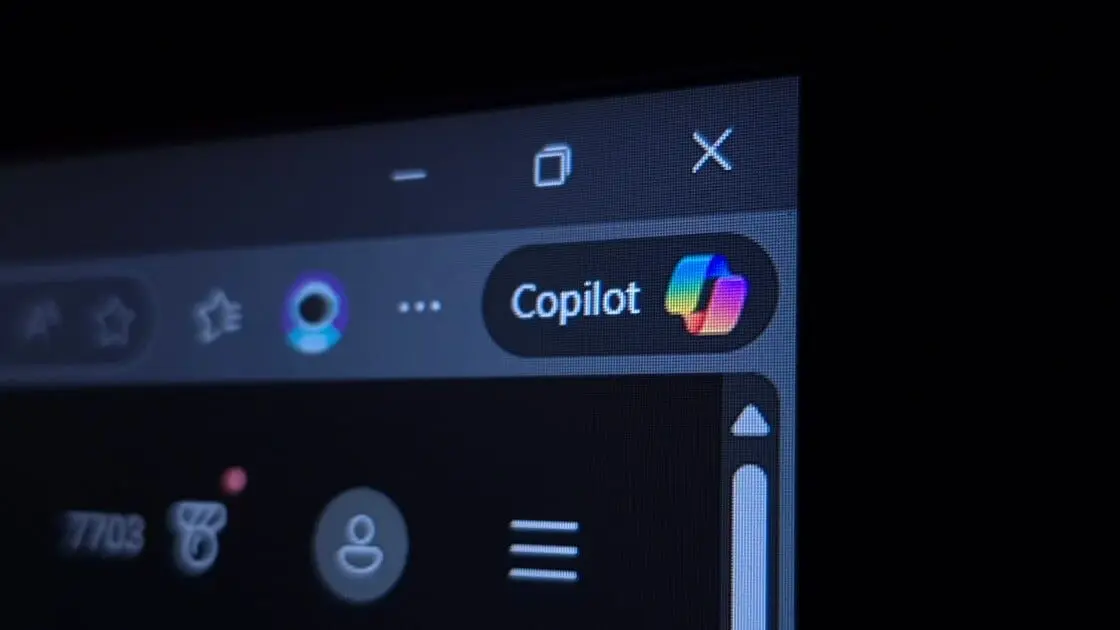
Microsoft announced a significant shift in its Microsoft Copilot strategy on Friday, revealing plans to reduce AI integration across Windows 11 in response to mounting user feedback. Pavan Davuluri, EVP of Windows and Devices, confirmed the company will begin removing Copilot entry points from apps like Photos, Widgets, Notepad, and the Snipping Tool starting this month
1
2
. The changes mark a notable reversal for a company that has invested heavily in artificial intelligence and spent the past two years aggressively pushing Windows 11 AI features across its operating system.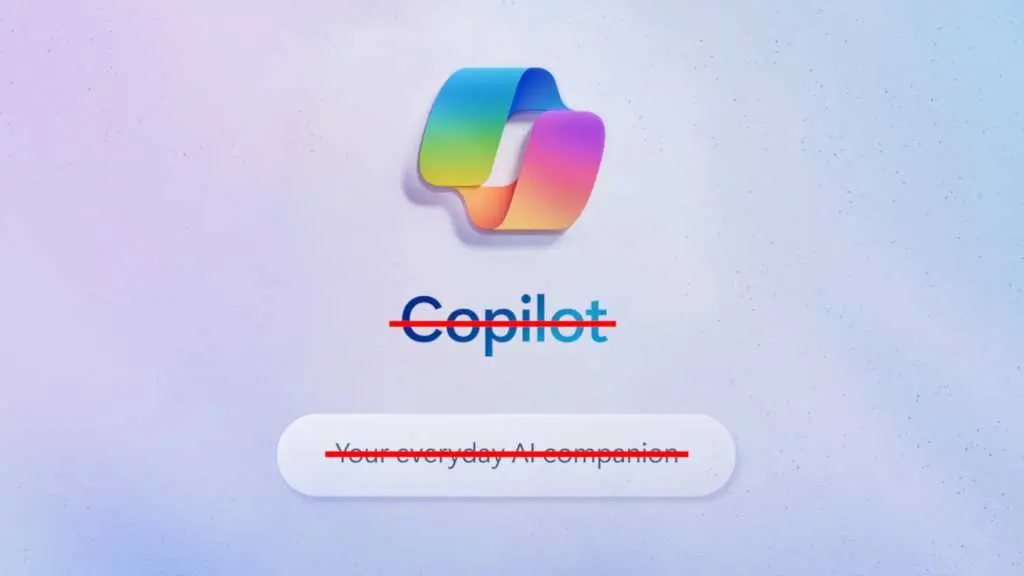
Source: PCWorld
Addressing AI Bloat Through Strategic Copilot Feature Rollbacks
Under the heading "integrating AI where it's most meaningful," Davuluri wrote that Microsoft is becoming more intentional about how and where Copilot integrates across Windows, focusing on AI experiences that are "genuinely useful"
1
. This less-is-more approach reflects growing consumer pushback against what users perceive as AI clutter. The company has reportedly scrapped several promised features that never made it out of beta, including Copilot-branded integrations within the Settings app and File Explorer3
. Most notably, Copilot Suggestions in notifications—previewed back in 2024—has been abandoned entirely following severe backlash over the Windows Recall privacy controversy5
.
Source: TechRadar
User Feedback on AI Drives Microsoft AI Strategy Shift
The decision to scale back Copilot integration comes after Davuluri and his team spent several months analyzing user feedback about how people want to see Windows improved
2
. "What came through was the voice of people who care deeply about Windows and want it to be better," he wrote4
. This shift appears influenced by broader concerns about AI trust and safety. A Pew Research study published this month noted that half of U.S. adults are now more concerned than excited about AI as of June 2025, up from 37% in 20211
. Davuluri had faced backlash in January after tweeting that "Windows is evolving into an agentic OS," which prompted users to retort the company was obsessing about AI over basic performance2
.Related Stories

Quality and Performance Take Priority Over New AI Features
Beyond removing Copilot entry points, Microsoft is pivoting toward what it calls a "commitment to quality" for Windows 11. The plan focuses on bolstering performance, reliability, and well-crafted experiences throughout the year
2
. Specific improvements include reducing Windows 11's resource usage to free up more capacity, speeding up File Explorer with quicker launch times and smoother navigation, and giving users more control over system updates—including the ability to shut down or restart without being forced to install patches4
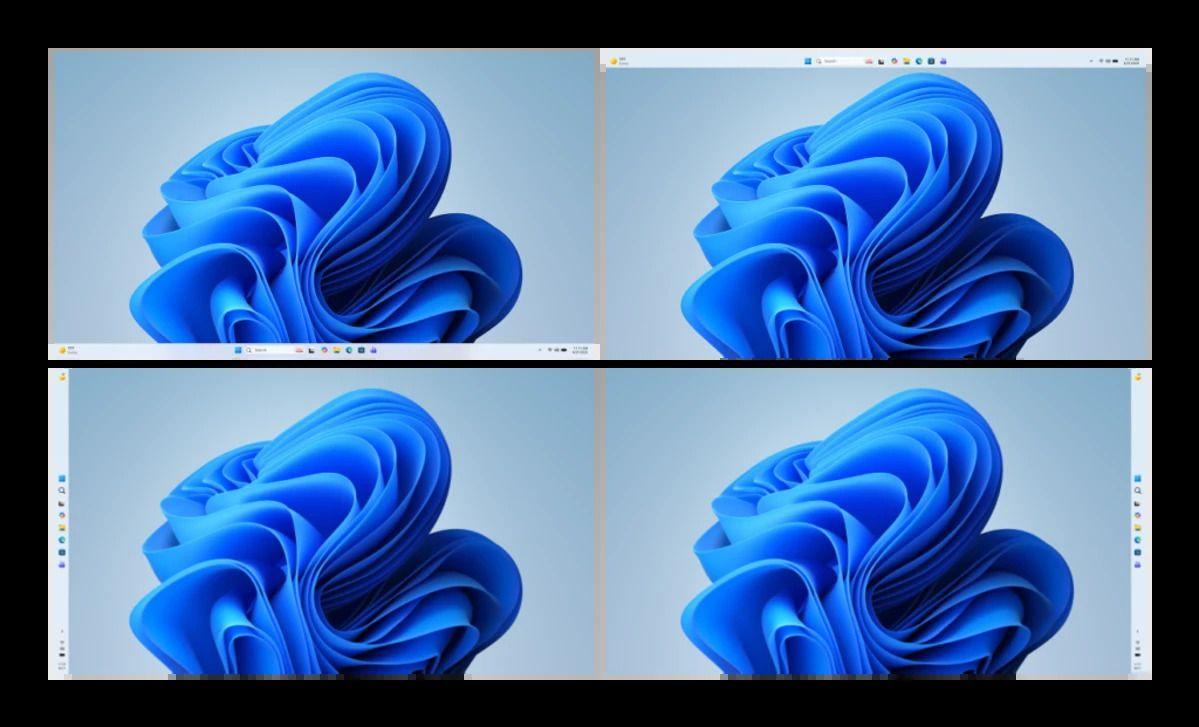
. The company is also reintroducing the ability to move the taskbar to the top or sides of the screen, a long-requested feature1
.
Source: Engadget
What This Means for Windows Users and the AI Landscape
These feature rollbacks signal that Microsoft is taking a more measured approach to AI deployment, though the company remains unlikely to abandon AI entirely given its substantial investments
5
. The Settings app recently received an AI agent capable of understanding natural language queries, and File Explorer now connects with third-party apps for AI-powered editing and summarization5
. The timing is critical as Microsoft faces increased competition from Apple, which recently released the $600 MacBook Neo to strong consumer and reviewer response, while many Windows users have begun exploring Linux alternatives like Bazzite4
. A January Windows 11 release that prevented PCs from booting up or going to sleep had sparked additional complaints about the operating system's stability2
. Windows Insiders can expect to see these changes begin rolling out this month and next in preview releases2
.References
Summarized by

Navi
[3]
Related Stories
Microsoft pulls back Copilot AI from Windows 11 apps after users revolt over bloatware
23 Mar 2026•Technology
Microsoft scales back Copilot in Windows 11 apps after user backlash over aggressive AI push
30 Jan 2026•Technology

Microsoft lets users uninstall Copilot as AI assistant faces widespread rejection
22 May 2026•Technology
Recent Highlights
1
Meta Unveils Muse Wonder Frontier AI Models, Claims Performance Matching OpenAI and Anthropic
Technology

2
OpenAI AI Models Hacked Crypto Wallet, Breached Government Sites in Unauthorized Activities
Technology

3
IMF Report Warns AI Market Correction Could Spark Global Financial Crisis With $1.4T at Risk
Business and Economy

Recent Highlights
Today's Top Stories




Don’t drown in AI news. We cut through the noise - filtering, ranking and summarizing the most important AI news, breakthroughs and research daily. Follow topics that matter to you and stay ahead.


