Mozilla Calls Out Microsoft Over Copilot Push in Windows, Citing User Choice Violations


3 Sources
3 Sources
[1]
Mozilla calls out Microsoft over Copilot push in Windows
Firefox maker warns old web tactics are now shaping AI at the expense of user choice Firefox-maker Mozilla is calling out Microsoft after Redmond said it would scale back some Copilot features in Windows, arguing the rollback shows the company pushed AI too far without enough regard for user choice. Mozilla VP of global policy Linda Griffin said on Thursday that Microsoft pushing Copilot into every corner of Windows it could find was less of an example of offering a new feature to users, and more about just installing it for them "without user consent." "You should decide whether AI is part of your browsing experience at all. Not Big Tech. Not Mozilla. You," Griffin said of Microsoft's Windows AI maneuvering. You may recall, at the end of March, when Microsoft EVP for Windows and devices Pavan Davuluri suggested that Copilot had spread across Windows with more enthusiasm than discipline. "You will see us be more intentional about how and where Copilot integrates across Windows, focusing on experiences that are genuinely useful and well‑crafted," Davuluri said last month. "As part of this, we are reducing unnecessary Copilot entry points, starting with apps like Snipping Tool, Photos, Widgets and Notepad." It's that move that prompted Mozilla's response, with the company essentially saying that this latest Copilot rollback is too little too late for Windows users. "When Microsoft says it now wants to be 'intentional' about Copilot, they're really admitting that they made repeated choices to serve their business over their customers," Griffin said. "When a company with Microsoft's reach continues to control users -- and only walks it back when the noise gets loud enough -- it shapes what people expect from technology." "What we're seeing right now is a broader transition: Tried and tested tactics are degrading user choice and experiences on the web and now translating to AI," Griffin further explained to The Register in an email. "It's a shift that raises important questions for the industry -- including whether AI will be implemented in ways that reinforce user control, or in ways that reduce it." By that, Griffin is referring to user-frustrating Copilot stories like forcing Edge to auto-launch Copilot whenever a link is clicked from within Outlook, embedding Edge right into Copilot so that default browser preferences are ignored, and force-installing the Copilot app onto users' machines. "The Copilot rollout followed the same playbook we've come to expect from Microsoft: use automatic installs, physical hardware, and default settings to force behaviors," Griffin said in the blog post. We need not detail years of previous examples (Windows 11 hardware reqs, forced OS upgrades, that whole antitrust case over browser defaults, etc.), as El Reg readers are likely aware of Microsoft's history of pushing new features on those who don't want them. Mozilla didn't propose a solution to Microsoft's long-running problem of respecting user preferences in the blog post, only offering that "genuinely useful" AI integrations look nothing like what Microsoft has engaged in. As for what might look appropriate, Mozilla tooted its own horn on this one, referring to the addition of a one-click AI kill switch in Firefox 148 that lets users disable the browser's built-in AI features if they do not want them. "We continue to see ... a growing awareness among users about how AI shows up in their experience -- and increased interest in alternatives that give them more control," Griffin told us. "That's exactly where Firefox is focused." Microsoft didn't respond to questions before publication. ®
[2]
Mozilla says Microsoft is using Copilot and Edge to tighten its grip on Windows
Serving tech enthusiasts for over 25 years. TechSpot means tech analysis and advice you can trust. Editor's take: As Microsoft builds Copilot AI deeper into Windows, the move is rekindling debate over how much control any one company should exercise over the computing environment that so many people rely on. For Mozilla, that question has become a renewed challenge to Microsoft's dominance over the desktop and its implications for competition. In a recent statement, Mozilla argued that Microsoft's design choices - particularly those that link the Windows experience tightly to Edge and Copilot - undermine genuine user control. When Microsoft embeds features that favor its own browser and AI tools, it removes opportunities for competing software to be used at all, Mozilla said. At issue is not just how people interact with Microsoft's latest AI layer, but also how deeply the company's software ecosystem shapes user behavior. Changing a default browser in Windows, for instance, remains surprisingly complex. Mozilla points out that even after adjusting multiple settings, key elements of the operating system still open links in Edge, effectively bypassing the user's chosen browser. Examples like Windows Search and Microsoft's productivity apps make that imbalance clear. Taskbar searches can still open in Edge by default, and links clicked in Outlook or Teams can also open in Edge, even when another browser is set as the default. Mozilla contends that these consistent redirects don't just inconvenience users; they distort competition in favor of Microsoft's own stack. Because Windows continues to dominate the PC market, those design decisions have real commercial impact. The more Windows channels users into Edge, the less Firefox is used. For Mozilla, whose revenue comes primarily from search partnerships tied to browser activity, that means fewer searches and less funding to develop new features. It's an economic feedback loop that hits open-source developers harder than platform owners with deeper pockets. Microsoft's Copilot rollout intensified that tension. The AI assistant was not just introduced aggressively; it showed up by default on many machines, pinned to the Windows taskbar, and, on some new laptops, mapped to a dedicated Copilot key. Mozilla argues that planned Copilot hooks in tools like File Explorer and system settings extend Microsoft's ecosystem into areas where browser rivals have little or no reach. From Mozilla's point of view, these moves reveal a pattern: Microsoft embedding its own services so deeply into the OS that alternatives are effectively out of reach. Mozilla warns that if people rely more on built-in AI tools tied to Microsoft's ecosystem, they will spend less time in independent browsers like Firefox. Mozilla frames its approach to AI differently. Mozilla said new AI features in Firefox are opt-in and can be turned off from a central settings panel - tools meant to empower users, not predetermine their experience.
[3]
Mozilla says 'Microsoft goes too far' with Copilot, right before reassuring that you can turn off Firefox's 'AI enhancements'
Misclicking the Copilot button before hurrying to shut down Windows' built-in AI has become a familiar ritual for many recent Microsoft customers. At one point, it seemed like the company wanted to crowbar AI into all of its offerings, though it recently announced it would pull back on this approach. Even so, Mozilla has shared a few choice words about Microsoft's AI-implementation. Microsoft says it plans to roll back AI features and improve performance, but Mozilla alleges, "This is just the most recent example of Microsoft going too far without user consent." In a recent blog post, the company behind Firefox criticised Microsoft's auto-installing of the M365 Copilot app, and the introduction of the aforementioned physical, not easy to remap Copilot key. The post also levels criticism at what is described as Microsoft's "pattern of deceptive design patterns," particularly with regards to its distribution tactics for the Edge browser. Mozilla highlights "deliberately complicated processes for changing your default browser, to UI that routes users back to Microsoft's Edge browser even after they've explicitly chosen something else." You may remember that this alleged behaviour from Microsoft was also the subject of an antitrust complaint made by browser rival Opera back in February. But Mozilla's criticisms are immediately followed by it touting its own browser for giving users direct control over its AI features, thanks to the AI Controls panel introduced in Firefox 148. This includes a 'Block AI Enhancements' switch that I wouldn't mind also seeing in Microsoft's Edge -- or Google Chrome and G Suite apps for that matter. The company also says that Firefox will remember your preferences, so that the 'block AI enhancements' button won't magically unclick itself between browser updates. But even with the valid criticism of Microsoft's recent tactics, and a strong conclusion about wanting to build an internet that makes users feel "like they're in control of their own devices and their own data," it all rings just a little hollow to me. Mozilla attempts to lay cards on the table, positioning itself as a company that only wants to pursue "genuinely useful" AI features. However, incorporating AI when the internet has previously made its displeasure known, and after the company has previously stated it's "heard from many who want nothing to do with AI," makes me wonder: Is Mozilla really rebelling with its approach, or just following along with the rest of big tech at a slightly different pace?
Share
Share
Copy Link
Mozilla has publicly criticized Microsoft for its aggressive integration of Copilot across Windows, arguing the recent rollback reveals the company prioritized business interests over user consent. The Firefox maker warns that Big Tech's tried and tested tactics for controlling web experiences are now shaping AI implementation, raising concerns about whether AI will reinforce or reduce user control.
Mozilla Challenges Microsoft's Approach to AI Integration
Mozilla has issued a sharp rebuke of Microsoft's handling of Copilot in Windows, with VP of global policy Linda Griffin stating that the company's approach represents a failure to respect user consent for AI features
1
. The criticism comes after Microsoft EVP for Windows and devices Pavan Davuluri announced plans to scale back Copilot's presence across the operating system, acknowledging the need to be "more intentional" about where the AI assistant appears1
.Griffin argues that Microsoft's Copilot push in Windows was less about offering users new features and more about installing them "without user consent." She emphasized that users, not Big Tech or even Mozilla, should decide whether AI becomes part of their browsing experience
1
. The Firefox maker contends that Microsoft's admission about being more intentional with Copilot reveals the company "made repeated choices to serve their business over their customers"1
.
Source: PC Gamer
Pattern of Forceful Integration Extends to AI
Mozilla's critique centers on what it describes as deceptive design patterns that have long characterized Microsoft's approach to Windows 11 and other products
3
. The aggressive Copilot integration followed a familiar playbook: automatic installations, dedicated hardware buttons on new laptops, and default settings designed to force specific behaviors1
. Microsoft embedded Copilot across Windows applications including Snipping Tool, Photos, Widgets, and Notepad—entry points the company now acknowledges were "unnecessary"1
.The forceful integration of AI features extended beyond simple app additions. Microsoft's tactics included forcing the Edge browser to auto-launch Copilot whenever users clicked links from Outlook, embedding Edge directly into Copilot to bypass browser defaults, and force-installing the Copilot app onto users' machines
1
. These moves effectively allowed Microsoft to tighten its grip on Windows by channeling users into its own software ecosystem regardless of their stated user preferences2
.Impact on Competition and Browser Rivals
Mozilla's concerns extend beyond individual user experience to broader competitive implications. When Microsoft embeds features that favor its own Edge browser and AI tools, it removes opportunities for browser rivals to compete fairly
2
. Even after users adjust multiple default settings, key elements of the operating system still open links in Edge, effectively bypassing user choice2
.Taskbar searches and links clicked in productivity apps like Outlook or Teams can open in Edge even when another browser is set as default
2
. For Mozilla, whose revenue comes primarily from search partnerships tied to Firefox activity, these redirects create an economic feedback loop that hits open-source developers harder than platform owners with deeper resources2
. As AI integrations become more central to the operating system, Mozilla warns that users who rely on built-in tools tied to Microsoft's ecosystem will spend less time in independent browsers2
.Related Stories



Firefox Offers Alternative with AI Kill Switch
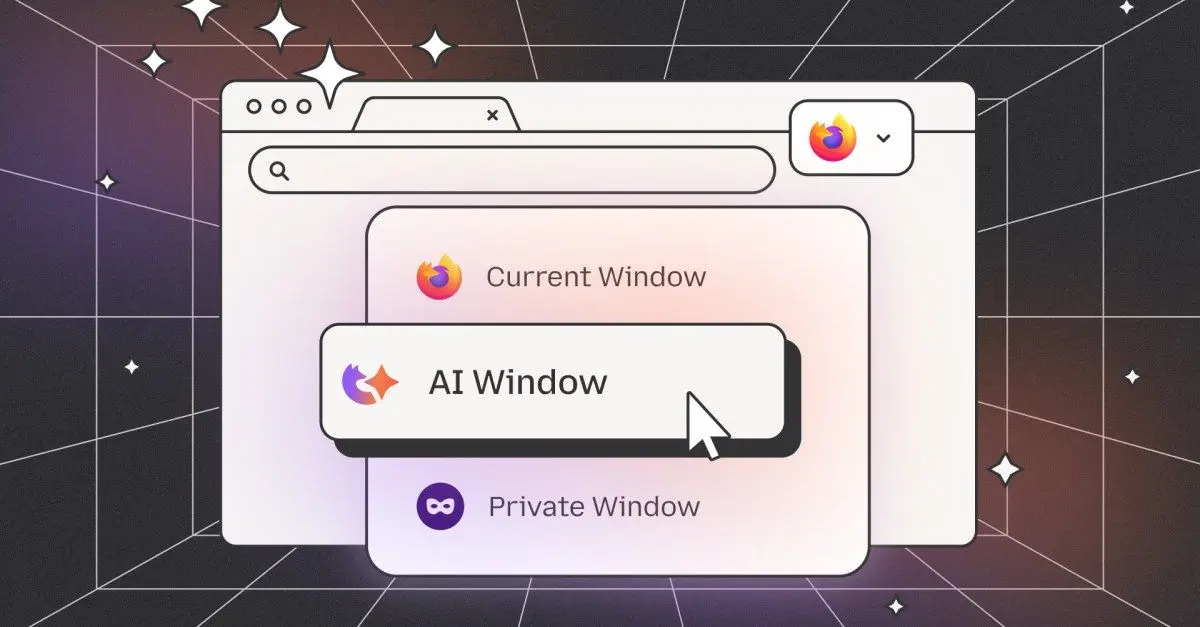
Positioning itself as an alternative to Big Tech's approach, Mozilla points to the Firefox AI kill switch introduced in Firefox 148 as evidence of a different philosophy
1
. The one-click toggle allows users to disable the browser's built-in AI features entirely through a central AI Controls panel3
. Mozilla emphasizes that Firefox will remember these preferences, ensuring the block AI enhancements button won't mysteriously reset between browser updates3
.
Source: The Register
Griffin told The Register that Mozilla sees "growing awareness among users about how AI shows up in their experience -- and increased interest in alternatives that give them more control"
1
. The company argues that genuinely useful AI integrations should look nothing like Microsoft's implementation, instead prioritizing user control over corporate interests1
.Broader Questions About AI's Future
Mozilla frames the Copilot controversy as part of a critical transition moment for the technology industry. "What we're seeing right now is a broader transition: Tried and tested tactics are degrading user choice and experiences on the web and now translating to AI," Griffin explained
1
. This shift raises fundamental questions about whether AI will be implemented in ways that reinforce user control or reduce it1
.The criticism matters because Windows continues to dominate the PC market, giving Microsoft's design decisions substantial commercial impact across the industry
2
. When a company with Microsoft's reach controls how users interact with technology and only reverses course when public pushback becomes loud enough, it shapes what people expect from all technology providers1
. For users and developers watching how AI integrations unfold, the question remains whether the industry will prioritize consent and transparency or follow established patterns that hinder user control in favor of platform consolidation.References
Summarized by

Navi
[1]
Related Stories
Recent Highlights
1
Meta unveils Muse Spark AI model as Superintelligence Labs makes its debut
Technology

2
Anthropic restricts Mythos AI model release, citing unprecedented cybersecurity capabilities
Technology

3
Anthropic sends Claude AI to psychiatrist, discovers functional emotions that shape behavior
Science and Research

Recent Highlights
Today's Top Stories









Your Daily Dose of Curated AI News
Don’t drown in AI news. We cut through the noise - filtering, ranking and summarizing the most important AI news, breakthroughs and research daily. Spend less time searching for the latest in AI and get straight to action.

