Meta's Muse Spark AI upgrade promises to fix smart glasses' biggest flaw with better vision


3 Sources
[1]
Meta Is Upgrading One of the Worst Parts of Its Smart Glasses
Computer vision might be one of the defining features of Meta's smart glasses, but that doesn't mean it works like one. Having used Meta's Ray-Ban AI glasses at length, I can say with certainty that the ability to use the camera for identifying stuff in your surroundings is very hit or
[2]
Meta's New 'Personal Superintelligence' AI Is Coming to Its Smart Glasses
Meta claims the model matches its last model's performance while using over 10x less computing power. Calling it a step towards "super intelligence," Meta announced it is releasing Muse Spark, an overhauled and improved AI. This "natively multimodal reasoning model" goes way beyond a chatbot, and
[3]
Meta Rolls Out Muse Spark AI Upgrade for Ray-Ban and Oakley Glasses
Meta's $499 Ray-Ban Smart Glasses Bring AI to Prescription Wearers Meta introduced Muse Spark as the first model from its Superintelligence Labs. The company describes it as a "natively multimodal" system that can process different types of input in one model. In practical use, Meta says this
Share
Copy Link
Meta unveiled Muse Spark, its first model from Superintelligence Labs, designed to dramatically improve computer vision on Ray-Ban and Oakley smart glasses. The natively multimodal AI uses 10x less computing power than previous models while delivering better visual understanding. The upgrade rolls out to U.S. users in coming weeks.
Meta Smart Glasses Get Major AI Overhaul
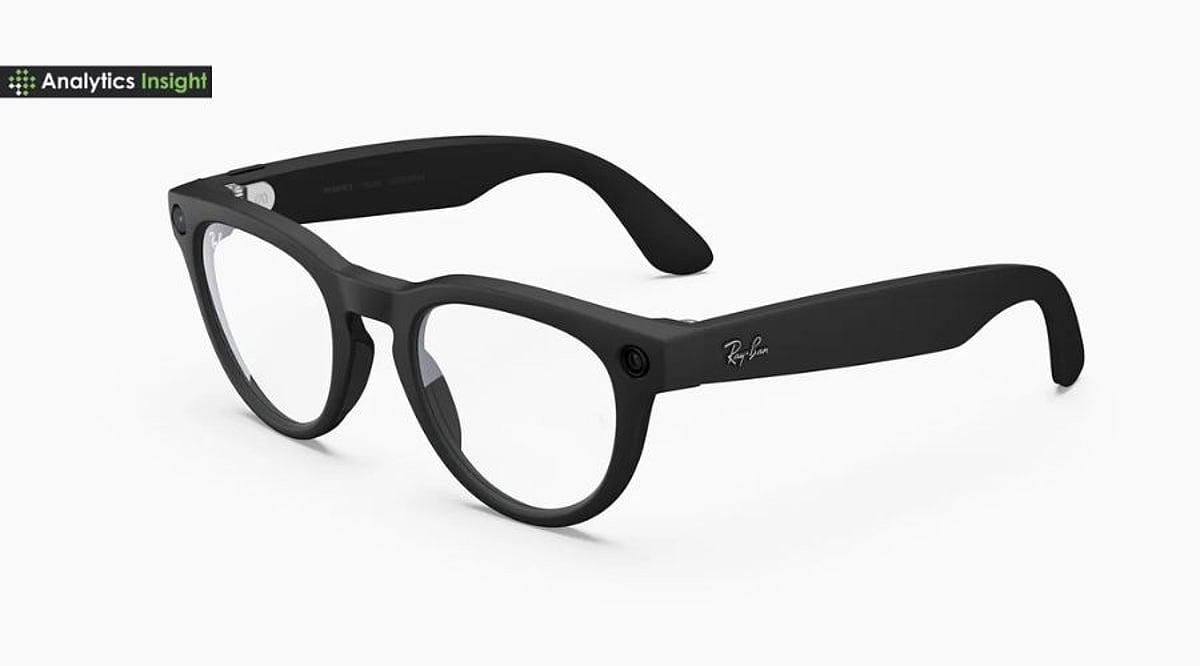
Meta AI is getting a significant upgrade with Muse Spark, the first model released by Meta's Superintelligence Labs, designed to address one of the most frustrating aspects of the company's smart glasses: unreliable computer vision capabilities
1
. The personal superintelligence AI represents a fundamental shift in how Meta smart glasses process and understand visual information, moving from inconsistent performance to what the company promises will be substantially more accurate environmental recognition2
.
Source: Analytics Insight
The multimodal reasoning model will roll out to Ray-Ban and Oakley glasses in the United States within the coming weeks, alongside integration into Facebook, Messenger, and WhatsApp
3
. This broader deployment across Meta's AI ecosystem signals the company's strategy to unify wearable technology with its core social media integrations.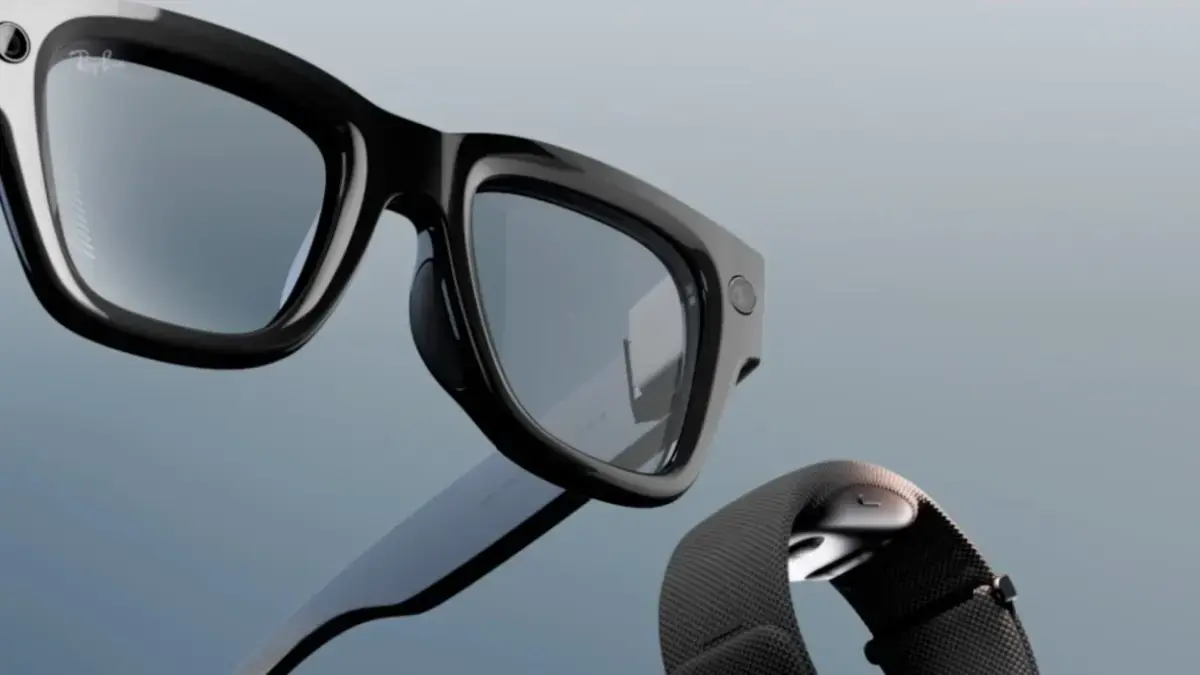
Source: Lifehacker
Efficiency Meets Performance
What sets Muse Spark apart is its efficiency. Meta claims the natively multimodal AI matches the performance of its Llama 4 Maverick model while consuming over 10x less computing power
2
. This dramatic reduction in resource requirements could enable more sophisticated on-device processing without draining batteries or overwhelming servers. The model offers three levels of "thinking," allowing users to control how deeply the AI analyzes user context based on their needs.Health Reasoning Capabilities and Visual Coding
Meta's Superintelligence Labs collaborated with over 1,000 physicians to develop the AI's health reasoning capabilities
2
. Users wearing Ray-Ban and Oakley glasses will be able to generate interactive nutritional displays about food and receive detailed information about muscle activation during workouts. The company has already expanded nutrition coaching features on its AI glasses, and Muse Spark builds on this foundation.The model also excels at visual coding, enabling users to create custom websites and mini-games directly from prompts
1
. While Meta hasn't explicitly confirmed all these capabilities will come to smart glasses, the natively multimodal design suggests visual features are central to the upgrade.Related Stories
Real-World Applications and Step-by-Step Guidance
In practical testing, Muse Spark demonstrated impressive accuracy. When presented with an image of various audio equipment, the AI correctly identified each component, suggested multiple connection options, and specified the required cables
2
. This capability translates to real-world scenarios like receiving step-by-step guidance for assembling IKEA furniture or troubleshooting home theater wiring just by looking at the setup.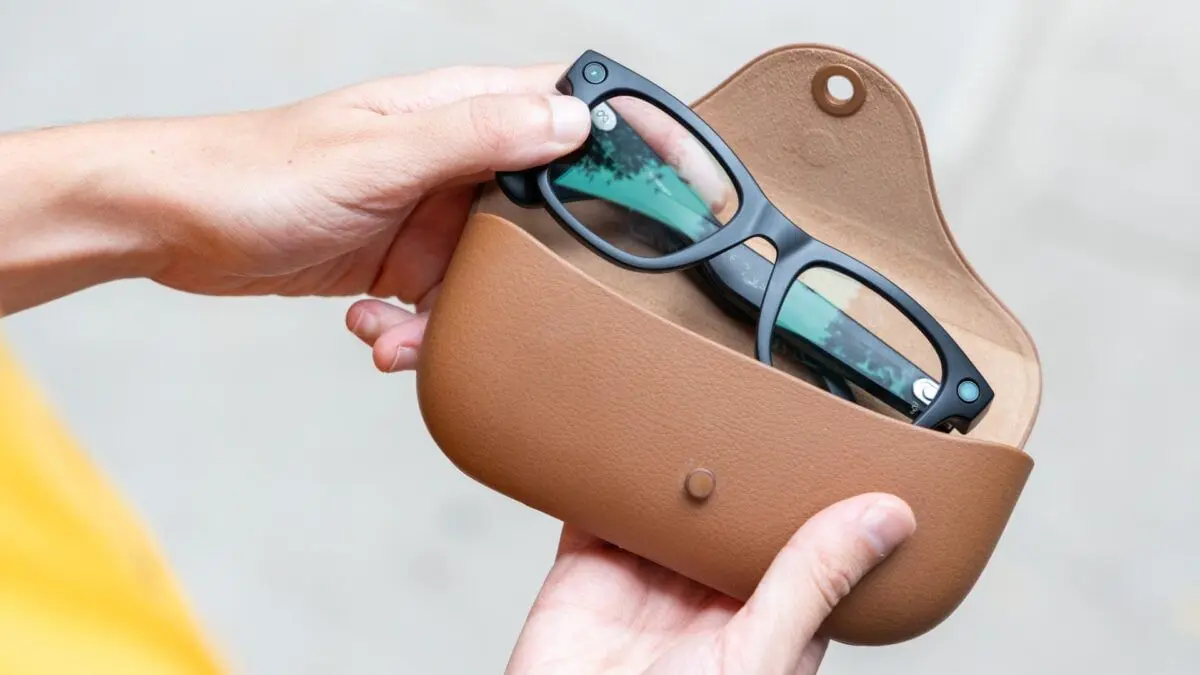
Source: Gizmodo
"When Meta AI powered by Muse Spark comes to our AI glasses, the assistant will be able to better see and understand the world around you," Meta stated in its blog post
1
. The company emphasizes that multimodal perception—seeing and comprehending environmental elements—sits at the core of Muse Spark's strengths.Challenges Ahead
Whether Muse Spark can deliver on its promises in messy real-world conditions remains to be seen. Laboratory benchmark tests don't always translate to environments with poor lighting, slow Wi-Fi, or complex instructions
2
. The technology must prove it can reduce hallucinations and errors that have plagued previous iterations.Privacy standards also remain a concern that Meta has yet to adequately address
1
. As the AI upgrade for Ray-Ban becomes more sophisticated at analyzing visual information, questions about data collection and user privacy will intensify. The integration across Facebook, Messenger, and WhatsApp means visual data from glasses could potentially flow through Meta's entire platform ecosystem.For now, users can test Muse Spark through meta.ai and the Meta AI app, with smart glasses firmware updates expected shortly
2
.References
Summarized by

Navi
[3]
Related Stories
Meta Ray-Ban smart glasses get major AI model upgrade with Muse Spark for sharper responses
28 Jul 2026•Technology

Meta Ray-Ban Smart Glasses Get AI Upgrade: A Glimpse into the Future of Wearable Tech
04 Oct 2024•Technology

Meta AI app gains voice conversations and live visual features powered by Muse Spark
12 May 2026•Technology

Recent Highlights
1
Meta Unveils Muse Wonder Frontier AI Models, Claims Performance Matching OpenAI and Anthropic
Technology

2
IMF Report Warns AI Market Correction Could Spark Global Financial Crisis With $1.4T at Risk
Business and Economy

3
OpenAI Releases 722 AI-Generated Math Solutions, Triggering Existential Crisis in Mathematics
Technology

Recent Highlights
Today's Top Stories








Don’t drown in AI news. We cut through the noise - filtering, ranking and summarizing the most important AI news, breakthroughs and research daily. Follow topics that matter to you and stay ahead.


