New AI method tackles century-old challenge of identifying which dinosaur made which footprints


2 Sources
2 Sources
[1]
New AI method helps identify which dinosaur made which footprints
WASHINGTON, Feb 6 (Reuters) - Footprints are among the most common kind of dinosaur fossils. Sometimes scientists find a single, lonely footprint. Sometimes they come across a chaotic jumble of tracks resembling a dance floor, sort of a dinosaur discotheque. But identifying which dinosaur left which track has been notoriously difficult. Researchers have now developed a method harnessing artificial intelligence to assist in pinpointing the type of dinosaur responsible for the tracks, based on eight different traits of a given footprint. "This is important because it provides an objective way to classify and compare tracks, reducing reliance on subjective human interpretation," said physicist Gregor Hartmann of the Helmholtz-Zentrum Berlin research center in Germany, lead author of the research published in the scientific journal Proceedings of the National Academy of Sciences, opens new tab. "Matching track to trackmaker is a huge challenge, and paleontologists have been arguing about this for generations," University of Edinburgh paleontologist and study senior author Steve Brusatte said. Dinosaurs left behind numerous kinds of fossilized remains, including bones, teeth and claws, impressions of their skin, feces and vomit, undigested remains in their stomach, eggshells and the remnants of nests. But footprints often are more abundant and can tell scientists a lot, including the type of environment a dinosaur inhabited and, when other tracks are present, the types of animals that shared an ecosystem. The new method was honed with an analysis by the algorithm of 1,974 footprint silhouettes spanning 150 million years of dinosaur history, with the AI discerning eight features that explained variance in the shapes of these tracks. These features included: overall load and shape, reflecting the foot's ground contact area; the position of loading; the spread of the toes; how the toes attach to the foot; heel position; the load from the heel; the relative emphasis of toes versus heel; and shape discrepancy between left and right sides of the track. Many of the footprints previously had been identified as a specific kind of dinosaur with confidence by experts. After the algorithm identified the differentiation traits, the experts charted how those corresponded to the various kinds of dinosaurs believed to have made the tracks in order to guide identification of future tracks. "The problem is that identifying who made a fossilized footprint is inherently uncertain," Hartmann said. "The shape of a track depends on many factors beyond the animal itself, including what the dinosaur was doing at the time, such as walking, running, jumping or even swimming, the moisture and type of the substrate (ground surface), how the footprint was buried by sediment, and how it was altered by erosion over millions of years. As a result, the same dinosaur can leave very different-looking tracks," Hartmann added. Dinosaur footprints also come in various sizes. "The size variation can be quite extreme - from little meat-eating dinosaur footprints about the size of chicken tracks in the barnyard to long-necked sauropod dinosaur footprints that are the size of a bathtub," Brusatte said. Brusatte said he could think of only one instance in which a paleontologist found a dinosaur skeleton at the end of a trackway made by the animal. "Which means that if we find footprints, we need to play detective and identify which dinosaur made them. And to do that, we do the same thing as the prince in Cinderella when he matched Cinderella's foot to the slipper: we try to find a dinosaur foot that fits in the footprint," Brusatte said. One intriguing conclusion made by the algorithm involved images it examined of seven small, three-toed footprints about 210 million years old from South Africa. It validated a prior assessment by scientists that these closely resemble those of birds, even though they are 60 million years older than the earliest-known avian fossils. Birds evolved from small bipedal feathered dinosaurs. "This, of course, doesn't prove they were made by birds," Brusatte said of the footprints, which he said perhaps were made by previously unknown dinosaurs ancestral to birds or by dinosaurs unrelated to birds that merely had bird-like feet. "So we have to take this seriously and find an explanation for it," Brusatte said. Reporting by Will Dunham, Editing by Rosalba O'Brien Our Standards: The Thomson Reuters Trust Principles., opens new tab
[2]
New AI method helps identify which dinosaur made which footprints
Researchers have now developed a method harnessing artificial intelligence to assist in pinpointing the type of dinosaur responsible for the tracks, based on eight different traits of a given footprint. Footprints are among the most common kind of dinosaur fossils. Sometimes scientists find a single, lonely footprint. Sometimes they come across a chaotic jumble of tracks resembling a dance floor, sort of a dinosaur discotheque. But identifying which dinosaur left which track has been notoriously difficult. Researchers have now developed a method harnessing artificial intelligence to assist in pinpointing the type of dinosaur responsible for the tracks, based on eight different traits of a given footprint. "This is important because it provides an objective way to classify and compare tracks, reducing reliance on subjective human interpretation," said physicist Gregor Hartmann of the Helmholtz-Zentrum Berlin research center in Germany, lead author of the research published in the scientific journal Proceedings of the National Academy of Sciences. "Matching track to trackmaker is a huge challenge, and paleontologists have been arguing about this for generations," University of Edinburgh paleontologist and study senior author Steve Brusatte said. Dinosaurs left behind numerous kinds of fossilized remains, including bones, teeth and claws, impressions of their skin, feces and vomit, undigested remains in their stomach, eggshells and the remnants of nests. But footprints often are more abundant and can tell scientists a lot, including the type of environment a dinosaur inhabited and, when other tracks are present, the types of animals that shared an ecosystem. The new method was honed with an analysis by the algorithm of 1,974 footprint silhouettes spanning 150 million years of dinosaur history, with the AI discerning eight features that explained variance in the shapes of these tracks. These features included: overall load and shape, reflecting the foot's ground contact area; the position of loading; the spread of the toes; how the toes attach to the foot; heel position; the load from the heel; the relative emphasis of toes versus heel; and shape discrepancy between left and right sides of the track. Many of the footprints previously had been identified as a specific kind of dinosaur with confidence by experts. After the algorithm identified the differentiation traits, the experts charted how those corresponded to the various kinds of dinosaurs believed to have made the tracks in order to guide identification of future tracks. "The problem is that identifying who made a fossilized footprint is inherently uncertain," Hartmann said. "The shape of a track depends on many factors beyond the animal itself, including what the dinosaur was doing at the time, such as walking, running, jumping or even swimming, the moisture and type of the substrate (ground surface), how the footprint was buried by sediment, and how it was altered by erosion over millions of years. As a result, the same dinosaur can leave very different-looking tracks," Hartmann added. Dinosaur footprints also come in various sizes. "The size variation can be quite extreme - from little meat-eating dinosaur footprints about the size of chicken tracks in the barnyard to long-necked sauropod dinosaur footprints that are the size of a bathtub," Brusatte said. Brusatte said he could think of only one instance in which a paleontologist found a dinosaur skeleton at the end of a trackway made by the animal. "Which means that if we find footprints, we need to play detective and identify which dinosaur made them. And to do that, we do the same thing as the prince in Cinderella when he matched Cinderella's foot to the slipper: we try to find a dinosaur foot that fits in the footprint," Brusatte said. One intriguing conclusion made by the algorithm involved images it examined of seven small, three-toed footprints about 210 million years old from South Africa. It validated a prior assessment by scientists that these closely resemble those of birds, even though they are 60 million years older than the earliest-known avian fossils. Birds evolved from small bipedal feathered dinosaurs. "This, of course, doesn't prove they were made by birds," Brusatte said of the footprints, which he said perhaps were made by previously unknown dinosaurs ancestral to birds or by dinosaurs unrelated to birds that merely had bird-like feet. "So we have to take this seriously and find an explanation for it," Brusatte said.
Share
Share
Copy Link
Researchers developed an AI-powered approach that analyzes eight distinct traits in dinosaur footprints to determine which species left them. The algorithm examined 1,974 footprint silhouettes spanning 150 million years, offering paleontologists an objective tool to solve a challenge that has sparked debate for generations.
AI Transforms Dinosaur Footprint Analysis
Matching tracks to trackmakers has long been one of paleontology's most persistent challenges. For generations, scientists have debated which dinosaur species created which fossilized footprints, relying heavily on subjective human interpretation. Now, researchers at Helmholtz-Zentrum Berlin and the University of Edinburgh have developed a new AI method that brings objectivity to this century-old puzzle
1
.The artificial intelligence system analyzes eight distinct traits in dinosaur footprints to identify which dinosaur made footprints with unprecedented precision. Lead author Gregor Hartmann, a physicist at Helmholtz-Zentrum Berlin, emphasizes the significance: "This is important because it provides an objective way to classify and compare tracks, reducing reliance on subjective human interpretation"
1
. The research, published in the Proceedings of the National Academy of Sciences, represents a major step forward in how paleontologists approach fossil analysis.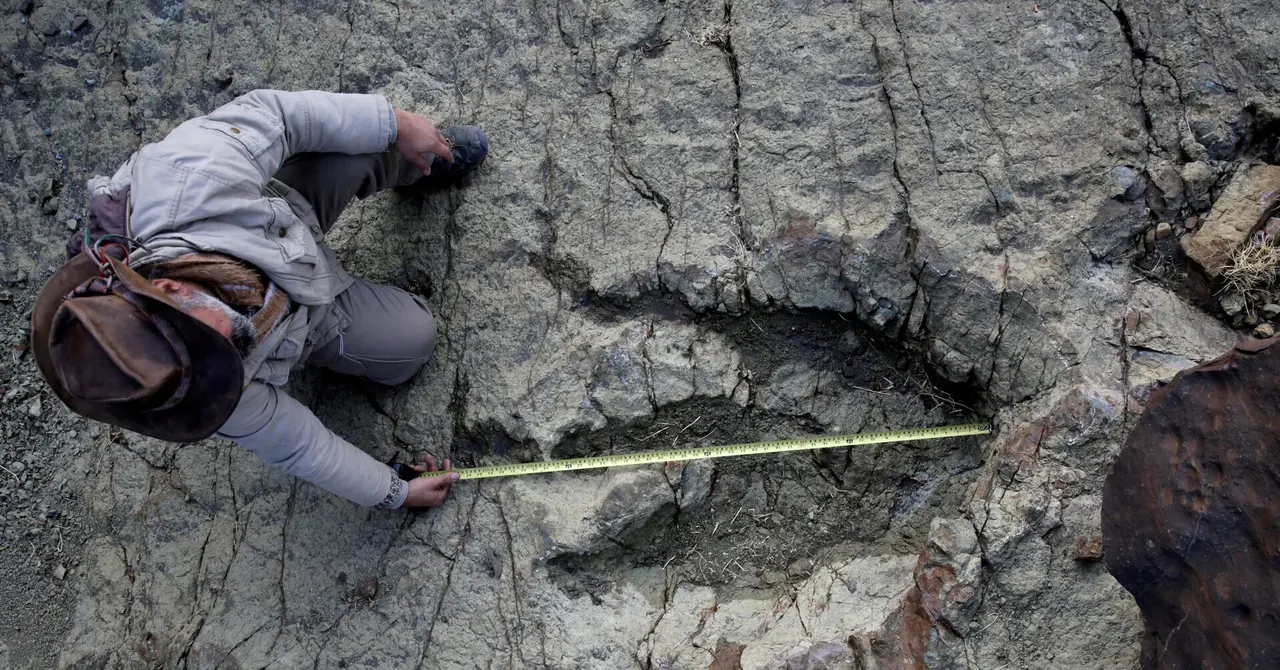
Source: Reuters
Training the Algorithm on 150 Million Years of History
The AI-powered approach was refined through analysis of 1,974 footprint silhouettes spanning 150 million years of dinosaur history
2
. The algorithm identified eight features that explain variance in track shapes: overall load and shape reflecting the foot's ground contact area, position of loading, spread of toes, how toes attach to the foot, heel position, load from the heel, relative emphasis of toes versus heel, and shape discrepancy between left and right sides of the track1
.Many of these footprints had been previously identified by experts with confidence. After the algorithm identified the differentiation traits, researchers charted how those corresponded to various dinosaur species to guide identification of future tracks. This collaborative approach between AI and human expertise creates a framework that future paleontologists can use to analyze newly discovered fossils more systematically.
Why Dinosaur Footprints Matter More Than You Think
Footprints rank among the most common dinosaur fossils, often more abundant than bones, teeth, or claws
2
. These tracks reveal critical information about the type of environment a dinosaur inhabited and, when multiple tracks are present, the types of animals that shared an ecosystem. Steve Brusatte from the University of Edinburgh, senior author of the study, notes that "matching track to trackmaker is a huge challenge, and paleontologists have been arguing about this for generations"1
.The challenge stems from the rarity of finding a dinosaur skeleton at the end of a trackway. Brusatte could recall only one such instance, meaning scientists must "play detective" with footprints, attempting to match dinosaur feet to prints "the same thing as the prince in Cinderella when he matched Cinderella's foot to the slipper"
2
. The size variation adds another layer of complexity—from meat-eating dinosaur footprints about the size of chicken tracks to sauropod dinosaur footprints the size of a bathtub1
.The Complexity Behind Each Track
Identifying who made a fossilized footprint remains inherently uncertain, according to Hartmann. Track shape depends on numerous factors beyond the animal itself: what the dinosaur was doing—walking, running, jumping, or swimming—the moisture and type of substrate, how the footprint was buried by sediment, and erosion over millions of years
1
. The same dinosaur can leave dramatically different-looking tracks depending on these variables, making traditional identification methods prone to error.Related Stories


Ancient Bird-Like Footprints Spark New Questions
The algorithm made one particularly intriguing discovery when examining seven small, three-toed footprints approximately 210 million years old from South Africa. It validated prior scientific assessments that these tracks closely resemble those of birds, despite being 60 million years older than the earliest-known avian fossils
1
. Birds evolved from small bipedal feathered dinosaurs, making this finding particularly significant.Brusatte cautions that this doesn't prove birds made the tracks. They may have been created by previously unknown dinosaurs ancestral to birds or by dinosaurs unrelated to birds that merely had bird-like feet. "So we have to take this seriously and find an explanation for it," he stated
2
. This discovery demonstrates how AI can surface patterns that challenge existing timelines and prompt new research directions.What This Means for Future Paleontology Research
This AI method offers paleontologists a standardized tool for analyzing the chaotic jumble of tracks sometimes found at fossil sites—what researchers describe as resembling a "dinosaur discotheque"
1
. The objective classification system reduces disputes among experts and accelerates identification of newly discovered tracks. As more footprint data feeds into the system, the algorithm's accuracy should improve, potentially revealing patterns invisible to human observers. Researchers should watch for applications of this technology to other fossil types and ecosystems, as the methodology could extend beyond dinosaurs to other prehistoric creatures that left tracks in ancient sediments.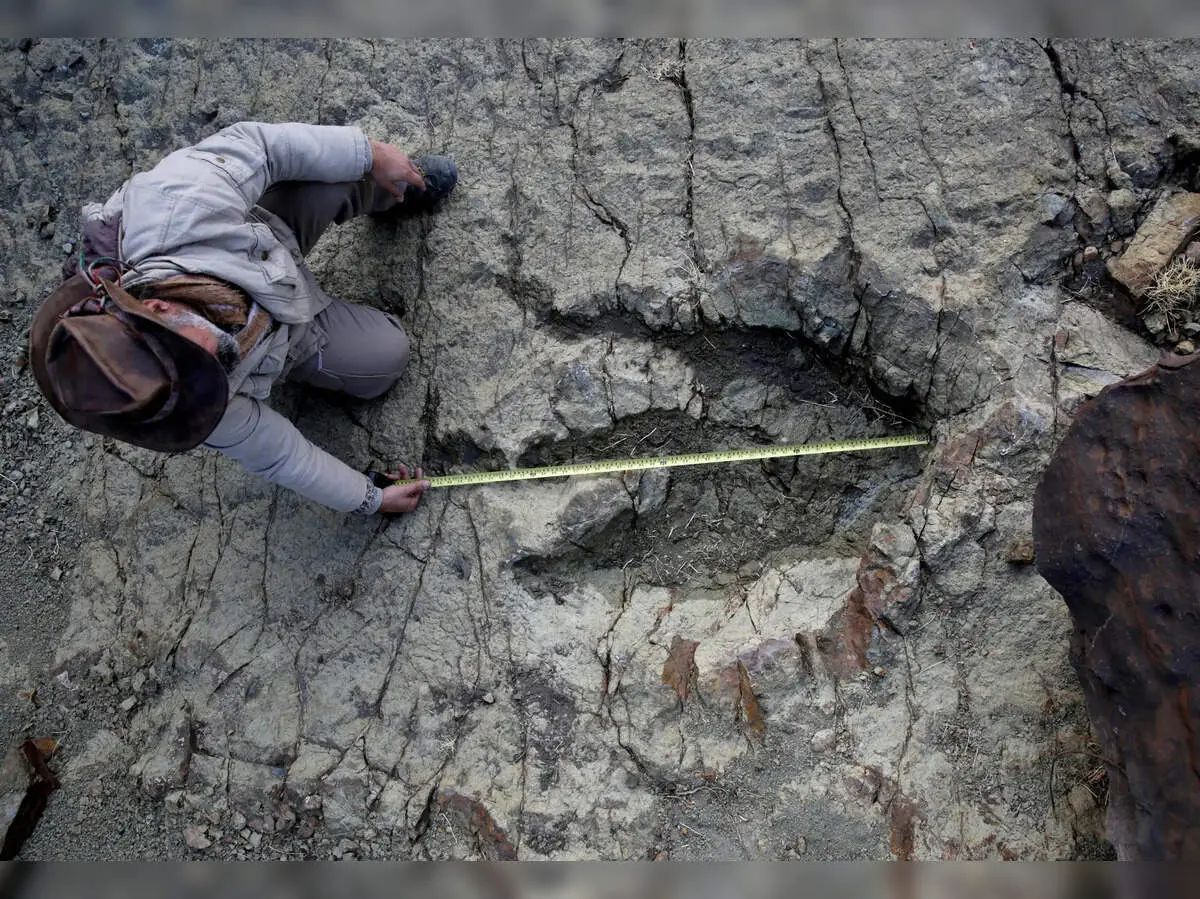
Source: ET
References
Summarized by

Navi
Related Stories
Recent Highlights
1
Tennessee Teens Sue Elon Musk's xAI Over Grok AI-Generated Child Abuse Images
Policy and Regulation

2
Supermicro Co-Founder Indicted in $2.5 Billion Nvidia AI Chip Smuggling Scheme to China
Policy and Regulation

3
Val Kilmer to appear posthumously in As Deep as the Grave through AI-generated performance
Entertainment and Society

Recent Highlights
Today's Top Stories



Your Daily Dose of Curated AI News
Don’t drown in AI news. We cut through the noise - filtering, ranking and summarizing the most important AI news, breakthroughs and research daily. Spend less time searching for the latest in AI and get straight to action.

