Norway wealth fund plans AI investment decisions with human oversight, CEO Tangen confirms


2 Sources
2 Sources
[1]
Norway wealth fund moves towards some AI-driven decisions but with humans in control
OSLO, March 24 (Reuters) - Norway's $2.1 trillion sovereign wealth fund, the world's largest, will eventually allow some investment decisions to be made by AI systems under human supervision, but not yet, as the tools still make errors, fund officials said on Tuesday. At present, around half of the 700 employees at Norges Bank Investment Management code their own AI tools using Anthropic's Claude large language model, according to Stian Kirkeberg, the fund's head of machine learning and AI. Staff primarily use these tools to gather information to help them make decisions, Kirkeberg told a fund seminar on AI. This ranges from monitoring the 7,000 companies the fund invests in for ESG and financial risk, to simulating a contract negotiation or preparing for company meetings. Kirkeberg said that in time, some AI agents will be allowed to make limited decisions autonomously. "The principle is that we make better human decisions by getting AI to analyse it for us," he told Reuters after the seminar. "At some stage, we're going to trust that the agent can make some of the decisions and we just monitor what it does," Kirkeberg said. He added that the fund was moving toward that approach but was not applying it yet, emphasising that human oversight would remain essential. FIRMS IGNORING AI ARE 'COMPLETE MORONS' Chief Executive Nicolai Tangen has been a vocal supporter of using AI both internally and in the companies the fund invests in, once describing firms that fail to adopt the technology as "complete morons". He said the wealth fund, which manages Norway's oil and gas revenues for future generations, is not under the same pressure as short-term investors to automate investment decisions. "You have investment firms which have automated investment decisions ... We're not doing that. But we are also not a high-frequency trader, ... we are a long-term investor, so it's a bit different", Tangen told Reuters. One exception is the fund's use of AI to analyse when to trade or not, helping to reduce transaction costs. FUND SEES BIG COST SAVINGS Tangen said the fund had invested "millions of crowns" in AI and returned benefits "in the billions", without giving specific figures or a timeframe. He expected the headcount to remain steady at around 700 across its offices in Oslo, London, New York and Singapore, but roles would shift as a result of AI toward front-end investment from back-end administration. His advice to other company leaders pushing for AI adoption in-house is to avoid setting explicit job cut targets. "Because then you will just create a lot of resistance. I think instead what you have as a target to increase sales, profits, efficiency, just to gain market share and do what you do better. I think that's a much more constructive way of implementing it", Tangen said. Reporting by Gwladys Fouche in Oslo, Editing by Louise Heavens Our Standards: The Thomson Reuters Trust Principles., opens new tab * Suggested Topics: * Artificial Intelligence Gwladys Fouche Thomson Reuters Oversees news coverage from Norway for Reuters and loves flying to Svalbard in the Arctic, oil platforms in the North Sea, and guessing who is going to win the Nobel Peace Prize. Born in France and with Reuters since 2010, she has worked for The Guardian, Agence France-Presse and Al Jazeera English, among others, and speaks four languages.
[2]
Norway wealth fund moves towards some AI-driven decisions but with humans in control
OSLO, March 24 (Reuters) - Norway's $2.1 trillion sovereign wealth fund, the world's largest, will eventually allow some investment decisions to be made by AI systems under human supervision, but not yet, as the tools still make errors, fund officials said on Tuesday. At present, around half of the 700 employees at Norges Bank Investment Management code their own AI tools using Anthropic's Claude large language model, according to Stian Kirkeberg, the fund's head of machine learning and AI. Staff primarily use these tools to gather information to help them make decisions, Kirkeberg told a fund seminar on AI. This ranges from monitoring the 7,000 companies the fund invests in for ESG and financial risk, to simulating a contract negotiation or preparing for company meetings. Kirkeberg said that in time, some AI agents will be allowed to make limited decisions autonomously. "The principle is that we make better human decisions by getting AI to analyse it for us," he told Reuters after the seminar. "At some stage, we're going to trust that the agent can make some of the decisions and we just monitor what it does," Kirkeberg said. He added that the fund was moving toward that approach but was not applying it yet, emphasising that human oversight would remain essential. FIRMS IGNORING AI ARE 'COMPLETE MORONS' Chief Executive Nicolai Tangen has been a vocal supporter of using AI both internally and in the companies the fund invests in, once describing firms that fail to adopt the technology as "complete morons". He said the wealth fund, which manages Norway's oil and gas revenues for future generations, is not under the same pressure as short-term investors to automate investment decisions. "You have investment firms which have automated investment decisions ... We're not doing that. But we are also not a high-frequency trader, ... we are a long-term investor, so it's a bit different", Tangen told Reuters. One exception is the fund's use of AI to analyse when to trade or not, helping to reduce transaction costs. FUND SEES BIG COST SAVINGS Tangen said the fund had invested "millions of crowns" in AI and returned benefits "in the billions", without giving specific figures or a timeframe. He expected the headcount to remain steady at around 700 across its offices in Oslo, London, New York and Singapore, but roles would shift as a result of AI toward front-end investment from back-end administration. His advice to other company leaders pushing for AI adoption in-house is to avoid setting explicit job cut targets. "Because then you will just create a lot of resistance. I think instead what you have as a target to increase sales, profits, efficiency, just to gain market share and do what you do better. I think that's a much more constructive way of implementing it", Tangen said. (Reporting by Gwladys Fouche in Oslo, Editing by Louise Heavens)
Share
Share
Copy Link
Norway's $2.1 trillion sovereign wealth fund will eventually allow AI systems to make some investment decisions under human supervision, though not yet due to accuracy concerns. Currently, half of the fund's 700 employees use Anthropic's Claude to code AI tools for monitoring 7,000 companies, simulating negotiations, and reducing transaction costs. CEO Nicolai Tangen reports billions in benefits from millions invested in AI.
Norway Wealth Fund Prepares for AI-Driven Decisions
Norway's $2.1 trillion sovereign wealth fund, the world's largest, is moving toward allowing AI systems to make some investment decisions under human supervision, though officials at Norges Bank Investment Management emphasize the technology isn't ready yet. Stian Kirkeberg, the fund's head of machine learning and AI, confirmed that while the organization is progressing toward autonomous decision-making, current AI tools still make errors that require careful oversight
1
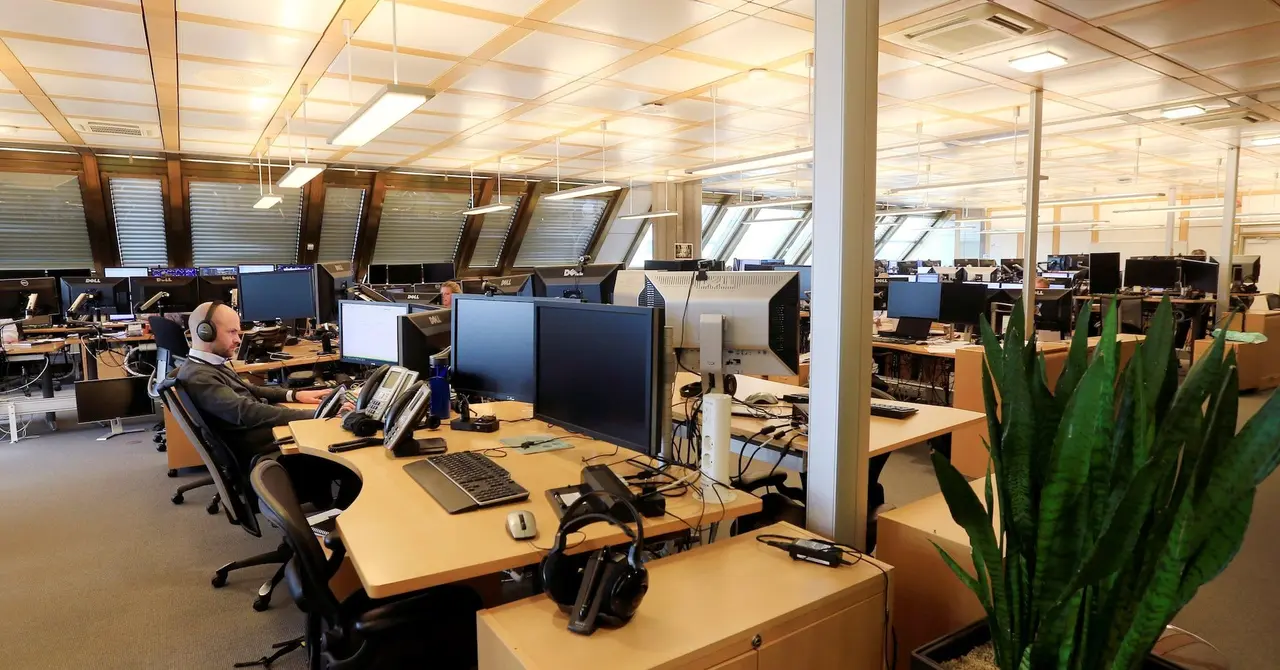
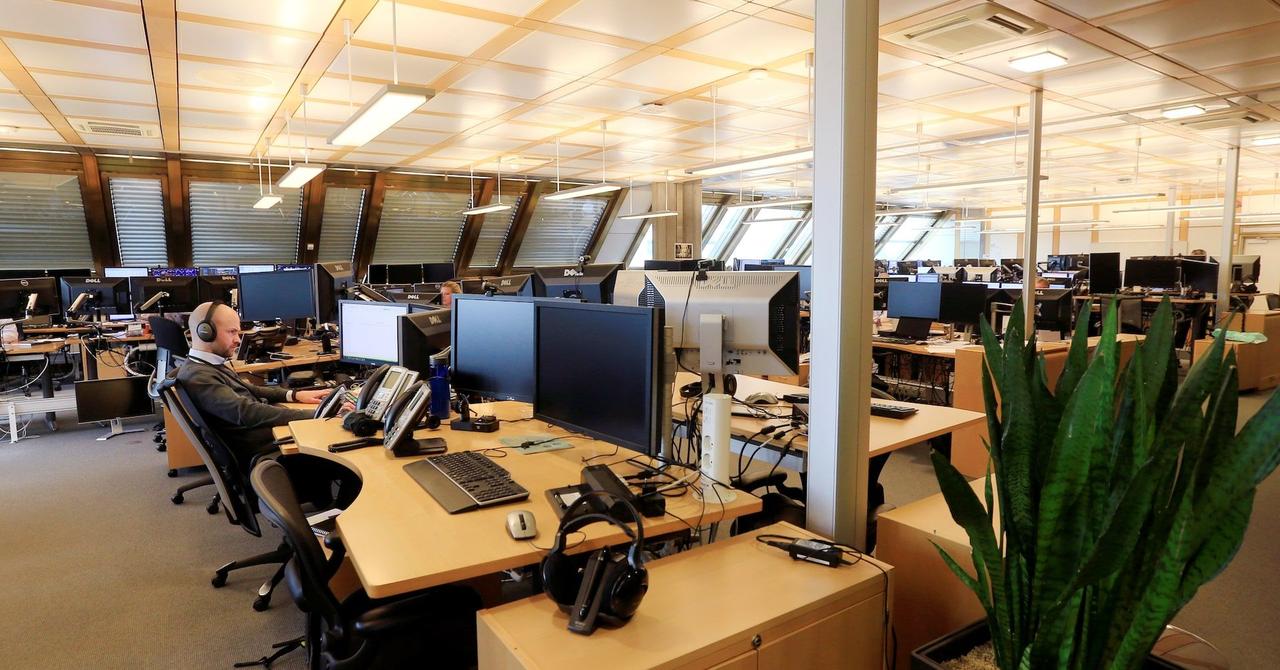
.At present, around half of the 700 employees at the Norway wealth fund code their own AI tools using Anthropic's Claude large language model. Staff primarily deploy these systems to gather information that supports their decision-making processes, ranging from monitoring companies for risk across the 7,000 firms in the fund's portfolio to simulating contract negotiation scenarios and preparing for company meetings
2
.
Source: Reuters
Human Supervision Remains Central to AI Strategy
"The principle is that we make better human decisions by getting AI to analyse it for us," Kirkeberg told Reuters after a fund seminar on AI. He added that while the fund is moving toward trusting AI agents to make limited decisions autonomously, human oversight would remain essential. "At some stage, we're going to trust that the agent can make some of the decisions and we just monitor what it does," he explained
1
.This cautious approach distinguishes the Norway wealth fund from high-frequency traders and short-term investors who have already automated investment decisions. CEO Nicolai Tangen emphasized that as a long-term investor managing Norway's oil and gas revenues for future generations, the fund faces different pressures. One exception to this measured strategy is the fund's current use of AI to analyze optimal trading timing, which helps in reducing transaction costs
2
.Billions in Returns from AI Investment
Nicolai Tangen, a vocal advocate for AI adoption, revealed that the fund has invested "millions of crowns" in AI and returned benefits "in the billions," though he declined to provide specific figures or a timeframe. The CEO has previously described firms that fail to adopt the technology as "complete morons," underscoring his commitment to AI integration both internally and among the companies the fund invests in
1
.Despite these substantial cost savings and efficiency gains, Tangen expects the headcount to remain steady at around 700 across offices in Oslo, London, New York, and Singapore. However, he anticipates significant role shifts, with AI enabling a transition from back-end administration toward front-end investment operations. His advice to other leaders pursuing AI adoption focuses on avoiding explicit job cut targets, which he believes creates resistance. Instead, he recommends targeting increased sales, profits, and efficiency as a more constructive implementation approach
2
.Related Stories

Monitoring Companies and Managing Financial Risks
The AI tools developed by employees serve critical functions in investment operations, particularly in monitoring the 7,000 companies the fund invests in for ESG and financial risks. This capability allows the fund to process vast amounts of data more effectively than traditional methods, identifying potential issues before they escalate. The use of Anthropic's Claude for these tasks represents a strategic choice in favor of accessible, customizable AI technology that employees can adapt to their specific needs without requiring extensive technical infrastructure
1
.As the Norway wealth fund continues refining its approach to AI-driven decisions, the financial sector will be watching closely. The fund's cautious yet committed strategy—balancing automation with human supervision—may serve as a model for other institutional investors navigating the tension between AI's potential and its current limitations. The emphasis on machine learning applications that enhance rather than replace human judgment suggests a future where autonomous decision-making emerges gradually, built on proven reliability rather than rushed implementation.
References
Summarized by

Navi
Related Stories
Norway's $2.2 trillion wealth fund deploys AI to screen companies for ESG risks and avoid losses
26 Feb 2026•Business and Economy
Norway's Wealth Fund Calls for Increased AI Competency at Corporate Board Level
16 Aug 2024

Norway's Sovereign Wealth Fund Reaps $138 Billion Profit, Boosted by AI and Tech Stocks
14 Aug 2024

Recent Highlights
1
Tennessee Teens Sue Elon Musk's xAI Over Grok AI-Generated Child Abuse Images
Policy and Regulation

2
Supermicro Co-Founder Indicted in $2.5 Billion Nvidia AI Chip Smuggling Scheme to China
Policy and Regulation
3
Val Kilmer to appear posthumously in As Deep as the Grave through AI-generated performance
Entertainment and Society

Recent Highlights
Today's Top Stories





Your Daily Dose of Curated AI News
Don’t drown in AI news. We cut through the noise - filtering, ranking and summarizing the most important AI news, breakthroughs and research daily. Spend less time searching for the latest in AI and get straight to action.

