OpenAI plans to double its workforce to 8,000 as enterprise AI competition with Anthropic intensifies


14 Sources
14 Sources
[1]
OpenAI Plans to Almost Double Its Headcount This Year, FT Says
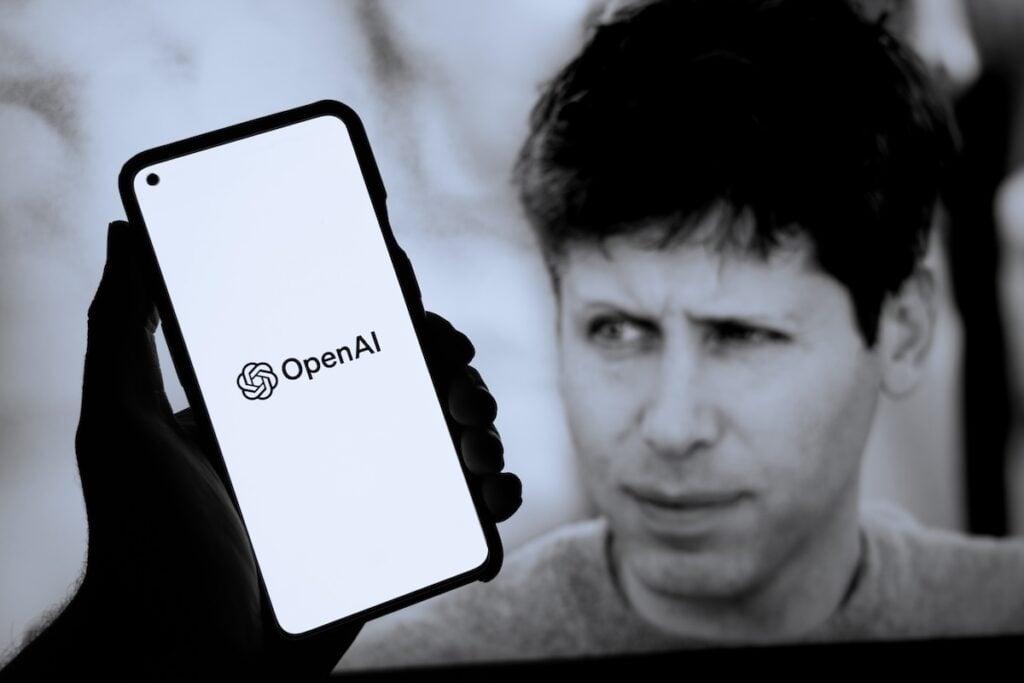
OpenAI plans to almost double its headcount by the end of 2026 as it seeks to fend off competition from companies such as Anthropic PBC and Alphabet Inc.'s Google, according to the Financial TimesBloomberg Terminal. The maker of AI assistant ChatGPT will look to increase headcount to about 8,000 from about 4,500, the FT said, citing two people with direct knowledge of the matter whom it didn't identify. The new hires will largely work across product development, engineering, research and sales, according to the report. OpenAI has taken new office space in San Francisco to accommodate its growing staff count, taking its footprint in the city to more than 1 million square feet, the newspaper added. OpenAI didn't immediately respond to a request for comment. The hiring plans come amid a race with competitors including Anthropic and Microsoft Corp. to woo corporate customers using AI as coding assistants. Firms like OpenAI have unveiled a number of AI models that can take on increasingly complicated tasks -- from analyzing company earnings reports to writing code and generating startlingly realistic-looking images and videos. Last week, OpenAI revealed plans to acquire Astral, a startup that makes Python tools for developers. Earlier in March, it agreed to buy AI security startup Promptfoo, adding tools to test and secure AI agents before deployment, Last year, it bought startups including Software Applications Inc. and Neptune. The firm is also in advanced discussions to form a joint venture with private equity firms, including TPG Inc., Brookfield Asset Management and Bain Capital, that would focus on bolstering adoption of its AI software, Bloomberg reported.
[2]
OpenAI to double workforce as business push intensifies
OpenAI plans to almost double its headcount by the end of the year as it accelerates a push to sell to businesses and gain ground on rival Anthropic in a race for a market worth hundreds of billions of dollars. The $730bn start-up was aiming to grow to about 8,000 employees from about 4,500 today, according to two people with direct knowledge of the matter. The new hires will largely work across product development, engineering, research and sales. OpenAI would also step up recruitment of specialists to focus on what the company calls "technical ambassadorship", helping businesses make better use of its tools, according to the people. OpenAI has signed a new lease on a San Francisco office, taking its footprint in the city to over 1mn sq ft as it prepares to grow by about 12 employees a day this year. The recruitment drive forms part of a strategic overhaul at the AI group, as it seeks to arrest Anthropic's momentum with business customers and fend off rising competition from Google. Business customers purchasing AI for the first time are choosing Anthropic at three times the rate of OpenAI, according to data from payments start-up Ramp, a reverse of the companies' positions a year ago. Late last year, chief executive Sam Altman issued a "code red", telling employees to refocus on its core product, ChatGPT. Earlier this month, Fidji Simo, who runs OpenAI's applications business, urged staff to ditch "side quests" and instead focus on improving the company's coding model Codex, winning over business customers and transforming ChatGPT into a productivity tool. Simo is also overseeing the bundling of Codex and ChatGPT into a single desktop app which can be sold to consumers and businesses, a move which was first reported by The Wall Street Journal. OpenAI is also in talks with private equity firms to launch a joint venture which would deploy the start-up's products in the PE groups' portfolio companies. Both OpenAI and Anthropic are lossmaking, spending billions of dollars more than they earn to train AI models which continue to advance the frontier of the technology. They are seeking to cut costs, boost revenues and become profitable, with pressure growing on that effort as the pair gear up for public listings as early as this year. This has led to AI groups going on a hiring spree for so-called forward-deployed engineers as part of a push to generate more revenues by installing specialists within businesses to help them customise their AI models -- an approach pioneered by data intelligence company Palantir. Anthropic has largely focused on selling its model Claude to business customers since it was launched in 2023, while OpenAI has taken what one investor described as an "everything, everywhere, all at once" approach. ChatGPT has been the most successful consumer application of AI since its launch in 2023, but more than 90 per cent of the more than 900mn people regularly engaging with the chatbot do not pay OpenAI. As well as exploring ways to monetise its vast user base, such as advertising, OpenAI has pursued video models, enterprise tools and robotics and other hardware devices. Anthropic, founded by ex-OpenAI researchers in 2021, has instead targeted businesses. That strategy has taken off since the launch of its coding tool Claude Code, with the company adding $1bn in annualised revenue each week this year. OpenAI is shifting resources to the enterprise market as well as trying to bulk up the number of paying consumers. By year-end, it anticipates half of its revenue coming from business customers, up from about 40 per cent today. The new focus reflects the success of coding tools such as Claude Code and Codex, which have "opened up with entirely new lanes of things we can do", said an executive at OpenAI. "It does change how you think about everything from your products to how you serve the market," they added. Similar to the release of ChatGPT or reasoning models, the unexpected traction of coding models with businesses meant that "all of a sudden, the company kind of rotated on its axis". But changing lanes in such a fast-moving market carries risks, said one investor in OpenAI. With Google fiercely competing for chatbot users, and Anthropic ensconced with businesses, OpenAI risked being left "in no man's land", they said. Additional reporting by Cristina Criddle
[3]
OpenAI to nearly double workforce to 8,000 by end-2026, FT reports
OpenAI CEO Sam Altman attends an event to pitch AI for businesses in Tokyo, Feb. 3, 2025. Artificial intelligence start-up OpenAI plans to nearly double its workforce to 8,000 from 4,500 by the end of 2026, the Financial Times reported on Saturday, citing two people with knowledge of the matter. Reuters could not immediately verify the report. OpenAI did not immediately respond to Reuters' request for comment. OpenAI plans to deploy most of the new hires across product development, engineering, research and sales, the FT said. The ChatGPT-maker is also ramping up recruitment of specialists focused on "technical ambassadorship," aimed at helping businesses make better use of its tools, the report added. The company's latest funding round valued it at $840 billion as Big Tech and Masayoshi Son's Softbank joined its blockbuster $110 billion round.
[4]
OpenAI reportedly plans to double its workforce to 8,000 employees
While other tech companies have been laying off employees year after year, OpenAI is doing the opposite. According to a report from the Financial Times, the AI giant is looking to expand its workforce to 8,000 employees by the end of 2026, nearly doubling staff from its current headcount of 4,500. The FT reported that the new hires will be across several departments, including product development, engineering, research and sales. OpenAI's hiring spree will also include "specialists" for "technical ambassadorship," or employees tasked with helping businesses better utilize its AI tools, according to the report. As the FT noted, OpenAI is likely trying to amp up the competition against Anthropic and its Claude AI chatbot. According to the AI Index from Ramp, a fintech startup that manages corporate expenses, businesses are now 70 percent more likely to go with Anthropic when buying AI services for the first time as opposed to OpenAI. OpenAI made waves in February when it announced a contract with the Department of Defense to use its AI models, following a public fallout between Anthropic and the federal agency. On top of the government contract, OpenAI is also in "advanced talks" with private equity firms like Brookfield Asset Management to deploy its AI tools across a firms' portfolio of companies, according to Reuters.
[5]

OpenAI plans to double its workforce as it pivots to enterprise AI
Serving tech enthusiasts for over 25 years. TechSpot means tech analysis and advice you can trust. Rumor mill: OpenAI is preparing for one of the largest expansions in its short history, adding thousands of new roles as it refocuses its business model around enterprise clients and deeper product integration. The move illustrates how quickly competition in the AI enterprise market is intensifying, as OpenAI tries to slow Anthropic's momentum. The company, valued privately at about $730 billion, is expected to nearly double its headcount to roughly 8,000 employees by year's end, up from about 4,500 currently, people familiar with the matter told The Financial Times. New hires will be concentrated in engineering, research, sales, and product development. A significant share will also be devoted to what OpenAI insiders call "technical ambassadorship," a role designed to embed specialists inside customer organizations to steer AI adoption and customization, an embedded-engineer approach first popularized by Palantir. To accommodate that growth, OpenAI has signed a new San Francisco lease that will expand its office footprint to more than 1 million square feet, making room for an average of a dozen new hires per day, according to the report. The company's expansion comes as it faces fresh pressure from Anthropic, which has rapidly gained traction with business customers since early 2024. Data from more than 50,000 customers of the payments startup Ramp indicate that first-time enterprise buyers are now choosing Anthropic's services three times as often as OpenAI's - a sharp reversal from a year earlier. Image credit: Financial Times An OpenAI spokesman disputed that assessment, calling the metric unreliable. "The notion that enterprise market share can be derived from Ramp credit card data is insane," the spokesman said, noting that large clients typically sign multimillion-dollar contracts without using payment platforms like Ramp. Inside OpenAI, the shift toward the enterprise market follows months of strategy changes. Late last year, chief executive Sam Altman declared a "code red," urging employees to focus on the company's core offerings. Earlier this month, Fidji Simo, who leads OpenAI's applications business, encouraged staff to abandon "side quests" and concentrate on turning ChatGPT and Codex into more practical tools for productivity and code development. The renewed enterprise focus also comes as OpenAI explores a joint venture with private equity firms to deploy its tools across those companies' portfolios, according to people briefed on the talks. OpenAI expects its corporate customers to generate about half of its total revenue by the end of the year, up from roughly 40 percent today. Image credit: Financial Times Anthropic, founded by former OpenAI researchers in 2021, has taken a more deliberate approach since its founding - targeting enterprise clients directly through its coding assistant Claude Code and related productivity models. That focused strategy has propelled its growth, with the company reportedly adding around $1 billion to its annualized revenue run rate each week since January. Both companies remain unprofitable, spending billions more than they generate as they train new models and chase market leadership. Investors expect each to pursue a public listing as early as this year. According to one OpenAI investor, the company's challenge lies in avoiding "no man's land" - squeezed between Google's massive consumer reach and Anthropic's enterprise lock-in.
[6]

As Mass Layoffs Loom, OpenAI Looks to Double Headcount in Desperate Bid to Catch Up With Anthropic
Can't-miss innovations from the bleeding edge of science and tech The tech industry is roiling from sweeping layoffs affecting tens of thousands of workers. Executives are citing AI as the reason for the deep cuts, in contentious claims undermined by persistent shortcomings of the tech that continue to rear their ugly head. Instead of mass firing staffers, OpenAI -- the company that kickstarted today's corporate AI fever with the release of ChatGPT in 2022 -- is looking to almost double its headcount as soon as the end of this year, the Financial Times reports, as it comes under immense pressure. The company is looking to grow to around 8,000 staffers, up from around 4,500 today, inside sources told the newspaper. The new jobs will operate across a variety of departments, from product development to sales. The company is also doubling down on support for its enterprise clients by building out a "technical ambassadorship" team. The news comes after OpenAI's CEO of applications, Fidji Simo, warned staffers at an all-hands that the company is going through a major reorganization, explaining that it's "actively looking at which areas to deprioritize." "We cannot miss this moment because we are distracted by side quests," she told staff, as quoted by the Wall Street Journal. According to the WSJ, the company is looking to double down on coding and enterprise users, suggesting the company is trying to find new ways to keep up with rival Anthropic, which has made major headway with Claude Code by focusing its efforts on paying enterprise users rather than its hundreds of millions of free-tier ChatGPT ones. The unexpected success of coding models like Anthropic's meant that "all of a sudden, [OpenAI] kind of rotated on its axis," a source with knowledge of the matter told the FT. The pressure from Anthropic remains unmistakable. According to data compiled by payments startup Ramp, business customers are three times as likely to choose Anthropic over OpenAI, a major reversal over just a year ago. However, an OpenAI spokesman undercut the conclusion, telling the FT that the "notion that enterprise market share can be derived from Ramp credit card data is insane." "Large enterprise clients do not pay for multimillion dollar contracts with a credit card," the spokesman said. "And they likely don't even use Ramp." Nonetheless, OpenAI's leadership has indicated the walls are starting to close in as competitors, including Anthropic and Google, have undermined the ChatGPT maker's early and stratospheric entry into the space just over three years ago. There's also a meta twist. Its plans to double its headcount, if confirmed, could be a striking counterpoint to the ongoing narrative that companies are no longer reliant on human staff thanks to the advent of AI. Its willingness to go on a hiring spree also suggests the alarm bells are indeed going off. OpenAI CEO Sam Altman issued a "code red" late last year, calling on staffers to double down on the company's chatbot at the expense of other projects. Simo took a strikingly similar tone during the all hands earlier this year. "We are very much acting as if it's a code red," she said. "I don't think necessarily declaring codes for everything makes a ton of sense."
[7]

OpenAI plans to almost double its headcount this year, FT says | Fortune
The maker of AI assistant ChatGPT will look to increase headcount to about 8,000 from about 4,500, the FT said, citing two people with direct knowledge of the matter whom it didn't identify. The new hires will largely work across product development, engineering, research and sales, according to the report. OpenAI has taken new office space in San Francisco to accommodate its growing staff count, taking its footprint in the city to more than 1 million square feet, the newspaper added. OpenAI didn't immediately respond to a request for comment. The hiring plans come amid a race with competitors including Anthropic and Microsoft Corp. to woo corporate customers using AI as coding assistants. Firms like OpenAI have unveiled a number of AI models that can take on increasingly complicated tasks -- from analyzing company earnings reports to writing code and generating startlingly realistic-looking images and videos. Last week, OpenAI revealed plans to acquire Astral, a startup that makes Python tools for developers. Earlier in March, it agreed to buy AI security startup Promptfoo, adding tools to test and secure AI agents before deployment, Last year, it bought startups including Software Applications Inc. and Neptune. The firm is also in advanced discussions to form a joint venture with private equity firms, including TPG Inc., Brookfield Asset Management and Bain Capital, that would focus on bolstering adoption of its AI software, Bloomberg reported.
[8]

Sam Altman Issued a 'Code Red' After Anthropic Started Dominating the Business Market. Now OpenAI Is Doubling Its Workforce.
Sam Altman issued his "code red" memo late last year, and now OpenAI plans to double its workforce to 8,000 by year-end. Sam Altman saw the writing on the wall months ago. The OpenAI CEO issued a "code red" late last year after realizing the company was spreading itself too thin -- chasing everything from video models to robotics while Anthropic focused on winning business customers. The strategy backfired. Business customers purchasing AI for the first time now choose Anthropic at three times the rate of OpenAI. Altman's solution: hire aggressively and refocus. He plans to double OpenAI's workforce to 8,000 employees by year-end, with new hires working across product development, engineering, research and sales. OpenAI is also ditching "side quests" to concentrate on its core products. The stakes are high. OpenAI needs to close the enterprise gap while solving another big problem: 90% of ChatGPT's 900 million users don't pay.
[9]

OpenAI to nearly double workforce to 8,000 by end-2026: FT - The Economic Times
OpenAI plans to deploy most of the new hires across product development, engineering, research and sales, the FT said. The ChatGPT-maker is also ramping up recruitment of specialists focused on "technical ambassadorship," aimed at helping businesses make better use of its tools, the report added. Artificial intelligence start-up OpenAI plans to nearly double its workforce to 8,000 from 4,500 by the end of 2026, the Financial Times reported on Saturday, citing two people with knowledge of the matter. Reuters could not immediately verify the report. OpenAI did not immediately respond to Reuters' request for comment. OpenAI plans to deploy most of the new hires across product development, engineering, research and sales, the FT said. The ChatGPT-maker is also ramping up recruitment of specialists focused on "technical ambassadorship," aimed at helping businesses make better use of its tools, the report added. The company's latest funding round valued it at $840 billion,as Big Tech and Masayoshi Son's Softbank joined its blockbuster $110 billion round. OpenAI CEO Sam Altman reportedly issued an internal "code red" in early December last year, pausing non-core projects and redirecting teams to accelerate development in response to Google's Gemini 3.
[10]

Why OpenAI is Losing $200 Million a Month and What it Means for ChatGPT
OpenAI, once celebrated as a trailblazer in artificial intelligence with the unprecedented success of ChatGPT, now finds itself at a crossroads. Economy Media explores how the company's rapid rise has exposed critical vulnerabilities, from escalating financial losses, estimated at $200 million per month, to a noticeable slowdown in innovation. For instance, recent updates to its AI models have yielded only modest performance gains of around 15%, raising concerns about its ability to maintain a competitive edge in a fast-evolving industry. These challenges, compounded by internal instability and intensifying competition, paint a complex picture of a company struggling to sustain its early momentum. Dive into this explainer to understand the multifaceted pressures shaping OpenAI's current trajectory. You'll gain insight into the financial hurdles that threaten its sustainability, the strategic missteps contributing to declining user engagement and the growing competition from rivals like Google's Gemini. Additionally, the breakdown examines how internal leadership turnover and employee dissatisfaction are affecting the company's capacity to innovate and adapt. These interconnected dynamics offer a deeper understanding of what's at stake for OpenAI as it navigates one of the most critical junctures in its history. OpenAI's journey to prominence was marked by the extraordinary success of ChatGPT, which became the fastest-growing consumer application in history, attracting over 100 million users within just two months of its launch. This achievement positioned OpenAI as a leader in artificial intelligence, raising expectations among users, investors and industry stakeholders. However, the rapid growth also exposed vulnerabilities in the company's long-term strategy, as the demands of scaling up began to strain its resources and infrastructure. The company's early success was fueled by its ability to deliver innovative AI solutions that resonated with a broad audience. Yet, as the industry matures, OpenAI must now contend with the reality that maintaining its position at the forefront of innovation requires more than just initial breakthroughs, it demands sustained progress and adaptability in the face of growing challenges. OpenAI's financial health has become a pressing concern. The company's operating costs exceed $5 million per day, yet its revenue currently covers only 60% of these expenses. This imbalance has resulted in monthly losses estimated at $200 million, forcing OpenAI to rely heavily on external investments to remain operational. Such a dependency on outside funding raises questions about the company's financial sustainability in the long term. In response to these challenges, OpenAI has announced ambitious plans to raise $40 billion in private funding and explore ad-based revenue streams. While these measures may provide temporary relief, they are unlikely to fully offset the rising costs associated with maintaining and expanding its AI infrastructure. The financial strain underscores the urgent need for OpenAI to develop a more sustainable business model that balances growth with profitability. Expand your understanding of OpenAI with additional resources from our extensive library of articles. OpenAI's reputation as an innovation leader is being tested by a noticeable slowdown in the pace of its technological advancements. Recent updates to its AI models have delivered only incremental improvements, with performance gains of approximately 15%. This stagnation has contributed to a decline in user engagement, as evidenced by a drop in the average daily usage of ChatGPT from 27 minutes to 21 minutes. Such trends suggest that users may be losing interest in the platform, potentially due to unmet expectations for new features or capabilities. The company's ability to deliver meaningful innovations will be critical to reversing this trend. Without significant breakthroughs, OpenAI risks losing its competitive edge in an industry where technological progress is a key driver of success. To remain relevant, the company must prioritize research and development efforts that push the boundaries of what AI can achieve. The competitive landscape of the AI industry has become increasingly crowded, with major players like Google's Gemini and other emerging platforms rapidly closing the gap. These competitors are using their extensive resources and integrating advanced AI capabilities into widely used products, offering compelling alternatives to OpenAI's offerings. As a result, OpenAI's market dominance is under threat. The narrowing technological gap between OpenAI and its competitors makes it more challenging for the company to justify its premium position in the market. This intensifies the pressure on OpenAI to innovate and differentiate its products in order to retain its user base and attract new customers. In addition to external pressures, OpenAI is facing significant internal challenges. Leadership turnover has been a recurring issue, with 25% of key executives departing in recent years. High-profile exits, including co-founders and senior leaders, have created uncertainty about the company's strategic direction and raised concerns about its ability to navigate its current challenges effectively. Employee dissatisfaction is another growing concern. Surveys indicate that 40% of staff are worried about the lack of clear leadership, which has contributed to declining morale. This internal instability not only affects the company's operational efficiency but also undermines its ability to attract and retain top talent, a critical factor in maintaining its competitive edge in the AI industry. OpenAI's business model faces significant structural challenges that threaten its long-term viability. The company's high infrastructure costs are difficult to reconcile with its current revenue levels, creating a financial imbalance that is unsustainable in the long run. While OpenAI has outlined plans to invest over $100 billion in AI development, this ambitious approach carries substantial financial risks, particularly in the absence of a clear path to profitability. The introduction of ads as a potential revenue source has also raised concerns. While this strategy may generate additional income, it risks alienating users who value an ad-free experience. Such a move could impact user retention and further complicate the company's efforts to achieve sustainable growth. The future of OpenAI is fraught with uncertainty. Its dominance in the AI industry is being challenged by competitors that are advancing both technologically and commercially. Without significant adaptations to its business model and a renewed focus on innovation, OpenAI risks deeper financial crises and potential bankruptcy by 2027. To reclaim its leadership position, OpenAI must address its financial instability, reignite innovation and stabilize its internal operations. The company's ability to balance rapid technological advancements with financial sustainability will ultimately determine whether it can overcome its current challenges or continue its downward trajectory. The answers to these questions will not only shape OpenAI's future but also influence the broader trajectory of artificial intelligence innovation in the years to come. Disclosure: Some of our articles include affiliate links. If you buy something through one of these links, Geeky Gadgets may earn an affiliate commission. Learn about our Disclosure Policy.
[11]

OpenAI Plans To Nearly Double Workforce Amid AI Race With Anthropic, Google - Alphabet (NASDAQ:GOOGL)
OpenAI To Nearly Double Staff The firm behind ChatGPT aims to expand its workforce to about 8,000 employees by the end of 2026, nearly doubling its current staff of 4,500, according to a Fortune report. The report, citing FT, noted new hires will mainly focus on product development, engineering, research and sales. The Sam Altman-led firm has recently unveiled several AI models capable of handling increasingly complex tasks, from analyzing company earnings reports to writing code and generating realistic images and videos. Startups, Funding, Partnerships Fuel OpenAI's Push The firm has been proactively strengthening its AI capabilities by taking over emerging startups such as Astral, Promptfoo, Software Applications Inc. and Neptune. Additionally, OpenAI is in advanced discussions to form a joint venture with private equity firms, including TPG Inc., Brookfield Asset Management and Bain Capital, to drive the adoption of its AI software. OpenAI's expansion comes at a crucial time as it faces increasing competition in the AI industry. Earlier in March, the company announced plans to merge its ChatGPT, Codex coding platform and the Atlas browser into a single desktop "superapp" after Anthropic's success, indicating a shift in strategy. Photo courtesy: Meir Chaimowitz on Shutterstock.com Disclaimer: This content was partially produced with the help of AI tools and was reviewed and published by Benzinga editors. Market News and Data brought to you by Benzinga APIs To add Benzinga News as your preferred source on Google, click here.
[12]

OpenAI Beefs Up Staff to Take on Claude | PYMNTS.com
By completing this form, you agree to receive marketing communications from PYMNTS and to the sharing of your information with our sponsor, if applicable, in accordance with our Privacy Policy and Terms and Conditions. That's according to a report Saturday (March 21) from the Financial Times (FT), which noted that this effort is happening as the artificial intelligence startup is stepping up its focus on business customers as it takes on rival Anthropic, developer of the Claude platform. OpenAI hopes to expand its workforce from around 4,500 people to roughly 8,000, the report said, citing two sources with direct knowledge of the matter. Sources said the new hires would chiefly work in areas including product development, engineering, research and sales, while OpenAI also plans to recruit more workers devoted to helping companies better use its tools. The report added that OpenAI has leased a new office in San Francisco, giving it more than 1 million square feet of real estate with plans to add around 12 employees per day this year. Businesses that are purchasing AI products for the first time are going with Anthropic at three times the rate of OpenAI, the FT added, citing credit card data from payments startup Ramp. The report added that an OpenAI spokesperson disputed these numbers, saying it was "insane" to think that Ramp's credit card data could be used to determine market share. "It's a bit like saying global lemon sales can be calculated based on my kid's lemonade stand," the spokesperson said. "Large enterprise clients do not pay for multimillion dollar contracts with a credit card. And they likely don't even use Ramp." As covered here last week, OpenAI is reportedly in the middle of a reset, setting aside various side projects to focus on business customers. "We cannot miss this moment because we are distracted by side quests," Fidji Simo, the company's CEO of applications, said in a message to employees, per The Wall Street Journal. "We really have to nail productivity in general and particularly productivity on the business front." The Journal later reported that Simo is also leading a project aimed at combining OpenAI's ChatGPT app, Codex coding platform and browser into a desktop "super app," as it moves to make ChatGPT more central to how people use their computers. Both efforts, PYMNTS wrote last week, suggest that the company's super app plan is not "an isolated product tweak" but "is part of a broader effort to narrow priorities, unify execution and turn OpenAI into a more disciplined commercial platform."
[13]
Why OpenAI's Pivot to Enterprise is Starting to Look 'Desperate
OpenAI's pivot toward the enterprise market signals a major shift in its strategy as it prepares for an IPO later this year. Once known for its consumer-facing innovations like ChatGPT, the company is now prioritizing industries such as finance, healthcare and logistics to establish a more sustainable business model. In a recent conversation with The Tech Overview, Natasha Bernal highlighted how this transition involves significant operational changes, including the discontinuation of projects like Sora, a video-generating app developed with Disney. The closure of Sora, driven by high costs and low adoption, underscores OpenAI's focus on scalability and profitability as it repositions itself in the competitive corporate AI landscape. This discussion provide more insights into the complexities of OpenAI's enterprise shift, offering insights into its workforce expansion plans, the introduction of ads in ChatGPT and the challenges of balancing consumer expectations with corporate demands. You'll gain a clearer understanding of how OpenAI is navigating rising competition from established players like Google and Microsoft, while also grappling with the risks of alienating its loyal user base. By exploring these dynamics, the conversation sheds light on the broader implications of OpenAI's evolving strategy and what it means for the future of AI-driven innovation. In preparation for its IPO, OpenAI is taking deliberate steps to enhance its appeal to potential investors. Central to this effort is the restructuring of its operations to prioritize profitability and scalability. A notable example of this strategy is the recent discontinuation of Sora, a video-generating app developed in collaboration with Disney. Despite its innovative premise, Sora faced challenges such as low user adoption and high operational costs, leading to its closure. By reallocating resources from underperforming projects like Sora, OpenAI aims to focus on initiatives that align more closely with its enterprise-focused strategy. This approach underscores the company's commitment to optimizing its operations and making sure long-term growth potential. OpenAI's shift toward the enterprise market marks a significant departure from its consumer-centric roots. The company is now targeting industries such as finance, healthcare, and logistics, where AI has the potential to drive efficiency, innovation and cost savings. To compete with established players like Google, Microsoft and Anthropic, OpenAI is developing tailored AI tools designed to meet the specific needs of corporate clients. This includes creating solutions that address challenges such as data analysis, predictive modeling and process automation. To support this strategic pivot, OpenAI is expanding its sales and engineering teams, making sure it has the expertise required to deliver customized solutions for enterprise customers. By positioning itself as a key player in the corporate AI sector, OpenAI aims to capitalize on the growing demand for AI-driven technologies that can transform business operations. Uncover more insights about OpenAI in previous articles we have written. As part of its broader financial strategy, OpenAI has begun testing advertisements in ChatGPT for free-tier users in the United States. This move represents a notable shift in the company's approach, as CEO Sam Altman had previously expressed ethical concerns about incorporating ads into AI platforms. While advertising offers a critical opportunity to diversify revenue streams, the decision has sparked mixed reactions among users. Some have raised concerns about the potential impact on the overall user experience, emphasizing the challenge of balancing monetization with user satisfaction. Despite these concerns, ads represent a necessary step in OpenAI's efforts to achieve financial sustainability. The company is exploring partnerships with advertising technology firms to refine its approach and ensure that ads are both relevant and minimally intrusive. Success in this area will depend on OpenAI's ability to align its advertising strategy with user expectations while maintaining the integrity of its platform. To support its ambitious enterprise goals, OpenAI plans to double its workforce from 4,000 to 8,000 employees. This expansion will focus on key areas such as engineering, research, product development, and sales, allowing the company to accelerate innovation and enhance its competitive edge. By investing in top talent, OpenAI aims to strengthen its capabilities and better serve the needs of its growing client base. However, rapid workforce expansion presents its own set of challenges. Maintaining organizational cohesion, making sure effective onboarding processes and fostering a strong company culture will be critical to the success of this initiative. OpenAI's ability to manage these complexities will play a significant role in determining its capacity to scale effectively and meet the demands of its enterprise customers. OpenAI's entry into the enterprise market places it in direct competition with established AI leaders such as Google, Microsoft and Anthropic. These companies have already built strong reputations in the corporate sector, offering advanced AI tools and services that are widely regarded for their reliability and scalability. To differentiate itself, OpenAI must demonstrate the unique value of its solutions, emphasizing features such as advanced natural language processing capabilities, seamless integration and robust data privacy measures. Strategic partnerships will also play a crucial role in OpenAI's efforts to carve out a competitive niche. By collaborating with industry leaders and using its expertise in AI research, the company can enhance its offerings and build credibility in the corporate market. Continuous innovation and a commitment to addressing the specific needs of enterprise clients will be essential for OpenAI to establish itself as a leader in this crowded and competitive space. While the enterprise market offers significant growth potential, OpenAI's shift in focus carries the risk of alienating its consumer base. Decisions such as introducing ads in ChatGPT and discontinuing consumer-facing projects like Sora have raised concerns among users who value the company's accessibility and innovation. These changes have sparked fears that OpenAI may prioritize corporate interests at the expense of its loyal consumer audience. Maintaining consumer trust will be vital as OpenAI navigates this transition. Transparent communication about the company's goals and strategies, as well as a clear commitment to preserving the quality of its consumer offerings, will be key to mitigating backlash. Striking a balance between consumer and corporate priorities will require careful planning and a nuanced approach to decision-making. OpenAI's financial sustainability is under intense scrutiny as it seeks to justify its valuation and attract public investors. The company is exploring various revenue-generating strategies, including partnerships with advertising technology firms and the development of enterprise-focused solutions. However, early results have highlighted challenges such as low click-through rates for ads and user dissatisfaction with monetization efforts. To succeed, OpenAI must develop a financial strategy that aligns with its core values while addressing the expectations of both consumers and investors. This includes balancing its commitment to research and development with the need to achieve profitability. By demonstrating its ability to generate sustainable revenue without compromising its mission, OpenAI can position itself as a reliable and innovative leader in the AI industry. OpenAI's transition to the enterprise market represents a delicate balancing act. While the corporate sector offers lucrative opportunities, the company must also address the needs and expectations of its consumer base. This dual focus requires a thoughtful and strategic approach to ensure that neither market is neglected. By aligning its strategies with the evolving demands of both consumer and corporate audiences, OpenAI can position itself as a versatile and forward-thinking leader in the AI industry. Success in this endeavor will depend on the company's ability to innovate, communicate effectively and maintain a clear vision for the future. Disclosure: Some of our articles include affiliate links. If you buy something through one of these links, Geeky Gadgets may earn an affiliate commission. Learn about our Disclosure Policy.
[14]

OpenAI to double headcount to 8,000 in enterprise push, FT reports By Investing.com
Investing.com - OpenAI plans to nearly double its workforce to about 8,000 employees by the end of the year as it accelerates efforts to expand in the enterprise market and compete with rival Anthropic, the Financial Times reported, citing sources. The hiring drive, up from around 4,500 staff currently, will focus on product development, engineering, research and sales, alongside roles aimed at helping businesses better deploy its AI tools. The move comes as OpenAI seeks to regain momentum with corporate customers, where Anthropic has recently gained ground, with new buyers reportedly choosing its offerings at a higher rate. OpenAI is also streamlining its product strategy, including bundling its Codex coding model with ChatGPT into a unified platform, as it looks to boost adoption among both businesses and paying users, the report said.
Share
Share
Copy Link
OpenAI is preparing to nearly double its headcount to 8,000 employees by the end of 2026, up from 4,500 currently. The expansion focuses on enterprise customers as the company faces mounting pressure from Anthropic, which now captures three times more first-time business buyers. The move signals a strategic pivot after CEO Sam Altman declared a 'code red' to refocus the company.
OpenAI Accelerates Workforce Expansion Amid Mounting Competition
OpenAI is embarking on one of the most aggressive growth strategies in its history, planning to double its workforce to 8,000 employees by the end of 2026, up from approximately 4,500 currently
1
2
. The hiring spree will concentrate on hiring in product development, engineering, research, and sales, with new roles averaging about 12 employees per day throughout the year2
. This workforce expansion comes as the $730 billion startup faces intensifying AI competition from rivals including Anthropic and Google2
.
Source: Benzinga
The company is also ramping up recruitment of specialists focused on "technical ambassadorship," a role designed to help businesses make better use of its AI tools
3
. This embedded-engineer approach, pioneered by data intelligence company Palantir, involves placing specialists within customer organizations to guide AI adoption and customization5
. To accommodate the growing staff count, OpenAI has signed a new lease in San Francisco, taking its footprint in the city to more than 1 million square feet1
.Strategic Pivot to Enterprise AI Market
The expansion represents a significant pivot to enterprise AI for OpenAI, driven by mounting pressure from Anthropic's success with business customers. According to data from payments startup Ramp, enterprise customers purchasing AI for the first time are now choosing Anthropic at three times the rate of OpenAI, a complete reversal from their positions a year ago
2
4
. This shift has prompted CEO Sam Altman to issue a "code red" late last year, urging employees to refocus on the company's core product, ChatGPT2
.
Source: Entrepreneur
Fidji Simo, who leads OpenAI's applications business, has urged staff to abandon "side quests" and concentrate on improving Codex, the company's coding model, winning over enterprise customers, and transforming ChatGPT into a productivity tool
2
. The company anticipates that by year-end, approximately half of its revenue will come from business customers, up from about 40 percent today2
. This represents a notable shift for a company whose ChatGPT has attracted more than 900 million regular users, though over 90 percent don't pay for the service2
.
Source: TechSpot
Related Stories

Race to Achieve Profitability and Market Dominance
Both OpenAI and Anthropic remain unprofitable, spending billions of dollars more than they earn to train AI models that continue to advance the technology frontier
2
. The pressure to achieve profitability amidst substantial investments has intensified as both companies prepare for potential public listings as early as this year2
5
. Anthropic, founded by former OpenAI researchers in 2021, has reportedly been adding $1 billion in annualized revenue each week this year, driven largely by its coding tool Claude Code2
.To bolster adoption of its AI software, OpenAI is in advanced discussions to form a joint venture with private equity firms, including TPG Inc., Brookfield Asset Management, and Bain Capital
1
4
. This venture would focus on deploying OpenAI's products across the firms' portfolio companies1
. The company has also been actively acquiring startups, including Astral, a Python tools developer, and Promptfoo, an AI security startup, to strengthen its product offerings1
.One OpenAI investor warned that the strategic shift carries significant risks. With Google fiercely competing for chatbot users and Anthropic establishing strong positions with businesses, OpenAI risks being caught "in no man's land"
2
. However, an OpenAI executive noted that the success of coding tools has "opened up entirely new lanes" and fundamentally changed how the company thinks about its products and market approach2
. The company's latest funding round valued it at $840 billion, with Big Tech and Masayoshi Son's SoftBank participating in its blockbuster $110 billion round3
.References
Summarized by

Navi
Related Stories
OpenAI's Trillion-Dollar Gamble: Ambitious Plans and Financial Challenges in the AI Race
15 Oct 2025•Business and Economy

OpenAI faces mounting investor concerns as $9B cash burn outpaces revenue growth
19 Jan 2026•Business and Economy

OpenAI IPO plans trigger internal clash as CFO questions readiness amid massive spending
06 Apr 2026•Business and Economy
Recent Highlights


Recent Highlights
Today's Top Stories










Your Daily Dose of Curated AI News
Don’t drown in AI news. We cut through the noise - filtering, ranking and summarizing the most important AI news, breakthroughs and research daily. Spend less time searching for the latest in AI and get straight to action.

