Oumi launches platform to automate custom AI models in hours instead of months


2 Sources
2 Sources
[1]
AI startup Oumi, from Microsoft and Google vets, launches commercial platform for custom AI models
A Seattle startup founded by former Google and Microsoft engineers is betting that companies will increasingly want to build and own smaller, specialized AI models rather than relying on general-purpose alternatives from the likes of OpenAI, Anthropic, and Google. Oumi, which launched its open-source platform last year, moved into its commercial phase Tuesday with technology that it says can automate the process of building custom AI models in hours rather than the weeks or months it would take with traditional approaches. The company says users can describe what they want a model to do in plain language, and the platform handles everything from generating training data to fine-tuning and evaluation. "One of the last things still standing that has not been automated with AI is the building of AI itself," said Oumi CEO Manos Koukoumidis, demonstrating the platform on a call this week. The case for custom models: The argument comes down to cost, performance, and control. General-purpose models from companies like OpenAI, Anthropic, and Google are designed to handle a wide range of tasks but can fall short on specialized work. Smaller models trained on specific tasks can be cheaper to run, faster to respond, and deployed on a company's own infrastructure, keeping sensitive data in-house. Company background: As first reported by GeekWire last year, Oumi was launched by Koukoumidis, a former senior engineering manager at Google Cloud, and Oussama Elachqar, a machine learning engineer who previously worked at Apple, Twitter, and Microsoft. Other co-founders are Matthew Persons and Jeremiah Greer, both former Google AI and Microsoft engineers; William Zeng, who worked on AI safety at Google; and Kostas Aisopos, a former Google staff engineer who also previously worked at Microsoft. The company raised $10 million last year in a seed round led by Venrock and Obvious Ventures, with participation from Plug & Play and Seattle-based Ascend. The company has since grown to about 20 employees, based primarily in Seattle. Broader landscape: It's part of a growing market for tools that help companies build and deploy custom AI models. Predibase, a model fine-tuning platform, was acquired by Rubrik last year for more than $100 million. Fireworks AI offers inference and fine-tuning for open-source models. Open-source projects like Unsloth and Axolotl provide alternatives geared for developers. Major cloud providers including Amazon and Google offer similar capabilities through technologies such as AWS SageMaker and Google's AI Studio, although they often require more setup and tend to tie customers to those specific cloud ecosystems. Part of Oumi's pitch is that its natural-language interface and end-to-end automation make the process accessible to many other users beyond dedicated AI engineers. The company launched as an open-source project in early 2025, and its toolkit has since drawn nearly 9,000 GitHub stars and adoption at research institutions including Stanford, MIT, and Berkeley. Commercial expansion: The new launch builds on that open-source foundation. Oumi says smaller, custom-trained models can outperform the largest general-purpose models on specific tasks, at a fraction of the cost. It points to early case studies to show the potential. * Divisions Maintenance Group, a facility services company, used the platform to fine-tune a model with fewer than 1 billion parameters for invoice validation. Accuracy jumped from 72% to 99%, matching the performance of OpenAI's GPT-5.2 on the task. * Aurasell, an AI-powered CRM platform, built an 8 billion parameter model for extracting information from web pages that outperformed Anthropic's Sonnet 4.5 on key metrics. The Oumi Platform starts at $25 per month per organization with unlimited users, plus pay-per-use fees for training, evaluation, and data synthesis.
[2]
Oumi aims to simplify and automate custom AI model development - SiliconANGLE
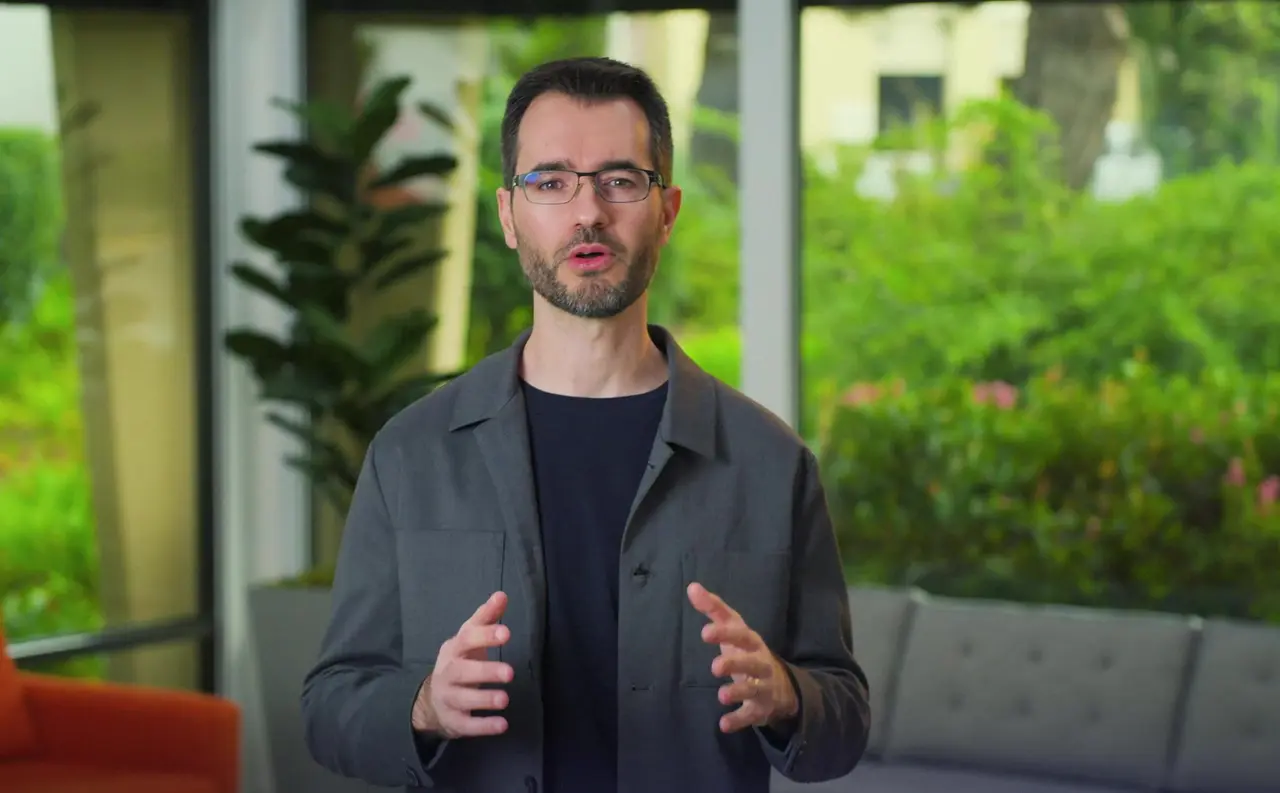
Oumi aims to simplify and automate custom AI model development Oumi PBC, a startup promoting an open artificial intelligence platform built in concert with researchers from some of the world's most prominent universities, today introduced a platform designed to automate the development of custom AI models, positioning it as a way for enterprises to move beyond reliance on large, general-purpose offerings. The announcement builds on what the company says is the momentum its earlier open-source project has built, including nearly 9,000 positive ratings on GitHub and adoption by dozens of research institutions. The new platform targets a broader audience, particularly enterprise teams that lack the time or expertise to build models from scratch. The company's pitch centers on automating what has traditionally been a complex, multistep process. Enterprises increasingly want to move away from large, closed models toward "small language models," specialized alternatives tailored to their specific needs, said Chief Executive Manos Koukoumidis (pictured). "We've seen a wave of enterprises that started with large, off-the-shelf models but now want to move to open specialized SLMs," which offer benefits such as greater relevance to specific projects, lower cost and lower latency, Koukoumidis said. That transition has been slowed by the difficulty of building custom models, a process that can take months, he said. Oumi's platform is designed to address that barrier by automating the end-to-end workflow, including data generation, evaluation, training and iteration, which are "all the steps that an AI engineer takes to develop a custom model," Koukoumidis said. The company claims the system can build custom AI models up to 100 times faster than conventional processes, reducing weeks or months of human effort to hours or minutes. Oumi said it can also reduce the technical barriers to model generation by allowing users to define a task in natural language. "All you need to do is say, 'I want to build a model,' and then you kick it off," Koukoumidis said. The platform then automates key tasks such as defining evaluation metrics, generating synthetic data and refining models based on performance gaps. "It analyzes the results for you, automatically synthesizes data, fine-tunes the model and keeps iterating," he said. "It automates all the steps of an engineer." The system supports a wide range of open models. Pricing is based on usage, including compute and tokens for training and inference. Oumi said the cost is offset by reduced engineering effort. "The amount of human effort that it saves is much higher than the bill you're going to get to train," Koukoumidis said. Oumi, which operates as a public benefit corporation, frames the platform as part of a broader effort to decentralize AI development. Koukoumidis said the company's goal is to "democratize the use of AI and put the future of AI in the hands of enterprises."
Share
Share
Copy Link
Seattle-based AI startup Oumi has launched a commercial platform that automates the development of custom AI models, reducing build time from weeks to hours. Founded by former Google and Microsoft engineers, the company raised $10 million in seed funding and has already gained nearly 9,000 GitHub stars for its open-source toolkit.
Former Google and Microsoft Engineers Build Platform to Automate Custom AI Models
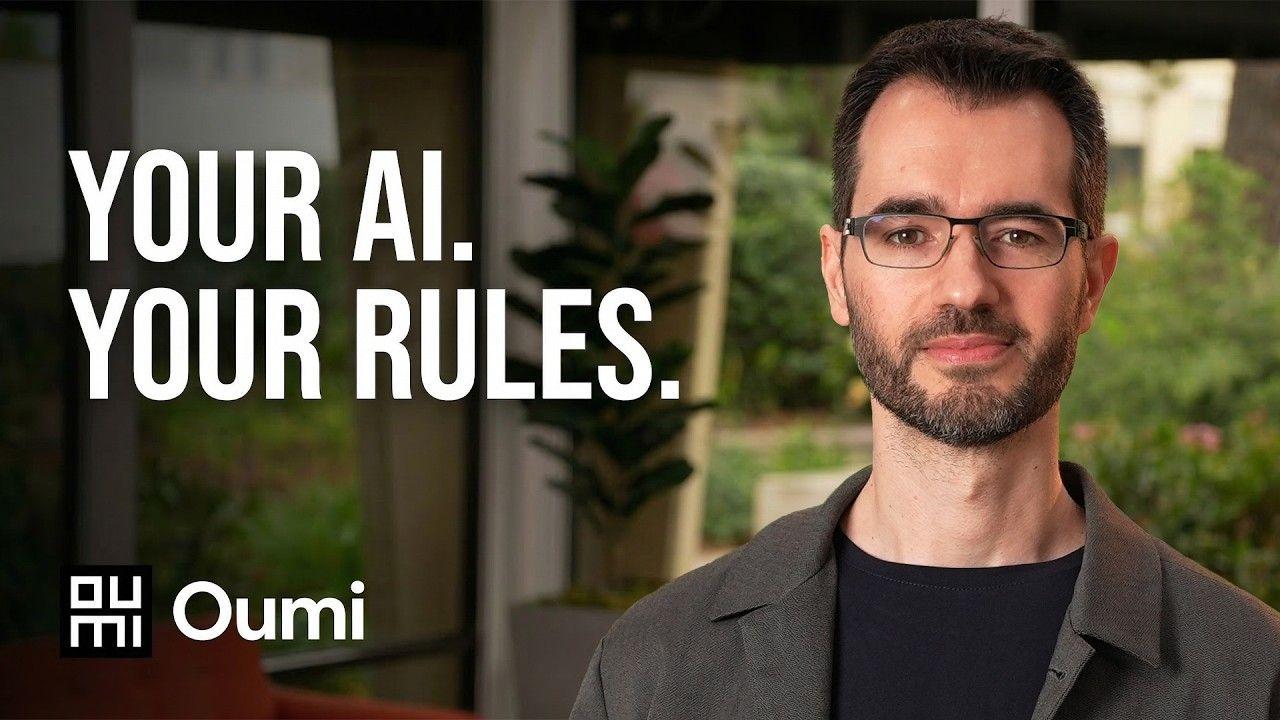
Oumi, an AI startup founded by former Google and Microsoft engineers, has launched a commercial platform designed to automate the creation of custom AI models in hours rather than weeks or months
1
. The Seattle-based company, led by CEO Manos Koukoumidis, a former senior engineering manager at Google Cloud, is betting that enterprises will increasingly seek specialized AI models tailored to specific tasks instead of relying on general-purpose alternatives from OpenAI, Anthropic, and Google1
.
Source: GeekWire
The Oumi Platform allows users to describe what they want a model to do in plain language, then handles everything from generating training data to fine-tuning and evaluation metrics
1
. "One of the last things still standing that has not been automated with AI is the building of AI itself," Koukoumidis explained during a demonstration1
.
Source: SiliconANGLE
Small Language Models Offer Cost Performance and Control
The push toward small language models reflects growing enterprise demand for alternatives to general-purpose models. While large models from companies like OpenAI and Google are designed to handle a wide range of tasks, they often fall short on specialized work . Smaller, specialized AI models trained on specific tasks can be cheaper to run, faster to respond, and deployed on a company's own infrastructure, keeping sensitive data in-house
1
.The company claims its system can build custom AI models up to 100 times faster than conventional processes
2
. The platform automates the entire AI model development workflow, including data generation, evaluation, training, and iteration—all the steps that an AI engineer typically takes to develop a model2
.Open-Source Foundation Gains Traction at Major Research Institutions
Oumi launched as an open-source project in early 2025 and has since attracted nearly 9,000 GitHub stars and adoption at research institutions including Stanford, MIT, and Berkeley
1
. The new commercial launch builds on that open-source foundation, targeting enterprise teams that lack the time or expertise to build models from scratch2
.The company was co-founded by Koukoumidis and Oussama Elachqar, a machine learning engineer who previously worked at Apple, Twitter, and Microsoft
1
. Other co-founders include Matthew Persons and Jeremiah Greer, both former Google AI and Microsoft engineers; William Zeng, who worked on AI safety at Google; and Kostas Aisopos, a former Google staff engineer who also previously worked at Microsoft1
.Early Case Studies Show Performance Gains Over Major AI Models
Oumi points to early case studies demonstrating that smaller, custom-trained models can outperform the largest general-purpose models on specific tasks at a fraction of the cost
1
. Divisions Maintenance Group, a facility services company, used the platform to fine-tune a model with fewer than 1 billion parameters for invoice validation, with accuracy jumping from 72% to 99%, matching the performance of OpenAI's GPT-5.2 on the task1
. Aurasell, an AI-powered CRM platform, built an 8 billion parameter model for extracting information from web pages that outperformed Anthropic's Sonnet 4.5 on key metrics1
.Related Stories

Seed Funding and Market Position
Oumi raised $10 million in seed funding last year in a round led by Venrock and Obvious Ventures, with participation from Plug & Play and Seattle-based Ascend
1
. The company has since grown to about 20 employees based primarily in Seattle1
.Oumi operates as a public benefit corporation and frames its mission as an effort to decentralize AI development
2
. "The goal is to democratize the use of AI and put the future of AI in the hands of enterprises," Koukoumidis said2
.The Oumi Platform starts at $25 per month per organization with unlimited users, plus pay-per-use fees for training, evaluation, and data synthesis
1
. Pricing is based on usage, including compute and tokens for inference and training, with the company claiming the cost is offset by reduced engineering effort2
.Competing in a Growing Market for Workflow Automation
Oumi enters a growing market for tools that help companies build and deploy specialized AI models. Predibase, a model fine-tuning platform, was acquired by Rubrik last year for more than $100 million, while Fireworks AI offers inference and fine-tuning for open-source models
1
. Major cloud providers including Amazon and Google offer similar capabilities through technologies such as AWS SageMaker and Google's AI Studio, although they often require more setup and tend to tie customers to those specific cloud ecosystems1
.Part of Oumi's pitch is that its natural-language interface and end-to-end automation make the AI model development process accessible to many users beyond dedicated AI engineers
1
. As enterprises increasingly seek to move away from large, closed models, the ability to automate custom AI models quickly could determine which companies gain control over their AI infrastructure and data.References
Summarized by

Navi
[1]
Related Stories
Ai2 Unveils Olmo 3: Open-Source AI Models Challenge Meta and DeepSeek with Enhanced Reasoning
20 Nov 2025•Technology

OpenAI Announces Plans to Release First Open-Weight Language Model Since 2019
01 Apr 2025•Technology

OpenAI Unveils Advanced AI Reasoning Models o3 and o4-mini with Enhanced Visual and Tool Integration
16 Apr 2025•Technology

Recent Highlights


Recent Highlights
Today's Top Stories




Your Daily Dose of Curated AI News
Don’t drown in AI news. We cut through the noise - filtering, ranking and summarizing the most important AI news, breakthroughs and research daily. Spend less time searching for the latest in AI and get straight to action.

