Physical Intelligence seeks to raise $1 billion as AI robotics valuation hits $11 billion


2 Sources
2 Sources
[1]
Physical Intelligence is reportedly in talks to raise $1 billion, again | TechCrunch
Physical Intelligence, the two-year-old San Francisco robotics startup, is in discussions to raise about $1 billion in new funding at a valuation exceeding $11 billion, according to Bloomberg. The deal would effectively double the company's $5.6 billion valuation in just four months. Founders Fund is set to participate with Lightspeed Venture Partners also in talks to invest alongside returning backers Thrive Capital and Lux Capital, Bloomberg reported. The deal is still in early stages and details could change, noted the outlet. TechCrunch visited Physical Intelligence's headquarters in January, where co-founder Sergey Levine described the company's ambition simply: "Think of it like ChatGPT, but for robots." At the time, the company had raised just over $1 billion and employed about 80 people working to build general-purpose AI models that can power robots to perform a wide variety of tasks, from folding laundry to peeling vegetables. Co-founder Lachy Groom told TechCrunch the company has no timeline for commercialization, an unusual posture that its investors don't seem to mind. "There's no limit to how much money we can really put to work," Groom said. "There's always more compute you can throw at the problem."
[2]
AI Robotics Lab in Talks to Raise $1 Billion at $11 Billion Valuation
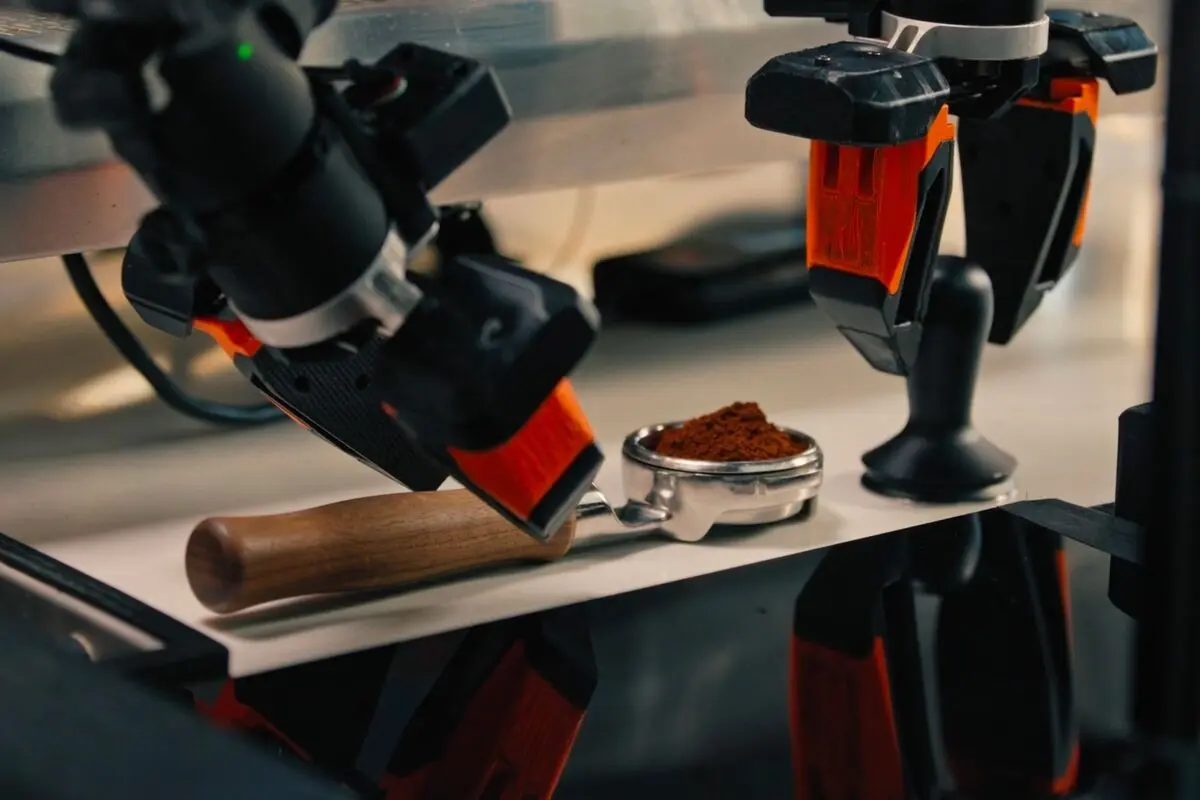
Physical Intelligence, a two-year-old robotics startup founded by AI academics and former Google DeepMind researchers, is discussing a new funding round of about $1 billion that would bring the company's valuation to more than $11 billion including dollars raised, according to people familiar with the matter. The deal would effectively double the startup's valuation in four months, as it works to build artificial intelligence models that can power robots capable of performing a variety of tasks. The company's last funding round, a $600 million haul, valued Physical Intelligence at $5.6 billion. Peter Thiel's Founders Fund is set to participate in the round, said some of the people, who asked not to be identified because the information is private. Lightspeed Venture Partners is also in talks to invest, as are previous backers Thrive Capital and Lux Capital. The deal talks are still early and the details could change, the people said. A representative for Physical Intelligence did not immediately respond to a request for comment. Representatives for the VC firms declined to comment. So far, Physical Intelligence has raised more than $1 billion in capital. Investors include Amazon.com Inc. founder Jeff Bezos, Alphabet Inc.'s independent growth fund CapitalG, Redpoint Ventures, BOND and Avenir Growth. Venture capital investors have recently flocked to companies building AI models focused on the physical world. Startups working on humanoid robots include Skild AI, which was recently valued at more than $14 billion by investors including Lightspeed, and Figure AI, valued at $39 billion. Big Tech players are also piling into robotics, including Alphabet Inc.'s DeepMind, Apple Inc. and Meta Platforms Inc. Physical Intelligence is developing artificial intelligence software to help robots learn a wide range of movements. The San Francisco-based startup has deployed its software on robotic arms in a testing capacity to perform tasks such as fold clothes, make coffee and assemble boxes. The ultimate goal, the company has said, is building models that enable robots to perform any function requested by the user through "vision-language models," in the same way that large-language models complete digital tasks on command. In recent weeks, the company has released new research about improving memory in robotic software models as well as performance on precise tasks that require careful and detailed manipulation of objects.
Share
Share
Copy Link
Physical Intelligence, a two-year-old San Francisco robotics startup, is in discussions to raise about $1 billion at an $11 billion valuation, effectively doubling its worth in just four months. Founded by former Google DeepMind researchers, the company aims to build general-purpose AI models that power robots to perform diverse tasks, from folding laundry to assembling boxes.
Physical Intelligence Pursues Aggressive Funding Round
Physical Intelligence is in discussions to raise $1 billion in new capital at a valuation exceeding $11 billion, according to reports from Bloomberg
2
. The robotics startup, founded just two years ago by AI academics and former Google DeepMind researchers, would effectively double its $5.6 billion valuation achieved merely four months earlier1
. This rapid appreciation signals intense investor confidence in AI robotics despite the company having no immediate timeline for commercialization.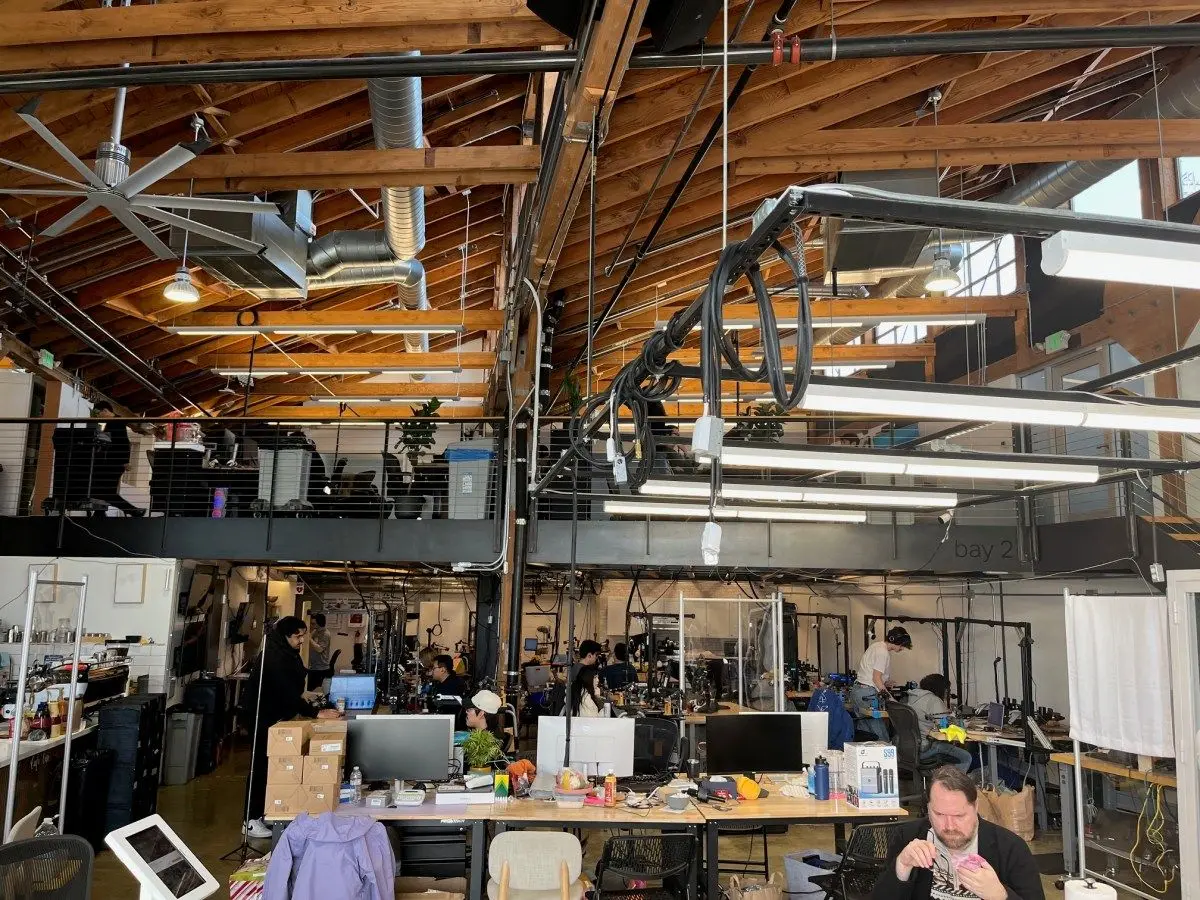
Source: TechCrunch
Peter Thiel's Founders Fund is set to participate in the funding round, with Lightspeed Venture Partners also in talks to invest alongside returning backers Thrive Capital and Lux Capital
2
. The deal remains in early stages and details could still change. So far, Physical Intelligence has raised more than $1 billion from investors including Amazon founder Jeff Bezos, Alphabet's CapitalG, Redpoint Ventures, BOND, and Avenir Growth2
.Building General-Purpose AI Models for Robots
The San Francisco-based company employs about 80 people working to develop general-purpose AI models that enable robots to perform a wide variety of tasks
1
. Co-founder Sergey Levine describes the vision simply: "Think of it like ChatGPT, but for robots"1
. The company has deployed its software on robotic arms in testing environments to perform tasks such as folding clothes, making coffee, peeling vegetables, and assembling boxes1
2
.
Source: Bloomberg
The ultimate goal centers on building models that enable robots to perform any function requested by users through vision-language models, mirroring how large-language models complete digital tasks on command
2
. Recent weeks have seen the company release new research on improving robotic software memory and performance on precise manipulation tasks requiring careful handling of objects2
.No Rush to Commercialization Despite Massive Investment
Co-founder Lachy Groom told TechCrunch the company has no timeline for commercialization, an unusual posture that investors appear willing to support
1
. "There's no limit to how much money we can really put to work," Groom stated. "There's always more compute you can throw at the problem"1
. This computational investment strategy suggests the company prioritizes research depth over immediate market entry.Related Stories

Venture Capital Floods Physical AI Space
Venture capital investors have recently flocked to companies building AI models focused on the physical world
2
. Startups working on humanoid robots include Skild AI, recently valued at more than $14 billion by investors including Lightspeed, and Figure AI, valued at $39 billion2
. Big Tech players are also entering robotics, including Alphabet's DeepMind, Apple, and Meta Platforms2
. Physical Intelligence's rapid valuation growth positions it as a major contender in this increasingly competitive landscape, though questions remain about when these massive investments will translate into commercial products that demonstrate real-world value beyond controlled testing environments.References
Summarized by

Navi
Related Stories
Physical Intelligence Raises $600M to Develop Universal AI Robot Brains
21 Nov 2025•Startups
Physical Intelligence Secures $400 Million for Revolutionary Robot Software Development
05 Nov 2024•Technology

Figure AI Seeks $1.5 Billion Funding at $39.5 Billion Valuation, Signaling Surge in Humanoid Robotics
15 Feb 2025•Technology

Recent Highlights
1
Apple Plans Major Siri AI Overhaul in iOS 27 With Third-Party Chatbot Integration
Technology

2
OpenAI shuts down Sora video app after six months, ending Disney's $1 billion investment deal
Technology

3
Pentagon formalizes Palantir's Maven AI as core military system with multi-year funding
Policy and Regulation
Recent Highlights
Today's Top Stories









Your Daily Dose of Curated AI News
Don’t drown in AI news. We cut through the noise - filtering, ranking and summarizing the most important AI news, breakthroughs and research daily. Spend less time searching for the latest in AI and get straight to action.

