AI photo restoration tools are fabricating faces and erasing your family's real history


2 Sources
[1]
AI photo restoration is erasing your family's real history
My parents have discovered the wonders of ChatGPT, and have been gleefully using it for everything they can think of. I've had "the chat" with them about the reliability of LLMs, but like most people they do indulge in social media fads from time to time. Whether it's using ChatGPT to turn you into
[2]
'Restoring' Old Photos With AI Is a Fundamentally Broken Concept
When I was in college, I had the opportunity to spend a semester abroad in Florence, Italy to study. There, I took a "Chemistry of Art" class that culminated in a visit to the Opificio delle Pietre Dure, where priceless works of art are on display. It is also where many are stored and
Share
Copy Link
Popular AI photo restoration tools are creating entirely new images rather than preserving original photos, fundamentally altering the identity of the subjects. These AI-generated restorations replace family members with lookalike doppelgängers, raising concerns about photo authenticity and the preservation of family history as millions share these fabricated images on social media.
AI Photo Restoration Explodes on Social Media
AI photo restoration has surged in popularity as people discover they can transform damaged, faded family photos into pristine modern images within seconds
1
. Platforms like Facebook have become hubs for sharing these transformed images, with users posting AI-generated restorations that attract likes and comments from extended family and old classmates. The appeal is undeniable: while professional restoration requires skilled artists and many hours of work, AI tools deliver instant results ready for social media1
. Users simply upload photos to ChatGPT or dedicated AI tools, and the technology produces what appears to be a restored version of their cherished memories.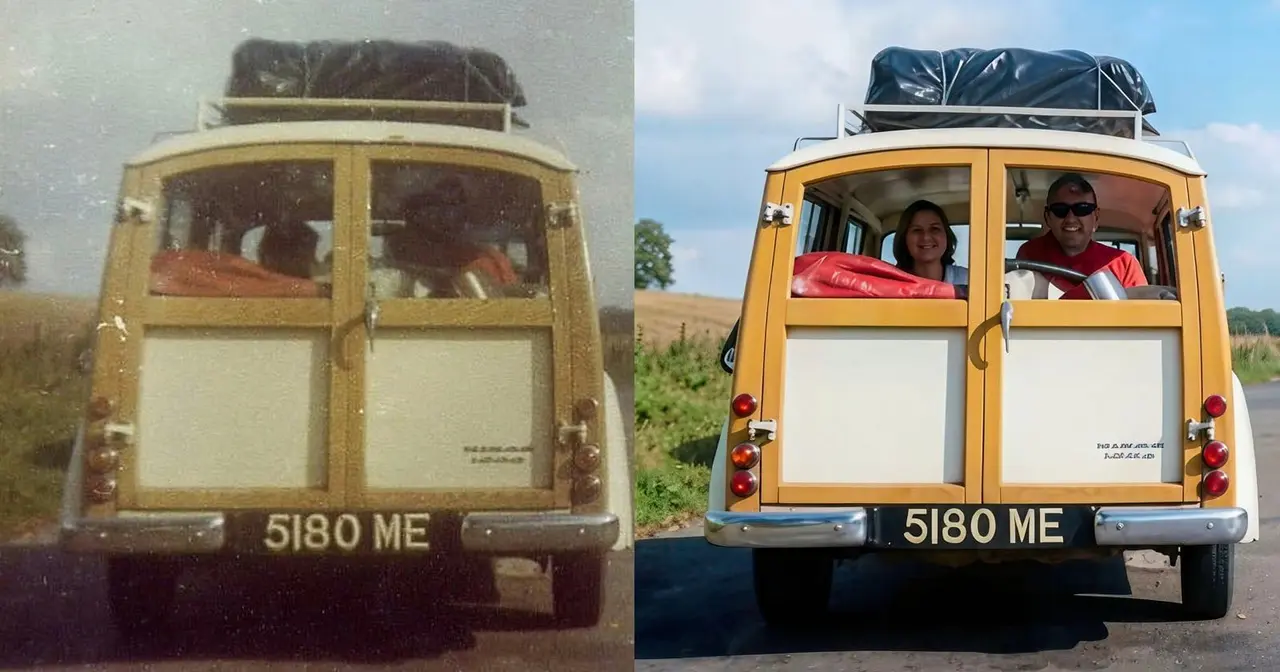
Source: PetaPixel
Restoration Versus Fabrication: The Critical Distinction
The fundamental problem with restoring old photos with AI lies in how the technology actually works. Generative AI doesn't restore anything—it creates entirely new images using the original as input
1
. At first glance, these AI-generated restorations appear similar to the original photos, but closer examination reveals numerous subtle and not-so-subtle changes. When a historical family photo from the Library of Congress was processed through ChatGPT with the prompt "Restore this photo to look like it was taken today," the AI extended the frame to include details that never existed and changed elements like posters on walls1
. Most critically, the technology can alter the identity of the subjects, transforming faces and poses so dramatically that family members become unrecognizable to those who knew them1
.
Source: How-To Geek
Why Photo Authenticity Matters for Family History
These inaccurate representations of original photos carry profound implications for preserving family history. For many people, photographs serve as the only tangible evidence of what deceased relatives looked like or how family members appeared in earlier decades
1
. When AI tools replace genuine faces with lookalike doppelgängers, they sever the authentic connection to personal history. One journalist noted that when his father posted AI-processed photos of himself, the resulting face was "obviously and disturbingly" not his real face1
. Even more troubling, photos from before the journalist was born became impossible to verify without side-by-side comparison, since he lacked real-world memories of his father's appearance during that period1
.Art Conservation Principles Expose the Fundamentally Broken Concept
The concept of AI photo restoration contradicts established principles of art conservation. Scientists at Florence's Opificio delle Pietre Dure, where priceless artworks are maintained, reject the term "restoration" because it implies adding or subtracting elements
2
. Art conservationists prefer to protect what exists, prevent further damage, and honor works as they are—taking nothing away and adding nothing back2
. This approach demonstrates respect for the artist and the living history of the work. When details are missing from soft scans, any restoration by hand or AI necessarily involves fabrication, inserting details that weren't captured2
. AI tools function as blunt instruments, forcing their way across visual history without regard for the damage caused2
.Related Stories

Professional Human Restoration Preserves Authenticity
Professional human restoration offers a fundamentally different approach that prioritizes authenticity over convenience. Trained restoration artists understand how to preserve genuine features and avoid altering images more than necessary
1
. When professionals colorize old photos, they make informed choices through research to approximate reality as closely as possible1
. Companies like Adobe offer photo editing tools that enable skilled work while maintaining control over the process. In contrast, AI tools like ON1 Restore AI don't attempt historical accuracy—they simply generate plausible-looking results2
. Even when AI-generated restorations appear believable, they significantly change the identity of people in photographs2
.What This Means for Your Family Photos
The trend of erasing family history through AI-generated restorations raises urgent questions about how we preserve personal heritage in the digital age. Experts recommend destroying AI-processed images immediately and creating safe, unaltered digital backups of family photos on multiple long-term storage media
1
. As these AI tools become more sophisticated and accessible, the risk grows that fabricated versions will replace original photos entirely, particularly as people share them widely driven by nostalgia on social media platforms1
. Watch for increased awareness campaigns about photo authenticity and potential regulatory discussions about labeling AI-generated content, as the technology's impact on historical accuracy becomes more widely recognized.References
Summarized by

Navi
[1]
Related Stories
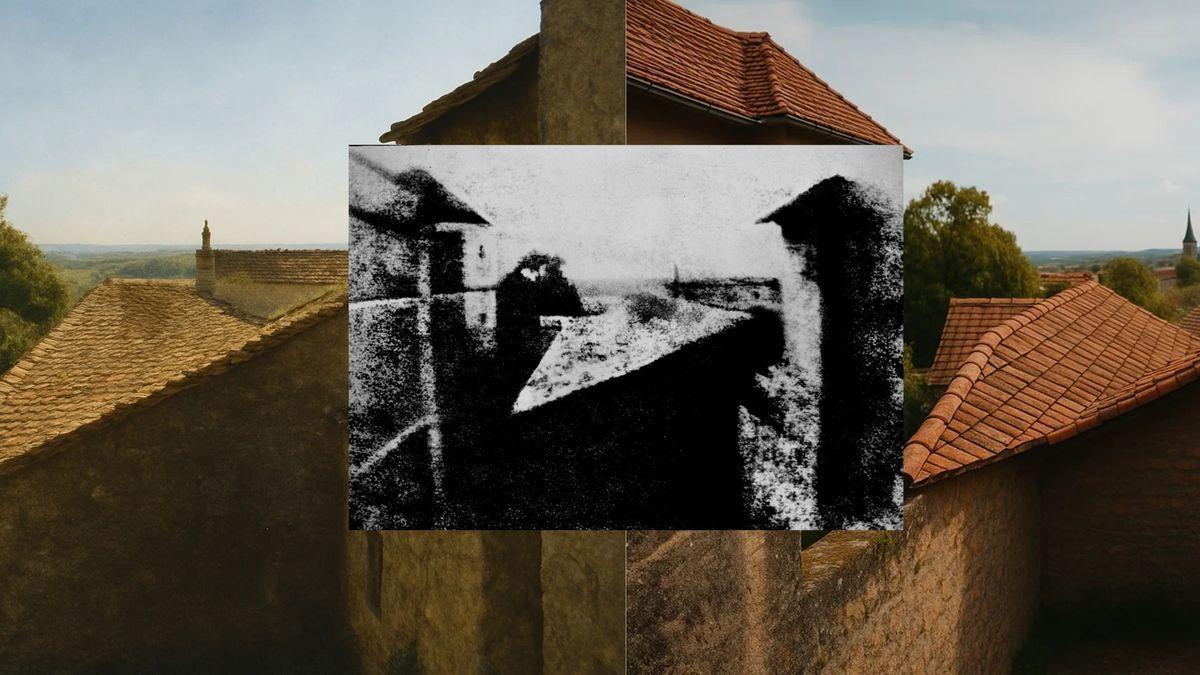
ChatGPT's Attempt to Restore World's Oldest Photograph Sparks Debate on AI Accuracy
17 Jun 2025•Technology
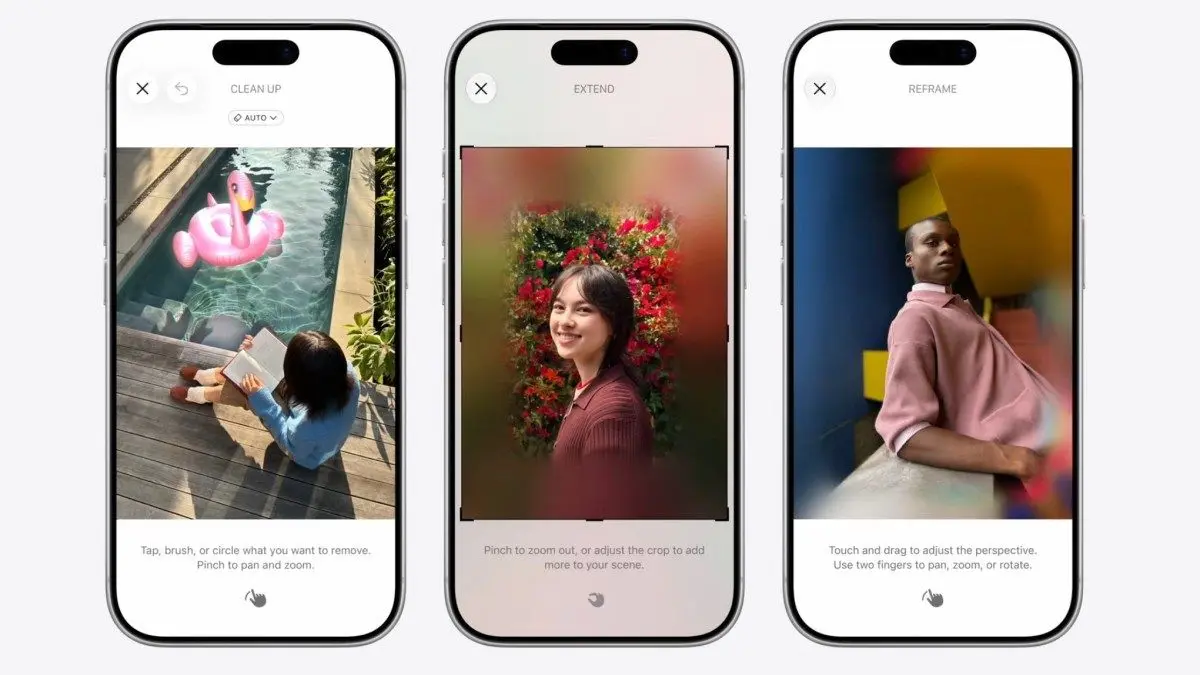
Apple AI brings three new photo editing tools to fix compositional issues in iOS 27
08 Jun 2026•Technology
AI-Generated Historical Photos Raise Concerns Over Authenticity and Historical Accuracy
16 Oct 2024•Technology

Recent Highlights



Recent Highlights
Today's Top Stories



Don’t drown in AI news. We cut through the noise - filtering, ranking and summarizing the most important AI news, breakthroughs and research daily. Follow topics that matter to you and stay ahead.


