Samsung explores vibe coding for Galaxy phones to let users build their own apps with AI


4 Sources
4 Sources
[1]
Samsung could let users build their own Galaxy phone apps with AI -- here's why that matters
Samsung is really pushing hard to bring AI to its phones and make the tools easily available for the general public. In the future, that might also include the ability to install your own AI-generated apps directly on your Galaxy phone. Speaking to TechRadar, Won-Joon Choi, Samsung's head of mobile experience, said the company is exploring the possibility of bringing vibe coding to Galaxy phones. Choi noted that, "Right now we're limited to premade tools, but with vibe coding, users could adjust their favorite apps or make something customized to their needs." For those unsure, vibe coding is an AI feature that lets you hand off different coding tasks to artificial intelligence. Essentially, you tell the AI what sort of result you want, and it will be able to build a piece of software to facilitate it. All without you needing to learn how to write any of the code yourself. In the context of Android phones, which is a somewhat open system compared to the likes of iOS, vibe coding support could be something of a game-changer. The ability to create and use apps yourself, to suit your own personal needs, would be the ultimate personalization tool for your phone. Personal control No more having to rely on external developers that you can't control or really have any influence over. We've seen time and again as apps get worse over time, whether it be controversial redesigns, lost features, or the fact that developers decided they want to lock everything behind a subscription service. Vibe coding your own apps should mean everything is exactly as you need it, and if things go wrong, you simply make a new one. Ok, maybe that's a very overly-simplistic take on the whole process, but you get where I'm coming from. Personal control has always been one of the things that makes using an Android great, and while the likes of Google may seem to want to slowly strip that away, vibe coding could give you more power than ever before. The only downside is that we don't know if and when this might be coming to Galaxy phones. Choi confirmed that the company is looking into adding vibe coding, but that doesn't mean it will be landing on the Samsung Galaxy S27 or even the Galaxy S28. So we'll just have to wait and see how things pan out in the future. Follow Tom's Guide on Google News and add us as a preferred source to get our up-to-date news, analysis, and reviews in your feeds.
[2]
After Nothing, Samsung could let you build your own apps with AI on Galaxy phones
A Samsung executive says AI-powered "vibe coding" could eventually arrive on Galaxy devices. Samsung may soon take a page from Nothing and bring AI-generated apps directly to Galaxy phones. In a recent interview, a Samsung executive suggested the company is exploring the idea of "vibe coding", where users simply describe what they want an app to do and an AI system writes the code for them. The idea surfaced during TechRadar's conversation with Won-Joon Choi, head of Samsung's Mobile Experience division. When asked about the possibility of bringing vibe coding to Galaxy devices, Choi said it's "something we're looking into." The concept, he explained, could unlock entirely new ways for users to customize their phones, not just through apps, but potentially through deeper changes to the device's overall user experience. AI that builds apps from simple prompts For those unfamiliar with the term, vibe coding is essentially AI-assisted programming. Instead of writing code manually, users provide prompts describing the functionality they want, and the AI generates the necessary software. That means even people with no programming experience could potentially create simple apps or utilities for their phones. Recommended Videos On Nothing devices, a similar concept already exists under the name Essential Apps, which allows users to build personalized widgets using text-based prompts. It effectively turns a smartphone into a miniature app-building platform. If Samsung adopts something similar, the idea could reach a much wider audience given the scale of Galaxy devices. It's worth noting that despite the conversation, Samsung hasn't officially confirmed that such a feature is actually coming to Galaxy phones yet. But the fact that the company is openly discussing it signals how seriously the industry is taking the idea of AI-driven software creation. The Galaxy S26 lineup already leans heavily into AI branding, with Samsung positioning the devices less as traditional smartphones and more as "AI phones." If it follows through, it could represent a big shift in how people interact with their phones: moving from simply installing apps to creating them on demand with AI.
[3]
Samsung wants to let you vibe code your Galaxy experience
If you've spent any time on tech Twitter lately, you've probably seen the term "vibe coding" floating around. It's the idea of using AI to write software for you, just by describing what you want in plain language. No coding knowledge required. Samsung thinks that concept has a place on your phone, and it's been talking to TechRadar about it. According to the interview, Samsung vibe coding is something the company is actively considering for future Galaxy devices. Won-Joon Choi, head of Samsung's mobile experience division, told TechRadar the feature is "very interesting, and something we're looking into." He described a future where Galaxy users could go beyond the pre-built tools Samsung ships today. "Right now we're limited to premade tools, but with vibe coding, users could adjust their favorite apps or make something customized to their needs," Choi said. The vision extends further than just tweaking apps, too. He specifically mentioned the "possibility of customising your smartphone experience in new ways, not just your apps but your UX." It's already happening elsewhere To be clear, nothing is confirmed here. Choi was careful with his wording, and there's no indication Samsung is actively building or testing anything in One UI right now. But the broader trend he's pointing to is very real. On the iPhone side, bitrig lets you build actual SwiftUI apps from your phone using nothing but a text or voice prompt. It was made by former Apple engineers who helped create SwiftUI, and it recently expanded to Mac as well. On Android, Nothing has been doing something similar with Essential Apps, which lets Nothing Phone users describe what they want and get a personalized mini app or widget dropped straight onto their homescreen. It's still in beta, but the idea is solid. Samsung would be bringing that same concept to a much larger audience. Whether it shows up in One UI 8, One UI 9, or somewhere further down the road is anyone's guess.
[4]
Samsung Could Let Users Vibe Code Apps and Interface in Future Phones
* The tool is said to let users customise apps and interfaces * Samsung's Won-Joon Choi said vibe coding is very interesting * The Samsung Galaxy S26 series was recently launched globally Samsung is reportedly considering adding vibe coding tools to its Galaxy smartphones. As per the report, the South Korean tech giant is looking into offering artificial intelligence (AI) tools that will allow users to customise first-party apps and the user interface however they like. This means that while users may not be able to perform heavy coding tasks, the tool will let them create and edit apps and system-level experiences. It is unclear when these tools will be built and when the company will begin rolling them out to users. Samsung Could Bring Vibe Coding Tools to Smartphones According to a TechRadar report, the smartphone maker finds the idea of adding vibe coding tools "interesting." The publication asked Won-Joon Choi, the President and Chief Operating Officer of the Mobile eXperience (MX) Business at Samsung, if the company was considering bringing any vibe coding-focused tools to Galaxy AI. In response, the executive reportedly said that it was something the company was looking into as it can offer the "possibility of customising your smartphone experience in new ways, not just your apps but your UX." The President and COO of MX Business reportedly also shed light on how such a tool could work. He told the publication that currently, users are limited to premade apps with limited customisation. However, with an AI-powered vibe coding tool, they can potentially adjust the apps and even the user interface to better cater to their needs. Notably, vibe coding, in the AI parlance, refers to using large language models to write, edit, debug, and deploy code and entire software. The term has gained popularity recently after companies such as OpenAI, Google, Anthropic, and others have released both AI models and products that are focused towards coding. The company recently launched the Samsung Galaxy S26 series globally, introducing several new AI features. Now Nudge uses screen context to deliver real-time suggestions and shortcuts, Agentic Task Execution can perform multi-step actions across apps, the Photo Assist Suite can make edits to photos based on natural language prompts, and Creative Studio allows users to turn sketches, photos, and text prompts into stickers, invitations, and wallpapers.
Share
Share
Copy Link
Samsung is exploring vibe coding capabilities for Galaxy phones, a feature that would let users build their own apps with AI using simple text prompts. Won-Joon Choi, Samsung's head of mobile experience, confirmed the company is looking into this AI-powered feature that could allow users to customize apps and user interfaces without any coding knowledge.
Samsung AI Explores Vibe Coding for Galaxy Phones
Samsung is actively exploring the possibility of bringing vibe coding to Galaxy phones, a move that could fundamentally change how users interact with their devices. Won-Joon Choi, President and Chief Operating Officer of Samsung's Mobile eXperience Business, confirmed to TechRadar that the company finds the concept "very interesting" and is looking into implementing it for future devices
1
3
. This AI-powered feature would enable users to build their own apps with AI by simply describing what they want in natural language descriptions, eliminating the need for traditional programming skills.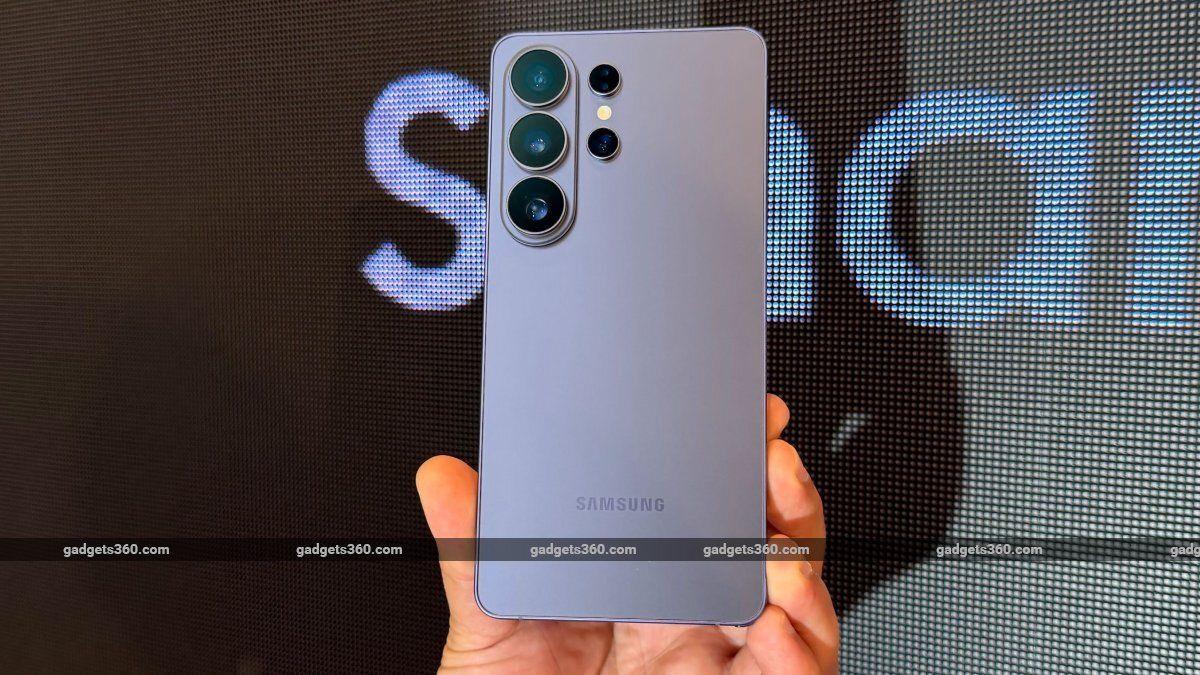
Source: Gadgets 360
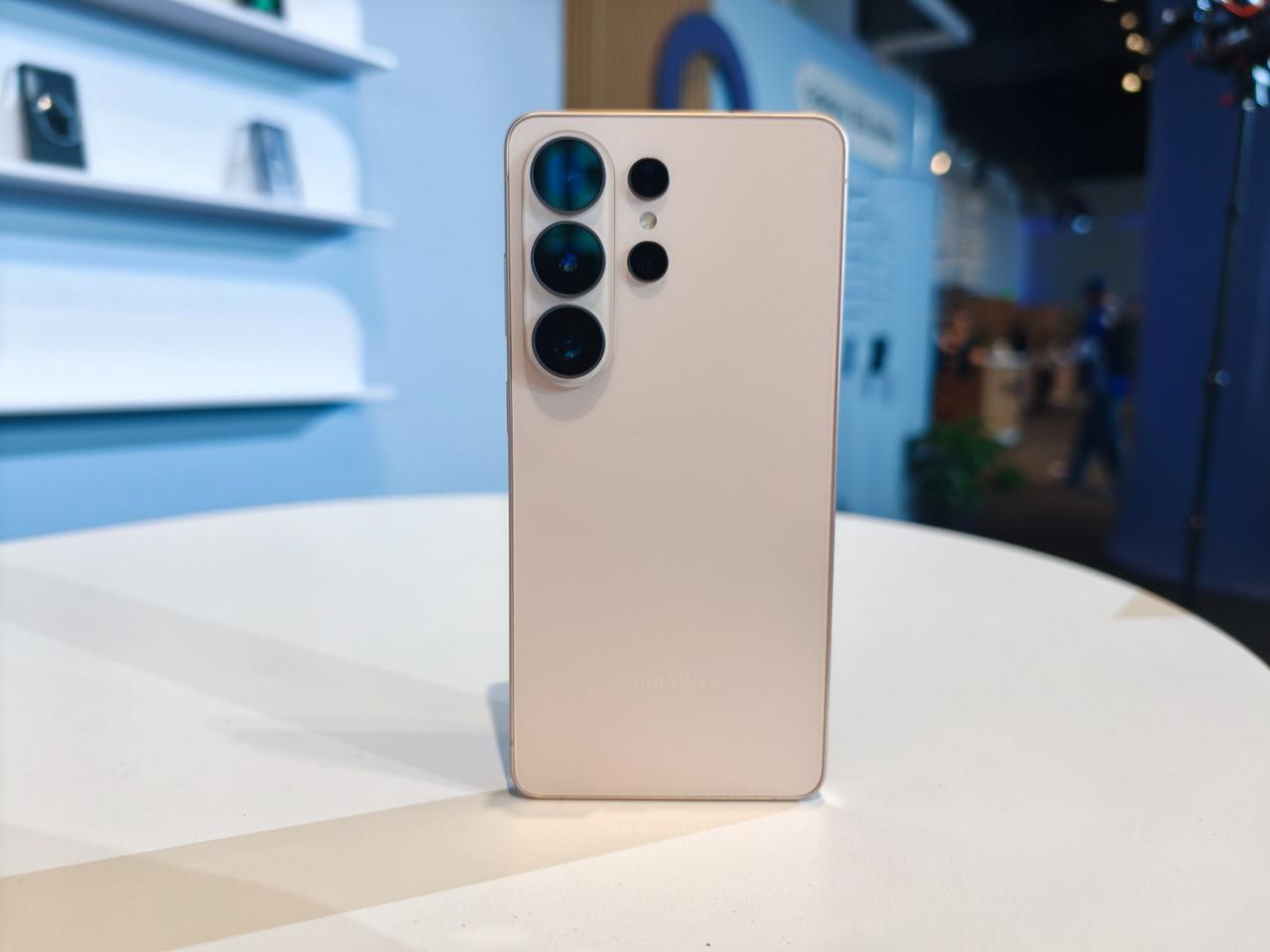
The concept represents a significant shift in how people might create personalized applications on their smartphones. Choi explained that "right now we're limited to premade tools, but with vibe coding, users could adjust their favorite apps or make something customized to their needs"
1
. The vision extends beyond simple app creation to encompass broader user interface customization, potentially allowing users to customize phone experience at a system level4
.
Source: Phandroid
How AI-Driven Software Creation Works
Vibe coding relies on large language models to write, edit, debug, and deploy code based on user prompts. Instead of manually writing code, users provide simple descriptions of the functionality they want, and the AI generates the necessary software
2
. This no-code development approach transforms smartphones into miniature app-building platforms, making software creation accessible to anyone regardless of technical background.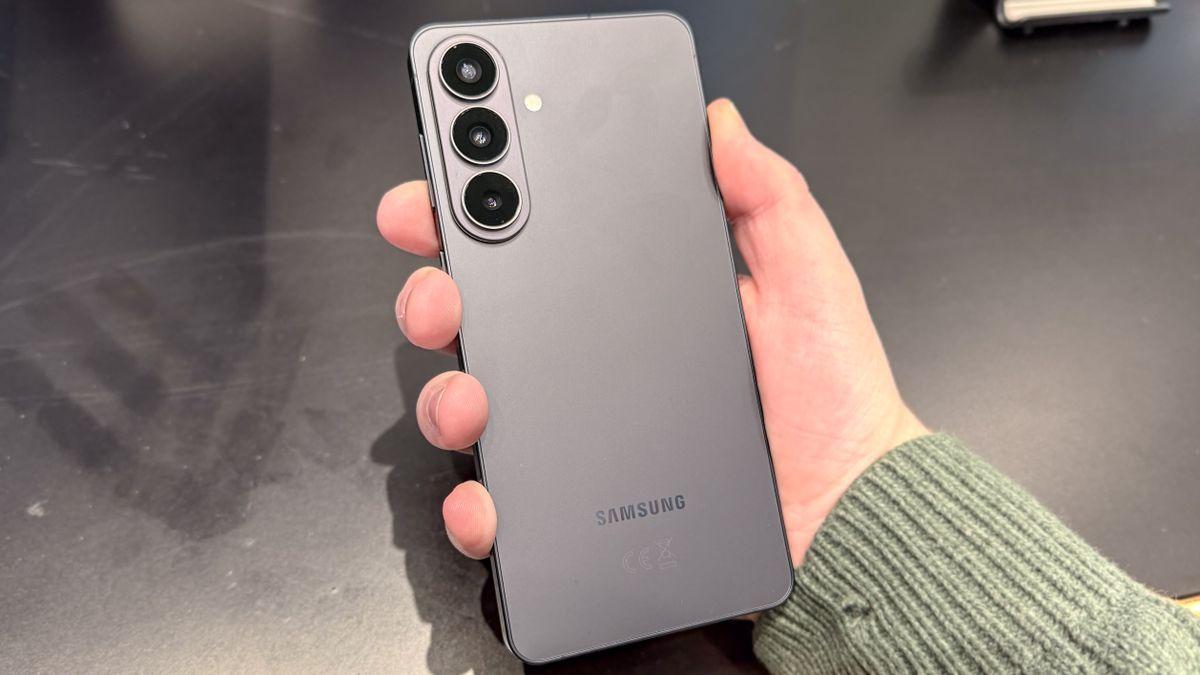
Source: Tom's Guide
The technology has already gained traction elsewhere in the mobile ecosystem. Nothing has implemented Essential Apps on Nothing Phone devices, allowing users to build personalized widgets using text-based prompts
2
3
. On iOS, bitrig enables users to build actual SwiftUI apps from their phones using voice or text prompts, developed by former Apple engineers3
. Samsung's entry into this space would bring AI-driven software creation to a substantially larger audience given the scale of Galaxy phones.Why This Matters for Android Users
For Android users, this development carries particular significance. The platform has always emphasized openness and customization tools compared to iOS, and vibe coding could amplify that advantage considerably
1
. Users would gain unprecedented control over their devices, no longer dependent on third-party developers for specific functionality. This addresses a persistent frustration with apps that deteriorate over time through controversial redesigns, lost features, or aggressive monetization strategies.The personalization tool aspect extends to the user experience (UX) itself. Choi specifically mentioned "the possibility of customising your smartphone experience in new ways, not just your apps but your UX"
3
. This suggests Samsung envisions vibe coding as more than just an app-building experience—it could reshape how users interact with One UI at a fundamental level.Related Stories



Timeline and Industry Context
While Samsung has confirmed its interest, no official timeline exists for when vibe coding might arrive on Galaxy phones. Choi's careful wording suggests the company is still in exploratory phases rather than active development
3
. The feature could appear in future One UI versions, though whether that means One UI 8, One UI 9, or later remains unclear.The exploration comes as Samsung positions its latest devices as AI phones rather than traditional smartphones. The recently launched Galaxy S26 series introduced several Galaxy AI features including Now Nudge for real-time suggestions, Agentic Task Execution for multi-step actions, Photo Assist Suite for natural language photo editing, and Creative Studio for generating stickers and wallpapers
4
. Vibe coding would represent a logical extension of this AI-first strategy, transforming users from passive consumers of pre-built applications into active creators of customization tools tailored to their specific needs.References
Summarized by

Navi
[1]
Related Stories
Recent Highlights
1
Apple Plans Major Siri AI Overhaul in iOS 27 With Third-Party Chatbot Integration
Technology

2
OpenAI shuts down Sora after six months, ending Disney's $1 billion licensing partnership
Technology

3
AI chatbots validate you too much, making you less kind to others, Stanford study reveals
Science and Research

Recent Highlights
Today's Top Stories



Your Daily Dose of Curated AI News
Don’t drown in AI news. We cut through the noise - filtering, ranking and summarizing the most important AI news, breakthroughs and research daily. Spend less time searching for the latest in AI and get straight to action.

