Samsung confirms AI smart glasses with eye-level camera launching in 2026 to challenge Meta


5 Sources
5 Sources
[1]
How Samsung's smart glasses will work with your Galaxy - here's everything we know
These would be the company's first foray into the smart glasses market. 2026 is poised to be the year Samsung enters the smart glasses market -- and we finally have direct confirmation from the company. During an interview with CNBC, a Samsung executive shared details about the company's upcoming AI smart glasses, including how they'll operate and what they'll be able to accomplish. Samsung's executive vice president of mobile business, Jay Kim, discussed the AI smart glasses during MWC in Barcelona. Kim shared that the glasses will be released later this year and will feature an eye-level, built-in camera. Also: Best of MWC 2026: The biggest news we saw this week Meant to focus heavily on artificial intelligence (AI), the Samsung smart glasses will connect to your phone, presumably as part of the Galaxy ecosystem, which will be able to process the information that the camera captures. According to Kim, the glasses will be more of a gateway for AI to capture and understand what you see, rather than a completely standalone device, so it can then feed the information to the mobile phone. "Everybody talks about what the next AI device is, and I know I've been looking at many different types of devices. Glasses, obviously is one of them, and everybody's looking at it," Kim told CNBC. "I think the XR on headset will sort of be around. But not as a sort of mass scale business." Also: Can Meta see your private life through its Ray-Ban smart glasses? What to know Samsung launched the Galaxy XR last year, an extended reality headset featuring spatial audio, 360-degree views of immersive content, and Gemini for AI. Yet the new AI smart glasses that Samsung discussed are another business category entirely, growing quickly because they're smaller and less expensive. Companies like Xreal and Meta are already deep into the smart glasses market, with built-in AI experiences, phone integrations, and some augmented reality features. Kim declined to comment on whether the Samsung smart glasses will feature a built-in display, but all rumors point to the contrary: Samsung maintains that the glasses will feature heavy integrations with its phone and Galaxy Watch, which users can reach for if they need a screen.
[2]
Samsung reveals first details of its AI smart glasses to CNBC
The Samsung exhibition stand features the prominent ''A new era of mobile agentic AI'' slogan by the South Korean company Samsung Electronics. Samsung's upcoming smart glasses will have a camera and be connected to a smartphone, a top executive told CNBC, as the tech giant prepares to make its first foray into the product category. Jay Kim, executive vice president at Samsung's mobile business, teased some details about the smart glasses for the first time, on the sidelines of the Mobile World Congress trade show in Barcelona. Kim told CNBC that the smart glasses will have a built-in camera at "your eye level." The eyewear will be connected to your smartphone so that the handset can process information that is received from the camera. Meta's Ray-Ban glasses dominate the smart glasses market with 82% global share, according to Counterpoint Research. But other players, from Alibaba to Xreal and now Samsung, are trying to challenge the U.S. social media giant. Samsung has been working with chip designer Qualcomm and Google since 2023 to design the operating system, semiconductors and hardware around so-called mixed-reality technology. The term refers to the combination of augmented and virtual reality, often involving digital images that are imposed over the real world. The first product from this partnership was the Galaxy XR headset which went on sale last year and was based on Google's Android "XR" -- an umbrella term for VR and mixed and augmented reality -- operating system. Qualcomm CEO Cristiano Amon told CNBC in 2024 that smart glasses were the ultimate goal. Companies see smart glasses as potentially having a larger appeal than other XR products because they are smaller and glasses are already so widely worn. "I think the XR on headset will sort of be around. But not as a sort of mass scale business," Kim said. "Everybody talks about what's the next AI device is, and I know I've been looking at many different types of devices. Glasses, obviously is one of them and everybody's looking at it." The development of more advanced AI applications like Google Gemini or ChatGPT has fueled the push towards smart glasses. Device makers are figuring out how users might interact with these services beyond typing in an app on a separate device, such as by speaking to an AI assistant in the glasses and the glasses' camera being a mode of input for AI. Kim added that the "important thing" was for AI to understand "where you're looking at" so it can "feed the information to the mobile phone and then it processes and actually gives you a lot of information." Kim declined to say whether the glasses will have a built-in display when asked but said that Samsung has other products like the smartwatch or phone if a user needs a display. Kim said Samsung's target is "to have something for industry this year." Qualcomm's Amon told CNBC earlier this week that the smart glasses will be released this year.
[3]
'Everybody talks about what's the next AI device... Glasses, obviously is one of them' -- Samsung exec teases details about its forthcoming XR glasses, and when they might arrive
* Samsung has been talking about its upcoming XR smart glasses * An increasing number of AI wearables are now being launched * We should see the Samsung specs launch sometime during 2026 We know that Samsung is busy working on a pair of smart glasses -- we've even seen them in prototype form -- and now company executive Jay Kim has revealed a few key details about what we can expect when the product launches. Speaking to CNBC (via 9to5Google), Kim said that more tech companies are now exploring the potential of smart spectacles, which are now often referred to as AI glasses because of the intelligent assistants accessible through the devices. "Everybody talks about what's the next AI device... and I know I've been looking at many different types of devices," says Kim in the interview. "Glasses, obviously is one of them and everybody's looking at it." Kim also talks about the potential of XR (Extended Reality) on glasses, which are much more lightweight than XR headsets -- meaning they're easier to wear all day. Samsung unveiled its own XR headset back in October. Cameras and phone connections The details that Kim revealed about the Samsung XR specs include that there will be an "eye level" camera on board, and that they will require a connection to a smartphone. That's pretty standard for the best smart glasses on the market at the moment. According to Kim, it's important for the on-board AI to understand what the user is looking at to provide information, and that's what the Samsung smart glasses will aim for. However, the exec wouldn't confirm if the glasses would have a display or not. Samsung is partnering with Qualcomm and Google in developing this device, and Kim confirmed that it's going to be launching before the end of the year -- something that Samsung hinted at when it was unveiling its XR headset. There are plenty of other smart glasses rumored to be in development to take on the likes of the Ray-Ban Meta Gen 2. Apple is apparently preparing to launch a product in this category, for example, amongst several other wearable AI devices. Follow TechRadar on Google News and add us as a preferred source to get our expert news, reviews, and opinion in your feeds. Make sure to click the Follow button! And of course you can also follow TechRadar on TikTok for news, reviews, unboxings in video form, and get regular updates from us on WhatsApp too.
[4]
Samsung Details Rival to Meta's AI Smart Glasses
We may earn a commission when you click links to retailers and purchase goods. More info. We've heard a lot about Android XR in recent months, with Samsung having launched the first headset a few months ago. Building on that, the company announced at MWC that it is shooting to launch AI-powered smart glasses at some point in 2026. Speaking to CNBC, Samsung's Jay Kim executive VP of mobile, says that the smart glasses will feature a camera and microphone, similarly to what Google has teased from other 3rd-party XR partners and what we already have on the market from Ray-Ban and Meta. Work is being done in partnership with Google and Qualcomm, which will be necessary as Meta currently dominates with a whopping 82% of the smart glasses global market. Samsung's Kim didn't specify if the glasses would have a built-in display, but did note that the glasses would need to be tethered to a smartphone, so we presume if users need a display, they'll need to use their phone or smartwatch. From the demos we have seen of Android XR, it's a platform to essentially bring Gemini/AI to your eye level and help you interact with the world around you.
[5]

Samsung Teases Built-in Cameras for its Upcoming Smart Glasses - Phandroid
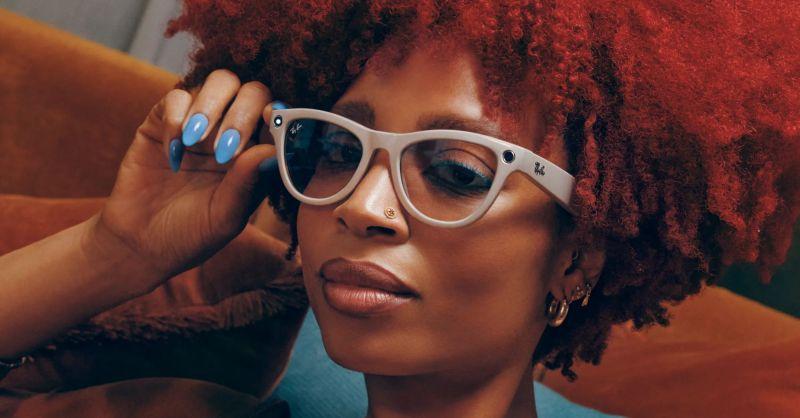
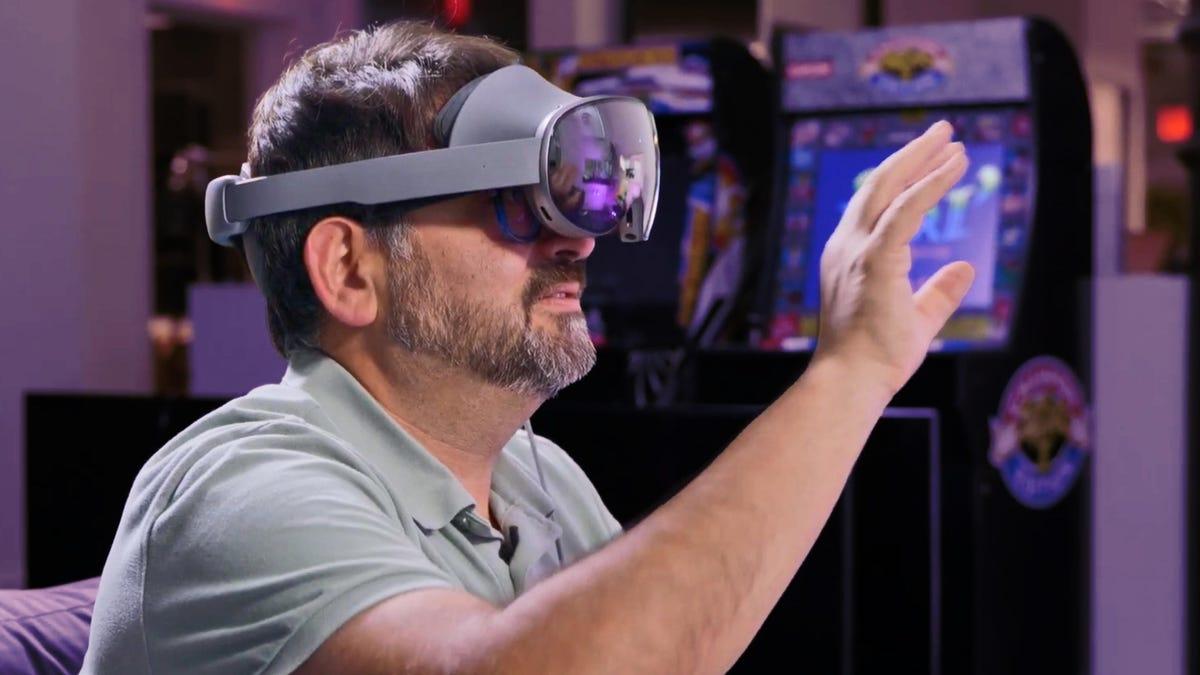
It goes without saying that there's been a lot of hype for Samsung's upcoming AI smart glasses, and while the company has yet to fully reveal its next big wearable product, that doesn't mean that it's held back on giving fans an idea of what to expect once it launches. More specifically, Samsung recently stated that the glasses will be equipped with a built-in camera, which allows the glasses to transmit visual data to a user's phone, which in turn uses the information for AI-based processing. This detail was confirmed by Jay Kim, Executive Vice President over at Samsung's Mobile Business during MWC 2026; there's no word on a specific release date at the moment, although it's expected that the glasses could be launched within this year. Of course, cameras embedded into smart glasses aren't anything new, as seen with devices like the Ray-Ban Metas, although these have come under fire lately over privacy concerns. Going back to Samsung, this isn't the company's first foray into smart wearable tech, with its latest effort taking the form of the Galaxy XR headset. Launched last year, the Galaxy XR comes with a vastly different form factor than your average smart glasses, and instead competes with the likes of the Apple Vision Pro.
Share
Share
Copy Link
Samsung executive Jay Kim revealed details about the company's first AI smart glasses at Mobile World Congress in Barcelona. The wearable will feature an eye-level camera that connects to a smartphone for AI processing, marking Samsung's entry into a market currently dominated by Meta with 82% global share.
Samsung Enters the Smart Glasses Market with AI-Focused Wearable
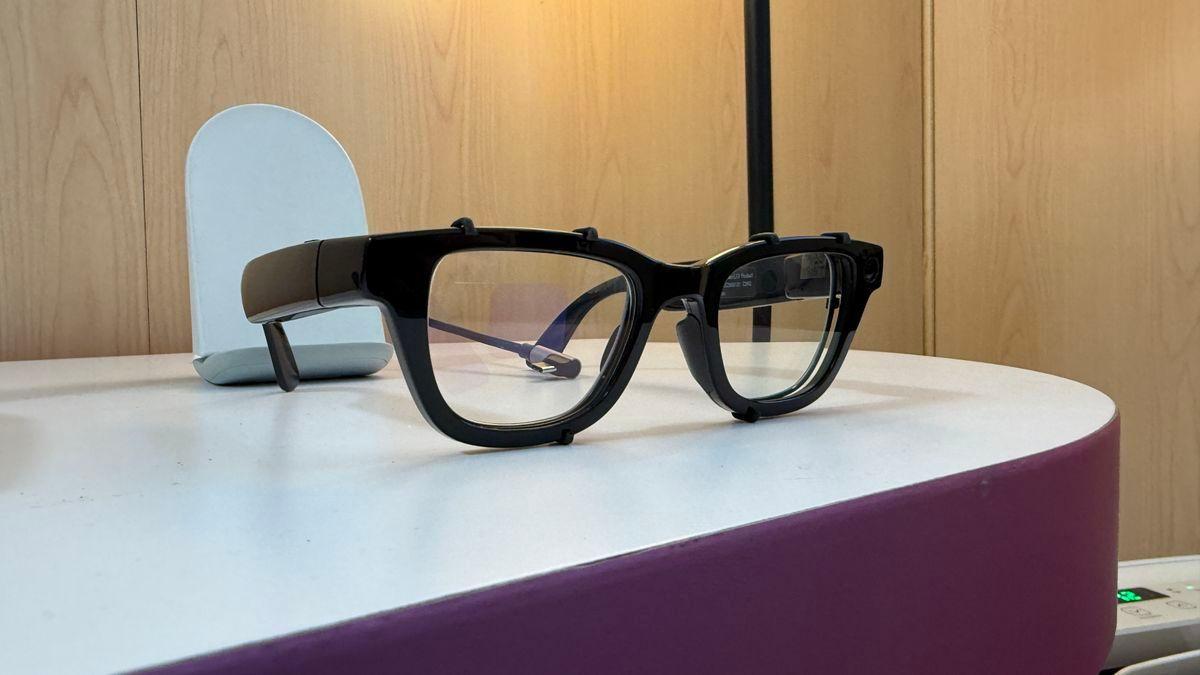
Samsung has officially confirmed its entry into the smart glasses market with AI-powered smart glasses set to launch later in 2026. Jay Kim, executive vice president at Samsung's mobile business, shared the first official details about the upcoming device during Mobile World Congress in Barcelona, marking a significant shift in the company's wearable strategy
1
2
. The announcement comes as Samsung seeks to challenge Meta's dominance in the smart glasses market, where the Ray-Ban Meta glasses currently hold an 82% global share according to Counterpoint Research2
.
Source: TechRadar
Eye-Level Camera and Smartphone Integration Define the Design
The Samsung smart glasses will feature a built-in eye-level camera that captures visual data and transmits it to a connected smartphone for processing
2
5
. Rather than functioning as a standalone device, the glasses are designed to serve as an AI gateway that feeds information to your Galaxy phone. "The important thing was for AI to understand where you're looking at so it can feed the information to the mobile phone and then it processes and actually gives you a lot of information," Kim explained during the interview2
. This approach positions the wearables as an extension of Samsung's existing Galaxy ecosystem, which will likely integrate with Galaxy Watch and other devices.Collaboration with Google and Qualcomm Powers Android XR Platform
Samsung has been working in collaboration with Google and Qualcomm since 2023 to develop the operating system, semiconductors, and hardware for mixed-reality technology
2
4
. The partnership previously resulted in the Galaxy XR headset, which launched last year and runs on Google's Android XR operating system. The smart glasses will leverage this same platform to bring Gemini and other AI capabilities to eye level, enabling users to interact with the world through voice commands and visual input4
. Qualcomm CEO Cristiano Amon previously told CNBC in 2024 that smart glasses were the ultimate goal of this partnership2
.Related Stories

Display Ambiguity and Market Positioning
When asked whether the Samsung smart glasses would include a built-in display, Kim declined to comment directly but suggested that users could rely on other Samsung devices like smartphones or Galaxy Watch if they need a screen
1
2
. This approach differs from traditional augmented reality experiences but aligns with the growing category of lightweight AI wearables. "Everybody talks about what's the next AI device, and I know I've been looking at many different types of devices. Glasses, obviously is one of them, and everybody's looking at it," Kim told CNBC1
3
. The executive also noted that while XR headsets will remain available, they won't become a mass-scale business compared to the more accessible smart glasses format1
.Competition Intensifies as Tech Giants Race for Wearable AI Dominance
The smart glasses market is heating up rapidly, with companies like Xreal, Alibaba, and Meta already offering products with built-in AI experiences, phone integrations, and augmented reality features
1
2
. Apple is also reportedly preparing to launch its own product in this category3
. The development of advanced AI applications like Google Gemini and ChatGPT has accelerated the push toward smart glasses, as device makers explore new ways for users to interact with these services beyond typing in apps2
. However, privacy concerns have emerged around camera-equipped glasses, as seen with recent scrutiny of Ray-Ban Meta devices5
. Samsung's target is "to have something for industry this year," according to Kim, with Qualcomm's Amon confirming the 2026 release timeline2
. The success of these XR glasses will depend on user interaction quality, AI processing capabilities, and how effectively Samsung addresses privacy concerns while delivering practical value through its Galaxy ecosystem integration.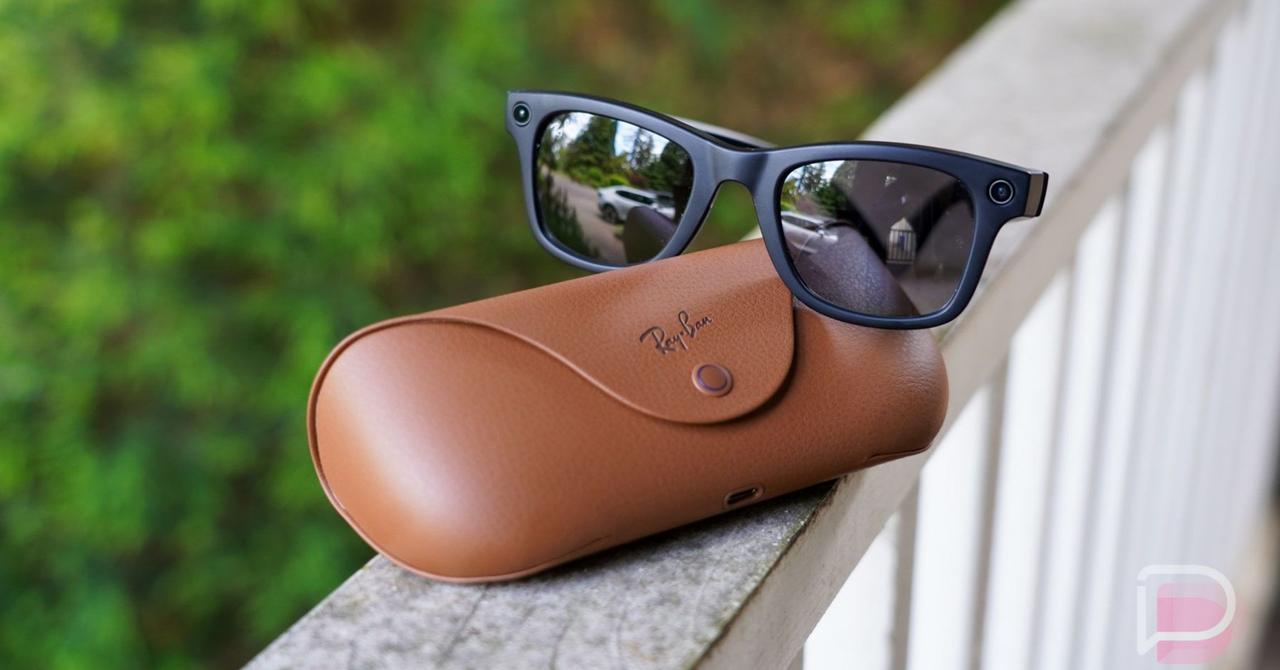
Source: Droid Life
References
Summarized by

Navi
[4]
Related Stories
Recent Highlights
1
OpenAI shuts down Sora video app after six months, ending Disney's $1 billion investment deal
Technology

2
Apple plans major Siri AI overhaul in iOS 27 with standalone app and third-party chatbot support
Technology

3
Claude AI can now control your computer to complete tasks, but security risks remain
Technology

Recent Highlights
Today's Top Stories








Your Daily Dose of Curated AI News
Don’t drown in AI news. We cut through the noise - filtering, ranking and summarizing the most important AI news, breakthroughs and research daily. Spend less time searching for the latest in AI and get straight to action.

