South Africa unveils draft AI policy with new institutions and incentives to lead continental innovation


3 Sources
3 Sources
[1]
South Africa unveils draft AI policy, proposes new institutions and incentives
This video file cannot be played.(Error Code: 102630) JOHANNESBURG, April 10 (Reuters) - South Africa on Friday unveiled a draft national AI policy, seeking public comment on sweeping proposals to regulate and accelerate AI adoption. The policy, published by the Department of Communications and Digital Technologies, aims to position South Africa as a continental leader in AI innovation while addressing ethical, social and economic challenges. It also marks a significant step in South Africa's digital transformation. Public comments on the draft policy are invited by June 10. The draft outlines plans to establish new institutions, including a National AI Commission, an AI Ethics Board and an AI Regulatory Authority. The bodies would coordinate policy, enforce ethical standards, monitor compliance, and provide mechanisms for redress and compensation in cases of AI-related harm. The government also intends to create incentives such as tax breaks, grants, and subsidies to encourage private-sector collaboration, particularly for local startups and small businesses. One of the key pillars of the policy is investment in strong and cost-effective supercomputing infrastructure to support AI research and development. It also calls for strategic investments in digital infrastructure, including partnerships with international cloud providers and regional supercomputing hubs. However, it notes concerns that "reliance on foreign infrastructure could compromise the security of sensitive South African data." It calls for plans to reduce South Africa's "current hardware dependence on the U.S. and China" amid their ongoing geopolitical rivalry. Reporting by Nqobile Dludla; Editing by David Holmes Our Standards: The Thomson Reuters Trust Principles., opens new tab * Suggested Topics: * Artificial Intelligence * Data Privacy Nqobile Dludla Thomson Reuters Nqobile is a Johannesburg-based reporter covering the South African retail, telecom and tech sectors. She has been a journalists for about 10 years. She joined Reuters in 2015 and has covered a variety of beats ranging from pharma, health to property and banking.
[2]
South Africa unveils draft AI policy, proposes new institutions and incentives - The Economic Times
The AI policy, published by the Department of Communications and Digital Technologies, aims to position South Africa as a continental leader in AI innovation while addressing ethical, social and economic challenges.South Africa on Friday unveiled a draft national AI policy, seeking public comment on sweeping proposals to regulate and accelerate AI adoption. The policy, published by the Department of Communications and Digital Technologies, aims to position South Africa as a continental leader in AI innovation while addressing ethical, social and economic challenges. It also marks a significant step in South Africa's digital transformation. Public comments on the draft policy are invited by June 10. The draft outlines plans to establish new institutions, including a National AI Commission, an AI Ethics Board and an AI Regulatory Authority. The bodies would coordinate policy, enforce ethical standards, monitor compliance, and provide mechanisms for redress and compensation in cases of AI-related harm. The government also intends to create incentives such as tax breaks, grants, and subsidies to encourage private-sector collaboration, particularly for local startups and small businesses. One of the key pillars of the policy is investment in strong and cost-effective supercomputing infrastructure to support AI research and development. It also calls for strategic investments in digital infrastructure, including partnerships with international cloud providers and regional supercomputing hubs. However, it notes concerns that "reliance on foreign infrastructure could compromise the security of sensitive South African data." It calls for plans to reduce South Africa's "current hardware dependence on the US and China" amid their ongoing geopolitical rivalry.
[3]
South Africa unveils draft AI policy, proposes new institutions and incentives
JOHANNESBURG, April 10 (Reuters) - South Africa on Friday unveiled a draft national AI policy, seeking public comment on sweeping proposals to regulate and accelerate AI adoption. The policy, published by the Department of Communications and Digital Technologies, aims to position South Africa as a continental leader in AI innovation while addressing ethical, social and economic challenges. It also marks a significant step in South Africa's digital transformation. Public comments on the draft policy are invited by June 10. The draft outlines plans to establish new institutions, including a National AI Commission, an AI Ethics Board and an AI Regulatory Authority. The bodies would coordinate policy, enforce ethical standards, monitor compliance, and provide mechanisms for redress and compensation in cases of AI-related harm. The government also intends to create incentives such as tax breaks, grants, and subsidies to encourage private-sector collaboration, particularly for local startups and small businesses. One of the key pillars of the policy is investment in strong and cost-effective supercomputing infrastructure to support AI research and development. It also calls for strategic investments in digital infrastructure, including partnerships with international cloud providers and regional supercomputing hubs. However, it notes concerns that "reliance on foreign infrastructure could compromise the security of sensitive South African data." It calls for plans to reduce South Africa's "current hardware dependence on the U.S. and China" amid their ongoing geopolitical rivalry. (Reporting by Nqobile Dludla; Editing by David Holmes)
Share
Share
Copy Link
South Africa released a comprehensive draft national AI policy on Friday, proposing the establishment of a National AI Commission, AI Ethics Board, and AI Regulatory Authority. The Department of Communications and Digital Technologies is seeking public comment by June 10 on proposals that include tax breaks, grants, and subsidies for startups while addressing concerns about foreign infrastructure dependence on the U.S. and China.

South Africa Positions Itself as Continental AI Leader
South Africa has released a draft national AI policy that signals the country's ambition to become a continental leader in AI innovation while navigating ethical, social, and economic challenges
1
. Published by the Department of Communications and Digital Technologies on Friday, the comprehensive framework seeks public comment on sweeping proposals to regulate and accelerate AI adoption across the nation2
. The initiative marks a significant step in South Africa's digital transformation, with public comments invited by June 10.New Institutions to Govern AI Development
The draft AI policy outlines plans to establish new institutions and incentives designed to create a robust governance framework. Three key bodies are proposed: a National AI Commission, an AI Ethics Board, and an AI Regulatory Authority
3
. These organizations would coordinate policy implementation, enforce ethical standards, monitor compliance, and provide mechanisms for redress and compensation in cases of AI-related harm. This multi-layered approach to ethical AI governance reflects South Africa's commitment to responsible technology deployment while fostering innovation.Incentives to Drive Private-Sector Collaboration
To encourage AI adoption and private-sector collaboration, the government intends to create a suite of financial incentives including tax breaks, grants, and subsidies
1
. These measures specifically target local startups and small businesses, recognizing their critical role in building a sustainable AI ecosystem. The focus on investment in domestic capabilities signals South Africa's intent to nurture homegrown talent and reduce barriers to entry for emerging technology companies.Related Stories

Supercomputing Infrastructure as Strategic Priority
One of the key pillars of the AI policy is investment in strong and cost-effective supercomputing infrastructure to support AI research and development
2
. The policy calls for strategic investments in digital infrastructure, including partnerships with international cloud providers and regional supercomputing hubs. However, the draft acknowledges a critical tension: while international partnerships may accelerate development, "reliance on foreign infrastructure could compromise the security of sensitive South African data"3
.Addressing Hardware Dependence and Data Security
The policy explicitly calls for plans to reduce South Africa's "current hardware dependence on the U.S. and China" amid their ongoing geopolitical rivalry
1
. This concern about hardware dependence reflects broader anxieties about data security and technological sovereignty that many nations face as they develop AI capabilities. The draft suggests South Africa is attempting to chart a middle path—leveraging international partnerships while building domestic capacity to ensure long-term autonomy and security in AI infrastructure.References
Summarized by

Navi
[2]
Related Stories
South Korea launches world's first comprehensive AI law amid startup concerns over compliance
22 Jan 2026•Policy and Regulation

Australia Unveils National AI Plan: Light-Touch Regulation and Data Centre Investment Focus
01 Dec 2025•Policy and Regulation

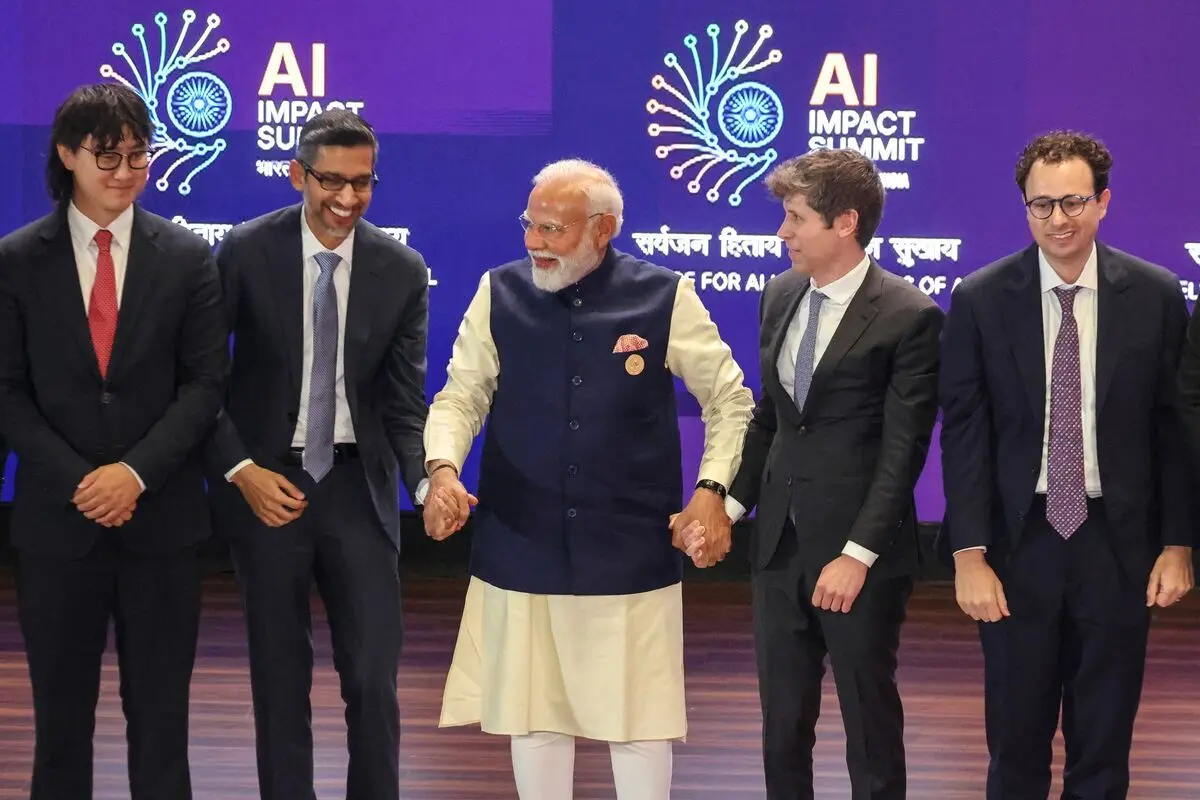
Modi pitches India as affordable AI hub at summit, drawing $200 billion in investments
17 Feb 2026•Business and Economy
Recent Highlights
1
Meta unveils Muse Spark AI model as Superintelligence Labs makes its debut
Technology

2
Anthropic restricts Mythos AI model release, citing unprecedented cybersecurity capabilities
Technology

3
Anthropic sends Claude AI to psychiatrist, discovers functional emotions that shape behavior
Science and Research

Recent Highlights
Today's Top Stories







Your Daily Dose of Curated AI News
Don’t drown in AI news. We cut through the noise - filtering, ranking and summarizing the most important AI news, breakthroughs and research daily. Spend less time searching for the latest in AI and get straight to action.

