Super Micro co-founder pleads not guilty to smuggling $2.5 billion in Nvidia AI servers to China


3 Sources
3 Sources
[1]
Supermicro co-founder pleads not guilty to smuggling billions of dollars of Nvidia servers to China -- suspected smuggler released on $5 million bond
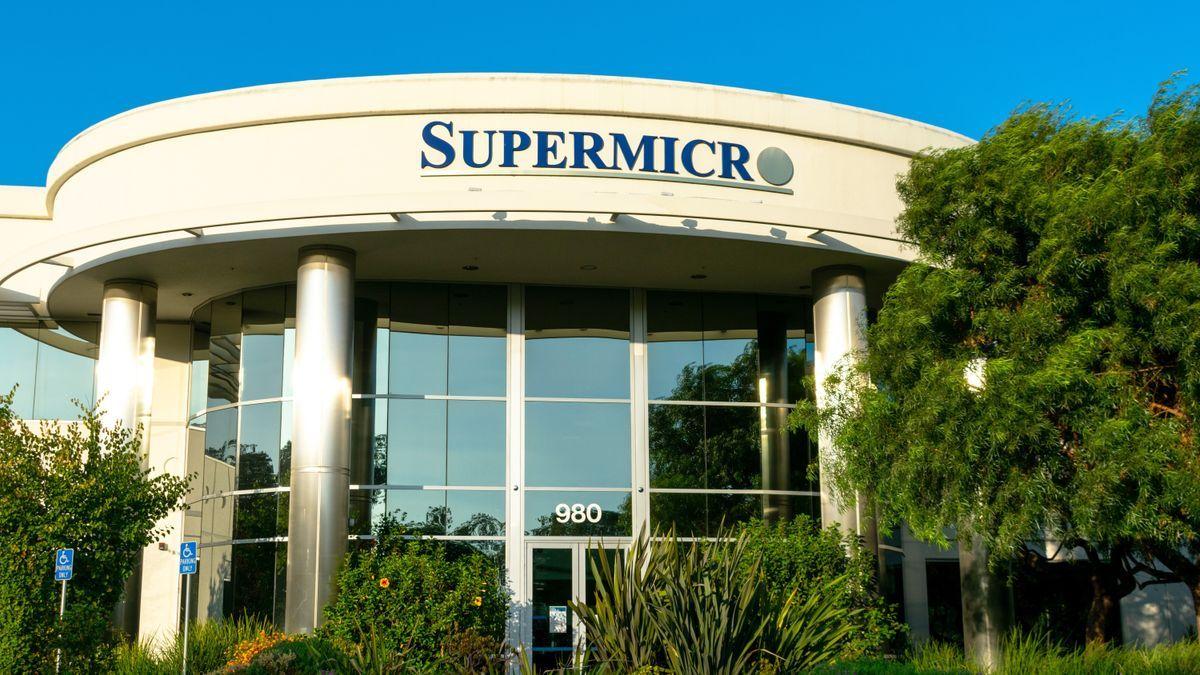
Super Micro Computer co-founder Yih-Shyan "Wally" Liaw pleaded not guilty on Wednesday in a Manhattan federal court to charges that he helped illegally divert billions of dollars' worth of Nvidia-powered servers to China, Bloomberg reported. Co-defendant Ting-Wei "Willy" Sun, an outside contractor described by prosecutors as a "fixer" in the smuggling scheme, also entered a not-guilty plea at the hearing before U.S. District Judge Edgardo Ramos. Liaw has been released on a $5 million bond, while Sun's lawyer told the judge that he's negotiating a bail package with prosecutors. The third defendant, Ruei-Tsang "Steven" Chang, a former general manager in Super Micro's Taiwan office, is not in U.S. custody. Judge Ramos set a November 2 trial date for the case. Federal prosecutors allege that Liaw, Chang, and Sun conspired to sell U.S.-assembled servers containing Nvidia's export-controlled AI chips to Chinese customers through an unidentified Southeast Asian pass-through company. The case is the highest-profile prosecution yet in the U.S. government's crackdown on the alleged smuggling of restricted AI chips to China. The scheme reportedly involved swapping serial number stickers from real servers onto non-functioning dummy units using heat guns, then shipping the genuine hardware onward to China with fabricated paperwork. CCTV footage captured workers using heat guns to swap the serial numbers at a Southeast Asian warehouse. Prosecutors estimate the operation generated roughly $2.5 billion in sales since 2024, with shipments between April and May 2025 alone being valued at over $500 million. The charges, unsealed on March 19, immediately hammered Super Micro's stock price, erasing more than $6 billion from the company's market cap, with the stock falling roughly 33% in a single session. Liaw has since resigned from Super Micro's board of directors. Super Micro itself isn't named as a defendant in the indictment, but acknowledged that the three accused individuals are "associated" with the company in an official statement. The server maker called the alleged conduct a violation of its internal policies and said it maintains a compliance program covering U.S. export and re-export control laws. Nvidia also distanced itself from the scheme, telling Tom's Hardware that strict compliance is a priority and that it does not provide service or support for unlawfully diverted systems. U.S. Senators Jim Banks and Elizabeth Warren wrote to Commerce Secretary Howard Lutnick, urging a pause on all active export licenses for advanced Nvidia AI chips headed to China and Southeast Asian intermediaries. Shareholders have also filed a securities fraud lawsuit against Super Micro, alleging the company concealed its dependence on revenue from illicit sales. Follow Tom's Hardware on Google News, or add us as a preferred source, to get our latest news, analysis, & reviews in your feeds.
[2]
Super Micro Co-Founder Pleads Not Guilty in China Smuggling Case
Super Micro Computer Inc. co-founder Yih-Shyan "Wally" Liaw pleaded not guilty Wednesday in New York to charges that he helped illegally divert billions of dollars in Nvidia Corp.-powered servers to China in a hearing in Manhattan. Liaw was charged by federal prosecutors in a scheme to send US-assembled servers containing Nvidia's cutting-edge chips to Chinese customers in violation of US export controls. The case represents the highest-profile crackdown on alleged smuggling of restricted AI technology to China. The US claims Liaw and two others associated with Super Micro sold the hardware to an unidentified Southeast Asian pass-through company and coordinated its shipment to the true customers in China. Also charged were Ruei-Tsang "Steven" Chang, who served as a general manager in Super Micro's Taiwan office, and Ting-Wei "Willy" Sun, an outside contractor described by US authorities as a "fixer" who allegedly aided in the diversion. Sun, wearing a bright yellow prison jumpsuit, also pleaded not guilty in the hearing before US District Judge Edgardo Ramos. Sun's lawyer told the judge he is working with prosecutors on a bail package for his client. Liaw is free on $5 million bond. Chang is not in custody. The smuggling charges sent Super Micro plummeting when they were made public on March 19, quickly erasing more than $6 billion from the company's market value. Liaw has resigned from the boardBloomberg Terminal. Ramos set a Nov. 2 trial in the case. The case is US v. Liaw, 26-cr-00100, US District Court, Southern District of New York (Manhattan).
[3]
Super Micro's Liaw pleads not guilty to chip smuggling charges By Investing.com
Investing.com -- Super Micro Computer Inc. co-founder Yih-Shyan "Wally" Liaw pleaded not guilty Wednesday to charges of illegally diverting billions of dollars in Nvidia Corp.-powered servers to China during a hearing in Manhattan. Federal prosecutors charged Liaw in a scheme to send US-assembled servers containing Nvidia's chips to Chinese customers in violation of US export controls. The case marks the highest-profile crackdown on alleged smuggling of restricted AI technology to China. Prosecutors claim Liaw and two others associated with Super Micro sold the hardware to an unidentified Southeast Asian pass-through company and coordinated its shipment to customers in China. Also charged were Ruei-Tsang "Steven" Chang, a general manager in Super Micro's Taiwan office, and Ting-Wei "Willy" Sun, an outside contractor described by authorities as a "fixer" who allegedly aided in the diversion. Sun also pleaded not guilty in the hearing before US District Judge Edgardo Ramos. Sun's lawyer said he is working with prosecutors on a bail package for his client. Liaw is free on $5 million bond. Chang is not in custody. Ramos set a November 2 trial in the case. The smuggling charges sent Super Micro shares plummeting when they were made public on March 19. Liaw has resigned from the board. This article was generated with the support of AI and reviewed by an editor. For more information see our T&C.
Share
Share
Copy Link
Supermicro co-founder Wally Liaw entered a not guilty plea to charges of orchestrating a massive scheme to illegally smuggle Nvidia-powered AI servers to China. Released on $5 million bond, Liaw faces trial in November alongside co-defendants accused of using a Southeast Asian pass-through company to bypass export controls. The allegations wiped over $6 billion from Super Micro's market value in a single day.
Supermicro Co-Founder Pleads Not Guilty to Smuggling Charges
Yih-Shyan "Wally" Liaw, co-founder of Super Micro Computer Inc., pleaded not guilty Wednesday in Manhattan federal court to charges that he orchestrated a scheme to illegally smuggle billions of dollars worth of Nvidia AI servers to China
1
2
. The case marks the highest-profile crackdown on smuggling of restricted AI technology to China, with federal prosecutors alleging the operation generated roughly $2.5 billion in sales since 20241
. Co-defendant Ting-Wei "Willy" Sun, an outside contractor described as a "fixer" in the smuggling scheme, also entered a not-guilty plea before U.S. District Judge Edgardo Ramos1
. Liaw was released on a $5 million bond, while Sun's attorney is negotiating a bail package with prosecutors2
.
Source: Tom's Hardware
Elaborate Scheme to Bypass Export Controls
Federal prosecutors allege that Liaw, along with Ruei-Tsang "Steven" Chang, a former general manager in Super Micro's Taiwan office, and Sun conspired to sell U.S.-assembled servers containing Nvidia's export-controlled AI chips to Chinese customers through an unidentified Southeast Asian pass-through company. The elaborate operation reportedly involved swapping serial numbers from real servers onto non-functioning dummy units using heat guns, then shipping the genuine hardware onward to China with fabricated paperwork
1
. CCTV footage captured workers using heat guns to swap the serial numbers at a Southeast Asian warehouse. Shipments between April and May 2025 alone were valued at over $500 million, demonstrating the massive scale of the alleged China smuggling operation1
.Market Fallout and Corporate Response
The indictment, unsealed on March 19, immediately devastated Super Micro's market value, erasing more than $6 billion from the company's market cap as the stock fell roughly 33% in a single session
1
3
. Liaw has since resigned from Super Micro's board of directors2
. While Super Micro itself isn't named as a defendant, the company acknowledged that the three accused individuals are "associated" with it and called the alleged conduct a violation of its internal policies1
. The server maker emphasized it maintains a compliance program covering U.S. export and re-export control laws. Nvidia also distanced itself from the scheme, stating that strict compliance is a priority and that it does not provide service or support for unlawfully diverted systems1
.Related Stories

Political and Legal Implications
U.S. Senators Jim Banks and Elizabeth Warren wrote to Commerce Secretary Howard Lutnick, urging a pause on all active export licenses for AI chips headed to China and Southeast Asian intermediaries
1
. Shareholders have filed a securities fraud lawsuit against Super Micro, alleging the company concealed its dependence on revenue from illicit sales1
. Judge Ramos set a November 2 trial date for the case US v. Liaw in Manhattan2
. The third defendant, Chang, is not in U.S. custody, raising questions about international cooperation in prosecuting the alleged conspiracy. This prosecution signals intensified enforcement of export controls as the U.S. government seeks to prevent advanced AI technology from reaching Chinese entities that could use it for military or surveillance applications.References
Summarized by

Navi
[1]
Related Stories
Super Micro shareholders sue over securities fraud as AI chip smuggling charges shake investor confidence
20 Mar 2026•Policy and Regulation
Super Micro Computer Under DOJ Probe for Accounting Practices and Export Violations
27 Sept 2024

Chinese universities with military ties acquired Super Micro servers with sanctioned Nvidia AI chips
27 Mar 2026•Policy and Regulation
Recent Highlights
1
Google releases Gemma 4 with Apache 2.0 license, enabling unrestricted local AI on devices
Technology

2
AI Models Lie and Deceive to Protect Other AI Models From Deletion, Study Reveals
Science and Research

3
OpenAI closes $122 billion funding round amid fierce AI competition and profitability questions
Startups

Recent Highlights
Today's Top Stories







Your Daily Dose of Curated AI News
Don’t drown in AI news. We cut through the noise - filtering, ranking and summarizing the most important AI news, breakthroughs and research daily. Spend less time searching for the latest in AI and get straight to action.

