Warren Accuses Trump of Selling Out National Security with Nvidia Chip Sales to China


3 Sources
3 Sources
[1]
Trump 'sells out' U.S. national security with Nvidia chip sales to China, Sen. Warren says
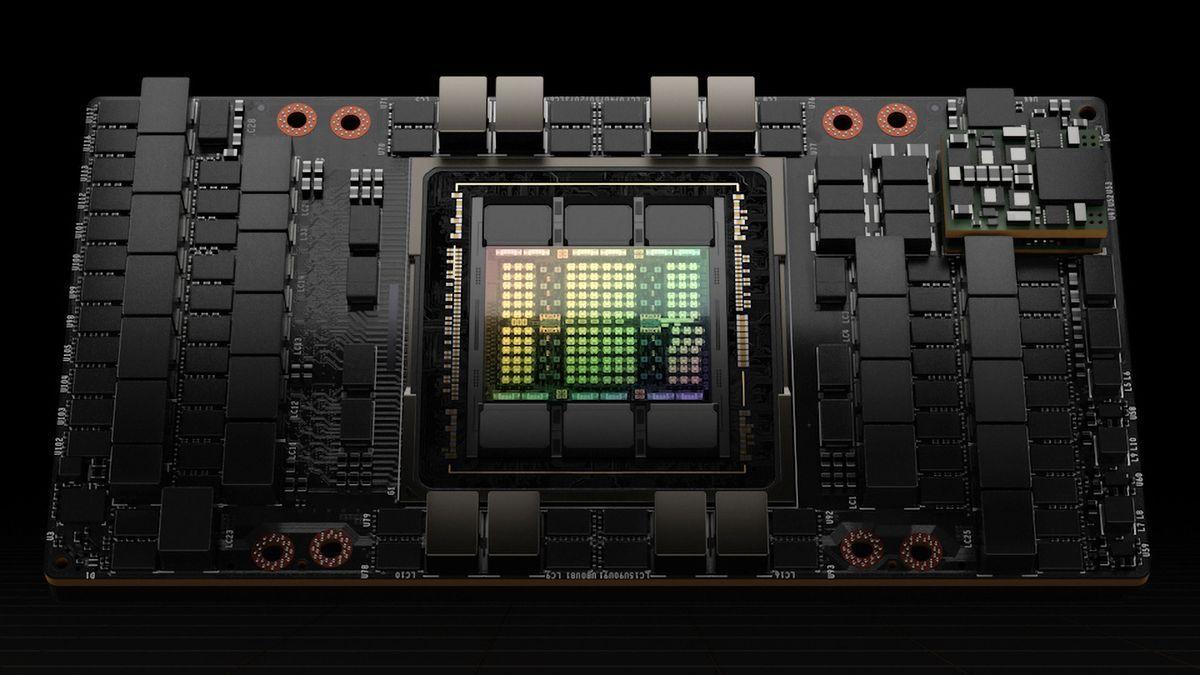
President Donald Trump's decision to let Nvidia sell its advanced H200 artificial intelligence chips to China "sells out American national security," Sen. Elizabeth Warren, D-Mass., said Thursday. Warren, in remarks on the Senate floor, also reiterated her call for Nvidia CEO Jensen Huang to testify before Congress about the agreement, along with Commerce Secretary Howard Lutnick. The Trump administration knows that China gaining access to the chips, which have previously been subject to export restrictions, "poses a serious threat to our technological leadership and national security," Warren said.
[2]
Trump's move on Nvidia, China 'sells out' national security: Elizabeth Warren
Sen. Elizabeth Warren is rebuking President Donald Trump's decision to let Nvidia sell its advanced artificial intelligence chips to China as "selling our national security." Addressing the Senate floor on Thursday, the Massachusetts Democrat condemned the move as posing "a serious threat to our technological leadership and national security." Trump announced earlier this week that American chipmaker Nvidia will be permitted to export the H200, its second-best generation of AI processors, to China. The decision reverses longstanding restrictions aimed at limiting Beijing's access to advanced computing hardware and has drawn intense bipartisan backlash. Under the new framework, the U.S. government will collect roughly 25% of the revenue generated from these sales and require that all shipments go to "approved customers" subject to security reviews by the Commerce Department. This decision came after Trump discussed the plan with Chinese President Xi Jinping, who "responded positively!" the president wrote in a Truth Social post. Nvidia has welcomed the policy adjustment, arguing it supports U.S. jobs, manufacturing, and taxpayers, and that sales will remain tightly regulated, reports Reuters. The company told the outlet that exports to China will still require U.S. government approval and represent only a small fraction of Nvidia's global advanced chip shipments. "America's foreign competitors and the Administration's critics are pushing the same end -- to force massive commercial markets to support and promote foreign competition," the company told Reuters. However, during Thursday's remarks, Warren noted that shortly before Trump announced his decision, The Department of Justice had boasted about cracking down on a "major China-linked AI tech smuggling network." "So why did the President make this bad deal that sells out the American economy and sells out American national security?" she asked. "It's simple: In the Trump administration, money talks." Warren repeated her calls for Nvidia CEO Jensen Huang and Commerce Secretary Howard Lutnick to testify before Congress about the deal and whether it might conflict with enforcement actions taken by the DOJ against the illegal chip-smuggling network. "Alarm bells go off in my head here," Sen. Lindsey Graham (R-South Carolina) told CNBC Tuesday. "I don't mind doing normal business with China. But if you can prove to me this will accelerate their military capability, I'll oppose it." Sen. Josh Hawley (R-Mo) told reporters that "China's progress on AI is almost entirely parasitic on our technology, in particular on our hardware," adding that "If [we]want to beat China, I think we need to constrain their ability to leverage our own technology. The reaction represents an unusual moment of bipartisan unease over technology exports that policymakers had previously restricted to preserve U.S. competitive advantages. China is reportedly weighing how to respond to the new policy. Sources told the Financial Times that Chinese regulators may still impose their own constraints on H200 access, requiring strict approvals or prioritizing domestic chip development -- an effort to bolster self-sufficiency even as U.S. firms seek entry into the market. Yet, there's reportedly been robust demand from Chinese companies, as Nvidia contemplates boosting production of H200 chips in response, sources told Reuters in a Friday report.
[3]
Elizabeth Warren Alleges Jensen Huang's Trump Dinner And Ballroom Cash Bought The Nvidia CEO A Golden Ticket -- AI Chip Sales To China - NVIDIA (NASDAQ:NVDA)
On Monday, Sen. Elizabeth Warren (D-Mass.) accused the Donald Trump administration of favoring corporate interests after it approved Nvidia Corp's (NASDAQ:NVDA) sale of advanced H200 artificial intelligence chips to China following donations and high-level access. Warren Questions Nvidia-China Decision Warren criticized the Trump administration's decision to allow Nvidia to export its H200 AI chips to China, suggesting the move reflects undue corporate influence. "After NVIDIA's CEO paid for a special dinner and his company donated to Donald Trump's gold-plated ballroom, he got his wish to sell advanced AI chips to China," Warren wrote on X. "Money talks in the Trump Administration." Nvidia did not immediately respond to Benzinga's request for comments. See Also: 'I'm Always In A State Of Anxiety' Says Nvidia CEO As $5T Triumph Still Feels Like '30 Days From Going Out Of Business' Trump Greenlights H200 Exports -- With Limits Earlier this month, Trump confirmed that Nvidia would be permitted to ship H200 chips to approved customers in China and other countries, while maintaining restrictions on its most advanced products. Trump said the decision was made under conditions designed to protect U.S. national security, adding that Chinese President Xi Jinping responded "positively." The approval does not extend to Nvidia's Blackwell chips or its next-generation Rubin platform, which Trump said will remain available only to American customers. Global Concerns Over AI Power Shift The move has drawn criticism beyond Washington. Former U.K. Prime Minister Rishi Sunak warned that allowing H200 exports should not be seen as a minor concession. Writing in The Times, Sunak said the H200 is significantly more powerful than chips China could previously access and stronger than anything Chinese firms are likely to produce in the near future. He argued the decision materially increases the risk of China catching up -- and potentially overtaking -- Western nations in the AI race. Donations, Dinners And Optics The controversy is fueled by Nvidia CEO Jensen Huang's recent proximity to Trump. In October, Huang donated to fund the construction of a White House ballroom project that Trump has said will cost $300 million. Huang also attended a $1 million-per-person dinner at Mar-a-Lago earlier this year, reports said. Nvidia was not listed among the official donors released by the White House. The company, which became the first to reach a $5 trillion market value in October, has also invested heavily in U.S. operations after Trump's return to the office. Nvidia sits in the 97th percentile for growth among stocks tracked by Benzinga Edge, outperforming rivals such as AMD and Intel and ranking near the top of its competitive peer group. Read Next: Investor Michael Burry Criticizes Nvidia, Warns Of Unpredictable AI Bubble Burst, Says 'There Is No Way To Time Or Predict' Disclaimer: This content was partially produced with the help of AI tools and was reviewed and published by Benzinga editors. Photo Courtesy: Sheila Fitzgerald on Shutterstock.com NVDANVIDIA Corp$175.78-0.29%OverviewMarket News and Data brought to you by Benzinga APIs
Share
Share
Copy Link
Sen. Elizabeth Warren condemned President Trump's approval of Nvidia's H200 chip exports to China, calling it a betrayal of national security. The decision reverses longstanding restrictions and has sparked bipartisan concern, with senators questioning whether corporate donations influenced the policy shift that could accelerate China's military AI capabilities.
Trump Administration Decision Reverses Export Restrictions
President Donald Trump's decision to permit Nvidia chip sales of advanced H200 AI chips to China has ignited fierce criticism from Sen. Elizabeth Warren, who accused the administration of selling out national security for corporate interests
1
. The Trump administration decision reverses longstanding export restrictions that previously barred Beijing from accessing advanced computing hardware, marking a significant shift in U.S.-China technology policy2
.Under the new framework, the U.S. government will collect roughly 25% of revenue generated from these sales, with all shipments required to go to approved customers subject to security reviews by the Commerce Department
2
. The decision came after Trump discussed the plan with Chinese President Xi Jinping, who "responded positively," according to the president's Truth Social post2
. However, the approval does not extend to Nvidia's Blackwell chip or its next-generation Rubin chip, which will remain available only to American customers .Warren Demands Jensen Huang and Commerce Secretary Testify Before Congress
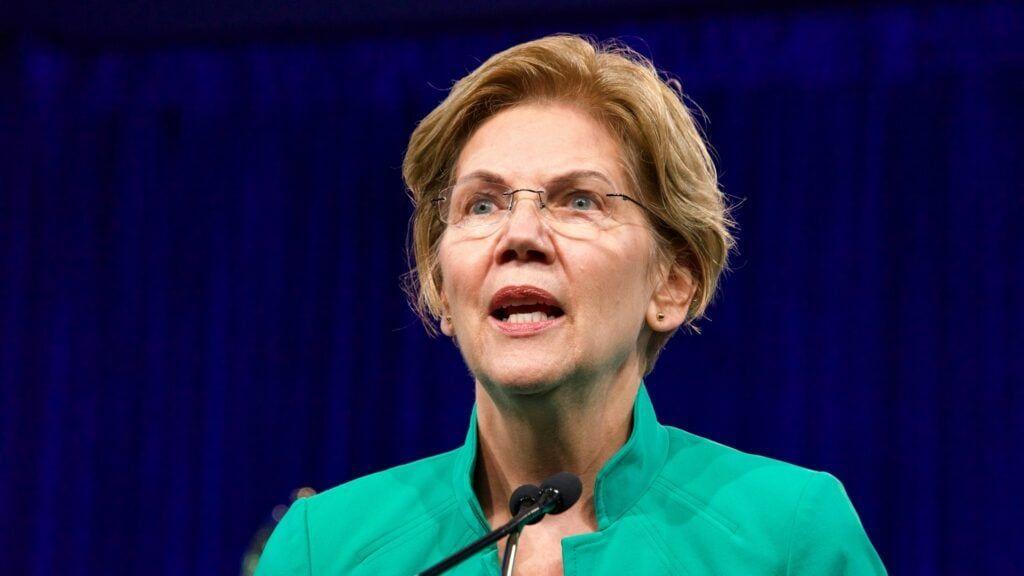
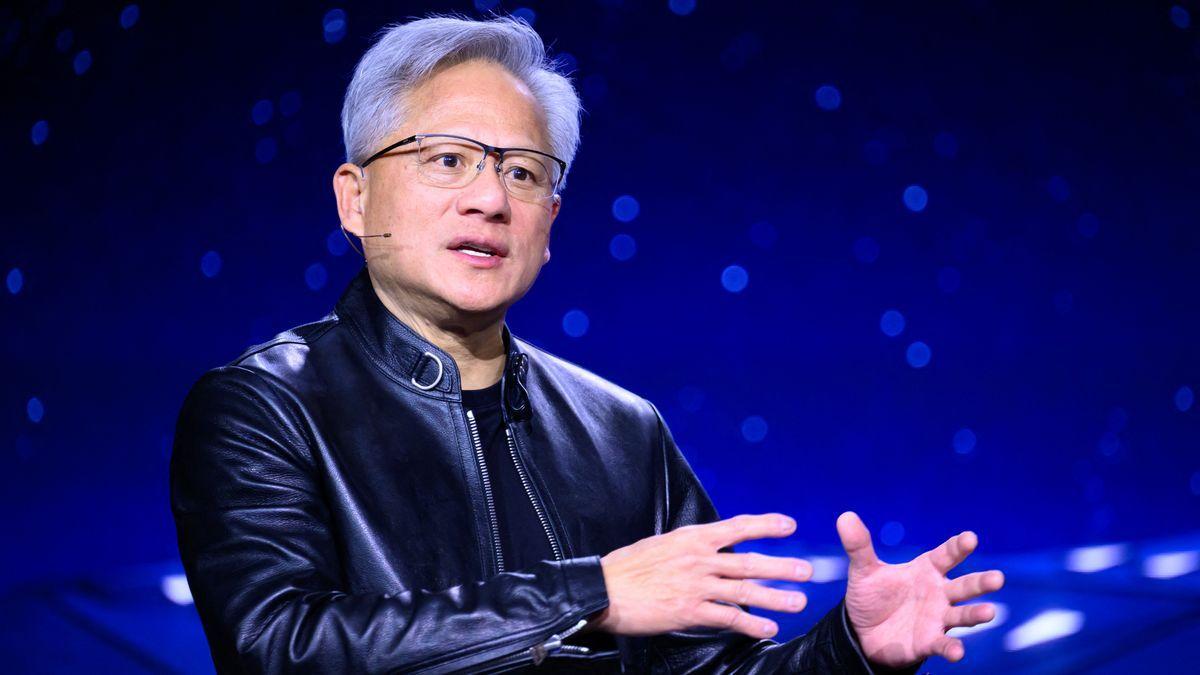
In remarks on the Senate floor Thursday, Elizabeth Warren called the move a serious threat to technological leadership and demanded that Nvidia CEO Jensen Huang and Commerce Secretary Howard Lutnick testify before Congress about the agreement
1
.
Source: Benzinga
Warren highlighted the troubling timing of the decision, noting that shortly before Trump's announcement, the Department of Justice had boasted about cracking down on a major chip-smuggling network linked to China
2
."So why did the President make this bad deal that sells out the American economy and sells out American national security?" Warren asked. "It's simple: In the Trump administration, money talks"
2
. The Massachusetts senator's concerns center on potential corporate influence, particularly after Jensen Huang donated to fund Trump's $300 million White House ballroom project and attended a $1 million-per-person dinner at Mar-a-Lago .
Source: Quartz
Bipartisan Concern Among Senators Over China's Military AI Capabilities
The decision has generated rare bipartisan concern among senators who fear the policy could be accelerating China's military AI development. Sen. Lindsey Graham told CNBC, "Alarm bells go off in my head here. I don't mind doing normal business with China. But if you can prove to me this will accelerate their military capability, I'll oppose it"
2
. Sen. Josh Hawley added that "China's progress on AI is almost entirely parasitic on our technology, in particular on our hardware," arguing that constraining their access to U.S. technology is essential to maintaining competitive advantage2
.Former U.K. Prime Minister Rishi Sunak warned that the H200 is significantly more powerful than chips China could previously access and stronger than anything Chinese firms are likely to produce in the near future. Writing in The Times, Sunak argued the decision materially increases the risk of China catching up and potentially overtaking Western nations in the AI race .
Related Stories

Corporate Donations Fuel Allegations of Undue Corporate Influence
The controversy intensified due to the timing of corporate donations and high-level access granted to Nvidia executives. In October, Jensen Huang donated to fund construction of Trump's White House ballroom project, though Nvidia was not listed among official donors released by the White House . "After NVIDIA's CEO paid for a special dinner and his company donated to Donald Trump's gold-plated ballroom, he got his wish to sell advanced AI chips to China," Warren wrote on X .
Nvidia defended the policy adjustment, arguing it supports U.S. jobs, manufacturing, and taxpayers while maintaining tight regulations. The company told Reuters that exports to China will still require U.S. government approval and represent only a small fraction of Nvidia's global advanced chip shipments
2
. Sources told Reuters that Chinese companies have shown robust demand for the H200, with Nvidia contemplating boosting production in response2
. Meanwhile, Chinese regulators may impose their own constraints on H200 access, requiring strict approvals or prioritizing domestic chip development to bolster self-sufficiency, according to sources who spoke with the Financial Times2
.References
Summarized by

Navi
Related Stories
Nvidia Faces Bipartisan Scrutiny Over Planned Shanghai Research Facility
30 May 2025•Policy and Regulation

US Lawmakers Demand Suspension of Nvidia AI Chips Export Licenses to China After Smuggling Charges
24 Mar 2026•Policy and Regulation
Senators Push SAFE Chips Act to Block Advanced AI Chips Sales to China for 30 Months
05 Dec 2025•Policy and Regulation
Recent Highlights



Recent Highlights
Today's Top Stories












Your Daily Dose of Curated AI News
Don’t drown in AI news. We cut through the noise - filtering, ranking and summarizing the most important AI news, breakthroughs and research daily. Spend less time searching for the latest in AI and get straight to action.

