UK Government Plans AI Content Labelling Requirements to Combat Deepfakes and Disinformation


3 Sources
3 Sources
[1]
UK to examine labelling AI content among wider copyright reforms
LONDON, March 18 (Reuters) - Britain plans to consider requiring labels on AI-generated content to protect consumers from disinformation and deepfakes, the government said on Wednesday, as it outlined other areas of focus to tackle the evolving global challenge. Technology minister Liz Kendall stressed the need to strike the right balance between protecting the creative industries and allowing the AI sector to innovate, saying in a statement that the government would take time to "get this right". The next phase of the government's work on copyright and AI would also look at the harms posed by digital replicas without consent, ways for creators to control their work online and support for independent creative organisations, she said. Regulators worldwide are grappling with legal and ethical challenges posed by AI chatbots - whose accessibility to the general public has surged in recent years - that generate new content after being fed popular works by artists. In 2024, Britain, which Prime Minister Keir Starmer wants to turn into an AI superpower, proposed easing copyright rules to let developers train models on lawfully accessed material, with creators able to reserve their rights. On Wednesday, Kendall said that having engaged extensively with creatives, AI firms, industry bodies, unions, academics and AI adopters, the government has concluded it "no longer has a preferred option". "We will help creatives control how their work is used. This sits at the heart of our ambition for creatives - including independent and smaller creative organisations - to be paid fairly," she said. She reiterated the government's commitment to AI, saying the sector was growing 23 times faster than the rest of the economy in Britain, home to the third biggest AI industry in the world after the United States and China. Reporting by Muvija M, Editing by Paul Sandle Our Standards: The Thomson Reuters Trust Principles., opens new tab
[2]
UK to examine labelling AI content among wider copyright reforms - The Economic Times
Britain plans to consider requiring labels on AI-generated content to protect consumers from disinformation and deepfakes, the government said on Wednesday, as it outlined other areas of focus to tackle the evolving global challenge. Technology minister Liz Kendall stressed the need to strike the right balance between protecting the creative industries and allowing the AI sector to innovate, saying in a statement that the government would take time to "get this right". The next phase of the government's work on copyright and AI would also look at the harms posed by digital replicas without consent, ways for creators to control their work online and support for independent creative organisations, she said. Regulators worldwide are grappling with legal and ethical challenges posed by AI chatbots - whose accessibility to the general public has surged in recent years - that generate new content after being fed popular works by artists. Louise Popple, a copyright expert at law firm Taylor Wessing, noted that the government had not ruled out a broad exception that would allow AI developers to train on copyright works. "That's a subtle difference of approach and could be interpreted to mean that everything is still up for grabs" she said. "It feels very much like the hard issues are being kicked down the road by the government." In 2024, Britain proposed easing copyright rules to let developers train models on lawfully accessed material, with creators able to reserve their rights. On Wednesday, Kendall said that having engaged with creatives, AI firms, industry bodies, unions and academics, the government had concluded it "no longer has a preferred option". "We will help creatives control how their work is used. This sits at the heart of our ambition for creatives - including independent and smaller creative organisations - to be paid fairly," she said. She reiterated the government's commitment to AI, saying the sector was growing 23 times faster than the rest of the economy in Britain, home to the third biggest AI industry in the world after the United States and China.
[3]
UK to examine labelling AI content among wider copyright reforms
LONDON, March 18 (Reuters) - Britain plans to consider requiring labels on AI-generated content to protect consumers from disinformation and deepfakes, the government said on Wednesday, as it outlined other areas of focus to tackle the evolving global challenge. Technology minister Liz Kendall stressed the need to strike the right balance between protecting the creative industries and allowing the AI sector to innovate, saying in a statement that the government would take time to "get this right". The next phase of the government's work on copyright and AI would also look at the harms posed by digital replicas without consent, ways for creators to control their work online and support for independent creative organisations, she said. Regulators worldwide are grappling with legal and ethical challenges posed by AI chatbots - whose accessibility to the general public has surged in recent years - that generate new content after being fed popular works by artists. In 2024, Britain, which Prime Minister Keir Starmer wants to turn into an AI superpower, proposed easing copyright rules to let developers train models on lawfully accessed material, with creators able to reserve their rights. On Wednesday, Kendall said that having engaged extensively with creatives, AI firms, industry bodies, unions, academics and AI adopters, the government has concluded it "no longer has a preferred option". "We will help creatives control how their work is used. This sits at the heart of our ambition for creatives - including independent and smaller creative organisations - to be paid fairly," she said. She reiterated the government's commitment to AI, saying the sector was growing 23 times faster than the rest of the economy in Britain, home to the third biggest AI industry in the world after the United States and China.
Share
Share
Copy Link
Britain is considering mandatory labelling for AI-generated content as part of broader copyright reforms aimed at protecting consumers from deepfakes while balancing creative industries' rights with AI innovation. Technology minister Liz Kendall announced the government has abandoned its previous approach after extensive stakeholder consultation.
UK Government Shifts Strategy on AI Content Labelling
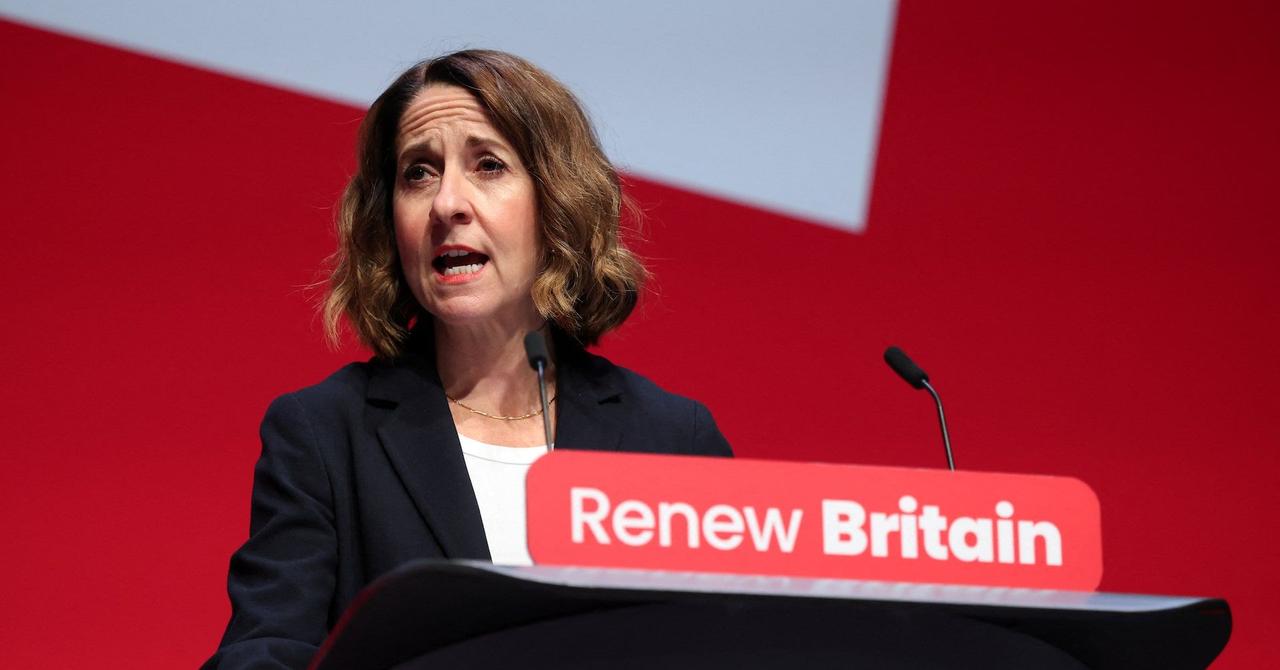
The UK government announced plans to examine requiring labels on AI-generated content as part of sweeping copyright reforms, marking a significant policy shift in how Britain approaches the intersection of artificial intelligence and creative rights
1
. Technology minister Liz Kendall revealed on Wednesday that the government aims to protect consumers from disinformation and deepfakes while simultaneously supporting the rapidly expanding AI sector2
.
Source: Reuters
The announcement represents a notable departure from Britain's 2024 proposal, which sought to ease copyright rules for AI training. After extensive engagement with creatives, AI firms, industry bodies, unions, academics, and AI adopters, Kendall stated the government has concluded it "no longer has a preferred option"
3
. This pivot suggests the UK government is taking a more cautious approach to balancing AI innovation with the need to protect creative industries.Addressing Unauthorized Digital Replicas and Creators' Rights
The next phase of copyright reforms will tackle multiple challenges facing creators in the AI era. Beyond AI content labelling, the government plans to examine harms posed by digital replicas created without consent, develop mechanisms for creators to control their work online, and provide support for independent creative organizations
1
. Kendall emphasized that helping creatives control how their work is used sits "at the heart of our ambition for creatives - including independent and smaller creative organisations - to be paid fairly"2
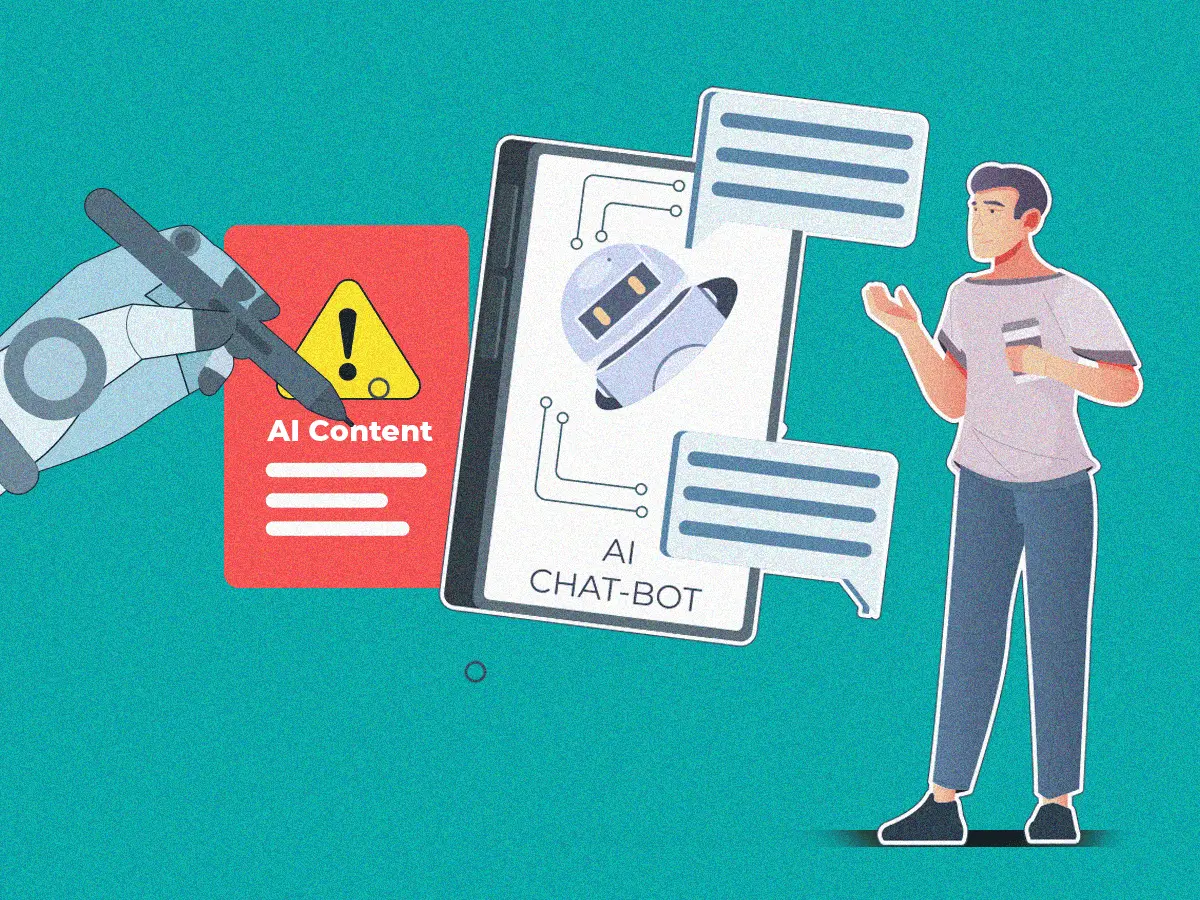
.This focus on fair compensation for creators addresses growing concerns about AI chatbots generating new content after being trained on popular works by artists. Regulators worldwide are grappling with the legal and ethical challenges posed by these technologies, whose accessibility to the general public has surged in recent years
3
.
Source: ET
Related Stories

Balancing AI Innovation with Creative Protection
Kendall stressed the need to strike the right balance between protecting creative industries and allowing the AI sector to innovate, acknowledging the government would take time to "get this right"
1
. This careful approach reflects the complexity of copyright rules for AI training and the competing interests of stakeholders. The technology minister reiterated Britain's commitment to AI innovation, noting the sector was growing 23 times faster than the rest of the economy in Britain, which hosts the third biggest AI industry globally after the United States and China2
.However, legal experts suggest the government may be delaying difficult decisions. Louise Popple, a copyright expert at law firm Taylor Wessing, noted that the government had not ruled out a broad exception allowing AI developers to train on copyright works. "That's a subtle difference of approach and could be interpreted to mean that everything is still up for grabs," she said. "It feels very much like the hard issues are being kicked down the road by the government"
2
. This observation raises questions about whether the UK can effectively combat disinformation and deepfakes while maintaining its AI superpower ambitions under Prime Minister Keir Starmer's vision3
.References
Summarized by

Navi
[3]
Related Stories
UK government delays AI copyright rules as House of Lords backs licensing-first approach
06 Mar 2026•Policy and Regulation
British Government Resets AI Copyright Policy After Rejecting Opt-Out Model for Creators
13 Jan 2026•Policy and Regulation
UK government reverses AI copyright stance after artists and creative industries push back
18 Mar 2026•Policy and Regulation
Recent Highlights
1
Google Maps unveils Ask Maps with Gemini AI and 3D Immersive Navigation in biggest update
Technology
2
Three Tennessee teens sue xAI over Grok AI creating child sexual abuse material from real photos
Policy and Regulation
3
Meta plans to cut 20% of workforce as AI spending reaches $600 billion, mirroring broader tech trend
Business and Economy
Recent Highlights
Today's Top Stories




Your Daily Dose of Curated AI News
Don’t drown in AI news. We cut through the noise - filtering, ranking and summarizing the most important AI news, breakthroughs and research daily. Spend less time searching for the latest in AI and get straight to action.

